DbcultAccessing Vault...
6.7/10
Senior Film Conservator
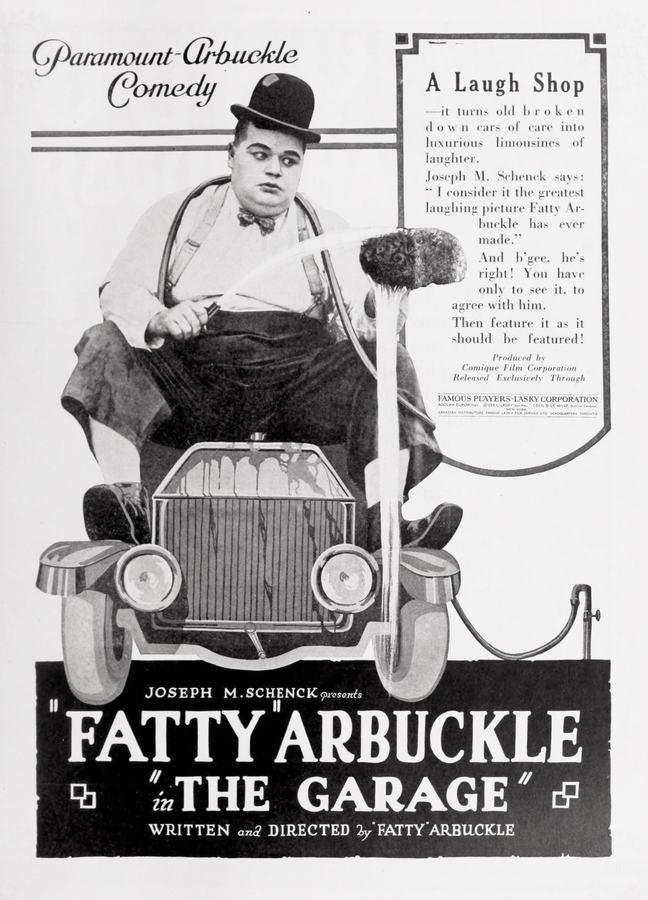
A definitive 6.7/10 rating for a film that redefined the boundaries of cult cinema. The Garage remains a cornerstone of transgressive art.
In the annals of silent cinema, few names resonate with the same blend of uproarious laughter and groundbreaking artistry as Roscoe 'Fatty' Arbuckle and Buster Keaton. Their collaborations, brief as they were, forged a foundational language for physical comedy, a kinetic dialect that transcended mere slapstick to become a sophisticated ballet of destruction and deadpan wit. Among their shared ventures, the 1920 short film The Garage stands as a particularly boisterous testament to their combined genius, offering a dual spectacle of mechanical mayhem and pyrotechnic irony. It's a film that doesn't just invite you to laugh; it pulls you into its vortex of escalating absurdity, a world where the simplest task inevitably spirals into magnificent chaos.
The premise is deceptively simple: Roscoe (Arbuckle) and Buster (Keaton) are the proprietors of a unique establishment, a hybrid garage and fire station, a testament to efficiency or, more accurately, a breeding ground for maximal inefficiency. The film's first half immerses us in their 'garage' operations, specifically their handling of a client's automobile left for a routine cleaning. What unfolds is not a meticulous detailing session but an extraordinary ballet of accidental dismemberment. Arbuckle, with his jovial, often bewildered persona, and Keaton, the master of the stoic, analytical approach to catastrophe, form a perfectly complementary comedic pair. Their initial attempts at washing the car are clumsy, leading to an immediate escalation of mishaps. A hose becomes a weapon, suds become a slippery trap, and every tool seems to conspire against the vehicle's integrity.
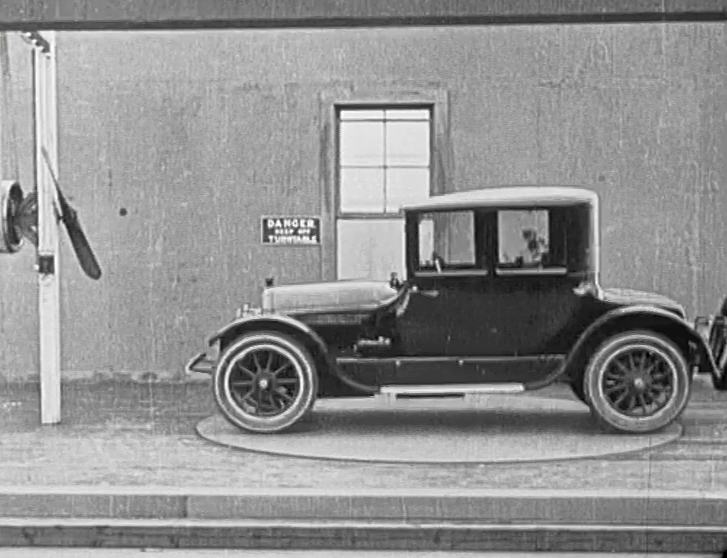
The visual gags come thick and fast, each one building on the last. A fender is bent, a tire is punctured, a headlight is smashed – not through malice, but through an almost childlike inability to grasp the delicate nature of machinery. There's a particular sequence involving a pneumatic lift that elevates the car to precarious heights, only for it to be brought down with a jarring, destructive thud. The car, originally a symbol of its owner's pride, slowly transforms into a grotesque sculpture of twisted metal and shattered glass under their 'care.' It’s a magnificent display of controlled chaos, where every movement, every misstep, is choreographed with an almost surgical precision, ensuring maximum comedic impact. This relentless escalation of physical comedy, a hallmark of the era, finds echoes in the intricate, often destructive, narratives of early cinema, perhaps even sharing a distant comedic cousinship with the chaotic inventiveness one might perceive in a film like Zongar, if it too revels in unbridled, kinetic energy and the sheer joy of visual pandemonium.
Just as the car reaches its apotheosis of ruination, the narrative shifts gears, quite literally. The other half of their business, the fire station, springs into action. A fire alarm blares, signaling a new theatrical stage for Roscoe and Buster's unique brand of heroism. With a flurry of frantic activity, they scramble into their firefighting gear, Arbuckle struggling with oversized boots and Keaton maintaining his characteristic unflappable demeanor even amidst the rush. The sequence of them attempting to get the fire engine ready and roaring out of the station is a masterclass in comedic timing, replete with near-misses, tangled hoses, and the inevitable collateral damage to their own premises even before they've left.
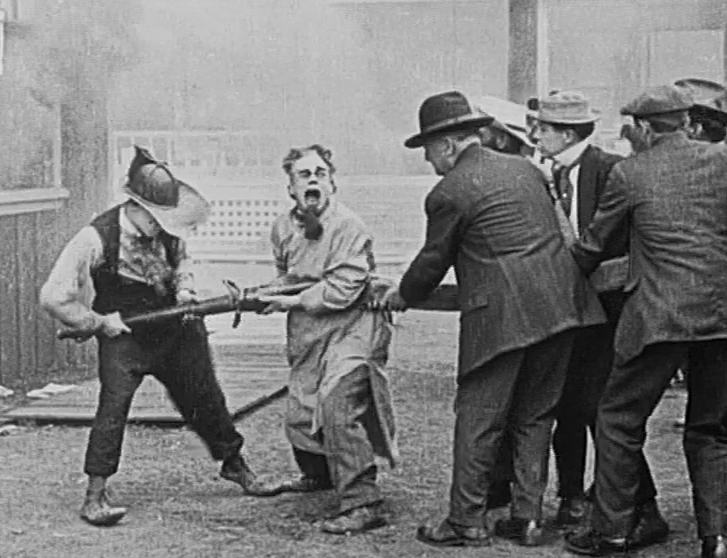
Their departure is a whirlwind of dust and determination, a comical spectacle of civic duty performed with magnificent ineptitude. The irony, however, is a slow, delicious burn. They speed off to what turns out to be a false alarm, a trivial incident that momentarily deflates their heroic fervor. But the universe, in its infinite comedic wisdom, has a more profound punchline in store. As they make their way back, weary from their fruitless endeavor, a plume of smoke becomes visible in the distance. Their faces, initially etched with relief at the absence of a real emergency, gradually contort into expressions of dawning horror as they realize the source of the blaze: their very own garage and fire station, now engulfed in a roaring inferno. The firefighters have returned to find themselves the victims of the very calamity they are sworn to combat. This cruel twist of fate, a recurring motif in storytelling where the protagonists become victims of their own profession's nemesis, echoes the kind of poetic justice or tragicomic irony explored in narratives such as Fate's Boomerang, where actions, however well-intentioned, often return to haunt their originators.
The enduring appeal of The Garage lies not just in its ingenious gags but in the unparalleled chemistry between its two lead performers. Roscoe 'Fatty' Arbuckle, a pioneer of physical comedy, brings a warmth and an almost bewildered innocence to his roles. His physical agility, despite his considerable size, was legendary, allowing him to perform pratfalls and intricate movements with surprising grace. In The Garage, he embodies the well-meaning but utterly incompetent boss, his exasperation often mirroring the audience's amused disbelief at the escalating destruction.
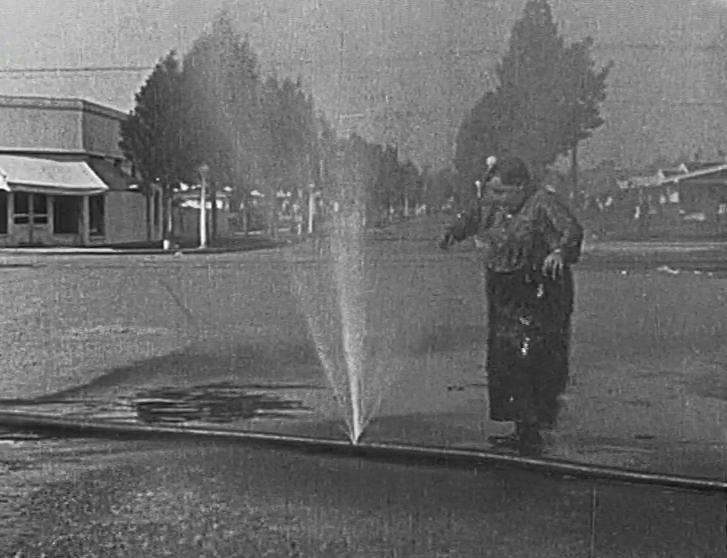
Buster Keaton, on the other hand, is the epitome of the 'Great Stone Face.' His deadpan delivery, even amidst the most chaotic circumstances, is a comedic marvel. Keaton's genius lay in his precise, almost balletic physical comedy, combined with an inventive mind for gag construction. While Arbuckle provides the initial burst of chaotic energy, Keaton often serves as the unwitting catalyst for further destruction or the one who attempts, futilely, to bring order to the pandemonium. His reactions are understated, his eyes conveying a subtle mix of resignation and analytical assessment, making his moments of physical prowess all the more striking. The contrast between Arbuckle's expansive, genial energy and Keaton's contained, intellectual slapstick creates a comedic tension that is both hilarious and endlessly watchable. Their collaboration here, much like in Father and Son if it similarly explores a dynamic of differing approaches, highlights how contrasting personalities can amplify comedic effect, though in The Garage, it’s less about generational wisdom and more about shared, magnificent ineptitude.
And let us not forget the unsung hero, Luke the Dog. His presence in Arbuckle’s films was a consistent source of delight, and in The Garage, he provides several memorable moments of canine comedy, often reacting with more common sense than his human counterparts. The supporting cast, including Alice Lake and Molly Malone, contribute to the general atmosphere of charming disarray, their reactions of horror or amusement serving as a perfect foil to the leads' antics.
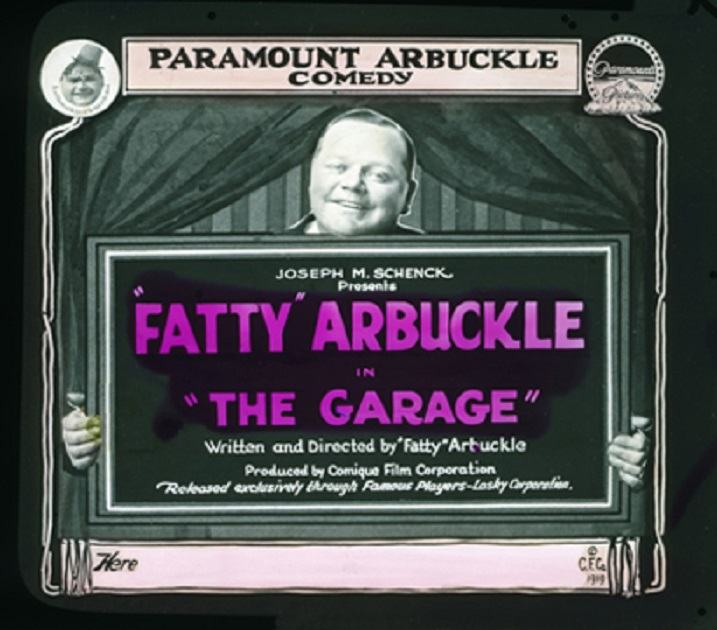
Jean C. Havez's screenplay, while likely a framework for improvisation, clearly understood the strengths of its stars. The narrative is driven almost entirely by visual gags, a hallmark of the silent era, where physical expression and expertly timed stunts conveyed more than any intertitle could. The film's pacing is relentless, moving from one comedic set-piece to another with an almost breathless energy. The destruction of the car, in particular, is a masterclass in escalating absurdity, each new damage adding to the mounting hilarity. The set design, featuring a functional yet perpetually messy garage and fire station, provides a perfect playground for the performers. Every ladder, every hose, every tool becomes a potential instrument of comedy or calamity. The film's use of practical effects, from genuine flames to real car parts being dismantled, grounds the fantastical elements in a tangible reality, making the laughter all the more genuine.
Beyond the immediate laughs, The Garage offers insights into the evolving nature of cinematic comedy. It demonstrates how silent filmmakers, constrained by the lack of dialogue, pushed the boundaries of visual storytelling, developing a sophisticated language of physical humor that continues to influence comedians and filmmakers today. The precise choreography required for such intricate slapstick, often performed without safety nets or CGI, speaks to the incredible skill and bravery of its performers. It’s a testament to the raw, unadulterated power of performance, a vibrant contrast to the more nuanced, character-driven narratives found in films like The Cinderella Man, highlighting the diverse approaches to storytelling even within the same cinematic era.
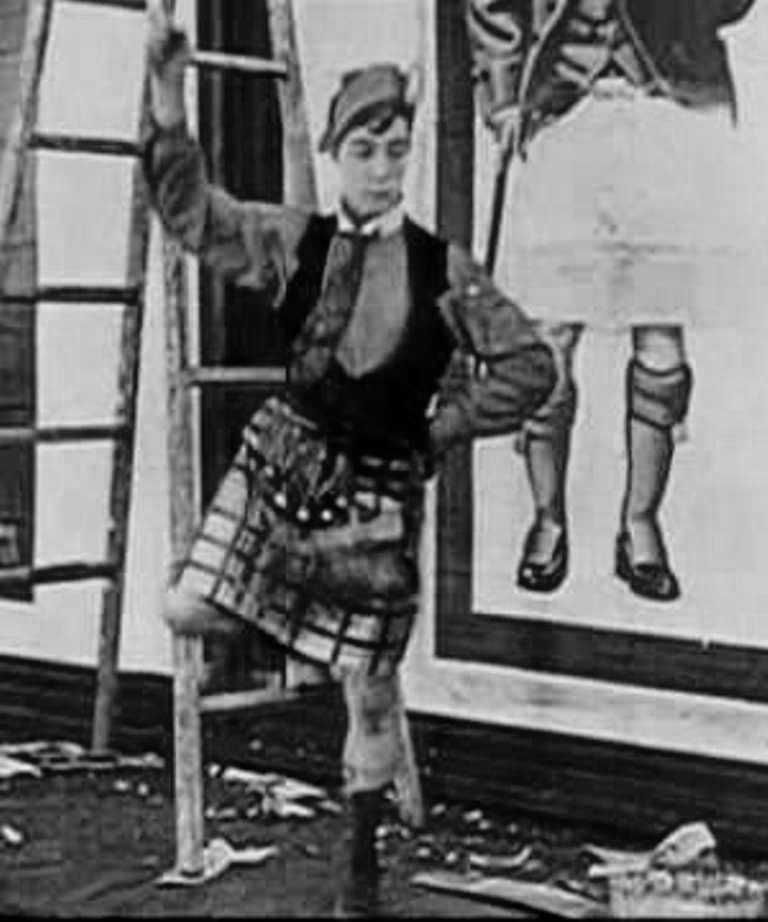
While Arbuckle's career was tragically cut short by scandal, his influence on Keaton and the broader landscape of comedy is undeniable. The Garage, made just before the controversies that would derail Arbuckle, captures him at the peak of his comedic powers, working in perfect sync with his protégé. For Keaton, these collaborations were an invaluable training ground, honing his skills in physical comedy and gag construction that would later define his iconic solo features. The film stands as a crucial artifact in understanding the development of both their careers and the evolution of American comedy.
The film's exploration of the absurdities of labor and the relentless march of fate, albeit in a comedic context, resonates even today. The idea that one's best intentions can lead to utter disaster, or that the very tools of one's profession can turn against them, is a timeless comedic trope. The magnificent irony of the firefighters returning to their own burning station is a narrative stroke of genius, a poetic justice delivered with a hefty dose of slapstick. It's a reminder that sometimes, the greatest dangers come not from external threats, but from within, or perhaps, from one's own magnificent incompetence. The film’s thematic depth, despite its comedic packaging, makes it a more profound experience than a mere collection of gags, perhaps sharing an unexpected kinship with the exploration of human folly seen in films such as Brace Up, though presented with a radically different tone.
In conclusion, The Garage is far more than a historical curiosity; it is a vibrant, hilarious, and expertly crafted piece of silent cinema that continues to captivate audiences with its boundless energy and ingenious gags. It serves as a vital snapshot of two comedic titans at a pivotal moment in their careers, showcasing their individual brilliance and their undeniable synergy. From the meticulous destruction of an automobile to the ultimate, fiery irony of their own station ablaze, the film is a masterclass in escalating comedic tension and payoff. Its influence on subsequent generations of comedians and filmmakers is immeasurable, solidifying its place not just as a classic of the silent era, but as an enduring touchstone of physical comedy itself. For anyone seeking to understand the roots of cinematic humor, or simply in desperate need of a hearty laugh, The Garage remains an indispensable viewing experience, a timeless testament to the power of laughter in the face of utter, glorious chaos.
IMDb —
1917
Community
Log in to comment.