DbcultAccessing Vault...
Cult Review
Senior Film Conservator
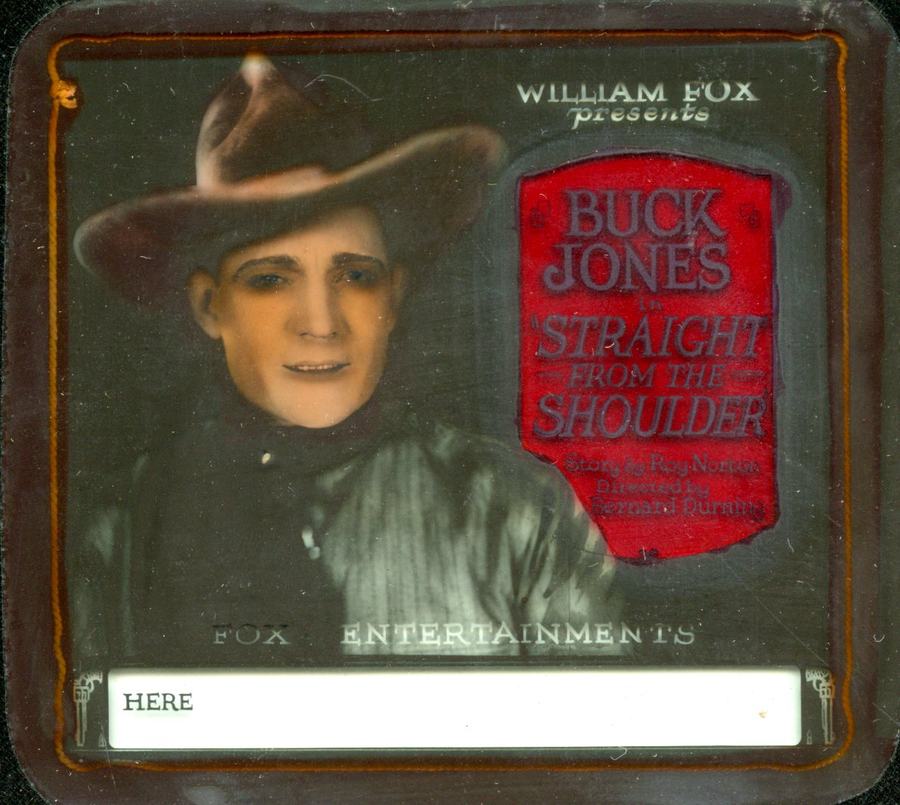
The film opens with a sweeping vista of a sun‑blazed mining town, its streets a maze of wooden boards and rusted machinery. In the center of this tableau steps Bill Higgins, a rugged stranger whose presence is as abrupt as a storm in a dry valley. From the moment he sets foot on the cobblestone, tension crackles in the air like static.
Bill’s first act of defiance—a heated exchange with the local tough, Buck—is a microcosm of the film’s central conflict. The barroom fight is choreographed with a rawness that feels both inevitable and necessary. Higgins’s aggression is not mere bravado; it is a manifestation of a man who has lost his footing. Buck, meanwhile, is portrayed as a man of principle, his stoicism a foil to Bill’s volatility.
The injury that follows the brawl forces Buck into a role that would seem at odds with his rough exterior. He tends to Bill’s wounds, offering a quiet compassion that undercuts the initial hostility between them. This act of mercy sets the stage for the film’s exploration of redemption. The scene is shot in close‑up, the camera lingering on Buck’s hand as it gently applies a poultice, the light filtering through the dusty window creating a chiaroscuro that underscores the moral ambiguity of the characters.
When Buck learns that Bill has been expelled from his home in Peaceful Valley, the narrative takes a turn. The valley, with its serene lanes and weathered houses, contrasts sharply with the town’s chaos. Here, the film introduces a new layer of drama: the social stigma attached to alcoholism and the fragility of marital bonds. The valley’s inhabitants are portrayed with a tenderness that balances the film’s rough edges, allowing the audience to empathize with the couple’s plight.
Buck’s journey to the valley is more than a quest for reconciliation; it becomes a pilgrimage of sorts. The road is littered with obstacles—both literal and figurative—testing Buck’s resolve. Each encounter along the way is a vignette that showcases the harsh realities of frontier life, from the scarcity of resources to the ever‑present threat of violence. These scenes are shot with a keen eye for detail, the grainy texture of the film’s visuals adding to the authenticity of the setting.
What sets Straight from the Shoulder apart from its contemporaries is the nuanced portrayal of its protagonists. Bill is not a one‑dimensional villain; he is a man who, in the face of desperation, chooses the path of least resistance. Buck, on the other hand, embodies the archetypal Western hero, but his actions are guided by a moral compass that is both rigid and flexible.
The film’s script, penned by John Montague and Roy Norton, is a testament to the writers’ understanding of human frailty. Dialogue is sparse, yet each line carries weight. The use of silence—especially in the scenes where Buck and Bill share a quiet moment—allows the audience to fill in the emotional subtext. The camera lingers on their faces, capturing the unspoken conversation that unfolds between them.
Visually, the film is a study in contrast. The director employs a palette of muted earth tones punctuated by the occasional splash of color—particularly in the costumes and props—to draw the viewer’s eye to key elements. The use of shadows is masterful; they serve not only as a stylistic choice but also as a narrative device, symbolizing the moral gray areas that the characters navigate.
Sound design, though minimal due to the silent nature of the era, is handled with care. The score—an arrangement of strings and brass—mirrors the emotional beats of the story. In moments of tension, the music swells, amplifying the stakes; in quieter scenes, it recedes, allowing the silence to speak louder than any spoken word.
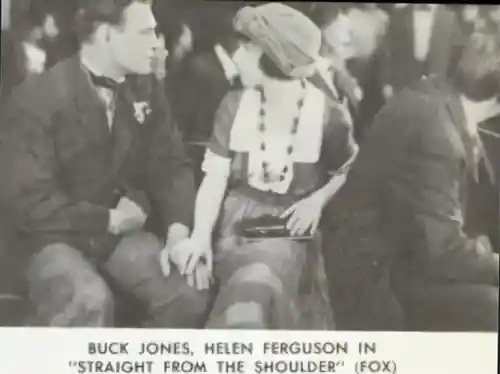
At its core, the film interrogates the idea that redemption is not a simple transaction but a complex process that involves confronting one’s own demons and the expectations of society. The valley’s inhabitants, though initially skeptical of Bill’s return, ultimately recognize that change is possible. This theme is echoed in the film’s visual motifs—such as the broken fence that is repaired, symbolizing the restoration of order and trust.
The narrative also touches on the broader societal issues of the time: the struggle of working-class families to maintain dignity amid economic hardship, the stigma surrounding alcoholism, and the necessity of community support. These elements are woven seamlessly into the plot, enriching the story without detracting from the central conflict.
Norman Selby’s portrayal of Bill Higgins is both compelling and nuanced. He captures the character’s volatility with a subtle intensity that is amplified by his expressive facial gestures. Dan Crimmins, as Buck, delivers a performance that is grounded in stoicism yet open to vulnerability, making his transition from antagonist to ally believable.
Louis King, Herschel Mayall, and G. Raymond Nye bring depth to the supporting cast, each adding layers to the film’s social tapestry. Helen Ferguson’s role as Bill’s estranged wife is particularly noteworthy; her performance balances anger and longing, offering a poignant counterpoint to the film’s action.
When placed alongside other Westerns of the era, Straight from the Shoulder stands out for its focus on interpersonal dynamics rather than sheer spectacle. Films such as His Last Dollar and Yankee Pluck lean heavily on action, whereas this film offers a quieter, more introspective experience. The narrative depth is reminiscent of Das Bildnis des Dorian Gray, though the Western setting gives it a unique cultural flavor.
Similarly, the moral ambiguity present in The Hellion is mirrored in the complex character arcs here, yet the film maintains its distinct voice through a focus on community and personal responsibility.
Although not as widely celebrated as some of its contemporaries, Straight from the Shoulder has earned a place in cinematic history for its subtle exploration of human frailty. Its influence can be traced in later Westerns that prioritize character over action, such as Broken Ties and The Wicked Darling.
The film’s enduring relevance lies in its message that redemption is a collaborative effort—a notion that resonates across time and genre. Its blend of visual storytelling and thematic depth offers a template for modern filmmakers seeking to balance action with emotional resonance.
In the end, Straight from the Shoulder invites the audience to witness a journey that is as much about the external landscape as it is about the internal terrain of the characters. The film’s use of color, sound, and performance coalesces into a narrative that remains strikingly relevant. It reminds us that in the dusty lanes of the American West, the most enduring battles are fought within the heart.
For those who appreciate a Western that challenges the conventions of its genre, this film offers a rewarding experience. Its thoughtful pacing, coupled with a rich visual palette—accented by the warm hues of dark orange and yellow against a sea blue backdrop—creates a cinematic tapestry that is both evocative and enduring.
IMDb 7.3
1925
Community
Log in to comment.