DbcultAccessing Vault...
Cult Review
Senior Film Conservator
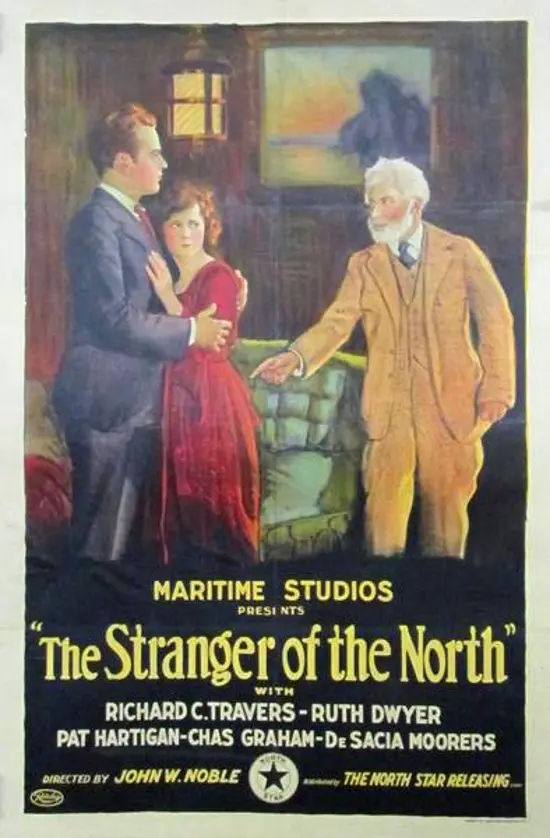
In the annals of early cinema, particularly within the nascent landscape of Canadian filmmaking, certain narratives emerge from the mists of time, offering more than mere plot points; they provide a window into the cultural anxieties, romantic ideals, and societal structures of their era. Such is the case with 1917's Stranger of the North, a film that, despite its age and the inherent limitations of the silent medium, weaves a compelling tapestry of human drama against the rugged backdrop of Nova Scotia's lumber camps. It’s a narrative steeped in the classic tropes of the outsider hero, the coveted maiden, and the formidable antagonist, all set within a socio-economic struggle that resonates with surprising contemporary relevance.
The film commences with the arrival of Laddie Ferguson, portrayed with a compelling blend of quiet strength and principled conviction by James McDuff. Ferguson, an enigmatic figure from overseas, descends upon a bustling lumber camp, a microcosm of industry and raw human endeavor nestled deep within the Nova Scotian wilderness. His very presence, subtly yet powerfully, disrupts the established order, much like a new current altering the flow of a familiar river. This initial premise immediately sets the stage for a classic narrative device: the introduction of an external force that acts as a catalyst for internal upheaval within a tightly knit community. It’s a trope seen in countless Westerns and frontier dramas, where the arrival of a stranger often precipitates a re-evaluation of values, power dynamics, and affections.
Ferguson quickly integrates into the demanding labor of the camp, showcasing a work ethic and quiet competence that earns him respect but also, inevitably, draws the ire of those who perceive him as a threat. His burgeoning rivalry with Ed Spencer, brought to life with palpable intensity by Louis Dean, forms the emotional core of the film. Spencer, a local stalwart, represents the entrenched power and established order, a man accustomed to having his way, particularly when it comes to matters of the heart. The object of their mutual affection is Mary, the foreman's daughter, a character embodied by Ruth Dwyer. Mary, in the tradition of silent film heroines, often serves as the prize, the moral compass, and the emotional fulcrum around which the male protagonists orbit. Her agency, while perhaps limited by the narrative conventions of the time, is nevertheless crucial in determining the trajectory of the central conflict.
The romantic triangle quickly escalates into a direct confrontation when Spencer's advances toward Mary are firmly rejected. This pivotal moment, a blow to his ego and perceived status, acts as the ultimate trigger for his subsequent actions. Rather than accepting defeat with grace, Spencer's wounded pride manifests as a vengeful act of industrial sabotage: he calls for a strike. This shift from personal grievance to a broader labor dispute elevates the film beyond a simple love story, injecting it with socio-political commentary that was particularly potent in an era marked by significant industrial unrest. The strike, therefore, is not merely a plot device but a reflection of the real-world tensions between labor and capital, between individual ambition and collective action.
The implications of Spencer's actions are far-reaching. A lumber camp strike in Nova Scotia would have had immediate and severe economic consequences, threatening livelihoods and disrupting the flow of essential resources. This aspect of the narrative lends Stranger of the North a layer of gritty realism, grounding its romantic melodrama in the harsh realities of early 20th-century industry. The film subtly explores the theme of The Idler versus the industrious, as Spencer's self-serving actions disrupt the honest toil of the camp. His motivations are complex, driven by a cocktail of personal slight and a desire to assert dominance, even if it means undermining the very community he belongs to. This portrayal of a character whose personal failing metastasizes into a broader societal disruption is a testament to the film's nuanced understanding of human nature.
It is at this critical juncture that Laddie Ferguson steps forward as the true hero, not just in love, but in leadership. Recognizing the gravity of the situation and the threat posed by Spencer's reckless actions, Ferguson takes decisive action. He appeals to the Cape Breton Highlanders, a military unit camped nearby, for assistance. The Highlanders' intervention is swift and decisive, a powerful display of organized force restoring order to the chaotic camp. This segment of the film is particularly striking, showcasing the era's reliance on military intervention to quell civil unrest, a practice that, while perhaps jarring to modern sensibilities, was a recognized means of maintaining societal stability.
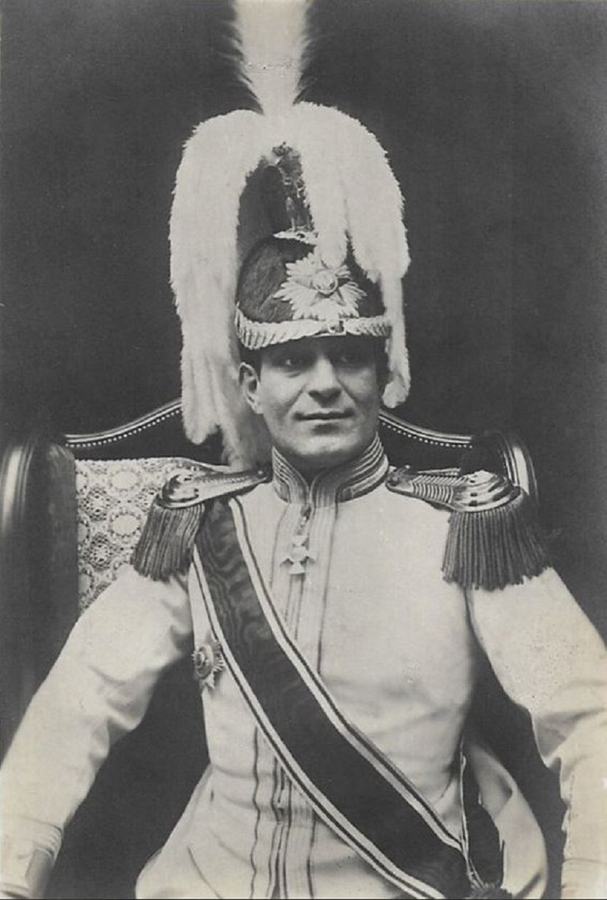
The Highlanders' presence, resplendent in their uniforms and disciplined formation, contrasts sharply with the disarray of the striking lumberjacks. Their arrival is a visual metaphor for the triumph of order over chaos, of civic duty over personal vendetta. It underscores a broader theme of national identity and the role of military institutions in upholding it, particularly relevant in a Canadian context during the First World War era. Ferguson's ability to command such assistance further cements his status as a capable and respected figure, one who can navigate both the rough-and-tumble world of the lumber camp and the more formalized structures of authority.
The resolution of the strike through military force is undeniably a product of its time. It reflects a certain perspective on labor disputes, one that prioritized industrial continuity and societal order above the grievances of the striking workers. In this regard, Stranger of the North offers a fascinating, albeit perhaps uncomfortable, glimpse into historical attitudes towards labor movements. The film doesn't delve deeply into the workers' perspectives beyond Spencer's personal motivations, instead focusing on the resolution brought about by external authority. This can be seen as a form of societal Betrayed, where the workforce's trust in their leader (Spencer) ultimately leads to their collective disadvantage, and Spencer's betrayal of the camp's harmony for personal gain.
Beyond the immediate plot, Stranger of the North is rich with thematic undertones. The most prominent, of course, is the classic love triangle, a narrative device as old as storytelling itself. Mary, as the object of affection, represents the domestic ideal, the promise of stability and happiness that both men seek. Her choice, therefore, is not merely personal but symbolic, aligning her with the man who embodies order, responsibility, and ultimately, the greater good of the community.
Another significant theme is the clash between individual desire and communal harmony. Spencer's actions are driven by selfish motives, disrupting the collective enterprise for personal gain and revenge. Laddie, in contrast, acts for the benefit of all, restoring peace and ensuring the camp's continued operation. This dichotomy highlights the moral framework of the film, where selflessness is rewarded and self-interest, particularly when destructive, is overcome. It also touches upon the Warfare of the Flesh, not just in a spiritual sense, but in the very real, visceral conflict between base desires and higher principles.
The setting itself, a Nova Scotian lumber camp, is more than just a backdrop; it's an active participant in the story. It evokes themes of man versus nature, the arduous struggle to tame the wilderness, and the raw, untamed spirit of the frontier. The isolation of the camp, a characteristic shared with films like Stranded, amplifies the intensity of the human drama, making every conflict feel more immediate and every victory more profound. The towering trees, the arduous labor, and the stark beauty of the landscape all contribute to a sense of scale and grandeur that elevates the personal struggles of the characters.
As a silent film, the success of Stranger of the North rests heavily on the expressive capabilities of its cast and the interpretive skill of its director. James McDuff as Laddie Ferguson delivers a performance characterized by understated heroism, conveying strength and integrity through subtle gestures and resolute posture. He embodies the archetypal silent film hero – honorable, brave, and ultimately triumphant. Ruth Dwyer's Mary is the epitome of the virtuous heroine, her expressions conveying innocence, concern, and ultimately, affection. Louis Dean's Ed Spencer is a memorable antagonist, his portrayal of pride, anger, and desperation driving much of the film's conflict.
The supporting cast, including William Cavanaugh, Pat Hartigan, De Sacia Mooers, Charles E. Graham, William Pike, and Richard Travers, contribute to the vibrant tapestry of the camp community, each playing their part in creating a believable world. Their reactions, their collective movements during the strike, and their interactions with the main characters add depth and realism to the narrative.
While the director is not explicitly named in the provided information, the screenplay by John W. Noble demonstrates a keen understanding of dramatic pacing and character motivation. The narrative unfolds with a clear trajectory, building tension effectively through the escalating rivalry and the subsequent strike. The use of intertitles would have been crucial in conveying dialogue and exposition, guiding the audience through the emotional beats and plot developments. The cinematography, even in its early form, would have aimed to capture the grandeur of the Nova Scotian landscape, contrasting the natural beauty with the industrial activity and human drama. The visual storytelling, characteristic of the silent era, relies on strong compositions, expressive acting, and clear narrative progression to engage the viewer.
The film culminates in the marriage of Mary and Laddie, a resolution that ties together the romantic and societal threads of the narrative. Their union signifies not just personal happiness but also the restoration of order and the triumph of virtue. It’s a classic happy ending, reinforcing the moral lessons embedded within the story: that integrity and selfless action ultimately lead to reward, both personal and communal. This romantic conclusion, while conventional, provides a satisfying closure to the intense conflicts that preceded it.
Reflecting on Stranger of the North today, one cannot help but appreciate its historical significance. It stands as a testament to the storytelling capabilities of early cinema, demonstrating how compelling narratives could be crafted without spoken dialogue, relying instead on visual artistry and the power of human emotion. It offers a fascinating glimpse into a specific moment in Canadian history, capturing the essence of its industrial landscapes and the social dynamics of its communities. The film's exploration of themes like labor disputes, the role of authority, and the enduring power of love remains relevant, reminding us that while the technologies of filmmaking have evolved, the core human stories continue to resonate.
In an age where cinematic spectacles dominate, there is a profound beauty in revisiting films like Stranger of the North. They are not merely relics but vibrant historical documents, offering insights into the past while still delivering compelling drama. It's a reminder that the essence of great storytelling transcends technical limitations, finding its power in relatable characters, compelling conflicts, and the timeless pursuit of justice and happiness. This film, though a stranger from the past, speaks volumes about the enduring human spirit and the foundational narratives that continue to shape our understanding of ourselves and our world.

IMDb —
1919
Community
Log in to comment.