DbcultAccessing Vault...
7.3/10
Senior Film Conservator
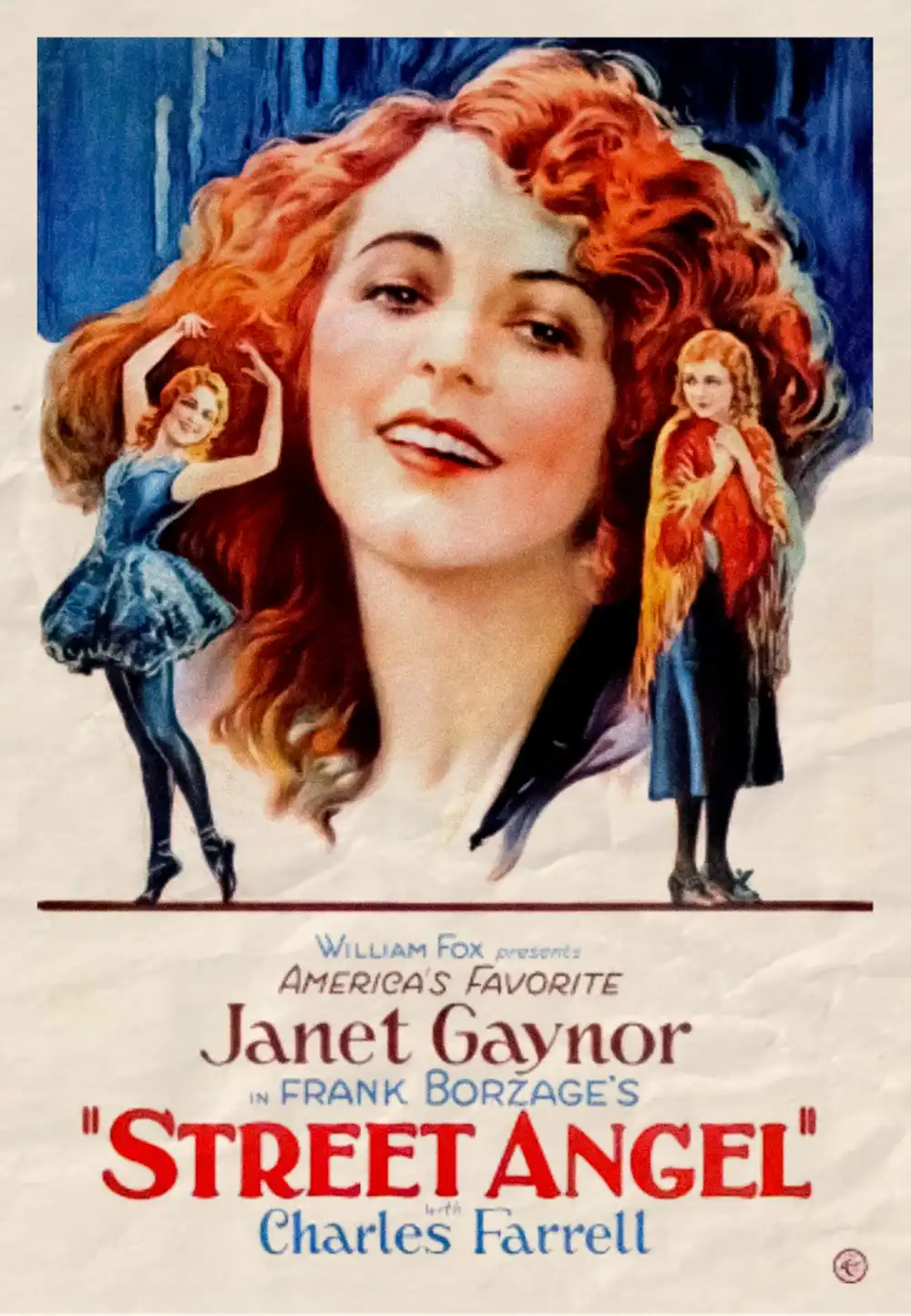
A definitive 7.3/10 rating for a film that redefined the boundaries of cult cinema. Street Angel remains a cornerstone of transgressive art.
Frank Borzage's 1928 silent melodrama, Street Angel, starring the iconic duo Janet Gaynor and Charles Farrell, remains a fascinating, if sometimes challenging, watch. For devotees of silent cinema, particularly those interested in expressive visual storytelling and star power of the era, it’s an essential experience. Newcomers to silent film, or those seeking brisk pacing and subtle emotional arcs, however, might find its pronounced melodrama and occasional narrative lulls a test of patience. It’s a film that demands a certain generosity from its audience, rewarding it with moments of genuine beauty and raw emotion.
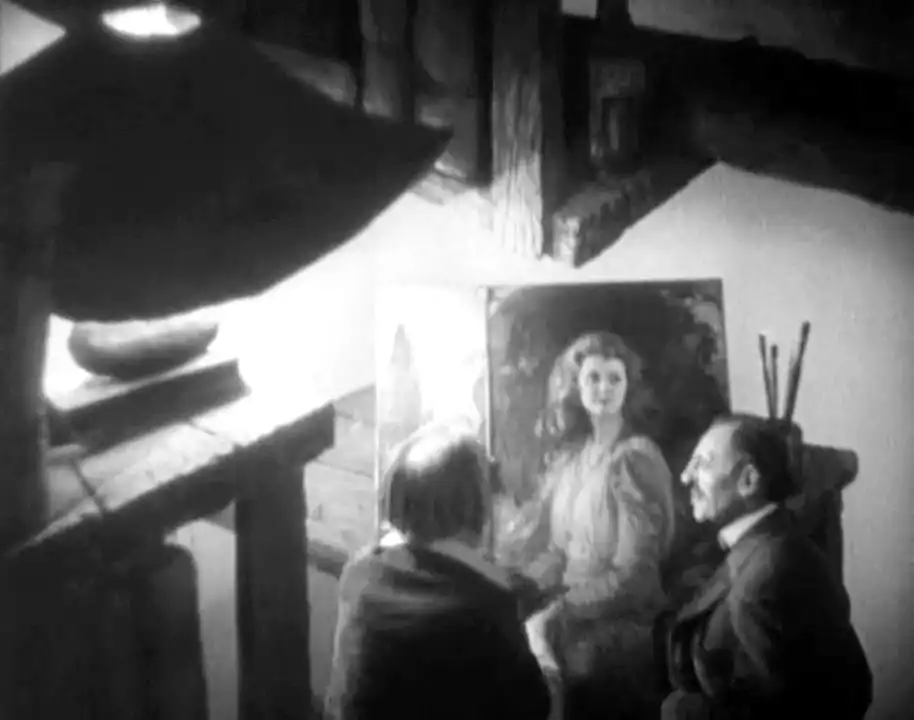
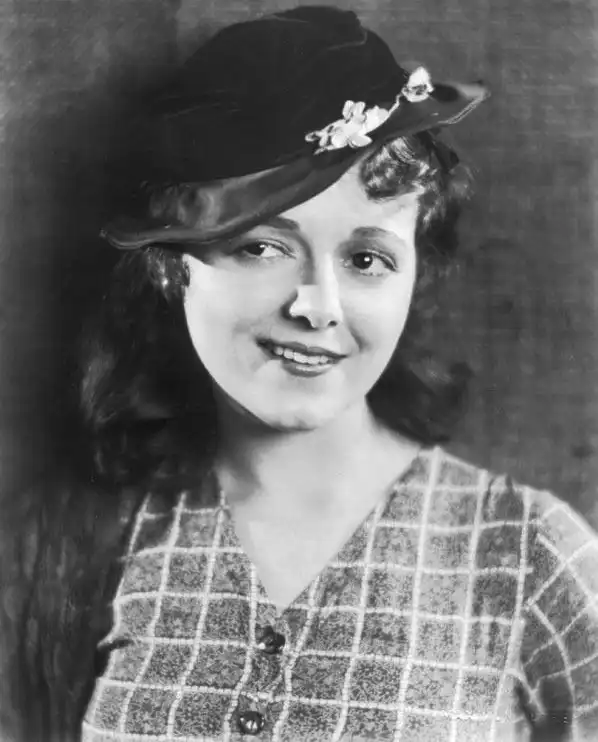
Janet Gaynor, fresh off her Oscar win for films like Sunrise: A Song of Two Humans, delivers a performance here that is often breathtaking in its silent intensity. As Angela, a woman on the run, her face becomes a canvas for every shade of desperation, hope, and eventual heartbreak. There’s a particular scene early on, after her escape, where she stares out from a crowded market, her eyes darting, conveying a profound sense of isolation amidst chaos. It’s a masterclass in silent film acting, avoiding histrionics for a deeper, more internal anguish that feels remarkably modern.
Charles Farrell, as the painter Gino, provides a charming, if sometimes less nuanced, counterpoint. Their chemistry is palpable, particularly in the quieter moments where they communicate through glances and gentle touches, a testament to their established on-screen partnership. However, there are instances, especially in his reaction shots during Angela's confessions, where his expressions feel a touch too broad, not quite matching the delicate vulnerability Gaynor projects. The supporting cast largely serves their dramatic purpose, with Helena Herman's turn as the stern landlady providing a memorable, if brief, moment of cruel authority.
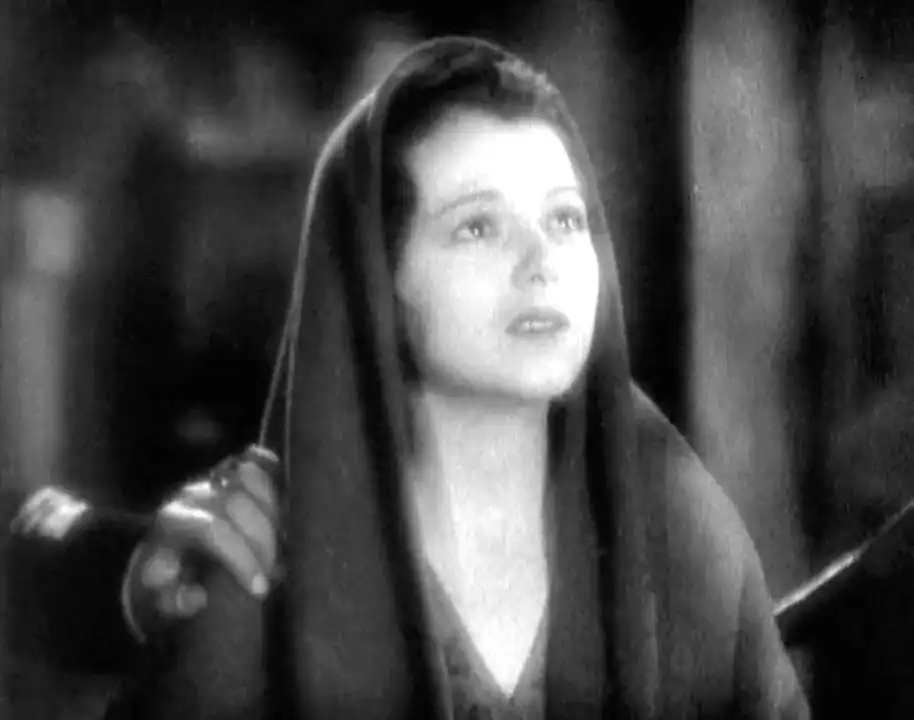
Borzage embraces melodrama wholeheartedly, and the film’s tone swings wildly from gritty realism to almost ethereal romance. The opening act, detailing Angela’s desperate circumstances in Naples, can feel drawn out. While these scenes establish her plight effectively, the narrative momentum occasionally stalls, burdened by a series of misfortunes that, though visually striking, begin to feel repetitive. The film finds its rhythm, however, once Angela meets Gino and their romance blossoms, creating a compelling emotional core that helps overlook some of the more protracted dramatic turns.
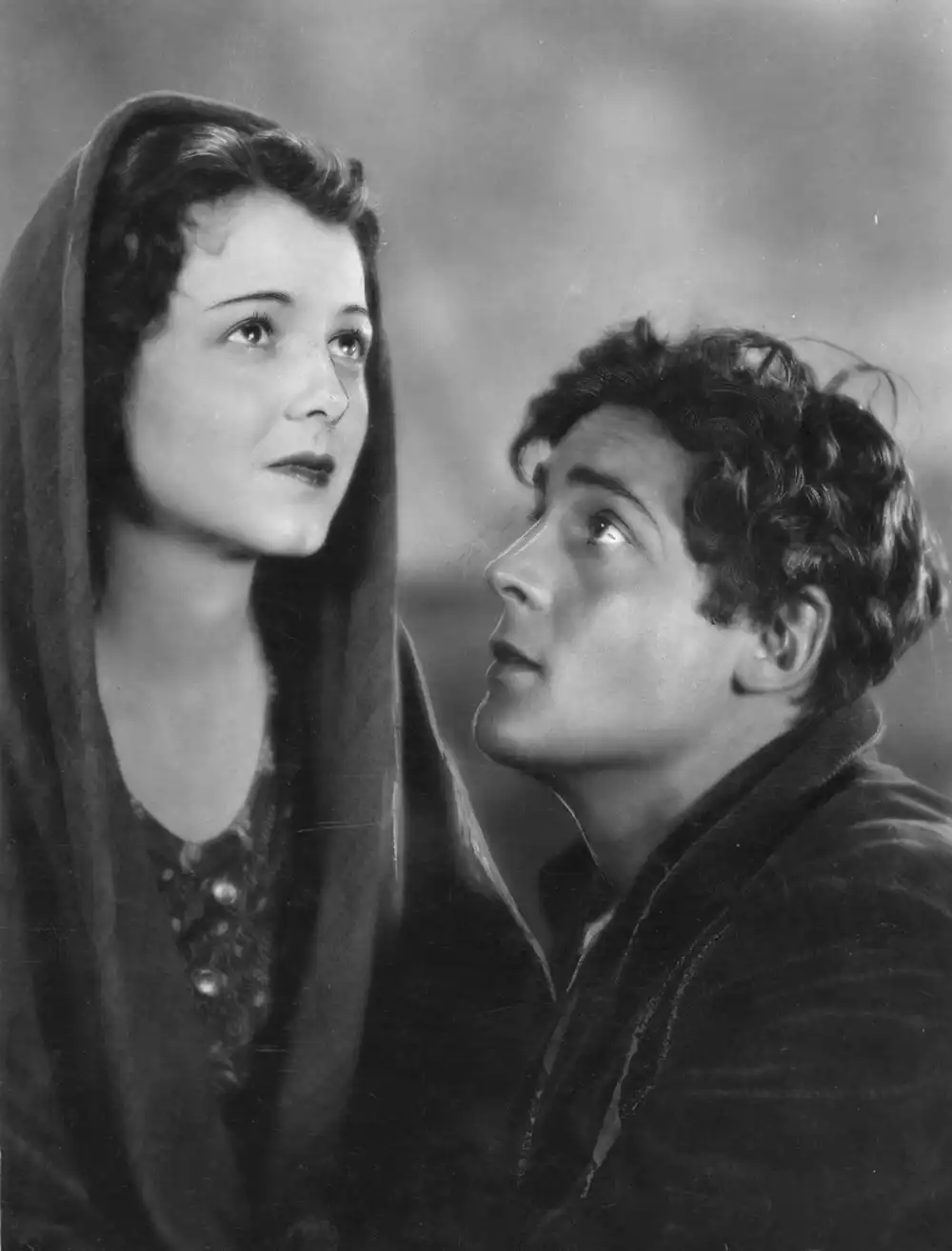
The pacing throughout is characteristic of its era, allowing for lingering reaction shots and extended sequences that might test contemporary attention spans. Yet, these moments often serve to build emotional weight, particularly in the film's second half as Angela grapples with her past. The dramatic irony sometimes feels heavy-handed, but it’s delivered with such earnest conviction that it rarely descends into camp.
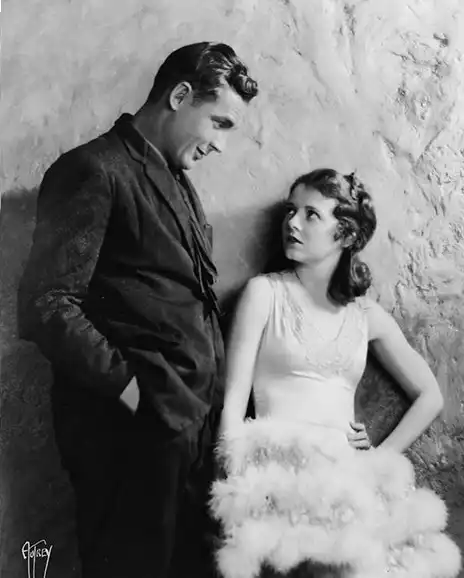
Borzage's direction is the film's undeniable triumph. He uses light and shadow with an almost painterly precision, creating compositions that are both beautiful and emotionally resonant. The early scenes in Naples are a masterclass in conveying atmosphere – the bustling crowds, the narrow, shadowed alleys, the stark sunlight on ancient stone. There’s a particularly memorable sequence where Angela is framed against a looming archway, her small, solitary figure emphasizing her isolation within a grand, indifferent city.
Later, with Gino, Borzage bathes them in a soft, almost dreamlike glow, visually elevating their love above their harsh reality. The visual storytelling often surpasses the narrative in its eloquence, making even mundane plot points feel significant through sheer aesthetic power. Whether it's the contrast between the vibrant street life and Angela's internal despair, or the ethereal quality of their shared moments, the cinematography by Ernest Palmer and Chester Lyons consistently impresses.
Ultimately, Street Angel is a film that rewards patience. It's a prime example of silent era melodrama at its most visually ambitious and emotionally charged. While its narrative conventions and pacing might feel antiquated to modern eyes, Borzage's artistry and Gaynor's luminous performance elevate it far beyond a mere historical curiosity. It’s a film that speaks to the enduring power of love amidst hardship, rendered with a visual poetry that still resonates. For those willing to immerse themselves in its world, Street Angel offers a profoundly moving, if occasionally challenging, cinematic experience. Highly recommended for silent film aficionados and students of classic Hollywood.
IMDb 5.6
1912
Community
Log in to comment.