DbcultAccessing Vault...
Cult Review
Senior Film Conservator
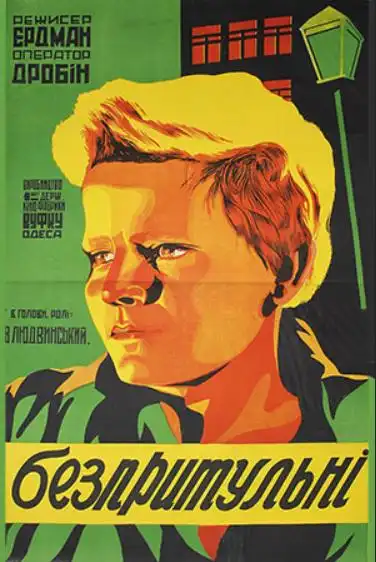
Okay, so “Street Kids” is not for everyone. If you’re a silent film enthusiast, or someone who digs deep into historical social dramas from way back, then yeah, give this a look.
It’s a stark, often uncomfortable watch about children struggling in early Soviet Russia. But if you need snappy dialogue or a neat, happy ending, you’ll probably want to skip this one. 😬
The movie opens right into the grim basement life of Vasya and his sister Ganusya, their father a constant, swaying presence. The way they just exist in that cramped, dark space, it really hits you. You feel the grime through the screen, almost.
That scene where the father gets into the brawl – it’s quick, messy, and then he’s just… gone. No big dramatic fanfare, just the sudden, brutal reality of it. The kids are left completely adrift.
Ganusya gets scooped up, sent to a children’s colony. Her journey feels almost parallel, yet separate, from Vasya’s. You see glimpses of a structured, if still hard, life.
Vasya, though, he drifts to the port. And this is where the film really settles in, following him as he tries to fit in with the other street children. They have their own code, their own way of surviving.
It's not exactly a warm embrace, more like an understanding.
There’s a scene, I keep thinking about, where Vasya is just watching the ships. He’s so small against the huge, grey backdrop of the harbor. You see the hope, or maybe just the longing, in his eyes. He’s not quite a kid anymore, not really.
The older boys, the ones who’ve been on the streets longer, they’re a mixed bag. Some are genuinely trying to look out for each other. Others, not so much.
There’s a particular kid, always with this _slight_ sneer, who you just know is trouble. His name wasn’t clear, but his face.
The director, or whoever was behind the camera, really knew how to frame these little faces. They’re so expressive, even without words. Vasili Lyudvinsky as Vasya, he carries so much with just a look. His eyes, man, they tell a story.
It’s a quiet film, naturally, being silent. But the way the scenes unfold, the sheer amount of detail in the background, you almost hear the sounds of the port. The gulls, the distant ship horns.
Sometimes the pacing feels a bit… uneven. You have these intense, quick bursts of action, then long stretches of just watching the kids live their day-to-day. Scrounging for food, huddling for warmth.
It’s not a narrative with a clear arc, more like a slice of life. A very tough slice.
The movie doesn’t sugarcoat anything. The “elimination of child homelessness” isn’t presented as some easy fix. It’s hard work, messy, and the system, while trying, still feels distant from the individual child. Ganusya’s experience in the colony isn’t exactly a fairytale.
I liked how it didn’t feel preachy, though. It just showed you. Here are these lives. This is what it was like. No big speeches. Just the struggle.
The ending, it’s not neat. It leaves you hanging a bit. Which, honestly, felt more real. Life for these kids wouldn’t just suddenly become perfect. It’s more of an ongoing fight.
This movie is a window. A grimy, smudged window, but a window all the same, into a time and a problem that was clearly huge. It makes you think about Les deux gamines in a different light, though that one was much more melodramatic. “Street Kids” feels much more grounded, despite its age.
One detail that stuck with me: the way Vasya carefully guards a piece of bread he finds. It’s such a small, desperate act, but it speaks volumes about his world.
The sheer number of children running around in some shots felt a bit overwhelming. Like, where did they all come from? And where did they all go?
It’s not trying to be epic. It’s just trying to be honest, I think. And for that, it succeeds pretty well. Even if it’s not a fun watch.
Definitely not for a casual Friday night flick. This is more of a historical document with a beating heart. A little rough around the edges, sure, but authentic.

IMDb 5.2
1923
Community
Log in to comment.