DbcultAccessing Vault...
4.1/10
Senior Film Conservator
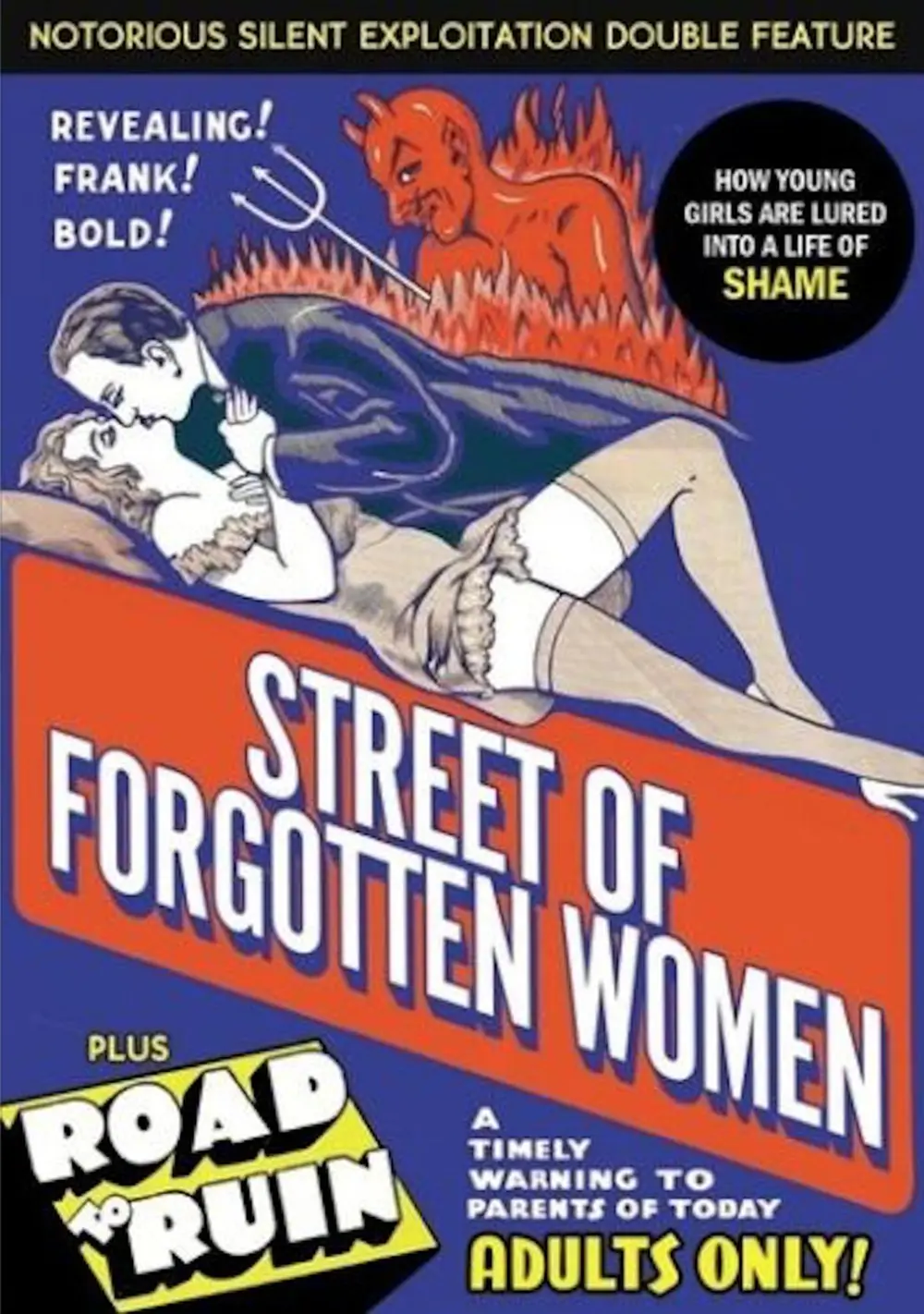
A definitive 4.1/10 rating for a film that redefined the boundaries of cult cinema. Street of Forgotten Women remains a cornerstone of transgressive art.
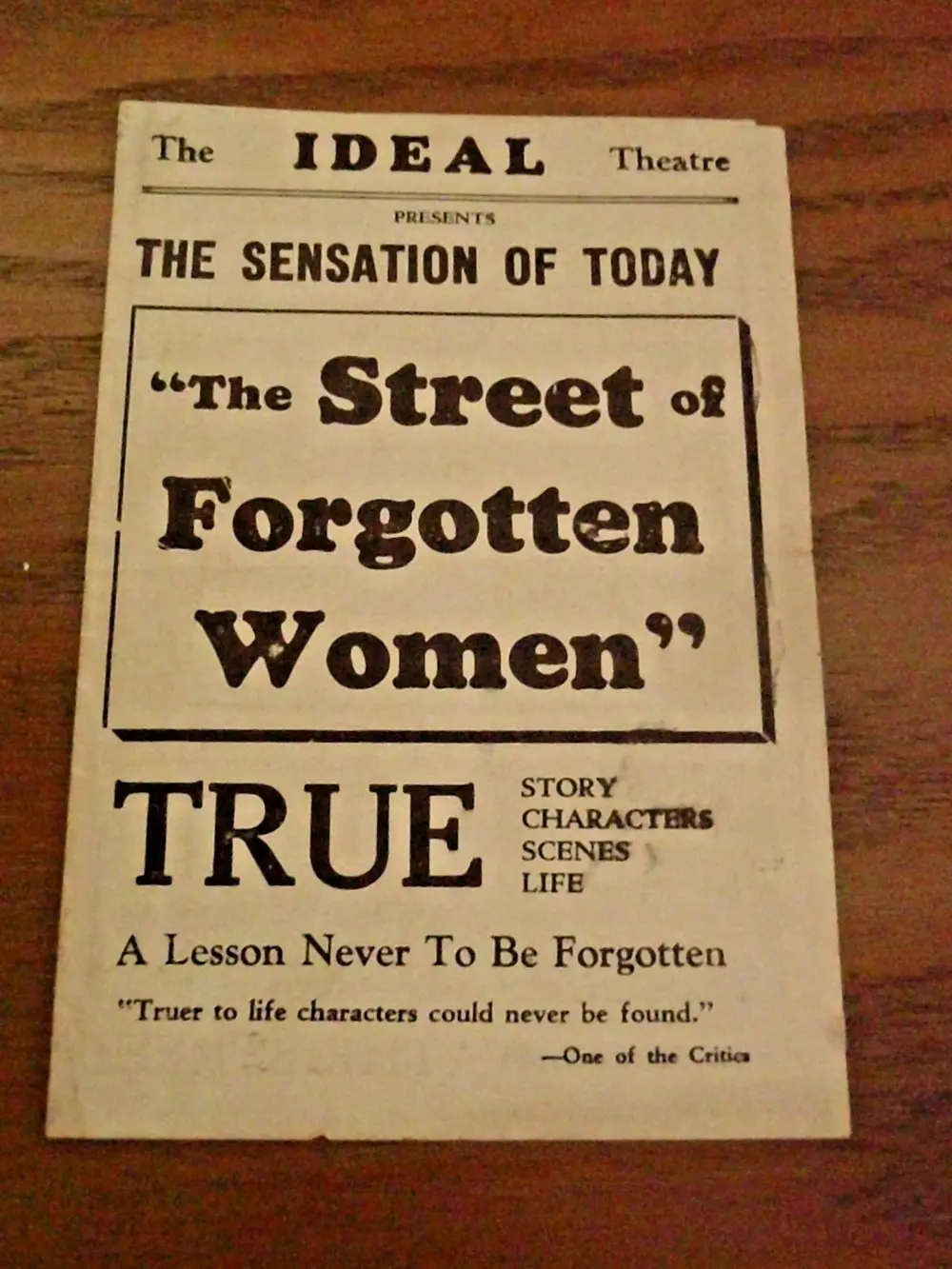
Is Street of Forgotten Women worth watching today? Short answer: No, unless you are a cinema historian or a glutton for pre-Code morality plays. This film is specifically for those who want to see how the 1920s handled 'social hygiene' themes, but it is definitely not for anyone seeking a nuanced or uplifting evening of entertainment.
Street of Forgotten Women is a difficult watch for the modern viewer. It is a film that functions more as a lecture than a narrative. If you are interested in the evolution of the 'fallen woman' trope in early cinema, it provides a fascinating, if depressing, data point. However, as a piece of storytelling, it feels dated and aggressively cynical.
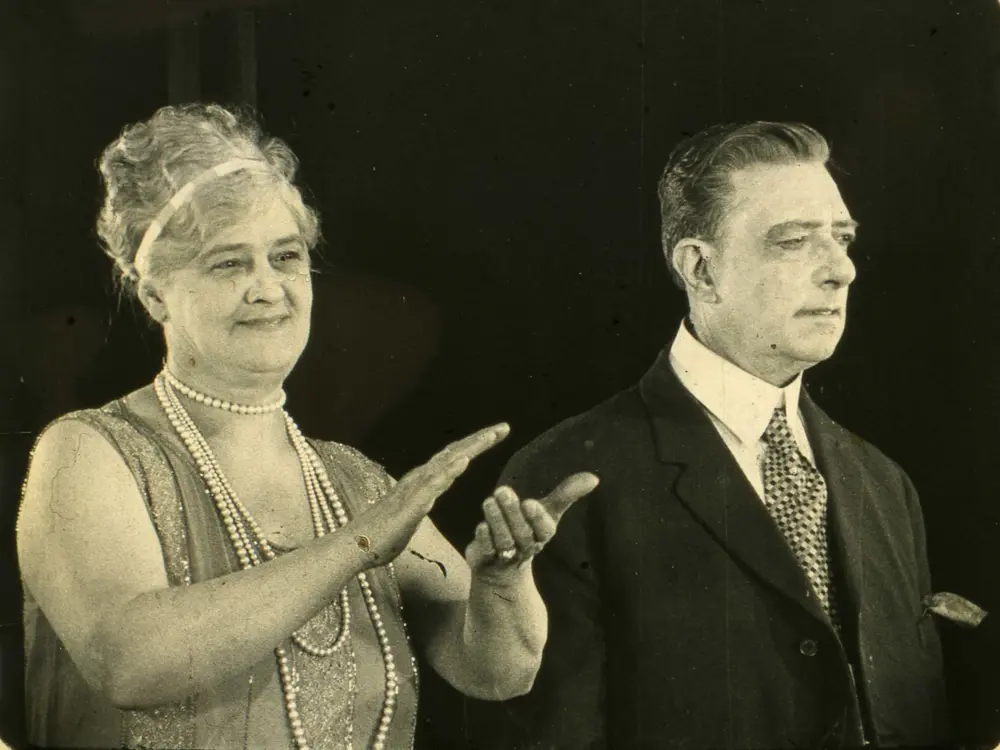
1) This film works because it captures the genuine anxiety of the era regarding female independence and the dangers of the 'big city.'
2) This film fails because its protagonist, Grace Fleming, is given so little agency that her downfall feels forced rather than tragic.
3) You should watch it if you have already exhausted more famous silent dramas like The Silence of Dean Maitland and want to see the darker side of 1920s social commentary.
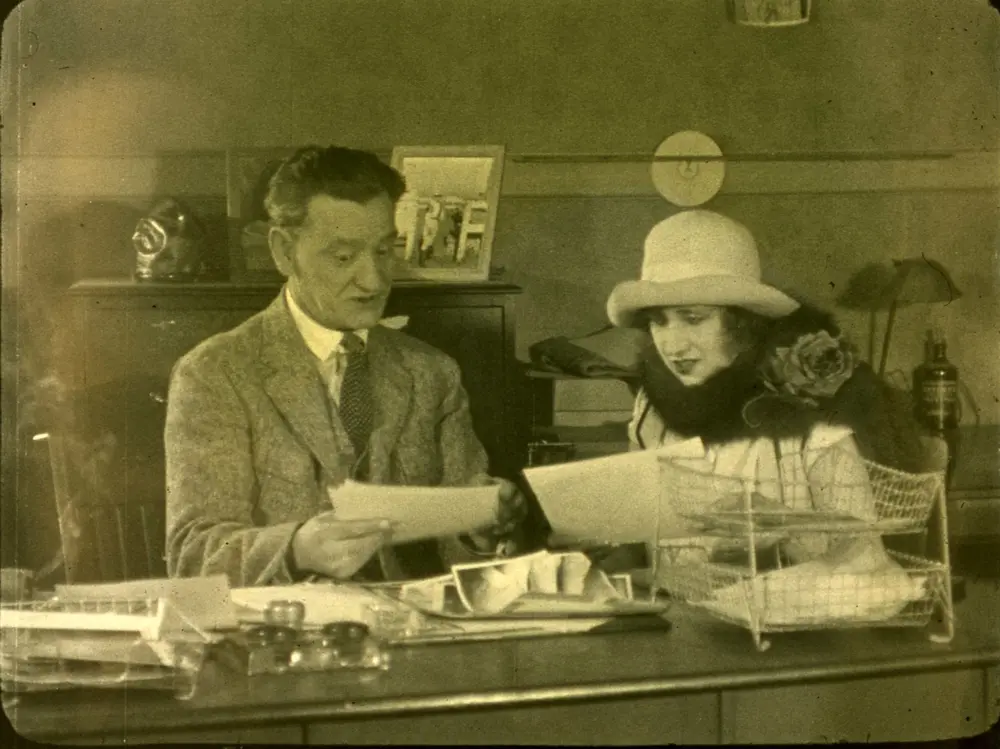
The film opens with the bright lights of high society, but the shadows are already encroaching. Grace Fleming is introduced not as a hero, but as a mark. Norton S. Parker, who both directed and appeared in the film, doesn't waste time with subtlety. The theater manager who recruits Grace is a caricature of industry greed. He doesn't just want her talent; he wants her bank account. This setup is a recurring theme in silent cinema, often seen in films like So This is Eden, where the lure of the stage is equated with moral ruin.
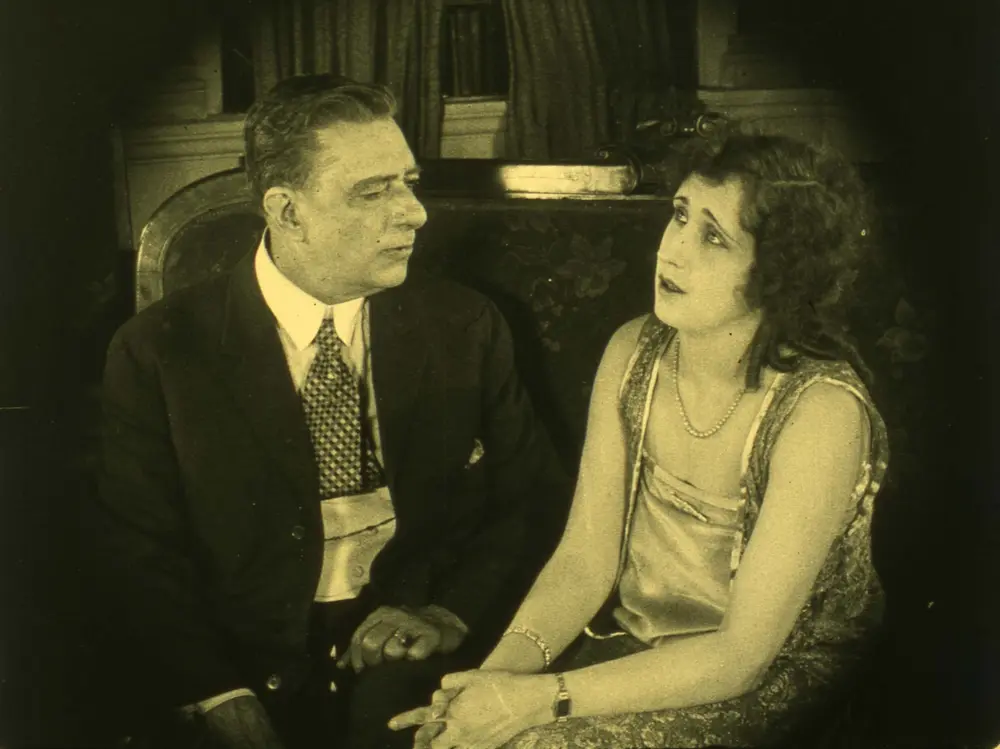
The failure of the stage show is handled with a bluntness that is almost jarring. There is no slow decline; it is a total collapse. Grace’s reaction—choosing the streets over the embarrassment of returning home—speaks volumes about the rigid social structures of 1927. In her mind, poverty is preferable to public shame. This is where the film takes its darkest turn. The transition from debutante to 'forgotten woman' is marked by a shift in cinematography. The lighting becomes harsher, the sets more cramped, and the overall tone turns into a slog of misery.
Norton S. Parker’s direction is functional but lacks the visual flair of his contemporaries. While films like Le rêve experimented with dreamlike aesthetics, Street of Forgotten Women stays grounded in a gritty, almost documentary-like realism that borders on the exploitative. Parker seems less interested in Grace’s internal struggle and more interested in the 'scandalous' nature of her profession. The camera lingers on her distress in a way that feels designed to elicit gasps from a 1920s audience rather than empathy.
The acting is typical of the late silent era—broad gestures and intense facial expressions. In the scene where Grace realizes her money is gone, the performance is so over-the-top that it loses its emotional weight. It becomes a spectacle of grief. Compare this to the more restrained performances in Cheated Hearts, and you’ll see why this film hasn’t aged as well. It’s loud, even without sound.
When looking at other films of the period, such as Open Your Eyes, there is a clear trend of using cinema as a tool for moral instruction. Street of Forgotten Women fits perfectly into this niche. However, it lacks the redemptive arc found in The Conquest of Canaan. In that film, characters are allowed to recover from their mistakes. Here, Grace Fleming is essentially discarded by the narrative once she hits the bottom. It is a brutal, uncompromising stance that makes the film feel particularly mean-spirited.
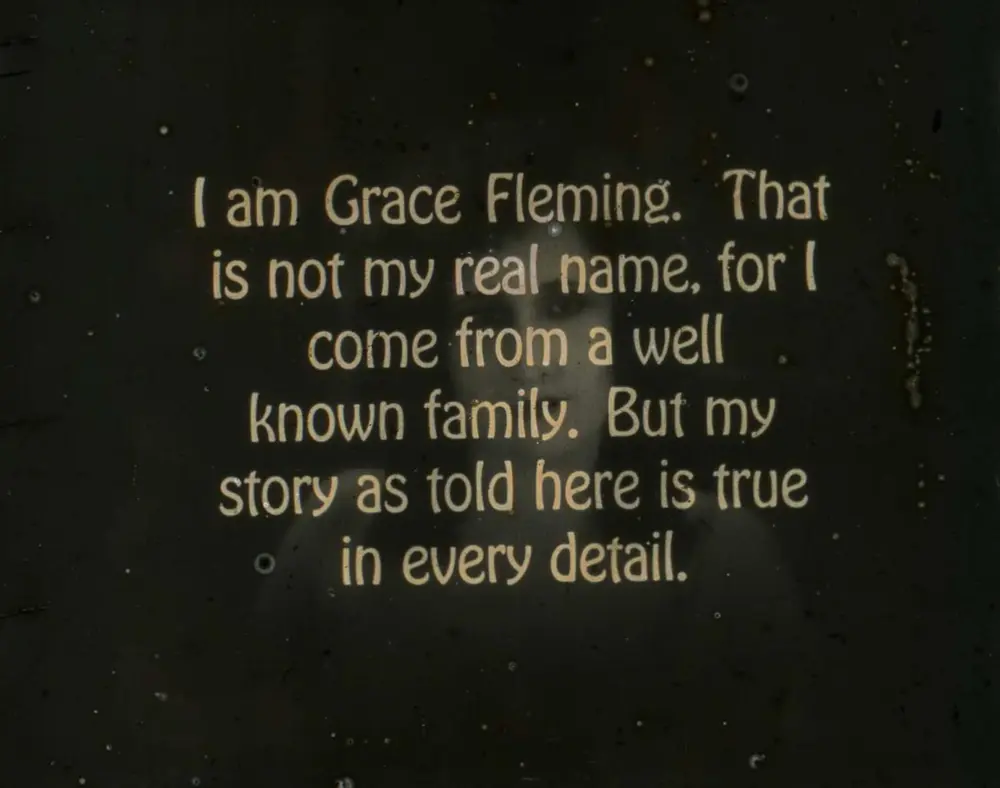
The film’s pacing is another hurdle. The middle section, detailing Grace’s initial struggles in the city, drags significantly. We spend too much time watching her walk through rain-slicked streets and not enough time understanding why she doesn't just call her family. The 'shame' is explained in intertitles, but it isn't felt in the performance. It’s a gap that modern audiences will find hard to bridge.
Pros:
The film serves as a preserved time capsule of 1920s urban anxieties. Some of the location shooting provides a rare look at the less-glamorous side of the decade. The villainous theater manager is played with a sleazy energy that is legitimately effective.
Cons:
The plot is predictable from the first five minutes. The moralizing is heavy-handed and lacks any sense of nuance. The female lead is denied any real intelligence, making her downfall feel like a foregone conclusion rather than a tragedy. It is often repetitive and emotionally exhausting without the payoff of a meaningful message.
Here is a debatable opinion: The film actually wants us to dislike Grace Fleming. While it presents itself as a tragedy, the narrative framing suggests her vanity was a sin that required this level of punishment. In an era where Monkeys Prefer Blondes offered a lighter take on the chorus girl life, Street of Forgotten Women feels like a direct, angry rebuttal. It’s not just a story about a woman who failed; it’s a story about a woman who dared to want more than her station allowed and was broken for it. This makes the film a fascinating piece of propaganda for traditional values.
"The street does not forgive, and the city does not remember." — A thematic sentiment that echoes throughout the final, dreary act of the film.
Technically, the film is a mixed bag. The interior sets of the Fleming household are well-appointed, showing the wealth Grace is throwing away. But the theater scenes feel cheap. This might be intentional—to show the 'sham' of the production—but it often just looks like a low-budget film trying to hide its constraints. Compared to the lavishness of Disraeli, this is a much smaller, grittier production.
The editing is choppy. Transitions between Grace’s life of luxury and her life of poverty happen with a jarring speed that doesn't allow the emotional weight to sink in. One moment she’s in silk, the next she’s in rags. It’s effective as a shock tactic, but poor as a narrative progression. It’s clunky. But it works as a gut punch.
Street of Forgotten Women is a grim relic. It is a film that exists to wag a finger at the audience, warning them of the dangers of ambition and the fragility of social standing. While it has some historical value, it lacks the artistic depth to be considered a classic. It is a slog of a movie that punishes its characters and its audience in equal measure. If you want a lesson in 1920s morality, watch it. If you want a good movie, look elsewhere. It is a relic of a bygone era that is best left on the shelf. It’s a tragedy, but not in the way the filmmakers intended.
IMDb —
1924
Community
Log in to comment.