DbcultAccessing Vault...
6.9/10
Senior Film Conservator
A definitive 6.9/10 rating for a film that redefined the boundaries of cult cinema. Street of Sin remains a cornerstone of transgressive art.
If you have a soft spot for late-period silent films where the sets look like they’re made of damp cardboard and the lighting is doing 90% of the acting, Street of Sin is worth an hour or so of your time. It’s not a masterpiece, and honestly, if you can’t stand Emil Jannings doing his 'overgrown infant with a temper' routine, you’re going to find this pretty grating. But for anyone who likes seeing the early DNA of noir—all those long, greasy shadows and characters who seem to live in perpetual midnight—it’s got a weird, heavy charm.
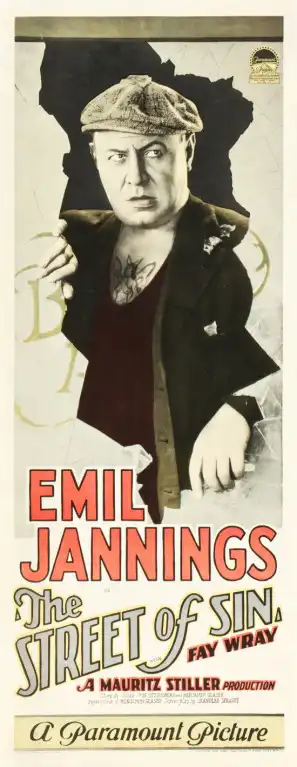
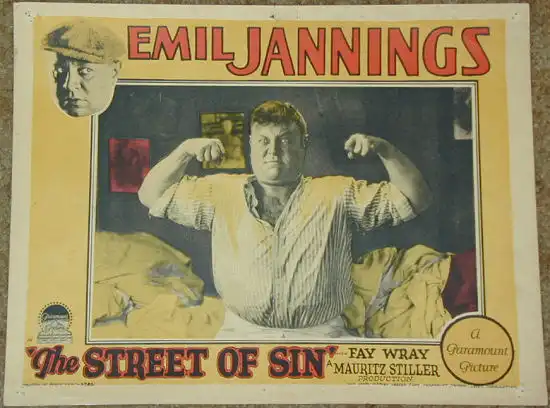
The whole thing takes place in a version of Soho that only existed on a Hollywood backlot. It’s perpetually foggy, but not like real fog; it looks like someone was just off-camera pumping a bellows full of mineral oil. Emil Jannings plays Basher Bill. He’s a burglar, and he’s exactly as subtle as that name suggests. He lumbers around the frame like a bear that’s been woken up too early. There’s a specific moment where he’s eating bread and he looks like he’s trying to punish the crust for existing. It’s classic Jannings—everything is physical, everything is a bit too much.
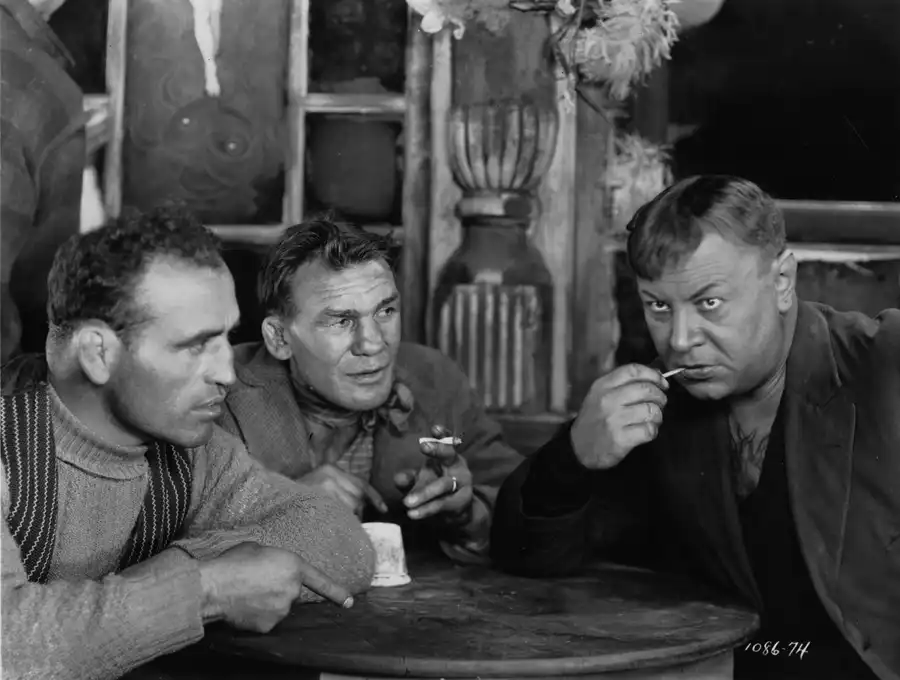
Then you have Olga Baclanova as Annie. She’s great. She has this way of leaning against a doorframe that makes her look like she’s already bored with whatever Bill is about to say. Her makeup is thick, her hair is a mess, and she looks genuinely lived-in. When she gets jealous of the 'virtuous' girl, she doesn't just act angry; she looks like she’s curdling from the inside. It’s a much more interesting performance than what Fay Wray is asked to do as the Salvation Army lass, Elizabeth.
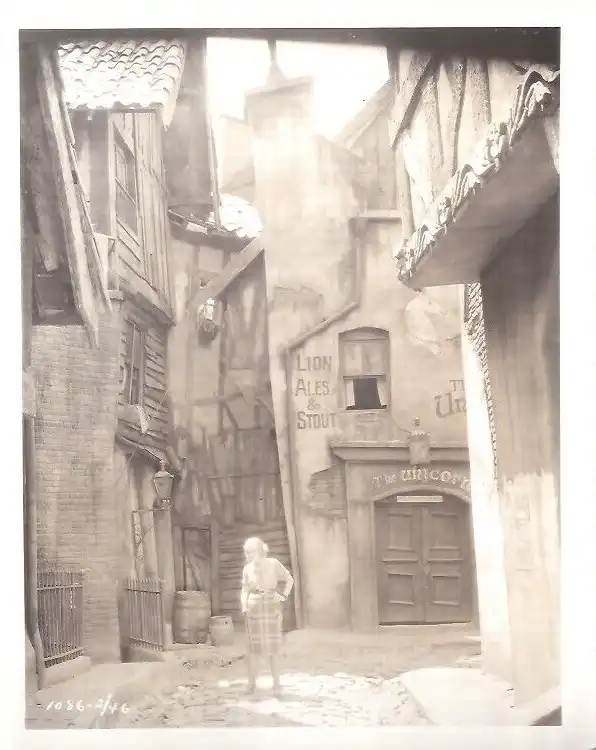
Fay Wray is fine, I guess. She’s there to be the light, literally. Every time she enters a scene, the lighting shift is so aggressive it’s almost funny. She’s glowing, and everyone else is covered in soot. There’s this scene where she’s trying to 'save' Bill, and the camera stays on her face for a beat too long. You can see her trying to hold this expression of pure, angelic concern, and it starts to look like she’s just forgotten her next move. It’s one of those silent film moments where the sincerity is so high it circles back around to being awkward.
The pacing is a bit of a slog in the middle. There’s a lot of walking through foggy alleys. A lot. You start to notice the background extras doing the same loops. One guy in a flat cap passes a lamp post about three times in five minutes. It’s that kind of movie. It reminds me a bit of the atmosphere in Outcast, where the environment feels like it's pressing in on the characters, though this is much grimmer.
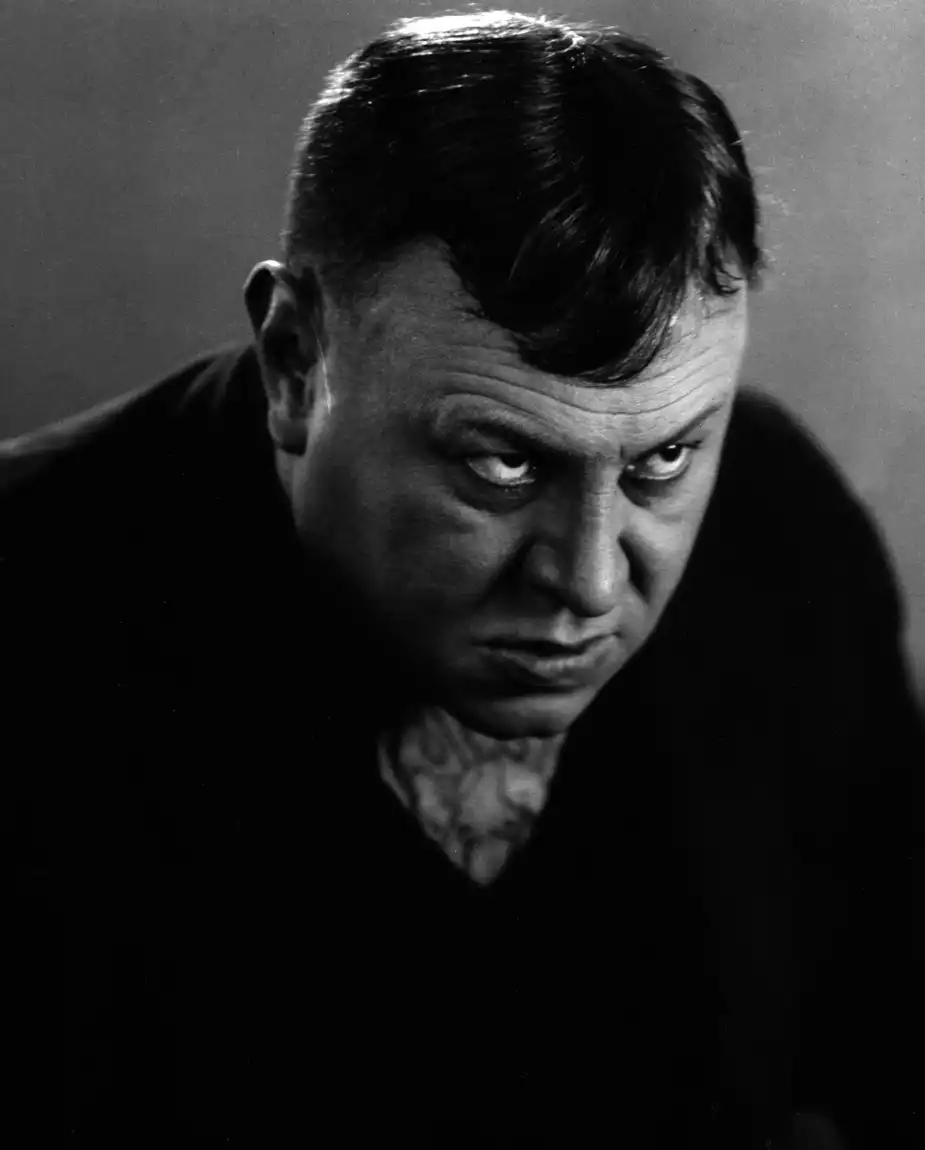
I found myself staring at the costumes more than the plot. Bill’s coat looks like it weighs fifty pounds and has never been dry. The contrast between his bulk and the tiny, cramped rooms they live in makes the whole movie feel claustrophobic in a way that actually works for the story. It makes his 'redemption' feel less like a spiritual awakening and more like he just wants to get out of a small, smelly room.
There’s a weird tonal shift toward the end involving some kids that feels like it belongs in a completely different movie. It gets sentimental in a way that feels unearned, especially after an hour of Bill being a genuine monster to everyone around him. The movie tries to convince you he’s changed because he looked at a uniform, but I wasn't really buying it. I was mostly just waiting for Baclanova to come back on screen and ruin someone’s day.
The editing is jumpy in spots, probably because of how many hands were on this during production. Stiller started it, von Sternberg messed with it, and you can tell. Some cuts feel like they’re missing a few frames of transition, making characters suddenly appear six feet from where they just were. It gives the whole thing a jittery, nervous energy that probably wasn't intentional but fits the Soho-underworld vibe anyway.
Is it a 'profound' look at crime? No. It’s a melodrama about a big guy who feels bad for a second. But those shadows? Those are incredible. If you’re just there for the visuals and Baclanova’s sneer, you’ll have a good time. If you want a tight plot, maybe go watch something else.
IMDb —
1921
Community
Log in to comment.