DbcultAccessing Vault...
8.1/10
Senior Film Conservator
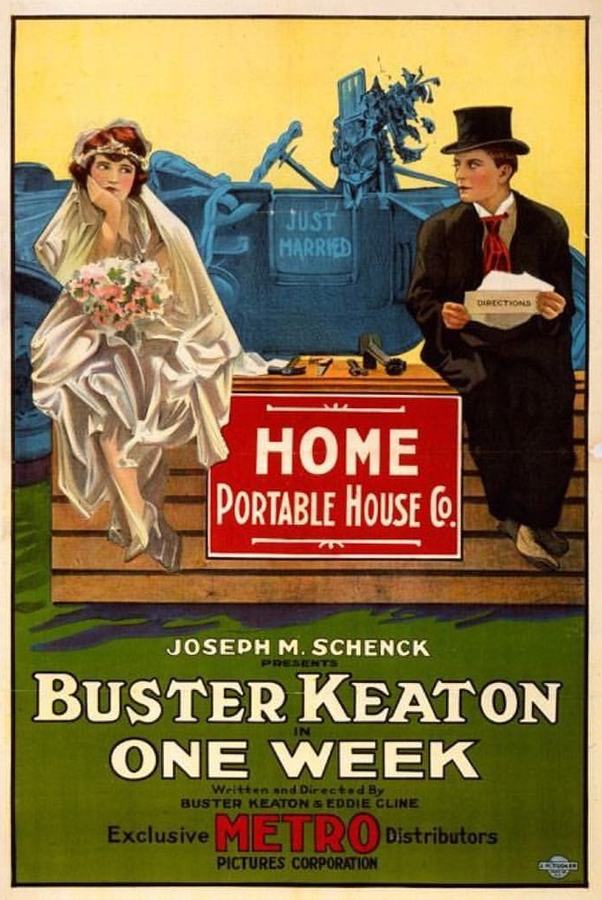
A definitive 8.1/10 rating for a film that redefined the boundaries of cult cinema. One Week remains a cornerstone of transgressive art.
One Week opens with a brisk montage of a bustling factory floor, where wooden panels are stamped, labeled, and boxed. The camera lingers on the neat rows of numerals, each a promise of order and efficiency. When the newlywedded pair—played with earnest optimism by Buster Keaton and Sybil Seely—receive their kit, the audience is invited into a world where modernity claims to simplify the most intimate of human endeavors: building a home.
The film’s premise, however, is swiftly subverted. A rival contractor, unseen but implied through a sly glance, has rearranged the component numbers. What should be a straightforward assembly becomes a chaotic choreography of mis‑fitted beams, inverted doors, and a roof that threatens to collapse at any moment. This narrative twist transforms a domestic project into a visual metaphor for the precariousness of post‑war aspirations.
Keaton’s performance is a masterclass in restrained physicality. His face remains impassive, a stone‑cold mask that accentuates the absurdity unfolding around him. As the couple wrestles with a wall that refuses to stand, Keaton’s limbs become extensions of the set itself—he slides under a collapsing beam, balances on a teetering ladder, and ultimately uses a mis‑aligned door as a makeshift bridge. Each gag is timed with the precision of a metronome, yet the underlying rhythm feels organic, as if the house itself were dictating the tempo.

The brilliance lies in Keaton’s ability to convey narrative without uttering a word. The audience perceives the growing frustration, the dawning realization of sabotage, and the eventual triumph through a series of meticulously staged tableaux. This silent eloquence aligns him with contemporaries such as Charlie Chaplin, yet Keaton’s brand of comedy is distinct—rooted in engineering, geometry, and an almost reverent respect for the physical world.
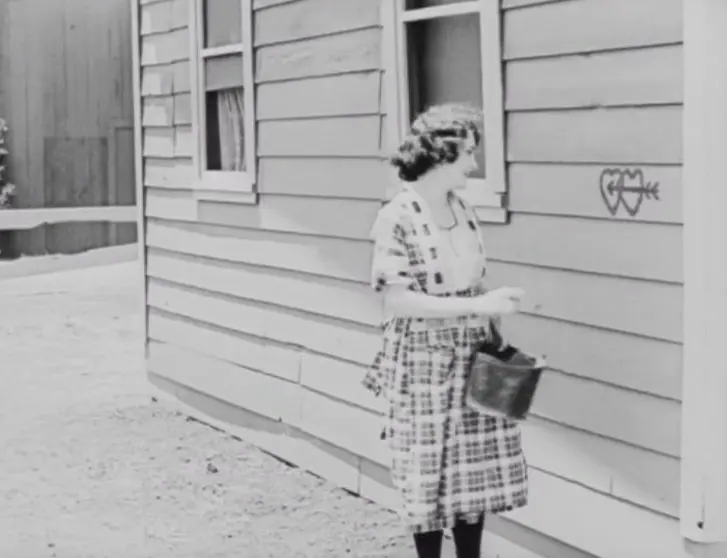
While Keaton’s stoic hero often dominates discussions, Sybil Seely’s portrayal of the wife deserves equal admiration. She oscillates between exasperated sighs and decisive action, wielding a hammer with surprising vigor. In one memorable sequence, she re‑orients a mis‑labeled wall panel, her movements crisp and purposeful, embodying the film’s subtle feminist undertone: the domestic sphere, though traditionally feminine, can be reclaimed through agency.
Seely’s chemistry with Keaton is palpable; their silent exchanges—glances, half‑smiles, a shared shrug—create a relational depth that transcends the slapstick veneer. Their partnership mirrors the collaborative nature of construction itself, where each participant’s contribution is vital.
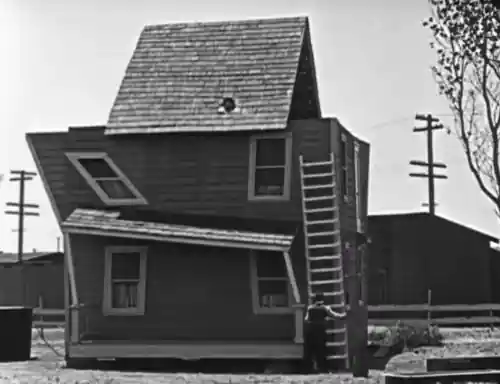
One Week adheres to a three‑act structure, yet each act is punctuated by a cascade of set‑pieces that feel both episodic and cohesive. The first act establishes the idealistic premise; the second escalates the chaos through a series of escalating mishaps; the third resolves the conflict with a triumphant, albeit improvised, completion of the house. The pacing is relentless—no moment lingers longer than necessary, and each gag builds upon the previous, creating a cumulative sense of momentum.
The film’s climax, where the roof finally settles into place, is both a visual and thematic payoff. The couple steps onto their newly erected porch, the sun setting behind them, a tableau that whispers of perseverance amidst engineered adversity.
Edward F. Cline’s co‑direction with Keaton yields a visual language that is both pragmatic and poetic. The camera often adopts a static, almost documentary stance, allowing the physical comedy to unfold within a meticulously composed frame. When the house collapses, the camera pans with a gentle, deliberate motion, ensuring the audience can trace each falling piece.
The set design deserves special mention. The prefabricated kit is a character in its own right—its wooden planks gleam with a lacquered sheen that contrasts sharply against the black‑and‑white film stock, emphasizing the materiality of the construction process. The deliberate use of shadows accentuates the tension between order (the numbered panels) and chaos (their mis‑arranged assembly).
One Week can be read as a satire of the rapid industrialization that defined the early 1920s. The prefabricated house, a symbol of efficiency, becomes a source of disorder when human malice interferes. This theme reverberates in later works such as The Painted World, where the veneer of artistic creation masks underlying turmoil.
Moreover, the film anticipates the modernist critique of mass production found in High Speed. While High Speed glorifies speed and mechanization, One Week exposes the fragility of those very systems when they are subverted.
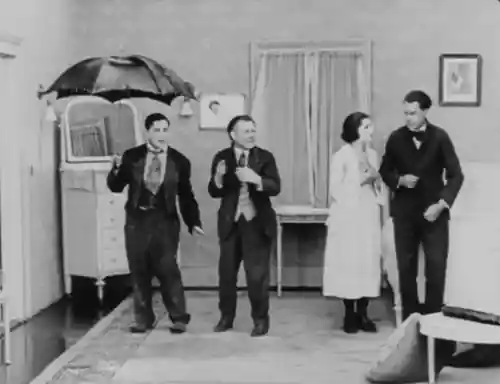
The rivalry subplot also echoes the undercurrents of jealousy present in Ansigttyven I, where personal vendettas manifest through sabotage, albeit in a different narrative arena.
Keaton’s influence on physical comedy cannot be overstated. The meticulous choreography of construction mishaps in One Week prefigures later set‑piece extravaganzas such as They’re Off, where the environment becomes an active participant in the comedic narrative. The film also informs contemporary directors who employ architecture as a narrative device, from Wes Anderson’s symmetrical houses to the kinetic set pieces of Edgar Wright.
The film’s legacy extends beyond comedy; its commentary on consumer culture anticipates the critiques of later auteurs like Jacques Tati, whose Whose Baby Are You? similarly interrogates the relationship between modernity and the domestic sphere.

Upon its release, One Week garnered both critical acclaim and popular admiration. Contemporary reviews praised its “inventive use of the house as a playground for slapstick” and lauded Keaton’s “unflinching dedication to the craft of physical humor.” Over the decades, scholars have repositioned the film within the broader discourse of American modernity, citing it as an early cinematic exploration of the tensions between standardization and individuality.
The film’s preservation status remains robust, with restored prints available through major archives. Its inclusion in retrospectives alongside works such as The Ivory Snuff Box underscores its enduring relevance.
One Week stands as a testament to Buster Keaton’s genius for transforming mundane tasks into monumental spectacles. The film’s blend of technical precision, narrative economy, and thematic depth ensures its place not merely as a relic of silent cinema but as a living blueprint for how comedy can interrogate societal structures while delivering relentless amusement. For anyone seeking to understand the evolution of slapstick, architectural metaphor, or the silent era’s capacity for sophisticated storytelling, One Week remains an indispensable study.
IMDb —
1920
Community
Log in to comment.