DbcultAccessing Vault...
5.9/10
Senior Film Conservator
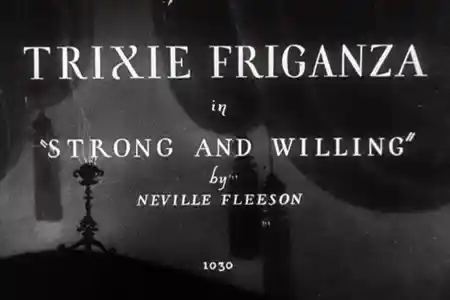
A definitive 5.9/10 rating for a film that redefined the boundaries of cult cinema. Strong and Willing remains a cornerstone of transgressive art.
If you have about eight minutes to kill and want to feel like you have been transported back to a dusty theater in 1930, Strong and Willing is worth a look. It is definitely for people who like weird old stuff or history buffs. If you hate static cameras and people yelling songs at you, stay far away.
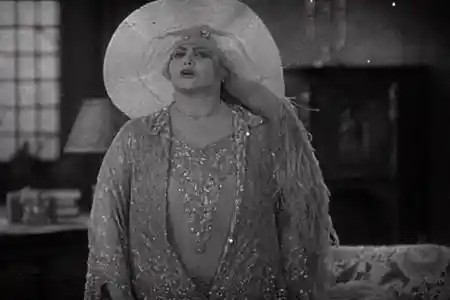
Trixie Friganza is the star here. She was a big deal in Vaudeville, and you can really tell why because she has this energy that kind of scares the camera.
The whole thing is just her standing there. She sings this song called "Rosie O'Kerry." Then she does it again. And again.
But each time, she changes her voice. She does an Irish version, then an Italian version, then a Jewish version. It is all very 1930s, which means some of the accents are pretty thick and might make you squint a little today.
I noticed that the backdrop looks like it was painted about five minutes before they started filming. It is just a simple stage setup, which makes the whole thing feel very small and personal.
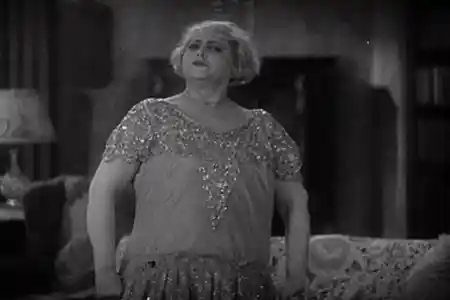
Her facial expressions are the best part. She pulls these wild faces that actors today just don't do anymore. It is like her whole face is made of rubber.
The movie does not really have a plot. It is just a performance capture.
There is a moment where she switches hats, and it is so fast it almost feels like a magic trick. I had to rewind it once to see if she dropped anything.
Compared to something like Noisy Noises, this feels much more focused on a single person. Trixie doesn't need a bunch of props or a big cast to hold your attention.
It is actually kind of refreshing. No fast cuts. No special effects. Just a woman and her lungs.
The audio is a bit scratchy, which is expected for a Vitaphone short from this era. Sometimes her high notes get a little distorted and it sounds like a tea kettle going off.
I found myself wondering what the cameraman was thinking. He just stands there and lets her do her thing. It is very different from the big, dramatic style of something like Queen Kelly which came out around the same time.
It is not a masterpiece. It is barely even a movie in the way we think of them now.
But there is something very human about it. You can see the sweat. You can see her timing her breaths.
If you've seen other shorts from this period, like Peter's Pants, you know how hit-or-miss they can be. This one hits because Trixie is just so willing to look silly for a laugh.
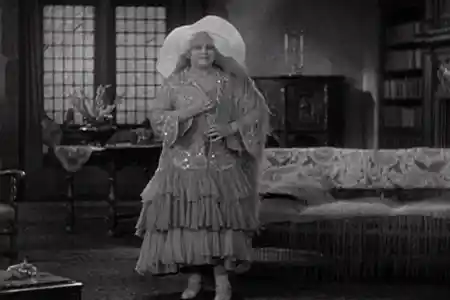
I think the title is perfect. She is definitely strong. And she is definitely willing to do anything to keep the audience from falling asleep.
One thing that bothered me was the lighting. It is very flat. It makes her look a bit like a ghost in some of the wider shots.
Still, for a 1930 short, it is surprisingly fast-paced. It doesn't overstay its welcome.
It is a lot more fun than the heavy drama of A Life for a Life, even if it is much lighter on substance. Sometimes you just want to see a lady do funny voices for ten minutes.
The ending is a bit abrupt. She finishes her last bit, bows, and that is it. No credits, no nothing.
It feels like someone just turned off the lights and went home. Which, honestly, is how I feel after a long day too.
She keeps adjusting her sleeves when she thinks the camera isn't looking closely.
The piano player is totally invisible but they are doing some heavy lifting back there.
The Irish accent is way better than the other ones. You can tell that was her favorite.
It is a neat little slice of history. It isn't going to change your life, but it might make you smile if you like the old-school charm.
IMDb —
1920
Community
Log in to comment.