DbcultAccessing Vault...
Cult Review
Senior Film Conservator
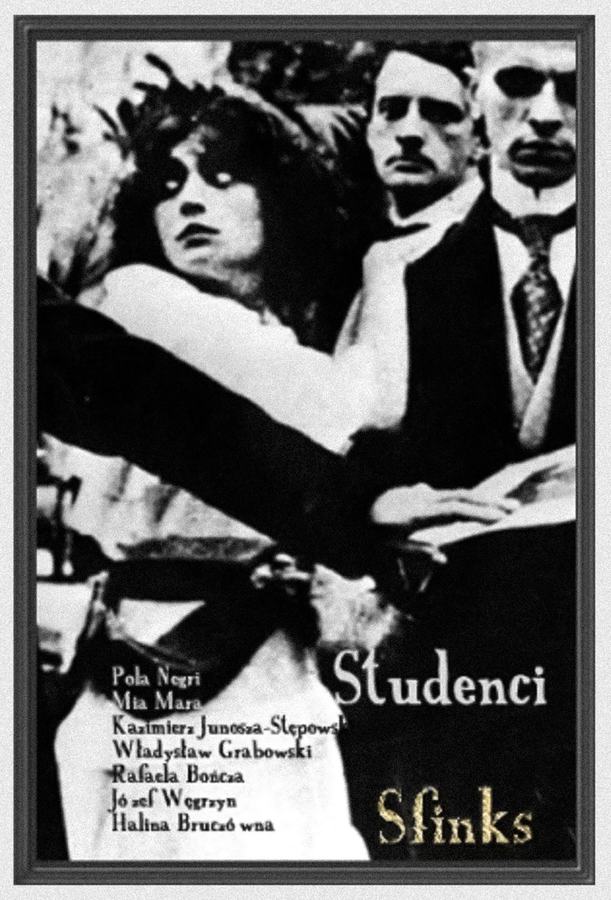
Stepping back into the hallowed halls of early 20th-century Polish cinema, one invariably encounters films that, despite the ravages of time and the limitations of their medium, resonate with an astonishing vitality. Among these cinematic treasures, 'Studenci' stands as a poignant testament to youthful ambition, societal friction, and the eternal quest for self-discovery. This isn't merely a film; it's a meticulously crafted time capsule, offering a window into the intellectual ferment and emotional turbulence that defined a generation on the cusp of profound change. Its narrative, while perhaps appearing straightforward on the surface, unravels with layers of social commentary and psychological depth that demand careful consideration from the modern viewer.
'Studenci' orchestrates a compelling symphony of characters, each grappling with their own unique set of circumstances and desires. At its core, the film explores the intricate dance between individual dreams and the formidable pressures of social class, academic rigor, and burgeoning political consciousness. We are introduced to Janek, a character whose fervent idealism and intellectual prowess are palpable even without spoken dialogue. His journey, fraught with economic hardship, becomes a powerful symbol of the broader struggle faced by many brilliant minds from less privileged backgrounds. The film masterfully employs visual storytelling to convey his internal conflicts, his furrowed brow and determined gaze speaking volumes about the weight he carries.
Then there is Zofia, brought to life with an incandescent spirit by the remarkable Halina Bruczówna. Bruczówna’s portrayal of Zofia is nothing short of revelatory, capturing the nascent stirrings of feminist thought within a society still largely bound by patriarchal norms. Her character is a beacon of intellectual curiosity and an advocate for social justice, challenging conventions with a quiet defiance that is utterly captivating. Bruczówna imbues Zofia with a blend of vulnerability and unwavering conviction, making her a truly memorable figure whose struggles for autonomy and professional recognition feel remarkably contemporary. Her expressive eyes and resolute posture communicate a depth of character that transcends the silent screen, making her aspirations feel deeply personal and universally resonant.
No discussion of 'Studenci' would be complete without acknowledging the magnetic force that is Pola Negri as Helena. Negri, already a star of international renown, delivers a performance that is both alluring and subtly tragic. Her Helena is not merely a femme fatale; she is a complex woman, perhaps a victim of her own circumstances, who uses her charm and worldliness as a shield. Her interactions with Janek introduce a potent element of romantic intrigue and moral quandary, challenging his rigid sense of purpose. Negri's command of expression, from a knowing glance to a world-weary sigh, paints a vivid portrait of a character who understands the darker undercurrents of life far better than the sheltered students. Her presence injects a thrilling, albeit dangerous, dose of reality into the academic idyll, forcing the protagonist to confront choices that transcend the confines of textbooks and lecture halls. It's a performance that, like her work in The Triumph of Venus, showcases her unique ability to project both strength and profound vulnerability simultaneously.
Contrasting this bohemian allure is the formidable figure of Professor Karski, masterfully embodied by Kazimierz Junosza-Stepowski. His portrayal is a study in stoic authority, yet beneath the stern exterior, one perceives a genuine, almost paternal, concern for his students' welfare. Junosza-Stepowski's Karski is not just an academic; he is a moral compass, representing the old guard's wisdom and its struggle to guide a new generation through an increasingly complex world. His silent gravitas lends significant weight to the film's explorations of mentorship and responsibility. Similarly, Józef Wegrzyn, though perhaps in a more understated role, contributes to the film’s rich ensemble, embodying a type of intellectual fervor that speaks to the era’s revolutionary spirit, perhaps as a radical student or an influential lecturer whose ideas challenge the status quo. His presence, even in fleeting moments, hints at the broader societal upheavals brewing outside the university walls.
Wladyslaw Grabowski's character, a wealthy and somewhat arrogant student, serves as a crucial antagonist, embodying the entrenched class divisions that permeated society. His pursuit of Zofia, driven by entitlement rather than genuine affection, highlights the challenges faced by women in asserting their independence against societal pressures and the expectations of advantageous marriages. Grabowski's nuanced performance avoids making his character a caricature; instead, he portrays a man shaped by privilege, whose actions, though often misguided, stem from a lack of understanding rather than pure malice. This portrayal adds a layer of social realism, reminiscent of the societal critiques found in films like The Melting Pot, which similarly grappled with issues of class and assimilation.
The supporting cast further enriches the film's texture. Rafaela Boncza, with her expressive features, might play a concerned parent or a wise mentor figure, her presence grounding the more dramatic elements of the plot. Lya Mara, perhaps as a younger, more impressionable student, offers a contrast to the experienced characters, representing the innocence and idealism that gradually confront the harsh realities of life. Each actor, through subtle gestures and powerful gazes, contributes to the film's immersive atmosphere, proving that the silent era was anything but quiet in its emotional resonance. The synergy among these performers creates a believable world, where every glance, every hesitant movement, carries significant narrative weight.
The direction of 'Studenci' is noteworthy for its sophisticated use of visual metaphor and intelligent pacing. The camera often lingers on architectural details of the university, transforming them into silent witnesses to the unfolding dramas. Interiors are meticulously crafted to reflect character status and emotional states, from Janek's sparse lodgings to the opulent drawing-rooms of Grabowski's family. The editing, while adhering to the conventions of the era, demonstrates a keen understanding of rhythm, building tension in crucial moments and allowing space for poignant reflection. The film’s visual style, while perhaps less overtly experimental than some of its contemporaries, excels in its clarity and emotional directness, allowing the audience to fully invest in the characters' plights.
Themes of sacrifice, disillusionment, and the pursuit of knowledge are woven intricately throughout the narrative. Janek's ultimate decision, whatever it may be (given the lack of a specific plot synopsis, one can infer a choice between personal ambition and collective good, or perhaps between two loves), becomes a powerful statement on the burdens of idealism. Zofia's struggle for independence mirrors the broader societal shifts occurring at the time, making her character a proto-feminist icon. The film doesn't shy away from the complexities of these themes, presenting characters who are flawed yet profoundly human. This nuanced approach to character development elevates 'Studenci' beyond a simple melodrama, positioning it as a thoughtful exploration of human nature under duress.
'Studenci' is not merely a historical curiosity; it is a film that speaks to universal experiences. The anxieties of youth, the pressures of academic life, the intoxicating allure of forbidden romance, and the struggle against societal injustice are all themes that remain profoundly relevant today. While silent cinema might seem distant to modern audiences, the emotional power and narrative sophistication of films like 'Studenci' transcend the medium's limitations. It reminds us that fundamental human emotions and conflicts are timeless, and that the art of storytelling, even without spoken words, can achieve profound depths.
In comparing 'Studenci' to other films of its era, one can draw parallels to the psychological intensity found in Saints and Sorrows, or the intricate moral dilemmas explored in Judge Not; or the Woman of Mona Diggings. Yet, 'Studenci' carves out its own distinct identity through its uniquely Polish perspective on these universal themes, particularly in its subtle commentary on national identity and the aspirations of a country striving for self-definition. The film's ability to blend personal drama with larger social and political currents is a testament to its narrative ambition and the skill of its creators.
For those with an appreciation for the rich tapestry of early cinema, 'Studenci' is an indispensable viewing experience. It offers not only a glimpse into the nascent stages of Polish filmmaking but also a deeply moving and intellectually stimulating narrative that continues to resonate. The performances, particularly those of Halina Bruczówna and Pola Negri, are captivating, demonstrating the extraordinary power of non-verbal acting. The film's thematic depth, its sensitive portrayal of youthful dreams and societal constraints, and its compelling narrative arc ensure its place as a significant work within the silent film canon. It's a reminder that even a century later, the echoes of these 'Studenci' continue to inspire and provoke thought, proving that true cinematic artistry is indeed timeless. This film is more than a historical document; it is a vibrant, beating heart of a bygone era, speaking volumes to our present moment about the perennial struggles and triumphs of the human spirit.

IMDb —
1925
Community
Log in to comment.