DbcultAccessing Vault...
Cult Review
Senior Film Conservator
In the nascent years of the silver screen, few narratives attempted to bridge the chasm between domestic sentimentality and the high-octane thrills of the nascent crime genre as ambitiously as Time Lock No. 776. Written by the prolific Hal Reid, this 1914 artifact is more than a mere curiosity; it is a sprawling, multi-layered epic that explores the fragility of the American Dream through the lens of a humble jeweler, Isaac Abrahams. Unlike the singular focus of Hamlet, Prince of Denmark, which relies on the weight of classical tragedy, Reid’s work is a picaresque journey through the grime and glitter of the early 20th-century metropolis.
The film opens with a scene of profound pathos. Isaac Abrahams and his daughter, Helen, are the quintessential image of middle-class stability. Their jewelry shop is a bastion of order until the arrival of a destitute mother and her children. The subsequent death of the woman on the shop floor is handled with a stark, almost documentary-like realism that predates the gritty textures of In the Prime of Life. Abrahams’ decision to adopt the orphans isn’t merely a plot device; it establishes him as a moral titan in a world increasingly dominated by the transactional.
However, the film quickly pivots from Dickensian tragedy to the burgeoning world of industrial innovation. Abrahams is an inventor, a man obsessed with the security of the future. His patent, the Time Lock No. 776, represents the era's obsession with protection against the rising tide of urban crime. It is a fascinating metaphor—a device designed to lock the world out, which eventually serves to lock the characters in. This duality is a recurring theme in silent cinema, often seen in the machinations of The Woman of Mystery, where technology and secrets are inextricably linked.
Every hero requires a formidable shadow, and in Time Lock No. 776, that shadow is cast by the unscrupulous broker Jack Wayne and his partner in crime, Madge. Their introduction shifts the film’s gears into the realm of the 'adventuress' subgenre. Madge is a proto-femme fatale, a character whose manipulation of Helen’s theatrical ambitions serves as a cautionary tale about the lure of fame. While films like The Unwelcome Mrs. Hatch deal with social ostracization, Time Lock No. 776 focuses on the active predation of the innocent by the corrupt.
The "spider's web" woven around Helen is a masterclass in suspense. The audience watches with bated breath as she abandons her cozy domesticity for the perceived glamour of the stage, unaware that she is being groomed as leverage. The villains here aren't just mustache-twirling caricatures; they are representatives of a predatory capitalism that seeks to exploit both human emotion and intellectual property. The alliance between the broker and the underworld gang (Mrs. Mallachi, Jem, and Pietro) creates a multi-front assault on the Abrahams family that feels surprisingly modern in its complexity.
One of the most compelling sequences involves Isaac being forced to engrave a counterfeit plate for one-hundred-dollar bills. This subplot introduces a fascinating moral quandary. Abrahams is a creator, a man of precision and integrity. Being forced to use his divine skill for a profane purpose is a violation of his very essence. The tension in the room where he works under duress is palpable, even without the benefit of sound. His refusal to finish the work until he sees his daughter is a powerful testament to the film's core value: family over all.
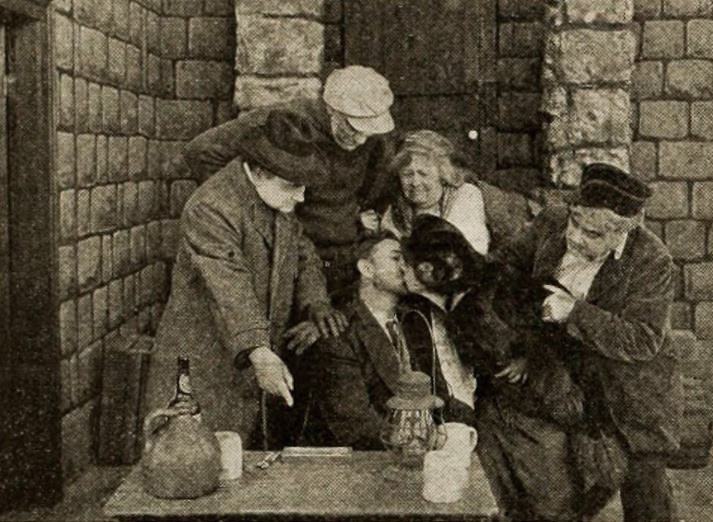
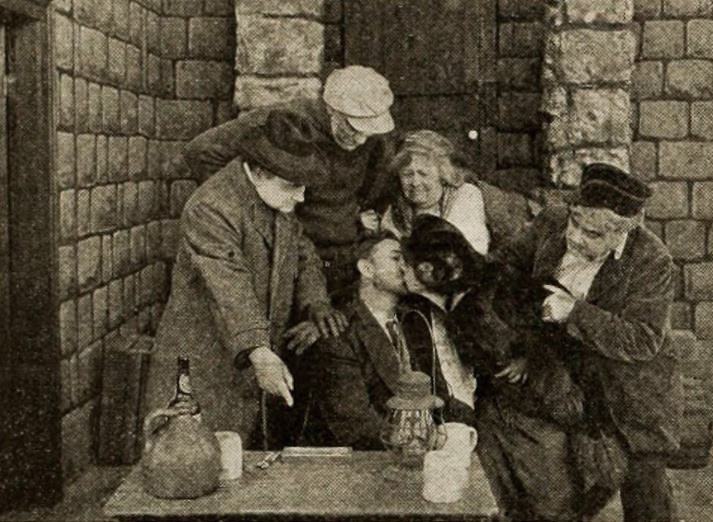
In a brilliant stroke of defiance, Abrahams sabotages the plate at the moment of completion. This act of "creative destruction" is a pivotal narrative beat. It mirrors the ingenuity seen in The Trey o' Hearts, where protagonists must use their wits to outmaneuver overwhelming odds. The subsequent reaction of the gang—a mixture of drunken celebration and eventual realization of the deception—provides a gritty contrast to the high-society aspirations of Jack Wayne.
The final act of Time Lock No. 776 is a relentless barrage of action that must have left 1914 audiences breathless. The integration of a high-speed automobile race, a staple of the era's thrillers, is executed here with remarkable kinetic energy. The chase involves a collision of worlds: the Secret Service, the British uncle Henry Morton, the lover Nathan, and the desperate kidnappers. This convergence of characters from disparate backgrounds—the law, the family, and the international investor—highlights the film’s broad scope.
The hiding of Helen in the time-locked vault is the film’s ultimate irony. The very invention that was meant to ensure Isaac’s fortune becomes the vessel of his daughter’s potential demise. The ticking clock (literally and figuratively) creates a visceral sense of dread. Only the creator can unlock the door—a poetic resolution that emphasizes that while technology can be stolen or misused, the true genius of the inventor remains an internal, unassailable fortress. This type of high-stakes rescue is reminiscent of the pulse-pounding escapades in Mexico or the survivalist themes of Australia Calls.
Hal Reid’s screenplay is a marvel of narrative economy, despite its numerous subplots. He manages to balance the melodrama of the "honest thief" Jem—who refuses to participate in "croaking" (killing)—with the grander themes of federal crime. The character of Jem is particularly interesting; he represents a vestige of a criminal honor code that was rapidly being replaced by the cold, calculated villainy of men like Jack Wayne. This nuanced portrayal of the criminal element is something one might expect in a more mature work like Marionetten.
The cast, led by Edward Carewe and Joe Welch, delivers performances that, while theatrical, possess an emotional resonance that transcends the era's stylistic limitations. Dora Dean’s portrayal of Helen captures the wide-eyed vulnerability of a young woman caught between the domestic sphere and the dangerous allure of the public eye. Her eventual wedding to Nathan provides the necessary emotional catharsis, a "fitting climax" that restores order to a world that was briefly plunged into chaos.
Looking back at Time Lock No. 776, one cannot help but admire its sheer audacity. It is a film that refuses to be categorized. Is it a family drama? A crime thriller? A social commentary on the dangers of the stage? It is all of these things and more. It shares the grandiosity of When Rome Ruled, yet it is anchored in the mundane reality of a jewelry shop on a city street. It possesses the psychological depth of Maria Magdalena, yet it isn't afraid to indulge in a car chase or a vault rescue.
The film’s legacy lies in its ability to synthesize the anxieties of its time—the fear of crime, the hope in technology, and the sanctity of the family—into a cohesive and thrilling narrative. As Henry Morton and Isaac Abrahams become millionaires, the film reinforces the idea that true wealth is not just found in the gold within the vault, but in the loyalty and love of those who hold the key. For any serious student of early cinema, this is a essential viewing—a time capsule of a world on the brink of modernity, locked away in a vault of celluloid, waiting for the right audience to turn the dial.
Note: For those interested in other explorations of early 20th-century social dynamics, consider reviewing Engelein or the political undertones of The Dictator.
IMDb —
1925
Community
Log in to comment.