
DbcultAccessing Vault...
6/10
Senior Film Conservator
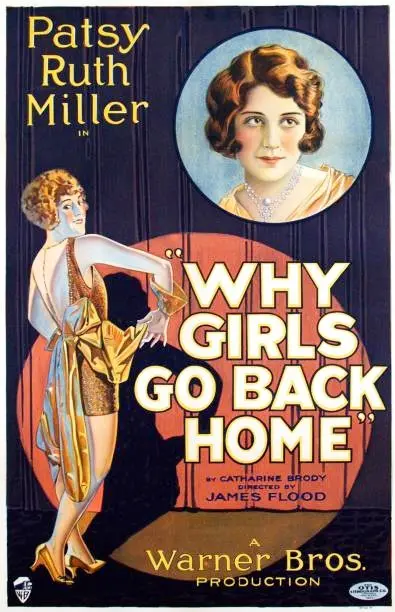
A definitive 6/10 rating for a film that redefined the boundaries of cult cinema. Why Girls Go Back Home remains a cornerstone of transgressive art.
Is "Why Girls Go Back Home" worth watching today, nearly a century after its initial release? The short answer is yes, but with significant caveats. This 1926 silent drama offers a fascinating, albeit imperfect, window into the moral anxieties and theatrical glamour of its era, making it a compelling watch for cinephiles and historians, yet potentially a challenging one for casual viewers unaccustomed to the pace of silent cinema.
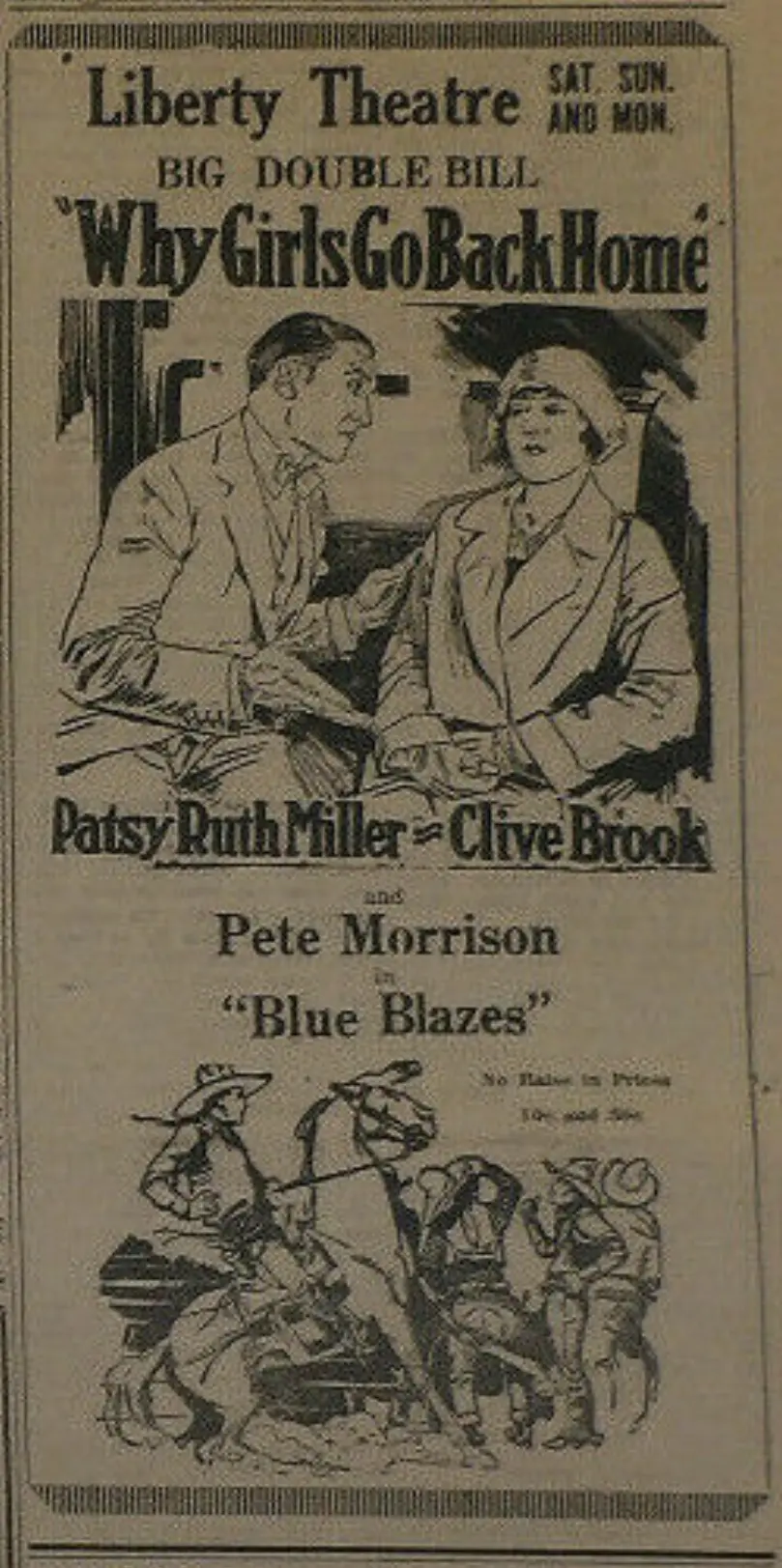
This film is ideally suited for those who appreciate the artistry of early filmmaking, enjoy period pieces set in the Roaring Twenties, or are interested in the evolution of narrative storytelling on screen. It is not for audiences seeking rapid pacing, complex psychological depth typical of modern dramas, or those with little patience for the stylistic conventions of the silent era.
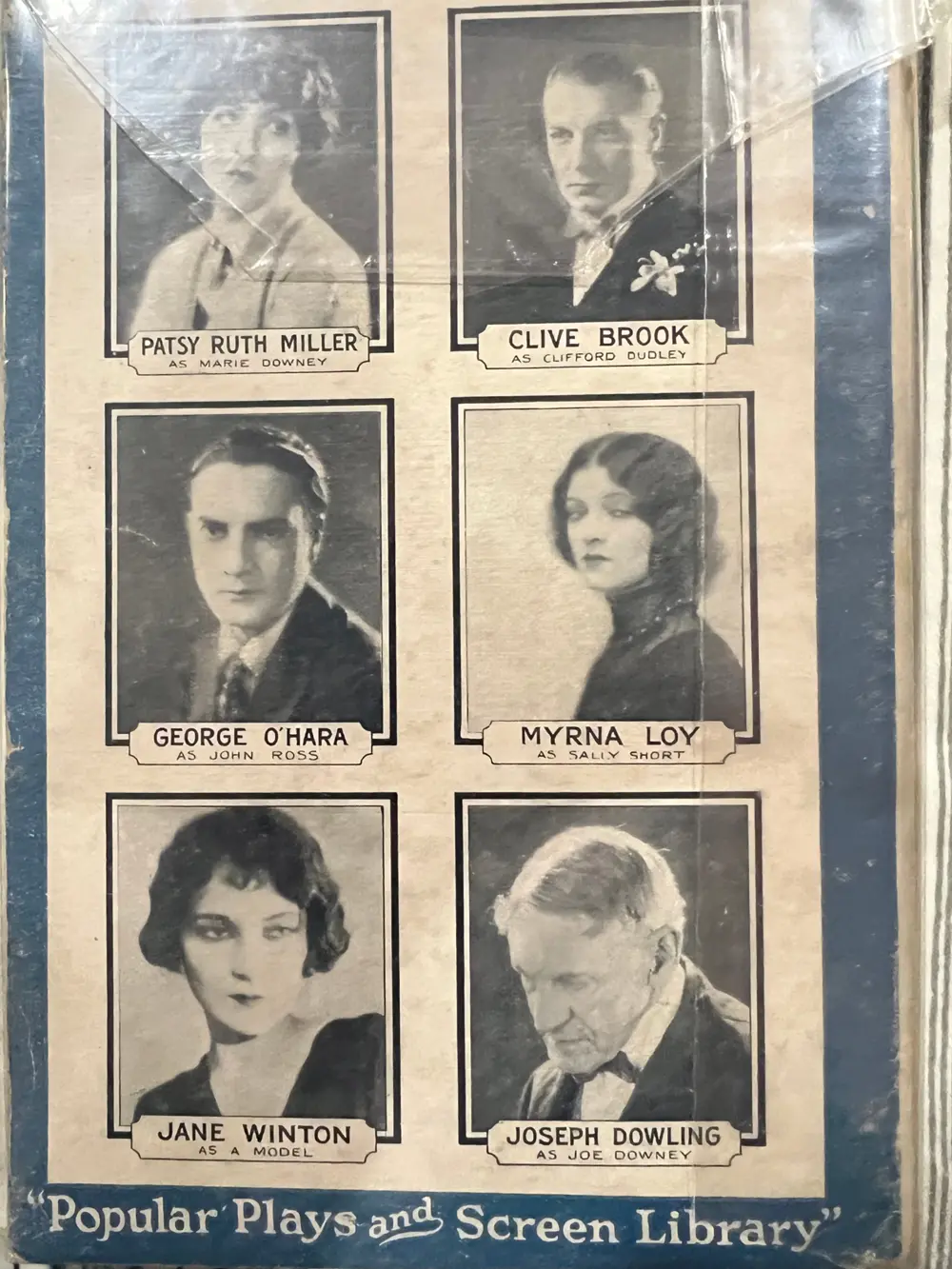
Breaking down its core appeal and inherent limitations, "Why Girls Go Back Home" presents a compelling case study in early Hollywood morality plays.
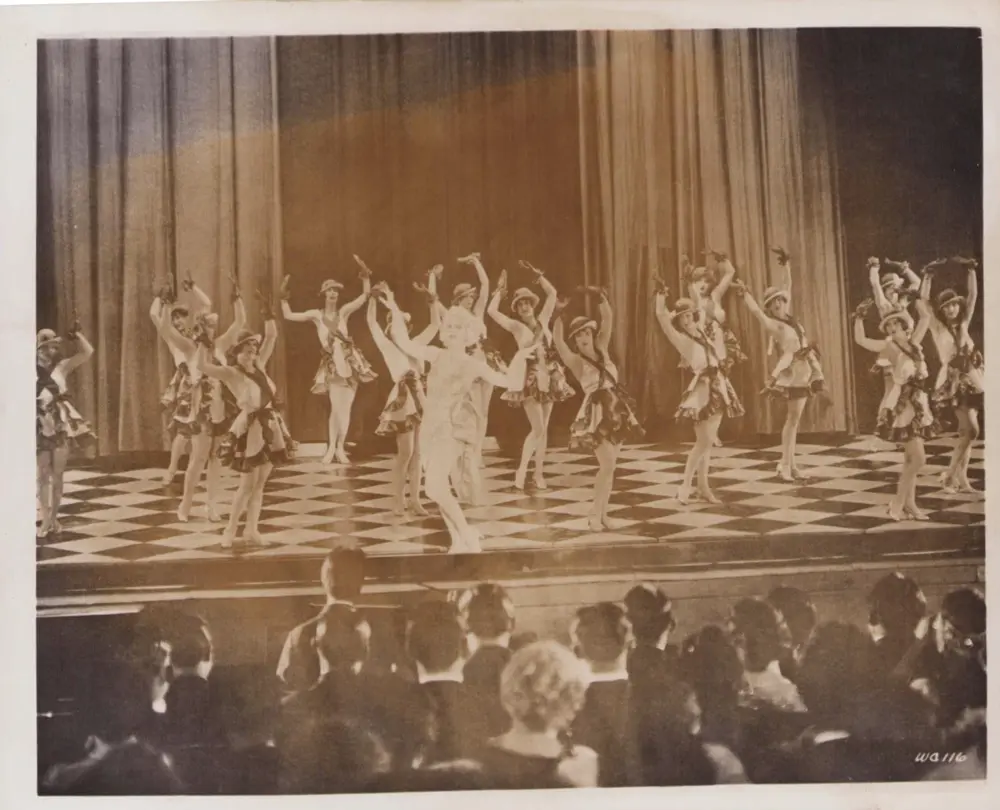
This film works because of its genuine performances, particularly from Patsy Ruth Miller, and its evocative portrayal of a bygone Broadway, capturing the intoxicating energy and potential pitfalls of fame. The narrative, while straightforward, taps into timeless themes of ambition, trust, and disillusionment.
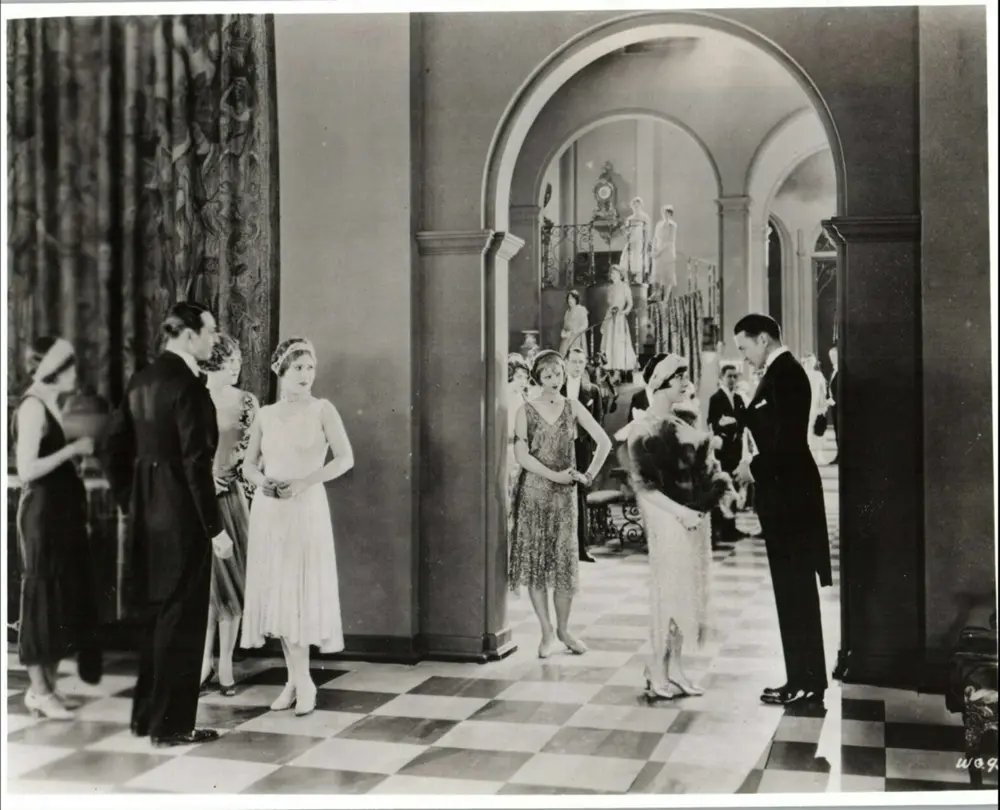
This film fails because its pacing can feel sluggish by contemporary standards, and some of its plot developments lean heavily on melodramatic tropes that might strain modern credulity. The moral messaging, while clear, sometimes overshadows nuanced character development.
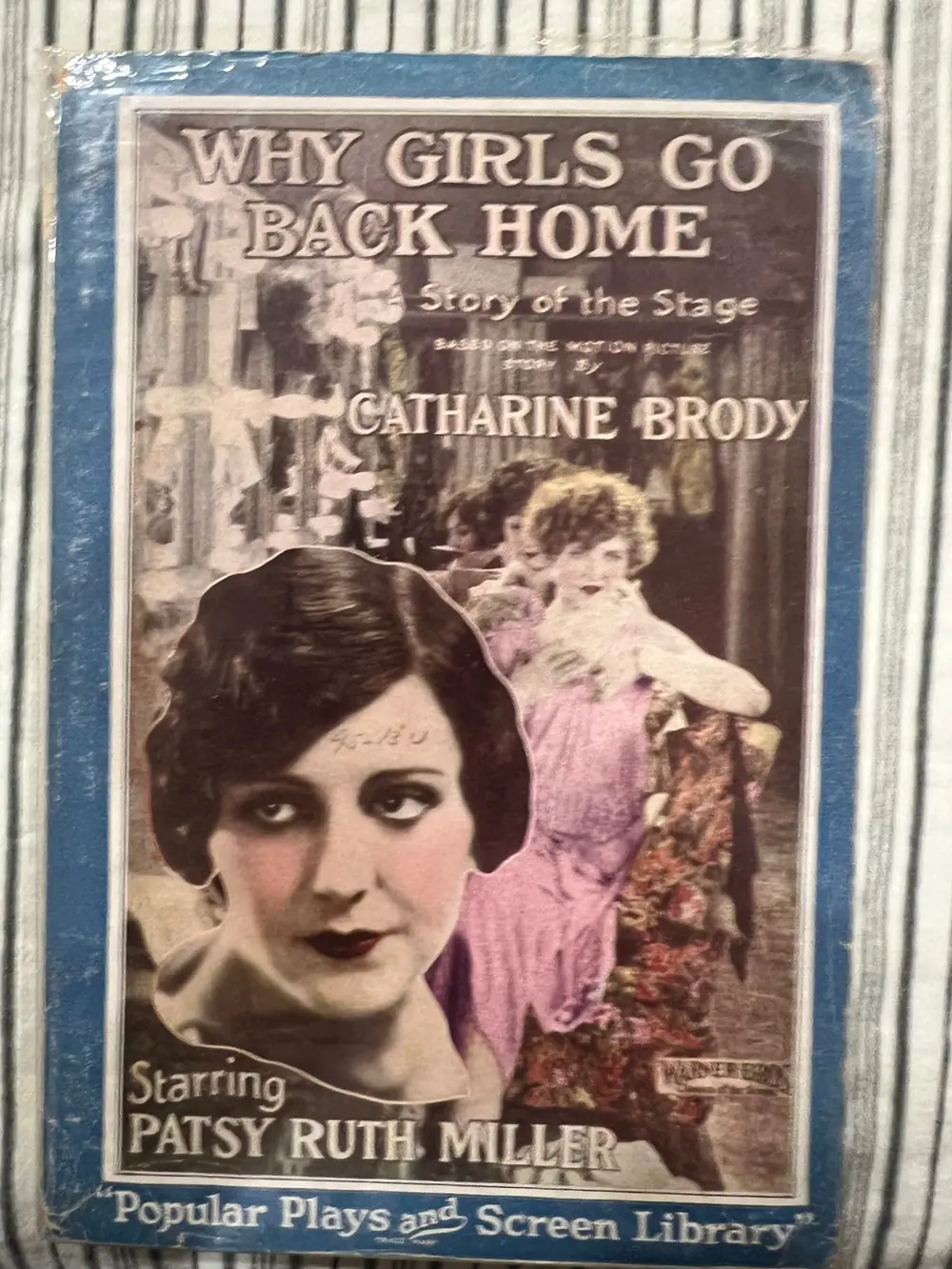
You should watch it if you are a student of film history, a fan of silent cinema, or simply curious about how stories of love and ambition were told before the advent of sound, especially if you enjoy period-specific atmosphere and nuanced physical acting.