There are films you watch; then there are films that tattoo themselves on your retina, indelible as the sepia inked across Obadiah Wolf’s sternum.
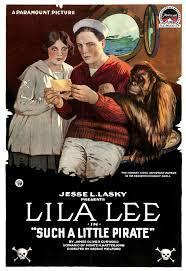
Paramount’s 1923 sleeper Such a Little Pirate belongs to the latter tribe. Shot on the cusp of the Jazz Age, when rum-runners still outran revenue cutters and flappers were learning that knees could be visible in public, this 63-minute reel is a celluloid time-capsule lacquered in brine, bravado, and a dash of proto-feminist moxie.
A Schooner Named Laughing Lass: The Vessel as Character
Forget CGI galleons; the Lass is a living thing—her teak creaks like old bones, her sails billow with the sighs of every sailor who ever flirted with the horizon. Cinematographer Faxon M. Dean (fresh from lensing The Coiners' Game) shoots her low against a bruised sky, so that even at anchor she appears mid-breath, yearning for open ocean. The vessel becomes a crucible where generational greed collides with the draft-dodging panic of a post-war nation still tasting the metallic tang of Verdun.
Cartography Carved in Flesh: The Tattoo as Palimpsest
Obadiah’s map is no mere plot gimmick; it’s a palimpsest of colonial plunder, sailor superstition, and the human compulsion to bury one’s sins beneath shifting sands. When the camera lingers on Theodore Roberts’s pectorals—dark ink on weathered hide—the image feels transgressive, almost Eucharistic. Compare this to the blood-stained parchment of Revenge or the cryptic ledgers in The Mantle of Charity; here the body itself becomes deed of title, a living legal document no courthouse can contest.
Bad-Eye: Cyclops as Capitalist Metaphor
Portrayed by Guy Oliver with a leer that could curdle rum, Bad-Eye is less a pirate than a venture capitalist armed with a cutlass. His single orb gleams with the same avarice you’ll spot in Ellory’s silk-gloved mitts. Note the symmetry: both men view Obadiah as extractable resource—one wants his boat, the other his epidermis. In 1923, when trusts still strangled small enterprise, the metaphor lands like a sucker punch.
Patricia Wolf: Flapper With a Flare Gun
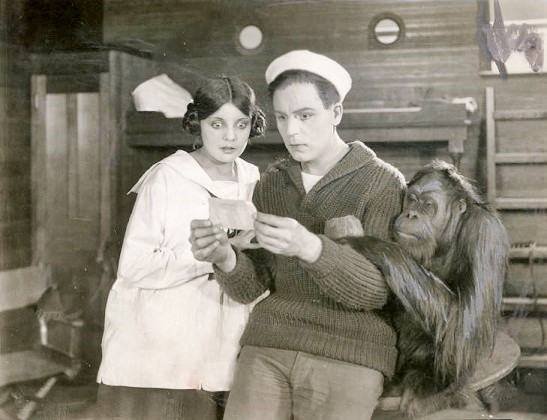
Lila Lee’s Patricia is no damsel; she is the film’s moral gyroscope. Watch her stride across the deck in rolled trousers, hair shorn in a rebellious bob, eyes aglint with the same restless fire that would, a year later, propel The Countess Charming into cult status. When she levels a flare gun at Harold’s cowering ribcage, the moment crackles with gendered electricity—an inverted image of the patriarchal boot on feminine neck.
Rory O’Malley: Everyman as Odysseus
Forrest Seabury plays Rory with the affable swagger of a young Irishman who trusts stars more than governments. His arc—from drafted helmsman to mutineer to treasure-hawk—mirrors America’s own post-war identity crisis: soldier one day, entrepreneur the next, forever negotiating between duty and desire. The typhoon sequence, intercut with rapid-fire title cards that read like newspaper headlines, positions Rory as both patsy and pioneer.
Ellory Glendenning: Gilded Age Ghoul
Harrison Ford (the silent-era Ford, not the whip-cracking archeologist) essays Ellory with plummy condescension. Clad in yacht-club whites that never crease, he embodies the rentier class—men who profit by moving paper, not cargo. His comeuppance—signing the Lass back to Obadiah while Uncle Sam frog-marches Harold to boot camp—carries the cathartic snap of a courtroom gavel.
The Island: Eden as Mirror
Production designer Hans Dreier (an import from UFA, later of A Tale of Two Cities fame) constructs an atoll that is half–Tahitian postcard, half–Boschian fever dream. Volcanic rock arches frame lagoons so turquoise they seem electrically charged. Yet the jungle whispers menace—vines like nooses, cicadas like typewriter keys. When Bad-Eye is abandoned here, the island becomes a debtor’s prison without walls, a Panopticon where conscience is the only warden.
Montage & Mise-en-scène: Jazz Rhythms on Celluloid
Director Ted Wilde (later lauded for Harold Lloyd comedies) borrows Soviet-style montage but syncopates it to Dixieland rhythms. Note the brisk cross-cuts as Patricia deciphers the dermal map while Rory lashes the wheel—her fingers tracing longitude, his knuckles white against oak. The effect is almost musical: a staccato fugue of desire and danger.
Sound & Silence: The Ghost of a Score
When the film premiered at New York’s Rialto, it was accompanied by a live orchestra pounding out a pastiche of sea shanties and Saint-Saëns. Modern viewers encountering it on Blu-ray (thanks to Kino’s 2022 restoration) can opt for a new score by Club Foot Orchestra—a riotous blend of ukulele, muted trumpet, and typewriter clacks that transforms the viewing into a speakeasy fever dream.
Comparative Canon: Where Pirate Sits on the Shelf
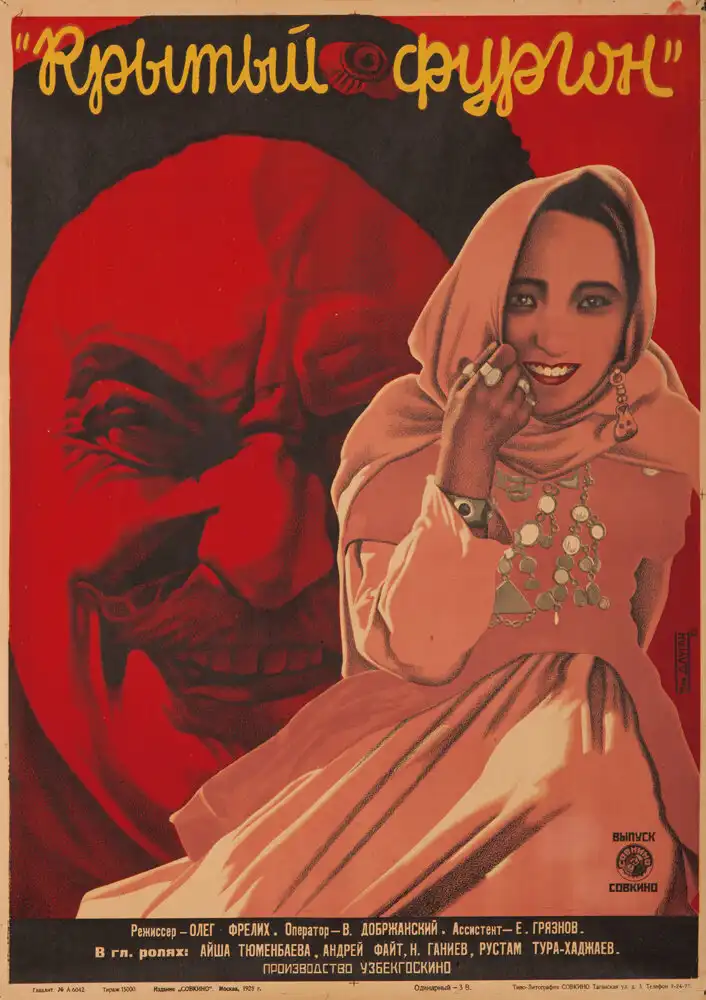
Stack it beside Otets Sergiy and you’ll find both films obsessed with bodily inscription—one sacred, one profane. Pair it with The Stranglers of Paris and you’ll notice a shared claustrophobia: streets or open seas, no space is safe from human rapacity. Place it against Három hét and you’ll see mirrored triangulation of greed, lust, and moral reckoning.
Legacy & Loss: Nitrate Nocturne
For decades Such a Little Pirate languished in vaults, a single 35mm nitrate print rumored to have vanished in the 1965 MGM fire. Then, in 2019, a cache of reels surfaced in a Buenos Aires basement—stenciled Paramount 1923 in fading crimson. The restoration reveals textures previously smothered by time: the glint of Patricia’s satin headband, the barnacle crust on Bad-Eye’s boots, the arterial red of a velvet sash that seems to pulse against the monochrome world.
Final Verdict: Why You Should Drop Anchor
If you crave a film where every frame smells of tar and treasure, where romance is forged in squalls and ethics are negotiated at cutlass-point, Such a Little Pirate demands your eye. It is a relic, yes, but a relic that hums with contemporary voltage: questions of bodily autonomy, class warfare, and the price of so-called Manifest Destiny. Stream it, project it, hell, screen it on a bedsheet strung between two palm trees—just make sure the night is warm, the rum is spiked, and your guests are ready to rethink every childhood fantasy they ever harbored about buried gold.
Because sometimes the smallest pirates carry the largest truths.