DbcultAccessing Vault...
6.1/10
Senior Film Conservator
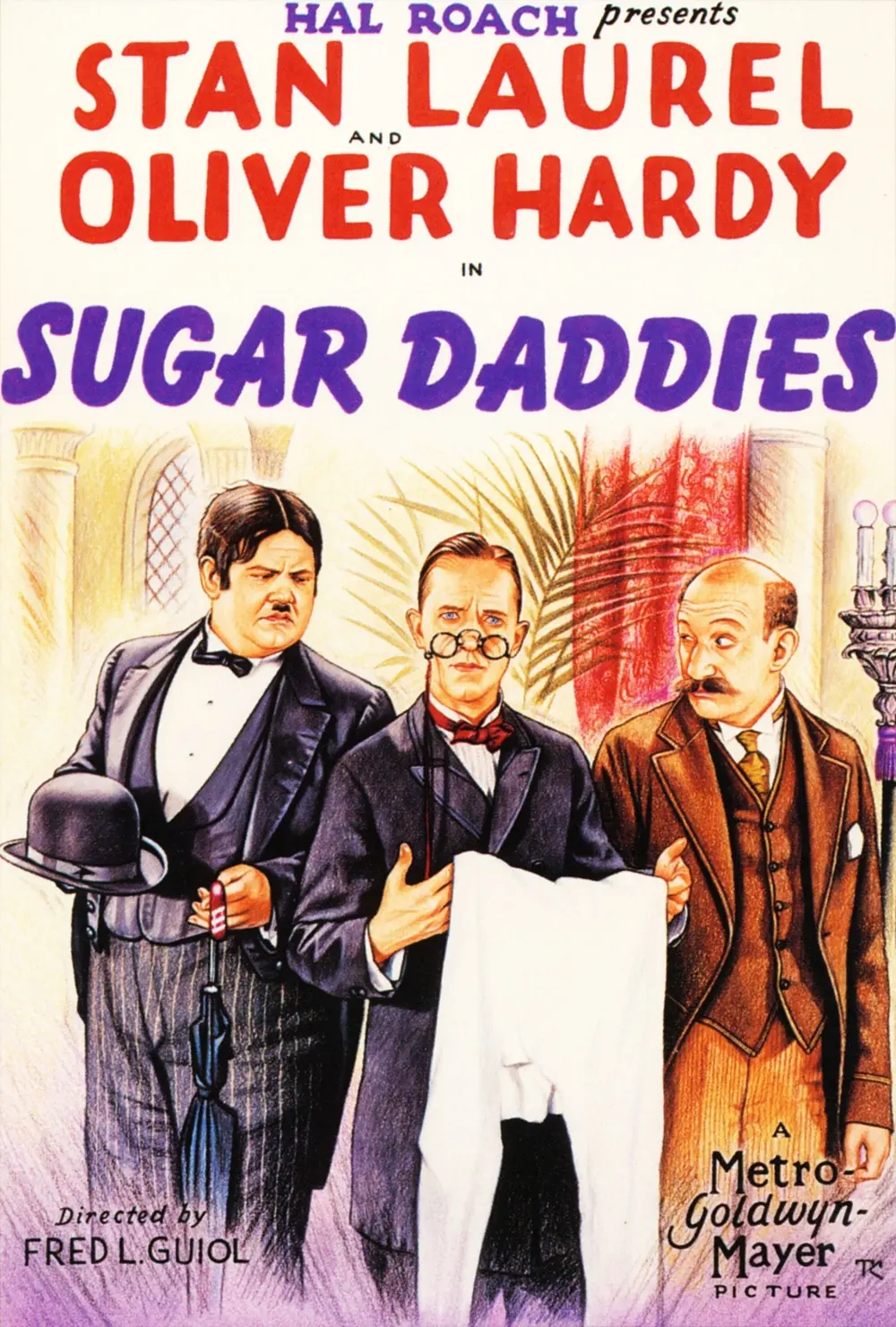
A definitive 6.1/10 rating for a film that redefined the boundaries of cult cinema. Sugar Daddies remains a cornerstone of transgressive art.
Is Sugar Daddies worth watching today? Short answer: yes, but with significant caveats that firmly place it in the category of historical curiosity rather than essential viewing for a casual audience. This film is an absolute must for devotees of silent-era slapstick and early Laurel and Hardy enthusiasts, offering a raw, unfiltered glimpse into their formative comedic rhythm. However, if your taste leans towards polished narratives, nuanced character development, or truly groundbreaking visual comedy, you will find its charms largely elusive.
This film works because of the undeniable, nascent chemistry between Stan Laurel and James Finlayson, even before the iconic pairing with Oliver Hardy fully solidified. It fails because its narrative is a flimsy pretext for gags that, while energetic, often feel disjointed and repetitive by modern standards. You should watch it if you appreciate the foundational mechanics of physical comedy and want to witness the building blocks of a comedic dynasty unfold in real-time.
The plot of Sugar Daddies is, in essence, a simple springboard for escalating chaos. James Finlayson, playing a wealthy oil tycoon, wakes up after a night of excessive revelry to the shocking news that he's somehow acquired a wife. This isn't a love story; it's a comedic nightmare. His lawyer, Stan Laurel, is quickly brought in to navigate this bizarre predicament, only to find that the impromptu marriage is less about love and more about a calculated blackmail attempt.
What ensues is a relentless pursuit, a classic silent-era trope. The chase takes the bewildered Finlayson and the perpetually flustered Laurel through a series of increasingly absurd locations, from a lively dance hall to the dizzying heights of an amusement park. It’s a testament to the era’s comedic sensibilities that a simple misunderstanding could spiral into such elaborate, physical comedy.
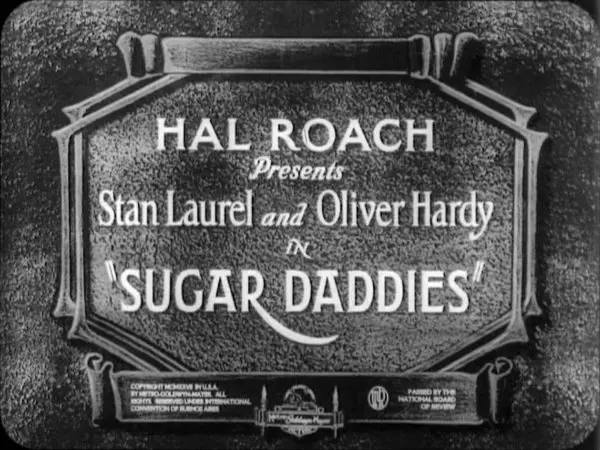
The brilliance of the premise lies not in its originality – countless films of the period used similar setups – but in the way it allows the burgeoning talents of its stars to shine. The situation itself is a comedic goldmine, ripe for the kind of over-the-top reactions and physical gags that defined silent cinema. It’s a shame, perhaps, that the film doesn't delve deeper into the character motivations, but that was rarely the point of such productions.
Directed by Fred Guiol, Sugar Daddies exemplifies the fast-paced, gag-driven style prevalent in 1920s short comedies. There's little room for subtlety; the film moves from one predicament to the next with an almost breathless urgency. The pacing is relentless, often sacrificing logical transitions for immediate comedic impact. This can feel jarring to modern viewers accustomed to more structured narratives, but it's entirely in keeping with the film's genre and era.
The direction leverages the physical capabilities of its cast, particularly during the extended chase sequences. The dance hall scene, for instance, is a masterclass in controlled chaos, with characters weaving through crowds, ducking under tables, and generally creating a spectacle of disarray. Similarly, the amusement park sequence, with its rides and attractions, provides a dynamic backdrop for the climactic pursuit, offering a sense of scale and exhilaration that was no doubt impressive for its time.
One might even argue that the film’s chaotic structure, rather than being a flaw, inadvertently mirrors the disoriented state of its protagonist. Finlayson’s world has been turned upside down, and the film’s erratic rhythm reflects that perfectly. The editing is quick, cutting rapidly between reactions and actions, ensuring the audience is never given too much time to ponder the plot's implausibility.
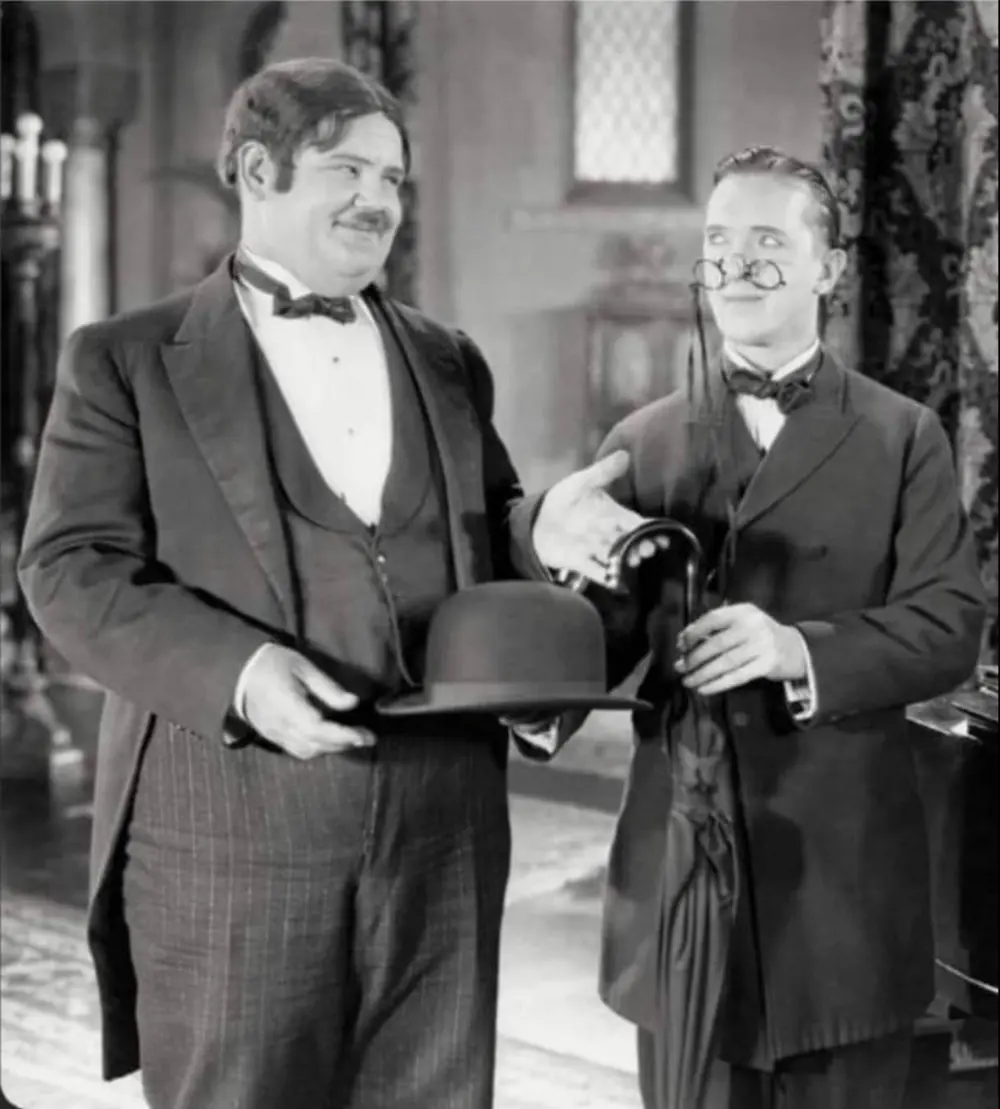
The true heart of Sugar Daddies lies in its performances. James Finlayson, a stalwart of silent comedy, is magnificent as the hapless tycoon. His signature 'double-take' and wide-eyed exasperation, particularly during the revelation of his impromptu marriage, are a masterclass in silent comedic timing. He embodies the perfect foil: a man of supposed gravitas utterly undone by circumstances beyond his control. His frustration is palpable, and his reactions are universally understood, transcending the lack of dialogue.
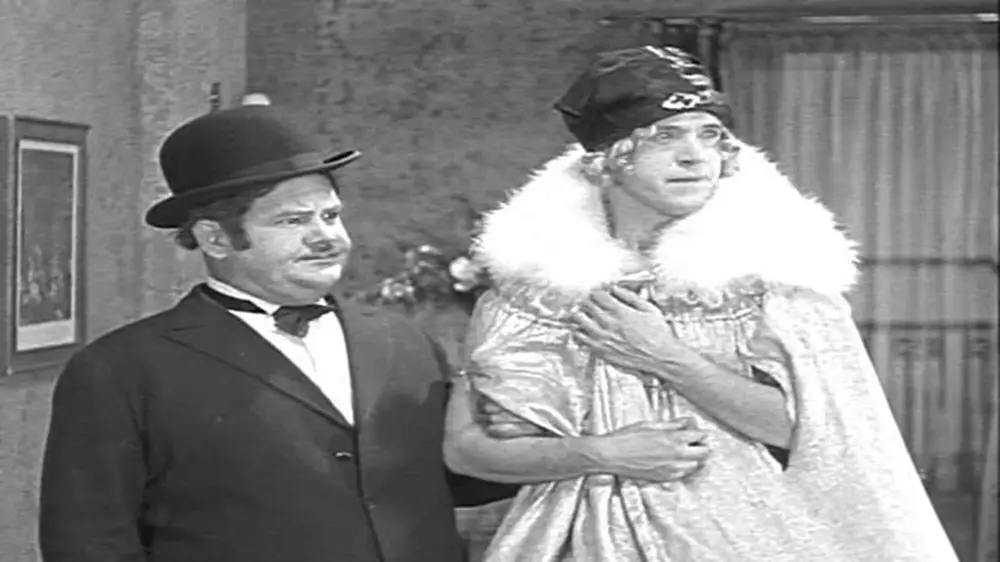
Stan Laurel, playing Finlayson's lawyer, is equally brilliant. While not yet fully embodying the 'Stan' character of the iconic duo, his performance here showcases his innate ability for physical comedy and his unique brand of bewildered innocence. His attempts to 'straighten things out' invariably lead to further complications, a comedic pattern that would become central to his later work. The way he fumbles with legal documents while simultaneously trying to avoid physical harm is a highlight.
It’s also crucial to note the presence of Oliver Hardy in the cast, albeit in a smaller role. While not yet the 'heavy' to Laurel's 'light,' his early appearances in films like this are fascinating for what they foreshadow. His imposing physical presence, even in a supporting capacity, adds another layer to the ensemble. It’s a rare treat to see these giants of comedy in their formative years, before their partnership became the stuff of legend. The dynamic between Finlayson and Laurel, however, is the undeniable star here, a proto-version of the 'straight man and imbecile' pairing that would define an era.
Dorothy Coburn, as the unexpected bride, delivers a suitably conniving performance. Her expressions convey a clear mercenary intent without uttering a single word, a testament to the power of silent acting. The supporting cast, including Charlie Hall and Edna Marion, contributes to the overall frantic energy, each playing their part in the escalating chaos.
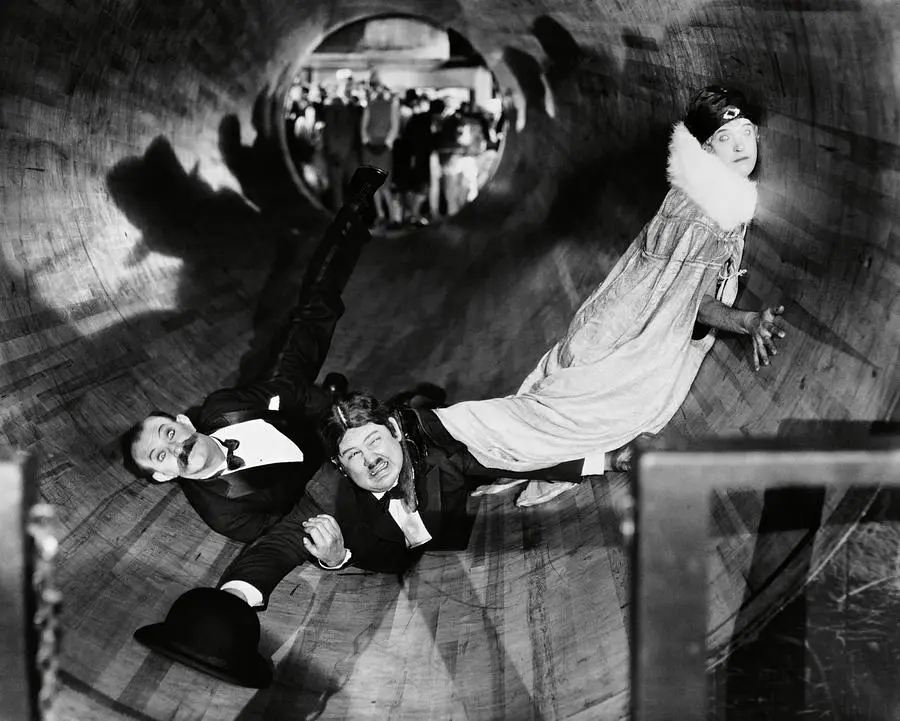
The cinematography in Sugar Daddies is functional and direct, typical of the period. There are no grand sweeping shots or experimental angles; the camera is primarily a static observer, capturing the action clearly. This straightforward approach allows the physical comedy to take center stage, ensuring every pratfall, every exaggerated reaction, is visible to the audience. While it lacks the artistic flourishes of some European silent films, it perfectly serves the film's comedic purpose.
The production design, particularly in the dance hall and amusement park sequences, is surprisingly elaborate for a short film. These sets are not mere backdrops; they are integral to the comedy, providing obstacles, hiding places, and opportunities for physical gags. The bustling crowds of the dance hall and the moving parts of the amusement park rides add a dynamic, almost documentary-like feel to the chaos, grounding the absurdity in a tangible, if exaggerated, reality. Witnessing these environments, alive with extras and period details, offers a valuable historical snapshot.
The film’s tone is consistently light-hearted and farcical. Even with the underlying threat of blackmail, the stakes never feel genuinely dire. It's pure escapism, designed to elicit laughter through exaggerated predicaments and physical humor. This unwavering commitment to levity is one of its strongest assets, ensuring that despite its age, the film remains an enjoyable, if slight, diversion.
While Sugar Daddies may not be as widely celebrated as later Laurel and Hardy masterpieces, its historical significance is undeniable. It represents a crucial step in the evolution of both Stan Laurel and James Finlayson’s comedic personas. For those interested in the lineage of physical comedy, this film offers a clear view of the building blocks that would eventually form the foundations of one of cinema's most beloved duos. It’s a snapshot of a particular moment in time, where gags were king and narrative cohesion was secondary to laughs.
The notion that this film is merely a historical footnote is, frankly, a disservice to the raw comedic energy it contains. It might not possess the emotional depth of a The Covered Wagon or the dramatic tension of Scars of Jealousy, but its purpose is entirely different. It’s about pure, unadulterated fun. Its influence, though indirect, can be seen in countless chase sequences and mistaken-identity comedies that followed.
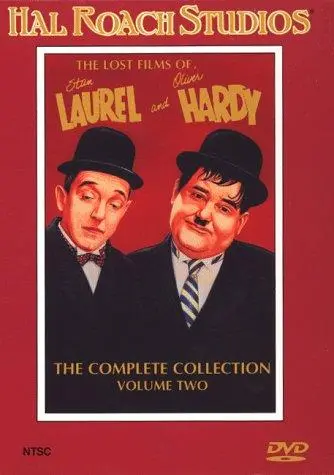
Moreover, for fans of Laurel and Hardy, watching Sugar Daddies provides essential context. It allows us to appreciate the individual comedic genius of Stan Laurel before he found his perfect partner, and to see James Finlayson in a more central, albeit equally exasperated, role. It’s a fascinating piece of the puzzle that explains how a comedic partnership, arguably the greatest in film history, came to be.
Yes, for a specific audience. If you are a student of film history, a silent comedy enthusiast, or a dedicated fan of Laurel and Hardy, Sugar Daddies offers valuable insight into the comedic landscape of the 1920s. It showcases the individual talents of its stars before their iconic pairing fully blossomed.
However, for a casual viewer expecting modern comedic sensibilities or a tightly woven plot, this film might feel dated and somewhat repetitive. Its humor is broad and physical, relying on exaggerated reactions and escalating chaos rather than witty dialogue or intricate storytelling. It’s a historical artifact that still entertains, but primarily for those who appreciate its context.
Pros:
- Historic Value: Offers a rare glimpse into the pre-Laurel and Hardy dynamic, featuring Stan Laurel and James Finlayson at their comedic best.
- Energetic Performances: Finlayson's exasperation and Laurel's befuddlement are genuinely hilarious and foundational to their later work.
- Classic Slapstick: Delivers a consistent stream of physical gags and escalating chaos, culminating in an exhilarating amusement park chase.
- Period Authenticity: Provides an immersive look at 1920s entertainment and societal norms through its settings and humor.
- Pure Escapism: A light, unpretentious film designed purely for laughter, free from heavy themes or complex morality.
Cons:
- Repetitive Gags: Some comedic sequences, particularly the chase, tend to overstay their welcome or repeat similar jokes.
- Thin Plot: The narrative is a bare-bones framework, lacking in depth or surprising twists beyond the initial premise.
- Dated Sensibilities: Humor relies heavily on physical comedy and exaggerated reactions, which may not appeal to all modern audiences.
- Limited Character Development: Characters serve primarily as archetypes for comedic situations rather than fully fleshed-out individuals.
- Technical Limitations: While charming, the cinematography and editing are basic compared to more artistically ambitious films of the era, such as Remodeling Her Husband.
Sugar Daddies is a fascinating, if imperfect, relic from the golden age of silent comedy. It works. But it’s undeniably flawed. Its primary appeal lies in its historical significance and the sheer, unadulterated joy of watching comedic legends in their nascent stages. James Finlayson is a revelation, and Stan Laurel’s performance is a crucial precursor to his later iconic character. The film is a whirlwind of slapstick, a boisterous and energetic romp that, despite its narrative weaknesses, manages to entertain through sheer force of comedic will.
For those willing to embrace its period charm and appreciate the raw, physical humor, Sugar Daddies offers a delightful, if fleeting, escape. It’s not a film that will redefine your understanding of cinema, nor does it aim to. Its ambition is simpler: to make you laugh. And in that, for its intended audience, it largely succeeds. It’s a vital piece of the puzzle for understanding the trajectory of cinematic comedy, a stepping stone to greater things, and a fun, if occasionally exhausting, ride.
IMDb —
1934
Community
Log in to comment.