DbcultAccessing Vault...
5.8/10
Senior Film Conservator
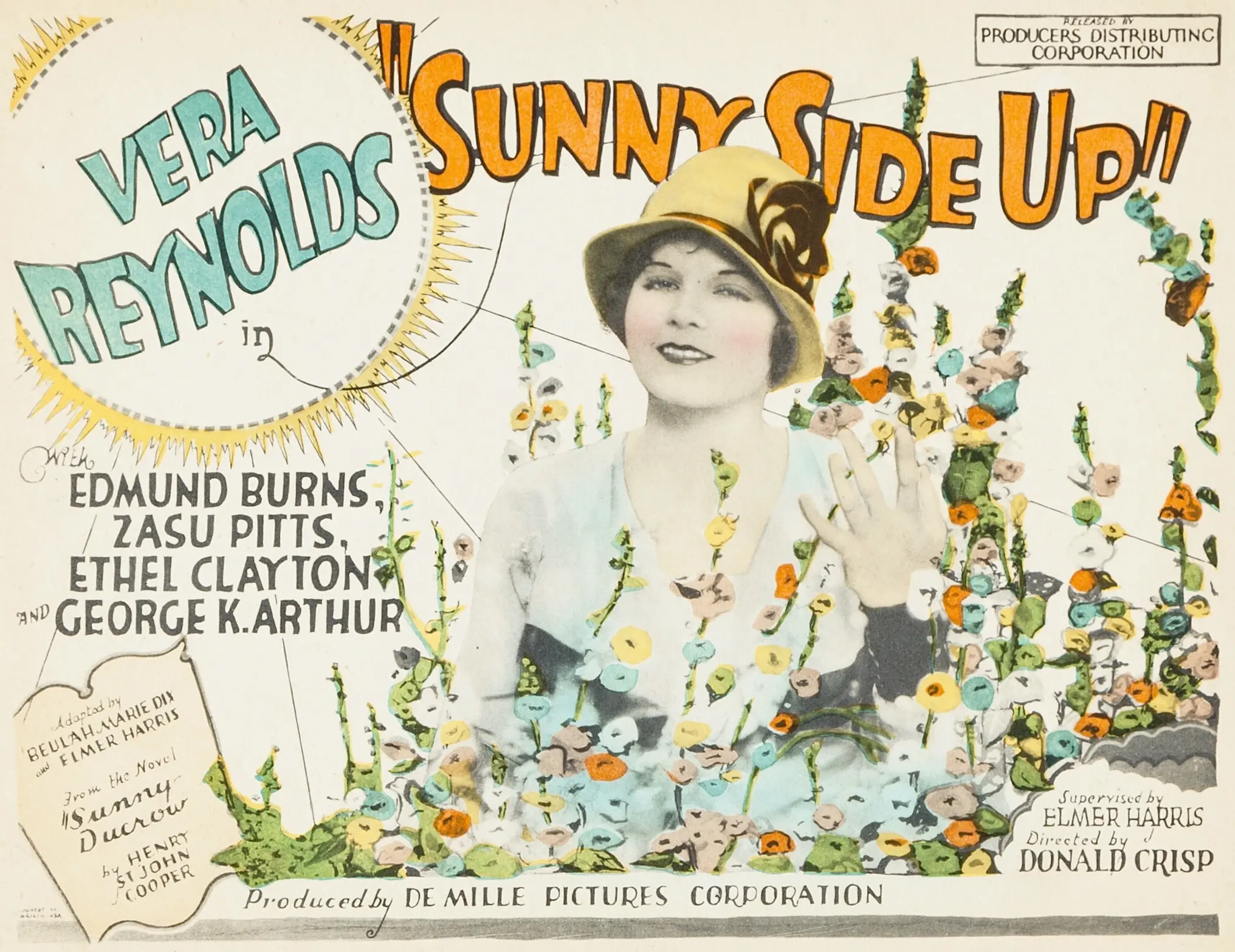
A definitive 5.8/10 rating for a film that redefined the boundaries of cult cinema. Sunny Side Up remains a cornerstone of transgressive art.
Is this film worth watching today? Short answer: Yes, but only if you are willing to look past its simplistic title to find the cynical heart beating underneath. This film is for viewers who find beauty in the expressive silence of 1920s melodrama and those who appreciate the comedic genius of Zasu Pitts; it is not for those who require fast-paced action or a narrative that resolves without a heavy dose of convenient coincidence.
Sunny Side Up is a curious artifact of 1926, a year when Hollywood was perfecting the art of the 'discovery' narrative. While the plot follows a familiar trajectory, the execution is surprisingly grounded in the economic realities of the era. This isn't just a fairy tale; it's a transactional drama disguised as a romance.
If you are looking for a definitive opinion on whether to invest your time in this silent rarity, consider these three pillars of the film's construction:
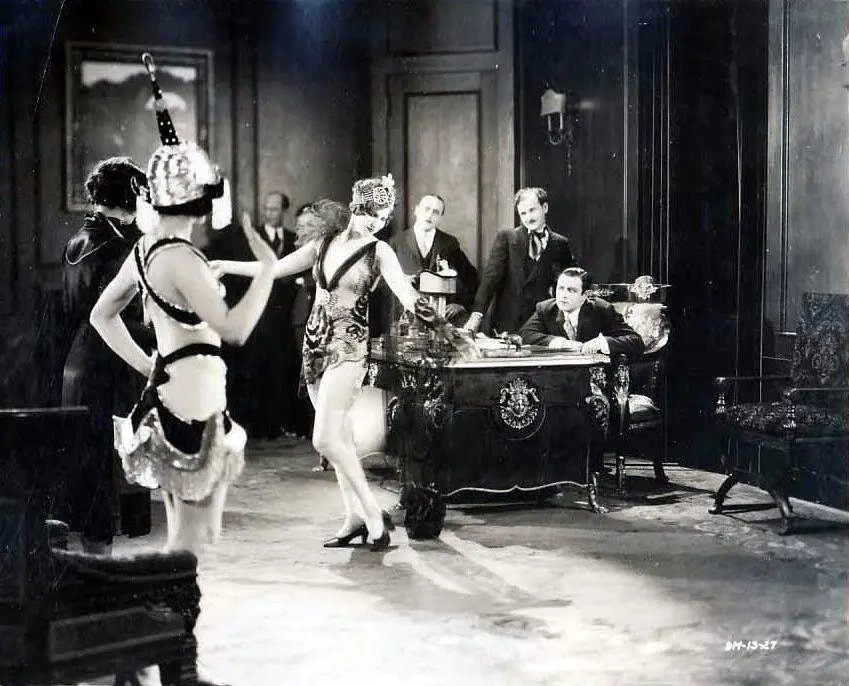
1) This film works because Vera Reynolds delivers a performance that transcends the 'plucky waif' archetype, grounding the character of Sunny in a palpable sense of desperation and ambition.
2) This film fails because the third-act introduction of the estranged wife is a narrative 'deus ex machina' that feels unearned and serves only to force a dramatic pivot that the script wasn't brave enough to reach naturally.
3) You should watch it if you are a student of early American cinema who wants to see how 1920s writers like Elmer Harris and Beulah Marie Dix navigated the complex intersection of class, gender, and the performing arts.
Vera Reynolds is the undisputed engine of this film. In the early scenes where she is singing for coins, her body language is a masterclass in controlled vulnerability. She doesn't just stand there; she occupies the space with a defensive posture that suggests a woman who has been told 'no' far more often than 'yes'.
When she finally makes it to the theater, her transformation is not merely one of costume. There is a specific scene where she looks at her new stage attire, and for a fleeting second, the joy is replaced by a look of sheer terror. It is a moment of realization: she is no longer a person, but a product. This nuance is often missing from modern interpretations of this trope.
Her chemistry with the theater owner, played with a sort of detached paternalism by the cast, is intentionally uncomfortable. It highlights the power imbalance that defines their relationship. Unlike the more romanticized pairing in Just Off Broadway, the connection here feels like a business deal that accidentally caught fire.
Yes, Sunny Side Up is worth watching for anyone interested in the evolution of the 'star is born' narrative. It provides a fascinating look at the social hierarchies of the 1920s. The film captures a specific moment in time where the line between the street and the stage was both incredibly thin and impossibly high. It offers a visual richness that compensates for its occasionally predictable plot beats.
We cannot discuss Sunny Side Up without highlighting the presence of Zasu Pitts. While Reynolds carries the emotional weight, Pitts provides the necessary levity that keeps the film from sinking into pure bathos. Her comedic timing is eccentric, characterized by those fluttering hands and worried expressions that would become her trademark.
In one particular sequence involving the preparations for the country outing, Pitts' physical comedy serves as a sharp contrast to the high-society posturing of the other characters. She represents the 'everyman' perspective, a grounded foil to the theater owner's lofty ambitions. It is a performance that feels surprisingly modern, eschewing the over-the-top mugging common in other films of the period like Lucky Stars.
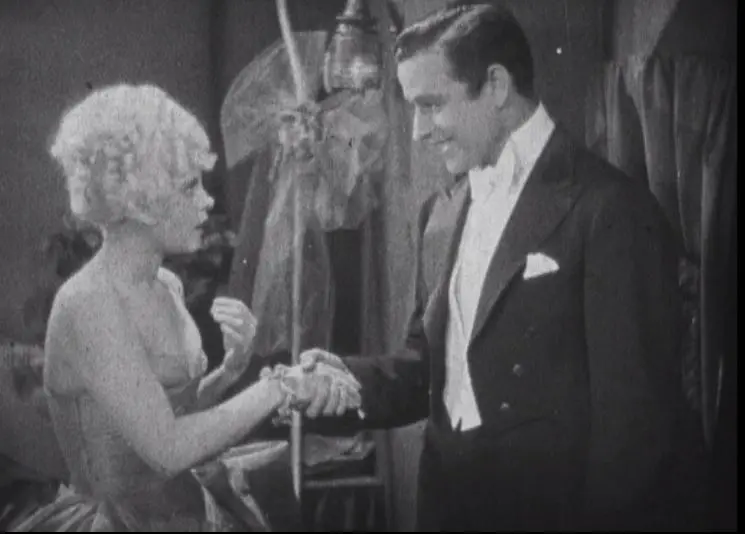
The film relies heavily on this balance. Without the humor, the tragedy of the final act would feel oppressive. With it, the movie becomes a more complex tapestry of human experience. The ending hurts. But it is necessary for the film's internal logic.
The cinematography in Sunny Side Up uses environmental contrast to tell its story. The city scenes are framed with tight, claustrophobic angles, emphasizing the struggle for space and survival. In contrast, the fishing trip sequence is shot with wide, expansive lenses that suggest a freedom that Sunny has never known.
However, the director makes a brilliant choice to maintain a sense of unease even in the beautiful countryside. Shadows are long, and the water often looks cold and unforgiving. This visual foreshadowing suggests that Sunny’s presence in this world is temporary. She is a visitor in a landscape she doesn't own.
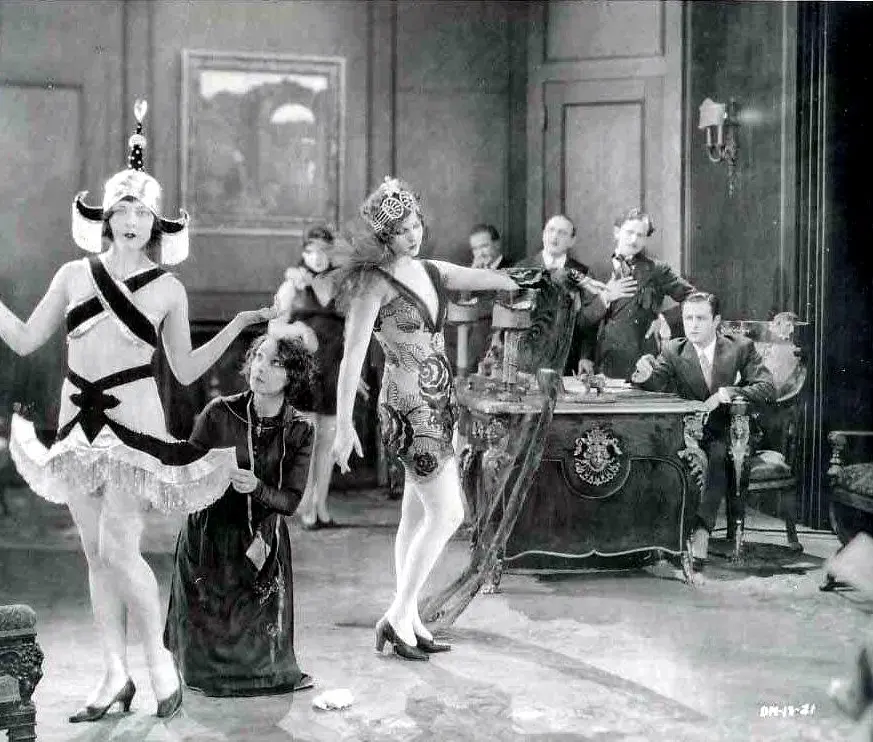
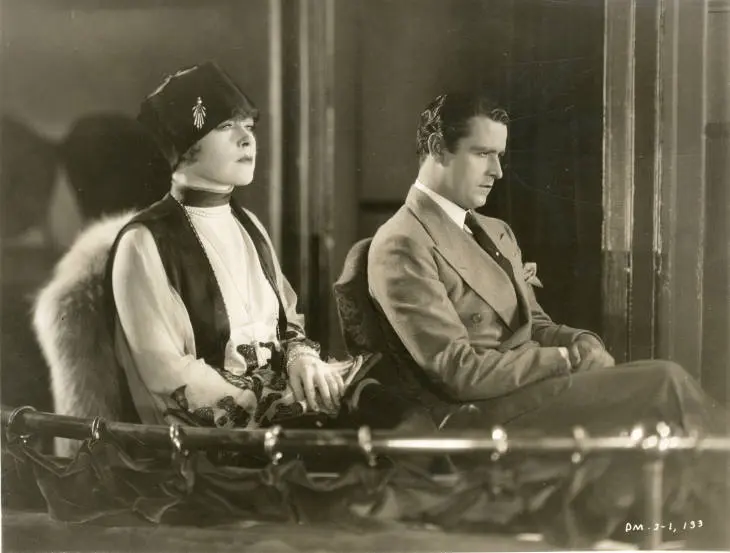
Compare this to the more surreal visual approach in The Dream Cheater. While that film uses visuals to explore the psyche, Sunny Side Up uses them to explore the social ladder. The arrival of the estranged wife—played with a chilling, aristocratic coldness by Ethel Clayton—is shot with a harsh, flat light that strips away the romanticism of the previous scenes.
The writing credits for this film are a 'who's who' of silent-era talent. Elmer Harris, Henry St. John Cooper, and Beulah Marie Dix create a narrative that is surprisingly tight for its time. They avoid the meandering subplots that plague films like The Other Woman, focusing instead on the central triangle of Sunny, the owner, and the ghost of his past.
The dialogue—delivered via intertitles—is punchy and avoids excessive sentimentality. One particularly biting title card during the confrontation between Sunny and the wife highlights the cruelty of the upper class: 'You are just a song he bought for a season.' It is a brutal, honest line that reframes everything we’ve seen up to that point.
This script doesn't treat the audience like children. It understands that for a woman in Sunny's position, the 'happy ending' is often a cage. The writers deserve credit for not opting for a purely saccharine resolution, even if the wife's appearance feels like a convenient out for the male protagonist.
Sunny Side Up is a film of significant merit that is often overshadowed by its more famous contemporaries. While it doesn't reinvent the wheel, it polishes it to a high shine. The performance of Vera Reynolds is a revelation, and the film’s willingness to engage with the transactional nature of fame gives it a weight that many other 'rags-to-riches' stories lack.
It is a flawed work, certainly. The ending is a cop-out. But the journey to that ending is filled with arresting compositions and genuine heart. It is a reminder that even in the silent era, Hollywood was capable of producing stories that felt deeply human. It works. But it is flawed.
"A song is just a commodity until it's sung by someone with nothing left to lose."
IMDb 6.3
1925
Community
Log in to comment.