DbcultAccessing Vault...
Cult Review
Senior Film Conservator
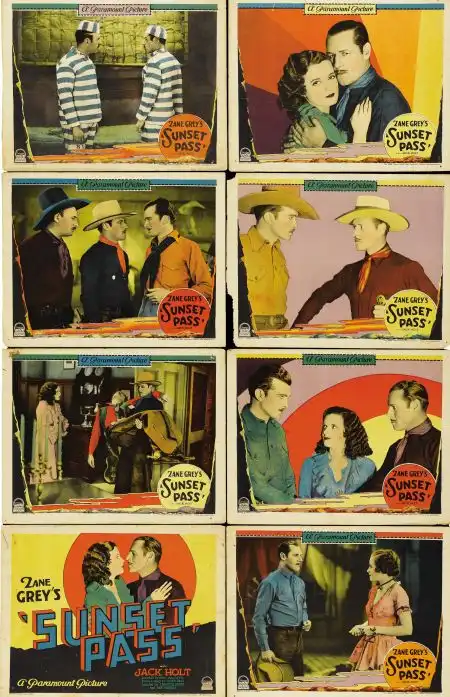
Alright, so we're talking about Sunset Pass from way back in 1929. Is it worth tracking down today? Look, if you’re into classic westerns, especially early sound stuff or even late silent-era holdovers, and you appreciate a good Zane Grey story, then yeah, give it a shot. But if your idea of a western starts with Clint Eastwood or even John Wayne, you’re probably going to find this one a bit of a slow burn, maybe even a chore. It's for a very particular kind of movie watcher. 🤠
Jack Holt plays Jack, our hero, who rolls into town looking for work. He ends up on a ranch where things are, predictably, not quite right. Cattle are going missing. There's a lot of suspicion floating around. It's the kind of setup you've seen a hundred times, but there's a certain charm to seeing it play out here, almost at the genre's infancy.
Holt, he's got that undeniable presence. You can tell why he was a star. Even when the dialogue feels a little stilted—which it does, quite a bit, it’s 1929 after all—he just commands the screen. He rides a horse like he was born on it, which, I suppose, for a western star of that era, probably felt true enough.
The pacing, oh boy, the pacing. It’s definitely not for folks used to quick cuts. There are these long stretches where you just watch people doing things. Like, someone gets on a horse. And then they ride the horse. For a while. It’s not boring, not exactly, but it just… exists. You really get a feel for the journey, maybe more than you wanted to. 🐎
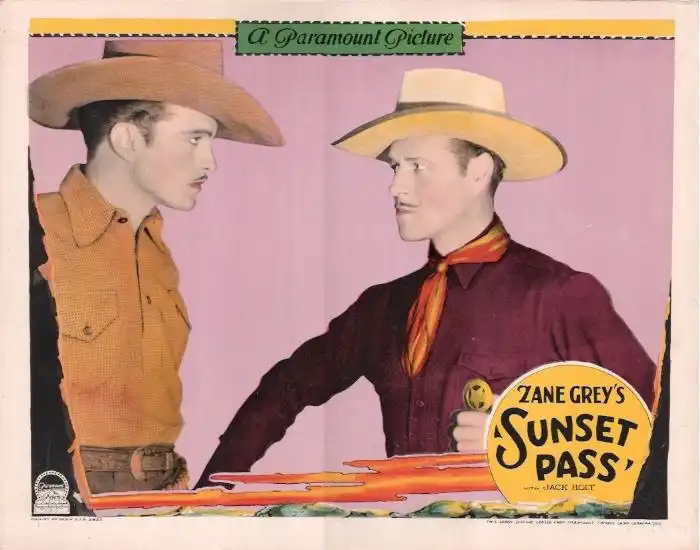
I remember this one scene where Holt's character is trying to figure out who the bad guys are. He just kinda observes. And the camera just sits there with him. No dramatic zooms, no intense score building up. Just a guy, thinking. It’s quaint, in a way, but also makes you wonder if they just didn't have enough B-roll.
Nora Lane, as the rancher's daughter, she's got a nice spark to her. She's not just a damsel, which is good. There’s a moment where she stands up to one of the shadier characters, and you really feel her frustration. It feels genuine, which is tough in a film where some of the acting still has a foot in the silent era's more exaggerated style. Her expressions are often quite subtle, almost modern in places.
The bad guys are pretty one-dimensional, but that’s fine. It’s a Zane Grey story, not Shakespeare. You know who the scoundrels are from the moment they appear, usually with a sneer or a shifty glance. Pat Harmon, playing the main heavy, does a good job of just looking generally unpleasant. He doesn't need to say much; his face does all the work.
There's a cattle stampede sequence that feels pretty ambitious for the time. You can tell they put some real effort into it. It’s chaotic and dusty, and you can almost feel the grit. Then there’s another scene, a fistfight, and it’s kinda… *slow*. Each punch looks like it's happening in treacle. But hey, it's a fight! And someone gets knocked out. So, mission accomplished, I guess. 👊
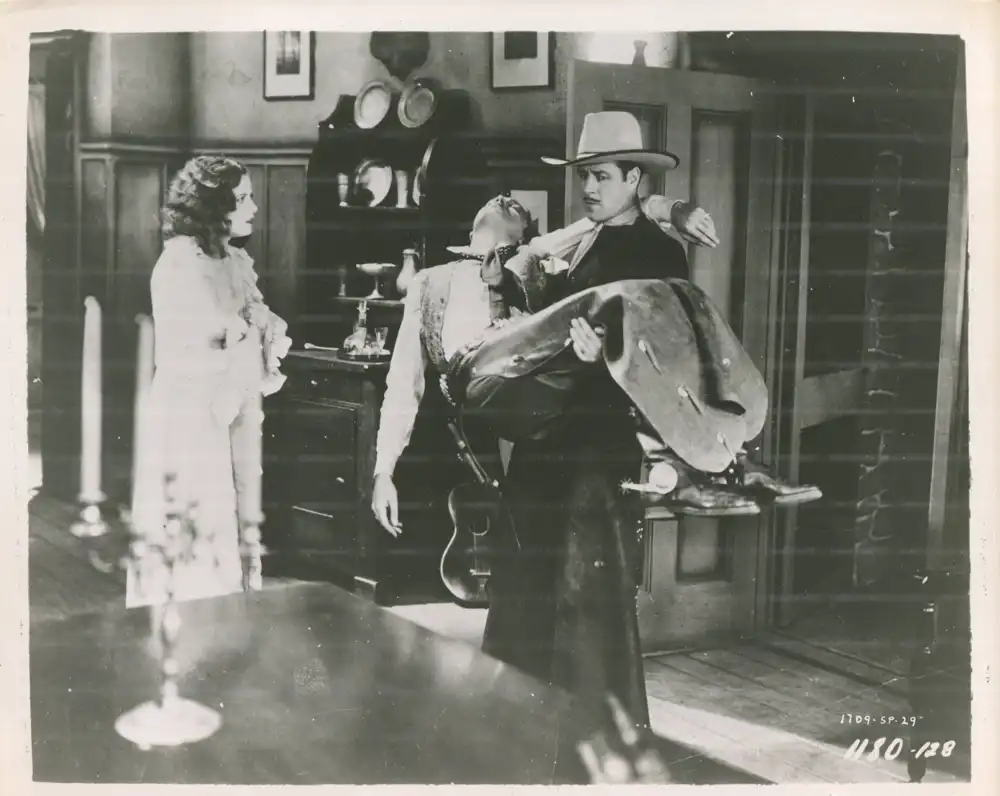
One odd thing I noticed was the use of sound. Sometimes it’s really clear, like horse hooves or gunshots. Other times, the dialogue is a bit muffled, like they were shouting into a tin can. It’s a testament to how new talkies were. You forgive it, because you have to, but it definitely pulls you out of the moment every so often.
The ending wraps up pretty neatly, as you'd expect. Justice is served, the good guys win, and there’s a hint of romance. Nothing too surprising, but satisfying enough. It's the kind of movie you put on a lazy afternoon when you want to see where classic western tropes really started to solidify.
It’s not gonna blow anyone’s mind with its groundbreaking filmmaking or deep philosophical themes. But for a glimpse into early Hollywood, into the very bones of the western genre, and to see Jack Holt doing his thing, it’s an agreeable watch. Just be ready for that early 20th-century pace. It’s a different world. 🕰️
IMDb 2.2
1909
Community
Log in to comment.