DbcultAccessing Vault...
Cult Review
Senior Film Conservator
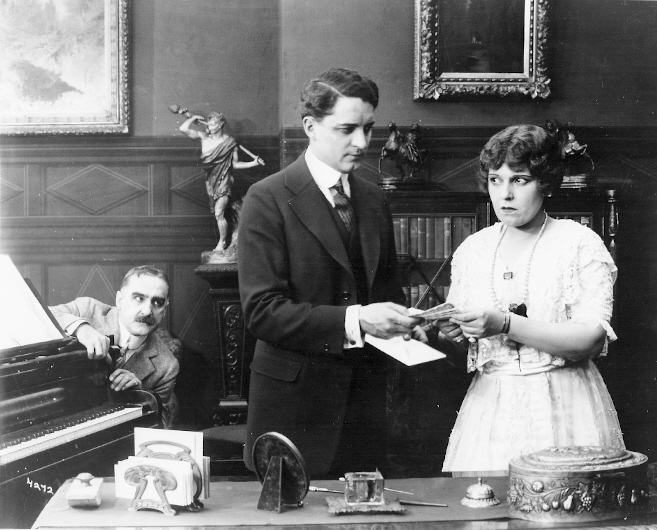
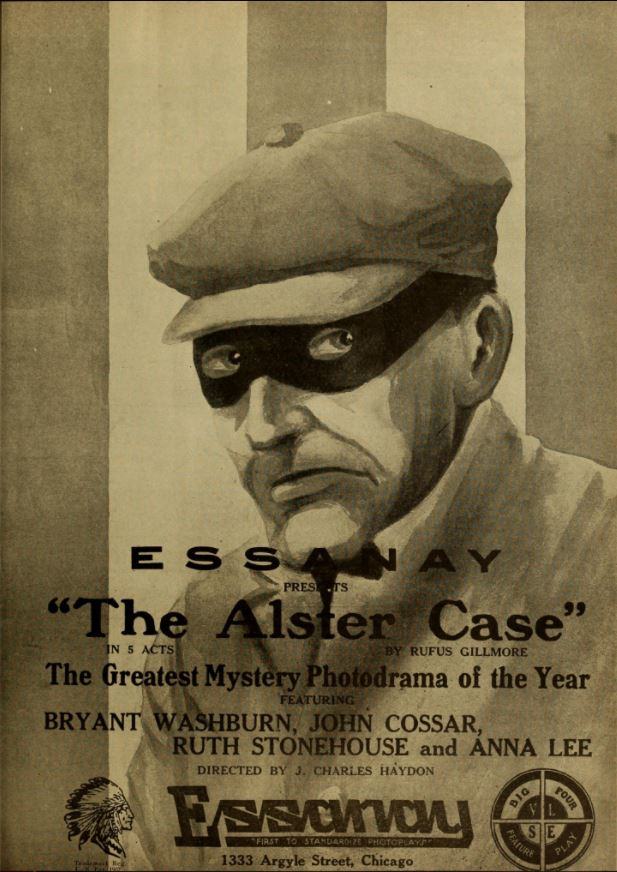
Stepping back into the nascent years of cinematic storytelling, one encounters a treasure trove of narrative experimentation and foundational genre building. Among these early gems, 1915's The Alster Case emerges as a particularly intriguing specimen, a silent-era whodunit that, even today, demonstrates a sophisticated understanding of suspense and misdirection. Directed with an eye for dramatic tension and penned by Rufus Gillmore, this film, starring the formidable Ruth Stonehouse and the captivating Rod La Rocque, offers far more than a mere historical curiosity; it presents a compelling blueprint for the detective thrillers that would dominate the silver screen for decades to come. Its intricate plot, which hinges on domestic secrets and a sudden, shocking murder, holds up remarkably well, a testament to the enduring power of a well-crafted mystery.
The narrative commences with a deceptively simple premise, yet one loaded with socio-economic undertones. Miss Cornelia Alster, a woman of considerable means and, perhaps, a certain solitary disposition, makes an unconventional decision. She secretly names George Swan, a humble lawyer's clerk, as the executor of her last will and testament. This act, veiled in secrecy, immediately establishes a dynamic of hidden motives and potential future conflict, laying the groundwork for the ensuing tragedy. The film masterfully uses this early setup to hint at the fragility of trust and the unexpected connections that can bind disparate lives.
The pivotal evening unfolds with a sequence of events designed to maximize dramatic irony and create a web of circumstantial evidence. Returning unexpectedly early from a theatrical outing, Miss Alster discovers her two young wards, Beatrice and Linda, in what she immediately misinterprets as illicit romantic liaisons. The scene is a brilliant piece of silent cinema exposition, relying on visual cues and the audience's assumptions to build tension. The truth, however, is far more convoluted and deeply unsettling. Linda is not engaged in romance but rather in a desperate struggle with Keith, the family butler. This subplot introduces a darker vein of coercion and blackmail, revealing the insidious undercurrents that often fester beneath the veneer of domestic tranquility. Keith, exploiting some damaging knowledge he possesses about Linda, is extorting money from her, a revelation that instantly casts a pall of suspicion over his character. Meanwhile, Beatrice’s situation is comparatively innocuous; she is merely entertaining her sweetheart, Allen Longstreet, a budding inventor. The film juxtaposes these two scenarios with considerable skill, allowing the audience to simultaneously understand the truth while also experiencing Miss Alster's profound misunderstanding.
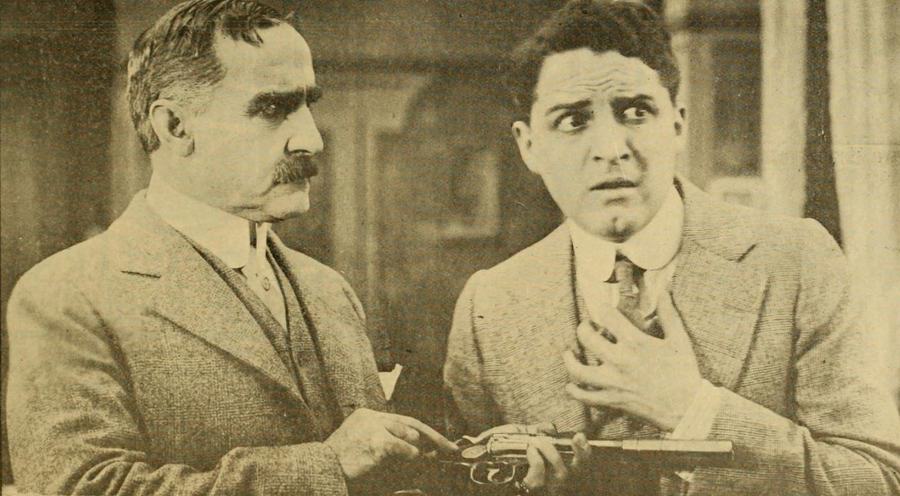
Miss Alster, unaware of the true nature of the encounters, retreats to her room, her mind consumed by the determination to identify the men she believes are compromising her wards. This decision, to observe and wait, inadvertently seals her fate. The following morning, the shocking discovery of her murder plunges the household into chaos and sets the stage for the entry of Detective Trask. Trask, portrayed as a figure of astute observation and methodical deduction, embarks on an investigation that is a classic example of the early detective genre. He meticulously uncovers five distinct clues, each seemingly leading down a different path, deliberately confusing both the characters and the audience. The brilliance of Rufus Gillmore’s screenplay lies in its ability to sustain ambiguity, ensuring that suspicion is spread widely across the cast. The final clue, however, proves decisive, leading to an unexpected denouement that challenges preconceived notions and delivers a genuinely surprising revelation. The film's promise that the criminal is 'in the cast' is both a tantalizing invitation and a clever misdirection, forcing viewers to scrutinize every interaction and every character's potential motive.
In the realm of silent cinema, the power of expression rested squarely on the shoulders of its actors. Ruth Stonehouse, in the titular role of Miss Cornelia Alster, delivers a performance that, though brief in screen time, is pivotal in establishing the film's tragic core. Her portrayal, likely conveyed through subtle gestures and powerful facial expressions, would have communicated Miss Alster's initial sternness, her shock upon discovery, and her fatal resolve. Stonehouse, a prolific actress of the era, understood the nuances required to build character without uttering a single word. Her presence sets the tone for the entire mystery.
Rod La Rocque, as George Swan, the poor lawyer's clerk, brings a quiet dignity to a character whose unexpected inheritance places him squarely in the crosshairs of suspicion. La Rocque's ability to project innocence despite circumstance, or perhaps a brooding intensity, would have been crucial in maintaining the film's ambiguity. The other cast members, including Betty Scott as one of the wards, Bryant Washburn as Allen Longstreet, and Anne Leigh as the other ward, each contribute to the tapestry of potential suspects and victims. Louise Crolius, Beatrice Styler, Arthur W. Bates, and John Cossar round out an ensemble tasked with conveying complex emotions and hidden agendas through purely visual means. The efficacy of their performances is paramount in a silent film; every glance, every hesitant step, every sudden movement is loaded with potential meaning, either confirming or refuting the audience’s developing theories about the killer. The film's success in baffling its audience speaks volumes about the collective talent of this cast in portraying believable, if sometimes duplicitous, characters.
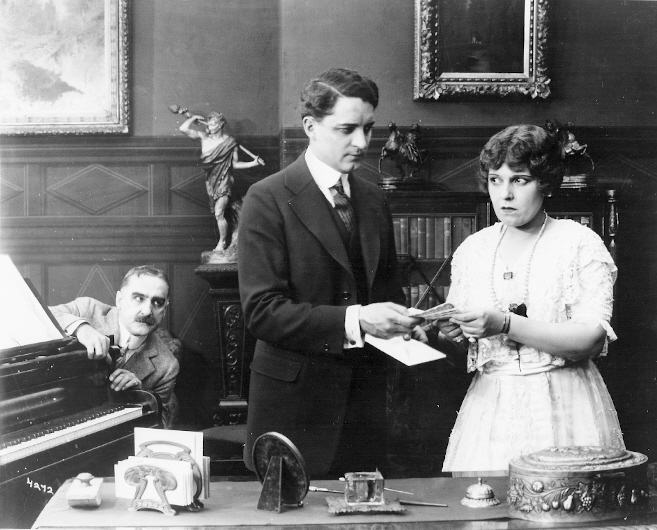
The direction of The Alster Case, though uncredited in the provided details, would have been instrumental in shaping its suspenseful atmosphere. Silent film directors had to be masters of visual storytelling, utilizing framing, editing, and mise-en-scène to communicate narrative beats and emotional states. The scene of Miss Alster's return, for instance, would have relied on rapid cuts between her perspective and the activities of her wards, building a sense of urgency and misinterpretation. Lighting would have played a critical role in creating mood; perhaps shadowed corridors and dimly lit rooms to heighten the sense of mystery and danger. The use of intertitles, while serving as direct exposition, would also have been carefully crafted to enhance the dramatic impact, posing questions or revealing clues at precisely the right moment to maximize engagement. The pacing of the investigation, the methodical presentation of clues by Detective Trask, would have been a delicate balance, ensuring that the audience felt they were solving the puzzle alongside him, only to be surprised by the eventual revelation. This careful orchestration of visual elements is what elevates a simple story into a compelling cinematic experience, demonstrating the early filmmakers' intuitive grasp of their nascent medium's power.
The Alster Case stands as a fascinating example of the early 20th century's burgeoning fascination with detective fiction translated to the screen. The genre, already popular in literature through figures like Sherlock Holmes and Monsieur Lecoq, found a natural home in cinema, where visual clues and dramatic reveals could be powerfully exploited. This film, with its focus on a domestic murder and a limited pool of suspects, foreshadows the 'country house' mystery trope that would become a staple of Golden Age detective fiction. The construction of the plot, with its deliberate red herrings and an unexpected perpetrator, aligns perfectly with the conventions that would later define the genre's most celebrated works.
When considering other films of the era, The Alster Case holds its own as a significant contribution to the mystery genre. While films like The Clue or Monsieur Lecoq might explore similar themes of crime and detection, The Alster Case distinguishes itself through its tight, contained narrative and its emphasis on the psychological impact of suspicion within a confined domestic sphere. The film’s ability to generate genuine surprise, even with the limited tools of silent cinema, is a testament to its strong script by Rufus Gillmore and effective direction. It avoids the more sensationalist or overtly action-oriented approaches seen in some contemporary thrillers, opting instead for a methodical unraveling of secrets. The film’s focus on the detective's systematic process of eliminating suspects and gathering evidence would become a foundational element for countless future cinematic investigations, influencing the very grammar of on-screen detection.
The thematic underpinnings are also worth noting. The film subtly explores class distinctions through characters like George Swan, the humble clerk, and the wealthy Miss Alster, highlighting how fate and circumstance can intertwine lives across social strata. The hidden lives of Beatrice and Linda, one entangled in blackmail and the other in a secret romance, speak to the societal pressures and clandestine behaviors that often lay beneath the surface of respectable households. This layer of social commentary, while not overtly didactic, adds depth to what could otherwise be a straightforward puzzle. The film effectively uses the murder as a catalyst to expose these underlying tensions and secrets, proving that domestic tranquility is often a carefully constructed illusion, easily shattered by deceit or desperation.
Despite its age and the inherent limitations of the silent film medium, The Alster Case remains a compelling piece of early cinematic history. Its narrative complexity, strong characterizations (conveyed through the potent visual language of silent acting), and sophisticated plotting make it more than just a historical artifact; it is a genuinely engaging mystery. The film’s ability to maintain suspense and deliver a truly unexpected resolution without a single spoken word is a powerful reminder of the artistry and ingenuity of early filmmakers. It challenged audiences to be active participants in the detection process, scrutinizing every visual cue and piecing together the puzzle alongside Detective Trask. The enduring question, 'Which one do you think committed the crime?', is as relevant today as it was over a century ago, a testament to the film's timeless appeal and its masterful construction of a baffling, yet ultimately solvable, enigma.
For aficionados of classic cinema, especially those with a penchant for the foundational works of the mystery genre, The Alster Case offers a rich and rewarding viewing experience. It allows us to appreciate how early storytellers crafted intricate narratives with rudimentary tools, laying the groundwork for the complex thrillers we enjoy today. It's a testament to the fact that a compelling story, well told, transcends technological advancements and continues to captivate across generations. The film stands as a silent beacon, illuminating the very origins of cinematic suspense and demonstrating that the art of the whodunit was perfected long before the advent of sound.
IMDb —
1925
Community
Log in to comment.