DbcultAccessing Vault...
6.6/10
Senior Film Conservator
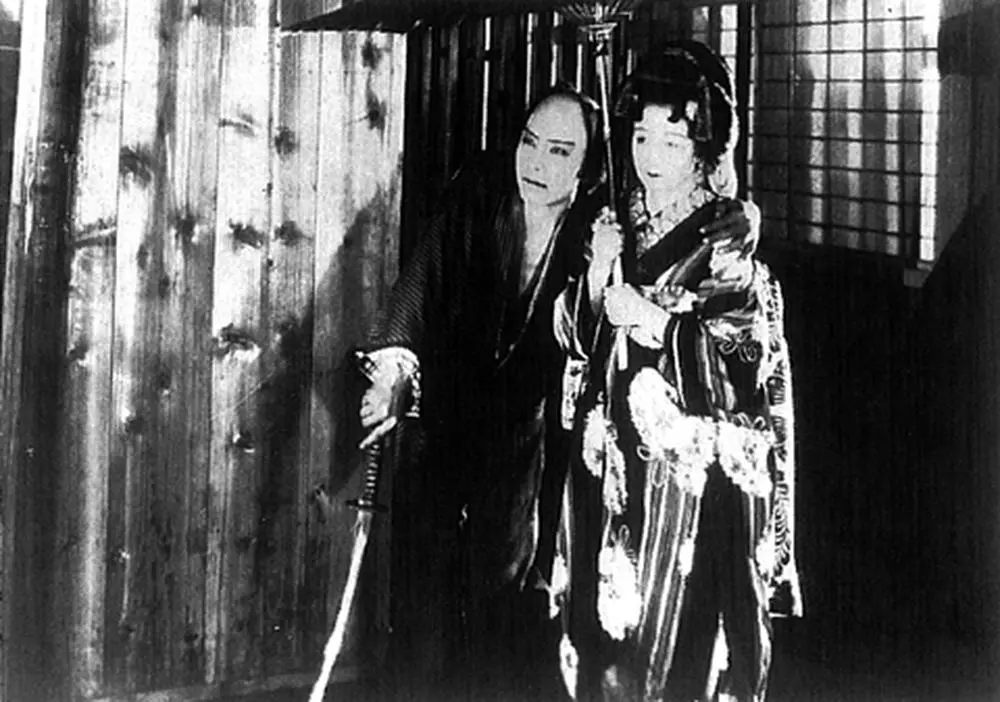
A definitive 6.6/10 rating for a film that redefined the boundaries of cult cinema. Sword of Penitence remains a cornerstone of transgressive art.
Is Sword of Penitence worth your time in the modern era? Short answer: yes, but only as a skeletal map of a genius’s origins. This is not the polished, domestic Ozu we know from his later masterpieces; it is a raw, often clunky foray into the jidaigeki genre that offers a rare glimpse into a master finding his voice.
This film is for the cinema historian and the Ozu completionist who wants to see the DNA of a legend. It is absolutely not for someone looking for a high-octane action flick or the refined 'pillow shots' that defined Ozu’s later career. It is a rough draft of a legacy.
1) This film works because it grounds a familiar redemption arc in the visceral, uncomfortable reality of familial betrayal rather than just external villainy.
2) This film fails because it relies too heavily on the melodramatic tropes of the 1920s, often sacrificing character nuance for theatrical pacing.
3) You should watch it if you are fascinated by the transition of Japanese silent cinema from stage-influenced drama to visual storytelling.
It is jarring to see the name Yasujirō Ozu attached to a film about swords and criminals. We are used to the quiet hum of a tea kettle or the gentle sadness of a daughter leaving home. Here, we get the grit of the street. In Sword of Penitence, Ozu (alongside writer Kōgo Noda) attempts to navigate the 'revolving door' of the criminal justice system.
The film’s focus on Ishimatsu’s return from prison is reminiscent of the themes found in Les Misérables, Part 1: Jean Valjean. Both protagonists find that the world outside the cell is often more restrictive than the one inside. One specific scene—Ishimatsu standing at the threshold of his brother’s home—perfectly captures this. The physical barrier of the door represents the social barrier he cannot cross.
The direction is surprisingly kinetic. Unlike the static cameras of Ozu’s later years, there is a sense of movement here that feels borrowed from Western directors like Ernst Lubitsch. It is a fascinating, if inconsistent, display of youthful experimentation. It works. But it’s flawed.
The core of the film isn't the action; it’s the relationship between Ishimatsu and Sakichi. While Ishimatsu represents the desire for change, Sakichi represents the comfort of the status quo. Sakichi isn't a mustache-twirling villain. He is a man who genuinely believes his brother is being foolish for trying to 'go straight.'
Consider the moment when Sakichi offers Ishimatsu a drink and a job with his old gang. The way the scene is framed—with Sakichi in the light and Ishimatsu retreating into the shadows—tells the story better than any title card could. It’s a classic noir setup before noir even had a name. This thematic depth elevates it above other contemporary works like The Man Above the Law.
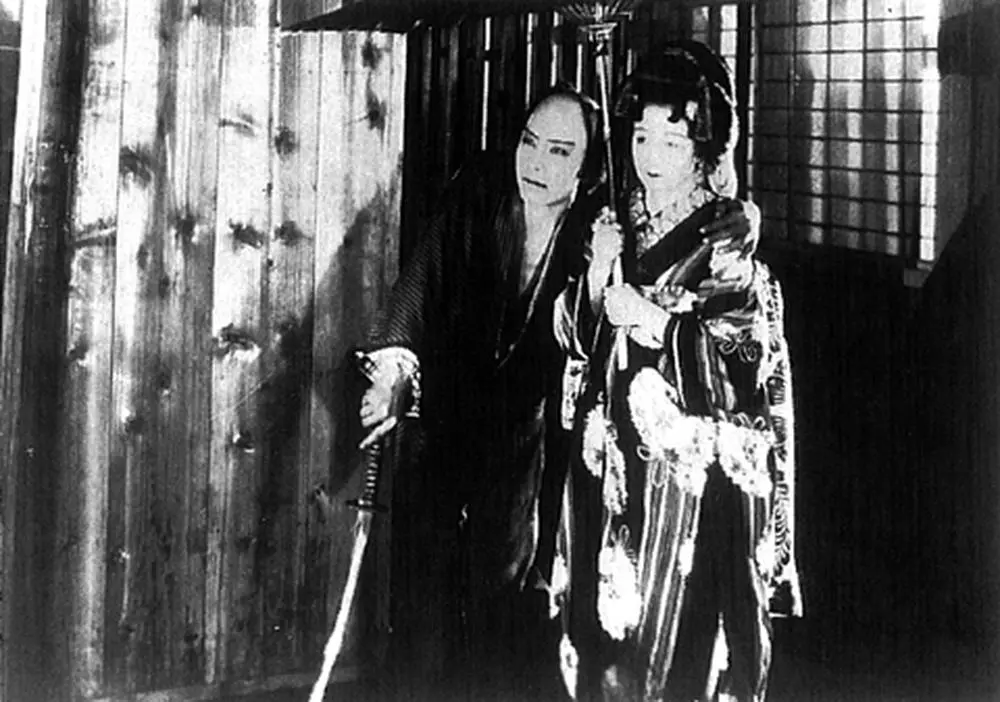
Kanji Kawara’s performance as Sakichi is the standout. He brings a level of casual cruelty to the role that makes the eventual conflict feel inevitable rather than forced. He is the anchor that prevents Ishimatsu from sailing into a peaceful harbor.
Despite being a lost film for many years, the fragments and scripts we analyze reveal a director obsessed with space. Even in 1927, Ozu was experimenting with how characters occupy a room. In the scene where Ishimatsu meets his old partners, the camera placement creates a sense of claustrophobia. You feel the walls closing in on his ambitions.
The pacing, however, suffers from the era’s penchant for over-explanation. There are moments where the film lingers too long on a single emotional beat, a stark contrast to the punchy editing found in The Exiles. It struggles to find a balance between the internal monologue of the protagonist and the external demands of the genre.
The tone is relentlessly grim. There is little room for the humor Ozu would later become famous for. It is a cynical piece of work, perhaps reflecting Ozu's own dissatisfaction with being forced to direct a period piece while his heart was in modern dramas. The 'sword' in the title is more of a curse than a weapon of honor.
If you are looking for a standalone cinematic experience that will move you to tears, look elsewhere. However, if you want to understand how a master is built from the ground up, this is essential viewing. It provides the necessary context to understand why Ozu eventually rejected these high-drama tropes in favor of the 'everyday.'
The film serves as a bridge between the traditional Japanese storytelling of the Meiji era and the modernism of the Showa era. It is a historical document that happens to be a movie. Watching it is an exercise in archaeological appreciation.
Pros:
The script by Kōgo Noda is tight and thematic. It avoids the aimlessness of films like The Scarlet Road. The acting is grounded for the time, avoiding the excessive gesturing common in early silent cinema. It also offers a unique look at the criminal underbelly of old Japan.
Cons:
The film is technically rough around the edges. The lighting in the outdoor scenes often feels flat compared to the interior work. Additionally, the ending feels somewhat rushed, as if the director was eager to move on to his next project.
Sword of Penitence is a fascinating failure. It tries to be a genre-defining jidaigeki while simultaneously deconstructing the very idea of the 'heroic' outlaw. It doesn't quite succeed at either, but the attempt is more interesting than the successes of many other directors of that period. It lacks the polish of Hearts and Flowers, but it possesses a raw energy that is undeniable.
Ultimately, the film is a testament to the fact that even the greatest artists start with something imperfect. It is a gritty, dark, and often frustrating piece of cinema that demands your attention not for what it is, but for what it promised. It is the first step on a journey that would eventually change the world of film forever. Watch it for the history, stay for the sparks of genius.
IMDb —
1919
Community
Log in to comment.