DbcultAccessing Vault...
7.1/10
Senior Film Conservator
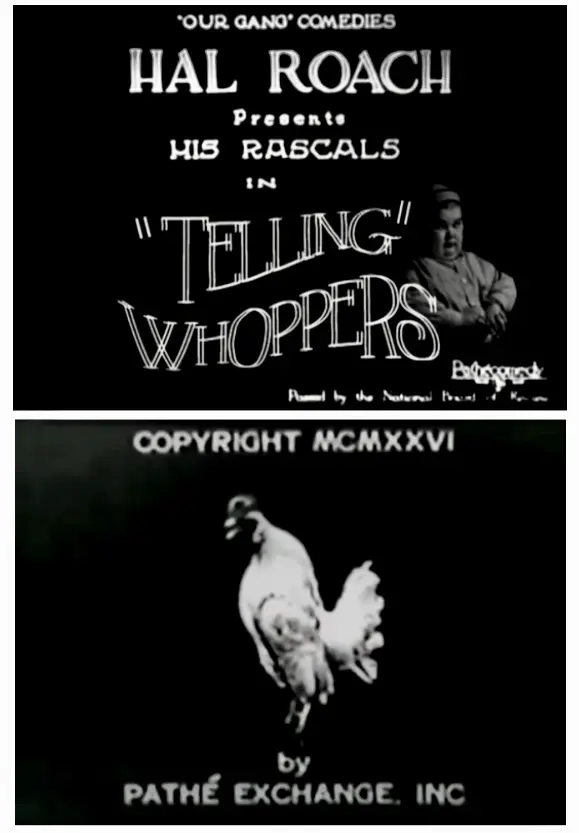
A definitive 7.1/10 rating for a film that redefined the boundaries of cult cinema. Telling Whoppers remains a cornerstone of transgressive art.
Is “Telling Whoppers” worth watching today? Short answer: yes, but with significant caveats regarding its historical context and a surprisingly dark undercurrent. This film is an absolute must-see for devotees of early cinema, particularly fans of the 'Our Gang' shorts, offering a fascinating glimpse into the comedic sensibilities and moral messaging of the era, though it might baffle or even displease modern viewers accustomed to more straightforward narratives and less problematic humor.
This film works because of its stellar child performances and its bold willingness to explore the disproportionate consequences of childhood mischief. It fails because its central premise, while dark, isn't fully explored to its comedic or dramatic potential, often relying on broad strokes rather than nuanced character development. You should watch it if you appreciate the historical significance of early short films and can overlook dated sensibilities for the sake of observing foundational comedic techniques.
The film's core premise, while deceptively simple, is a masterclass in escalating stakes. It begins innocently enough: Farina and Joe, eager for status within their youthful cohort, concoct an elaborate, entirely fabricated tale of confronting and besting the local bully. This initial scene, though brief, sets the stage with a vibrant portrayal of childhood bravado, a common thread in many 'Our Gang' shorts. The quick acceptance by the other children, eager for a hero, highlights the often-unquestioning nature of youthful camaraderie and the power of a good story.
The narrative's shift occurs with a brutal, almost jarring efficiency. The casual announcement of the bully's actual murder immediately transforms the boys' playful deception into a nightmare. This tonal pivot is “Telling Whoppers'” most audacious move. What was a lighthearted comedy of errors suddenly becomes a psychological thriller for two terrified children. The pacing here is sharp; there's little time for the audience, or the protagonists, to adjust before the weight of their lie crashes down.
It's a testament to the writers, Hal Roach and H.M. Walker, that they managed to imbue such a short film with this kind of narrative whiplash. The story doesn't dwell on the details of the “murder” itself, which is wise. Instead, it focuses squarely on the subjective experience of Farina and Joe, amplifying their paranoia and fear. This decision keeps the film grounded in the children's perspective, making their escalating terror relatable, even if the circumstances are extreme. The story is less about the crime and more about the crushing burden of perceived guilt.
The progression from a trivial fib to a life-altering fear is remarkably swift, a characteristic often found in short-form narratives where every moment must count. We see the initial swagger of the boys, their puffed chests and confident retelling, quickly deflate into wide-eyed panic. This rapid emotional transition is key to the film's enduring impact, demonstrating how quickly youthful innocence can be shattered by the specter of adult consequences. It’s a short film. But its impact lingers.
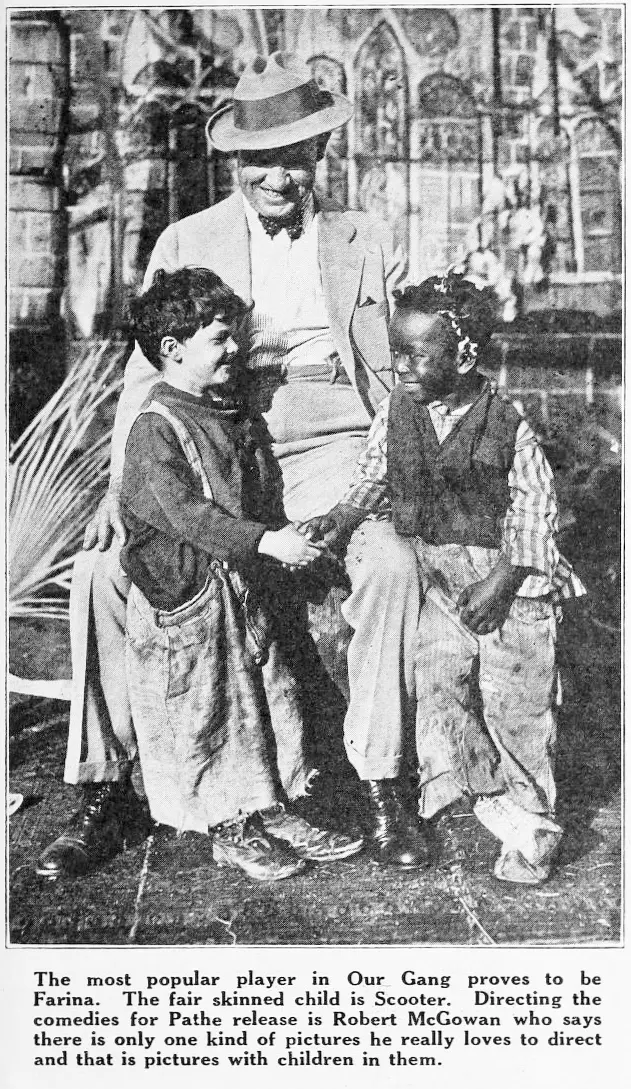
The heart of “Telling Whoppers” undoubtedly lies in the performances of Allen 'Farina' Hoskins and Joe Cobb. These young actors, already seasoned by numerous 'Our Gang' appearances, carry the film's emotional weight with surprising depth. Farina, in particular, displays a remarkable range, transitioning from boastful bravado to wide-eyed, genuine terror. His expressions, often exaggerated for comedic effect in other shorts, here serve to underscore the profound fear gripping his character. It’s an acting lesson in non-verbal communication, showcasing how a child's face can convey an entire world of internal panic.
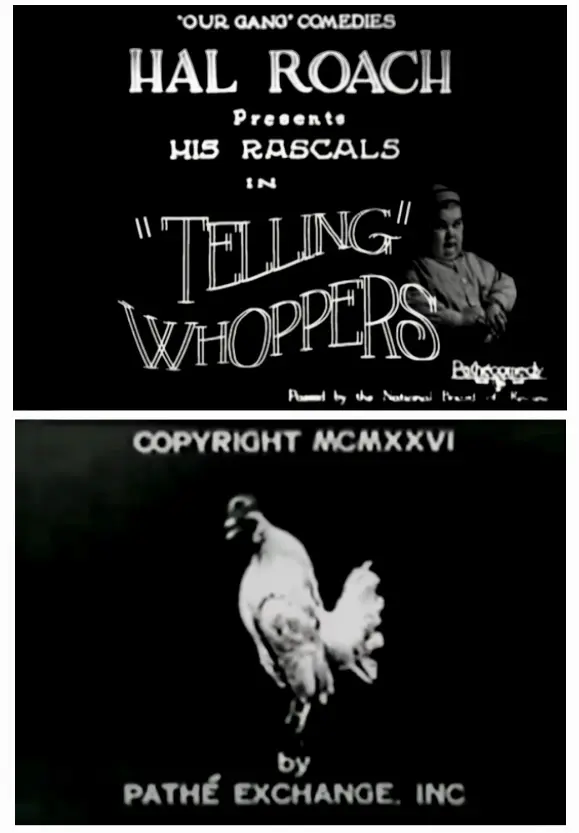
Joe Cobb, with his distinctive build and often stoic demeanor, acts as a perfect foil. His initial participation in the fib is more reserved, but his fear, once the murder news breaks, is palpable. The dynamic between Farina's more expressive panic and Joe's internalizing dread creates a compelling duo. Their desperate attempts to avoid detection, their whispered anxieties, and their shared glances of terror are the film’s strongest elements. These aren't just kids reciting lines; they are embodying a very real, very frightening predicament, a testament to their nascent talent.
The supporting cast, including Jackie Condon and Jay R. Smith as members of the gang, provide the necessary audience for the initial lie and the subsequent ripple of fear. Their reactions, though secondary, are crucial in establishing the credibility of the boys' initial fib and the subsequent impact of the “murder” news. Without their belief, the central conflict wouldn't ignite. It’s a collective effort, but Farina and Joe are undeniably the anchors, their performances elevating what could have been a simple gag into something with genuine emotional stakes.
The authenticity of their fear is perhaps the most striking element. We see them huddle, their faces contorted, their body language conveying a desperate attempt to become invisible. This raw, unfiltered portrayal of childhood terror is what makes the film resonate beyond its comedic setup. It’s a bold choice to ask so much of child actors, and they deliver with a conviction that belies their age.
Hal Roach, a name synonymous with early Hollywood comedy, demonstrates a keen understanding of visual storytelling even in this brief format. The direction in “Telling Whoppers” is deceptively simple, yet highly effective. Roach understands that with child actors and a high-concept premise, clarity is paramount. He uses straightforward camera angles and efficient editing to keep the focus squarely on the children's reactions, allowing their performances to drive the narrative. There are no elaborate tracking shots or complex compositions; instead, the camera serves as an unobtrusive observer, capturing the raw emotions of its young subjects.
Consider the scene where Farina and Joe first hear the news of the bully's death. The camera likely holds tight on their faces, allowing the audience to witness the exact moment their playful deception transforms into genuine horror. This kind of direct, unembellished approach creates an immediacy that still resonates. While not as visually grand as some of his later works, or even contemporaries like The Masqueraders, Roach's direction here proves that sometimes, less is indeed more.
The cinematography, typical of the era, is functional and clear. There’s a naturalistic quality to the outdoor settings, which grounds the fantastical premise in a believable, everyday world for these children. The lighting is generally bright, contrasting sharply with the dark subject matter, creating an almost ironic visual tone. This lack of overt stylistic flourish allows the performances and the inherent tension of the plot to take center stage, a choice that benefits the film immensely. The use of natural light further emphasizes the vulnerability of the children, caught in a predicament that feels too real for their innocent world.
The tonal tightrope “Telling Whoppers” walks is perhaps its most fascinating, and potentially problematic, aspect. It begins as a lighthearted 'Our Gang' comedy, full of youthful mischief and the universal desire to impress peers. Yet, it quickly veers into territory that flirts with psychological horror for its protagonists. The film explores themes of guilt, the weight of deception, and the disproportionate consequences that can arise from seemingly innocent lies. It's a cautionary tale wrapped in a comedic package, a blend that might feel jarring to modern audiences expecting a more consistent tone.
The underlying message is clear: lies, even small ones, can have unforeseen and terrifying repercussions. This moral lesson is delivered with a bluntness typical of early cinema, but it’s the sheer terror experienced by Farina and Joe that makes it truly impactful. The film doesn't shy away from depicting their genuine anguish, turning what could have been a simple farce into something far more unsettling. It’s a surprisingly dark exploration for a children's short, perhaps more akin to the moral complexities seen in something like Destiny's Toy, albeit through a comedic lens.
One could argue that the film's strength lies in its refusal to fully commit to pure comedy or pure drama, instead dwelling in an uncomfortable, liminal space. This ambiguity, while potentially off-putting, forces the audience to confront the seriousness of the children's predicament, elevating the film beyond mere slapstick. It’s a bold choice, and one that makes “Telling Whoppers” stand out from many of its more overtly cheerful contemporaries. The true horror of “Telling Whoppers” isn't the murder itself, but the psychological torment inflicted by self-incrimination, which resonates more powerfully than any physical threat.
Despite its comedic roots, “Telling Whoppers” inadvertently serves as a compelling, albeit brief, study in childhood paranoia, predating psychological thrillers by decades in its focus on internal fear.
Absolutely, but with a discerning eye. For cinephiles and historians, “Telling Whoppers” is a fascinating artifact. It showcases the early talents of child actors who would become iconic figures in the silent era and beyond. It also provides a window into the narrative structures and moralizing tendencies prevalent in short films of the time. The film's unique blend of light comedy and genuine dread makes it a compelling study in tonal shifts, a daring move for its period.
However, for a casual viewer seeking straightforward entertainment, it might be a challenging watch. The humor, while present, is often overshadowed by the boys' escalating terror, which can feel surprisingly intense. The film's abrupt shift in mood and its somewhat unresolved conclusion might leave some modern audiences feeling uneasy or unsatisfied. It demands a willingness to engage with historical cinema on its own terms, appreciating its innovations while acknowledging its dated elements.
Ultimately, it's a piece of film history that, despite its brevity, sparks discussion. It’s a testament to the fact that even in early shorts, filmmakers weren't afraid to tackle complex emotions and dark themes, albeit often disguised within a comedic framework. It’s a film that earns its place in the archives, even if it doesn't always earn easy laughs.
IMDb 5.6
1925
Community
Log in to comment.