DbcultAccessing Vault...
6.3/10
Senior Film Conservator
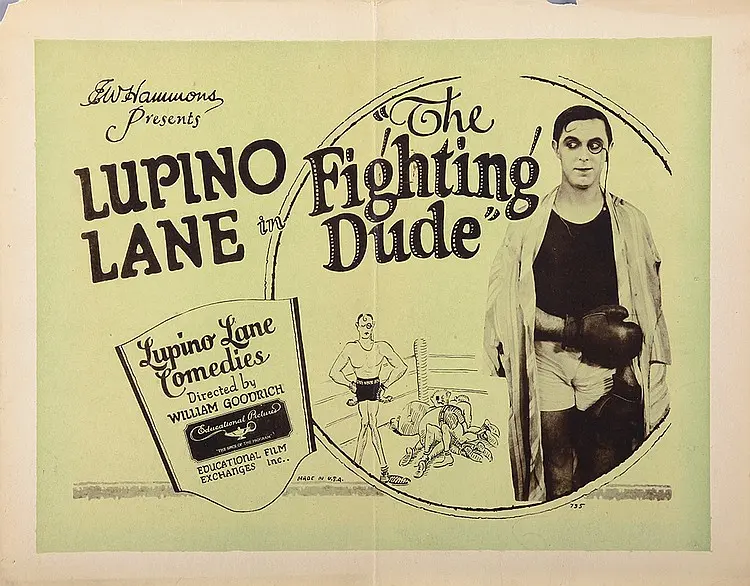
A definitive 6.3/10 rating for a film that redefined the boundaries of cult cinema. The Fighting Dude remains a cornerstone of transgressive art.
Is The Fighting Dude a lost gem of the silent era? Short answer: Yes, but only if you have a high tolerance for the repetitive, bone-crunching physical comedy that defined the mid-1920s.
This film is specifically for students of silent cinema and fans of acrobatic slapstick. It is absolutely not for those who require a sophisticated plot or a traditional romantic payoff.
This film works because of Lupino Lane’s superhuman elasticity. He moves with a liquid grace that makes even his most violent falls look like a choreographed dance. Unlike the stoic stone-face of Buster Keaton, Lane plays the 'sap' with a frantic, desperate energy that feels surprisingly modern.
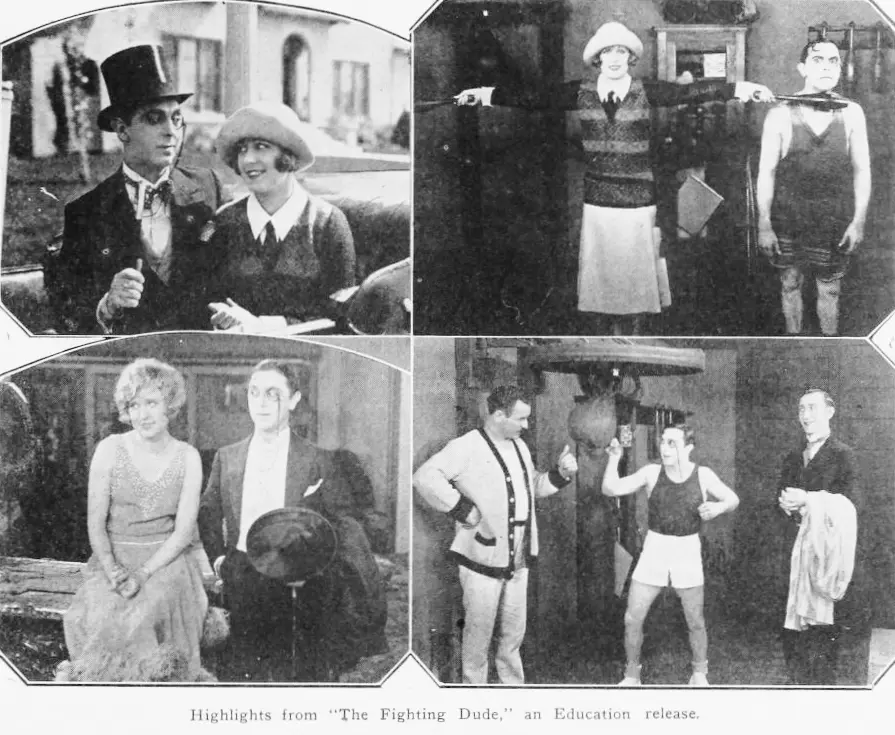
This film fails because it leans too heavily on a repetitive structure. The 'get beaten up, train, get beaten up again' cycle is a staple of the genre, but here it feels slightly padded, even for a short. There are moments where the pacing drags, specifically during the middle gymnasium sequences.
You should watch it if you want to see a master of physical timing work under the direction of the disgraced but brilliant Roscoe Arbuckle. It is a fascinating look at how comedy was evolving just before the advent of sound.
Lupino Lane was never as famous as Chaplin or Lloyd, but his technical skill was arguably superior to both. In The Fighting Dude, his performance is a masterclass in the 'slow-burn' failure. When he enters the gymnasium for his first lesson, his confidence is palpable and entirely unearned. The way he interacts with the heavy equipment—tripping over weights that shouldn't be in his way—is a testament to his spatial awareness.
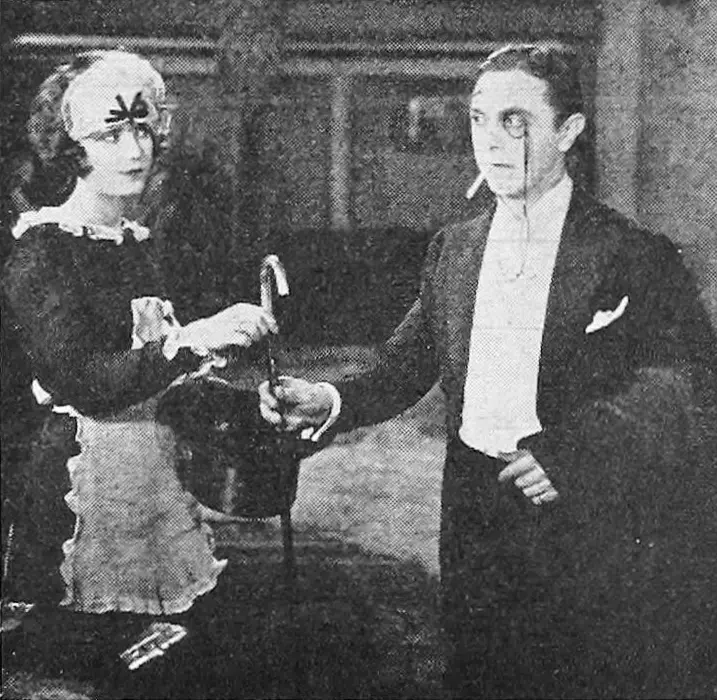
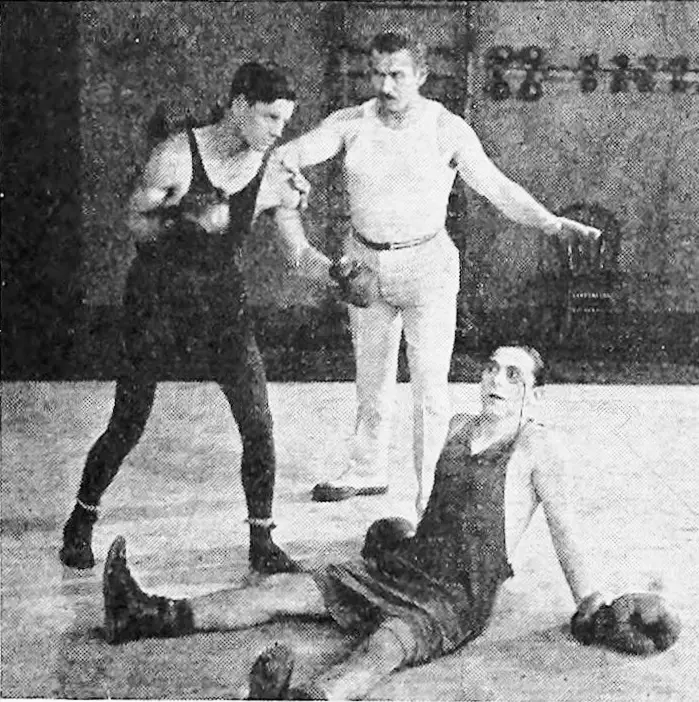
One specific moment stands out: Lane attempting to use the punching bag. It isn't just that he misses; it's the way his entire body reacts to the air he hits. He sells the momentum of a failed strike with such conviction that you feel the phantom impact in your own joints. This isn't just falling; it's a controlled disintegration of the human form.
Compared to other films of the era, such as The Nervous Reporter, Lane’s work here is much more focused on the physicality of the individual rather than the situational irony of the plot. He is the spectacle.
By 1926, Roscoe Arbuckle was working under the name William Goodrich. His direction in The Fighting Dude is sharp, clinical, and devoid of the sentimentality that often crept into Chaplin’s work. Arbuckle understood the geometry of a gag. He knew exactly where to place the camera to maximize the impact of a kick or a tumble.
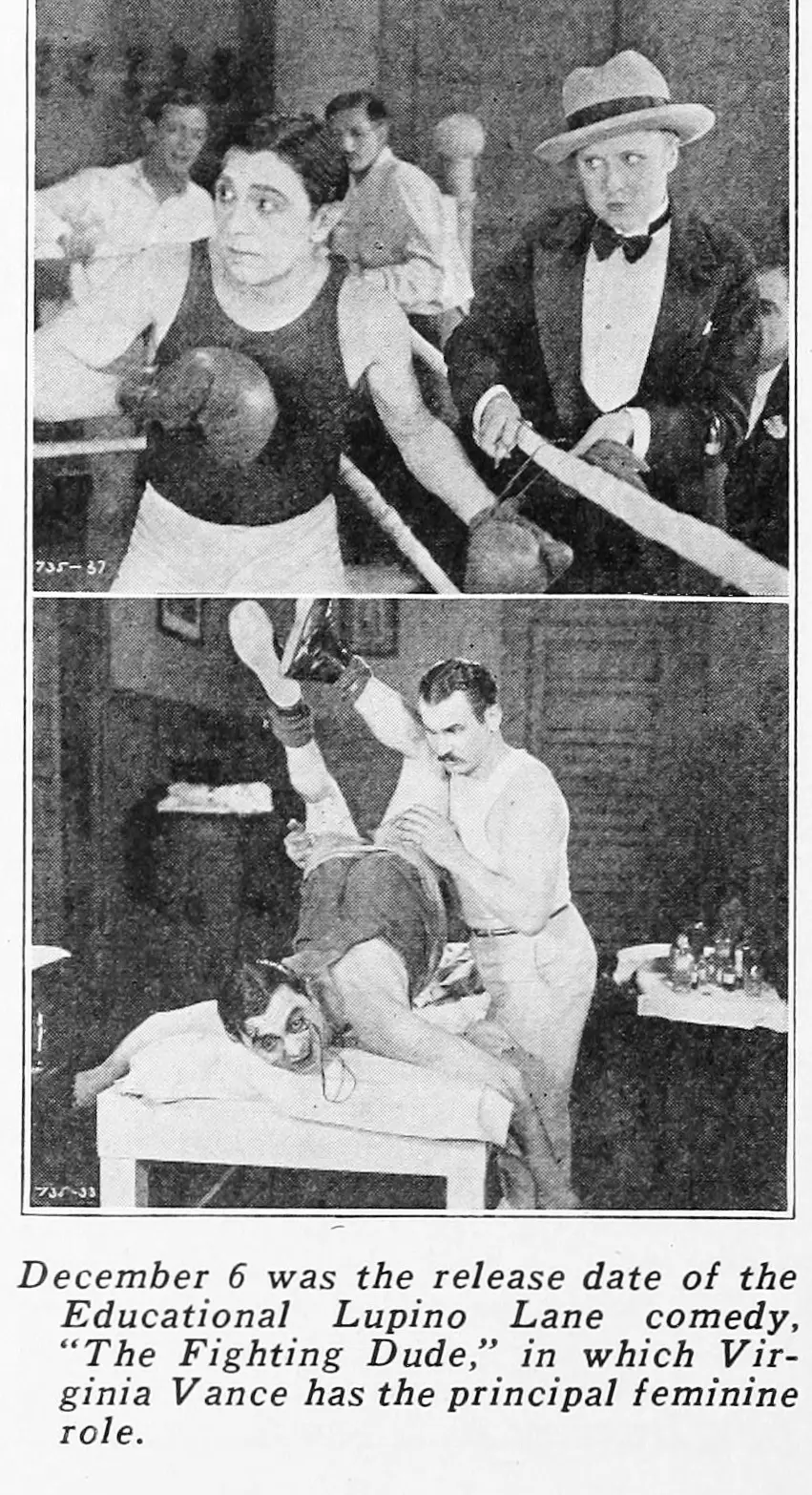
The framing of the boxing matches is particularly effective. Instead of wide shots that capture the whole ring, Arbuckle often pushes in, making the space feel claustrophobic. This heightens the comedy of Lane’s character being trapped with a superior athlete. It turns the ring into a cage, and the protagonist into a very confused hamster.
There is a cynicism here that mirrors other Arbuckle-directed shorts. It lacks the hopeful whimsy found in A Friendly Husband. Instead, it presents a world where effort does not necessarily lead to success. It’s a bleak outlook dressed up in baggy pants and oversized boxing gloves.
If you are looking for a quick burst of high-energy comedy, then yes, The Fighting Dude is worth your time. It serves as an excellent entry point into the work of Lupino Lane, who remains one of the most underrated performers of the silent era. The film’s brevity is its strength; it doesn't overstay its welcome, despite the repetitive nature of its gags.
However, if you prefer the narrative depth found in films like Who Killed Simon Baird? or the dramatic weight of La belle Russe, you will likely find this short to be a bit shallow. It is a piece of pure entertainment designed for the front end of a double feature, not a deep philosophical inquiry.
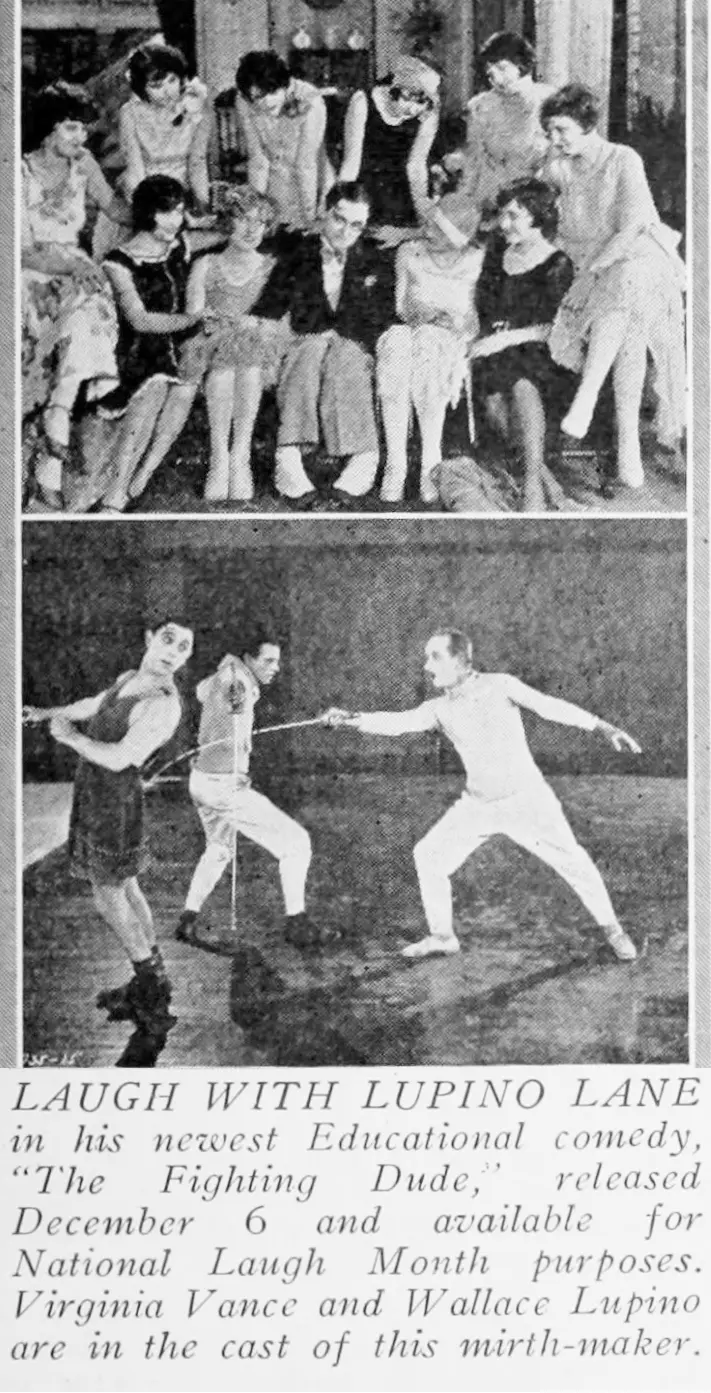
The most striking element of The Fighting Dude is its ending. In the standard Hollywood narrative, the underdog trains hard, wins the fight, and gets the girl. The Fighting Dude follows this trajectory until the very last second, then pivots into a dark, comedic reality check. Lane wins the fight on the golf course, but he has lost the war of attention.
The girl, played with a charmingly aloof quality by Virginia Vance, doesn't wait for the dust to settle. She leaves with two other men. This is a punchy, brutal subversion of the 'prize' trope. It suggests that while Lane was busy trying to become a 'man,' the world moved on without him. It’s a surprisingly adult conclusion for a slapstick short.
This cynical twist makes the film feel more grounded than contemporaries like Big Dan. It acknowledges that sometimes, even when you do the work and win the battle, you still lose the game. It’s a harsh lesson wrapped in a series of pratfalls.
The cinematography in The Fighting Dude is functional but effective. The outdoor shots on the golf course offer a nice contrast to the cramped, sweaty atmosphere of the gymnasium. The use of natural light in the final sequence gives the 'rough and tumble' fight a sense of realism that the earlier boxing matches lack.
The pacing is brisk, though the middle act could have benefited from a bit more variety. The six-lesson montage is a highlight, showing Lane’s character evolving from a complete novice to someone who is merely incompetent. The transition from the gym to the professional bout is handled with a quickness that keeps the audience from questioning the logic of the setup.
Compared to the epic scale of something like Creation, this is a small-scale production, but it uses its limited resources perfectly. The props are simple, the locations are standard, and the focus remains entirely on the performers.
The physical comedy is top-tier. Lane’s stunts are genuinely impressive and often look quite dangerous. The direction is tight, and the film doesn't waste any time getting to the action. The ending is a fantastic subversion of expectations that adds a layer of depth to an otherwise simple story.
The supporting cast is largely sidelined to make room for Lane’s antics. The 'rival' character is a one-dimensional brute with no real personality. The middle section of the film feels a bit like a retread of the opening gags, just in a different setting.
The Fighting Dude is a lean, mean, and occasionally cruel piece of silent comedy. It works. But it’s flawed. It relies almost entirely on the physical charisma of its lead, and while Lupino Lane is more than capable of carrying the weight, the script doesn't give him much else to do. It’s a fascinating artifact of a time when comedy was a contact sport.
"Lane doesn't just fall; he disintegrates. It is a masterclass in the art of the loser."
If you’ve already exhausted the filmographies of the 'Big Three' (Chaplin, Keaton, Lloyd), this is the logical next step. It’s rougher, faster, and significantly more cynical. It’s a reminder that even in the 1920s, the guy who worked the hardest didn't always get the girl. Sometimes, he just got a headache.
IMDb 6.2
1924
Community
Log in to comment.