DbcultAccessing Vault...
Cult Review
Senior Film Conservator
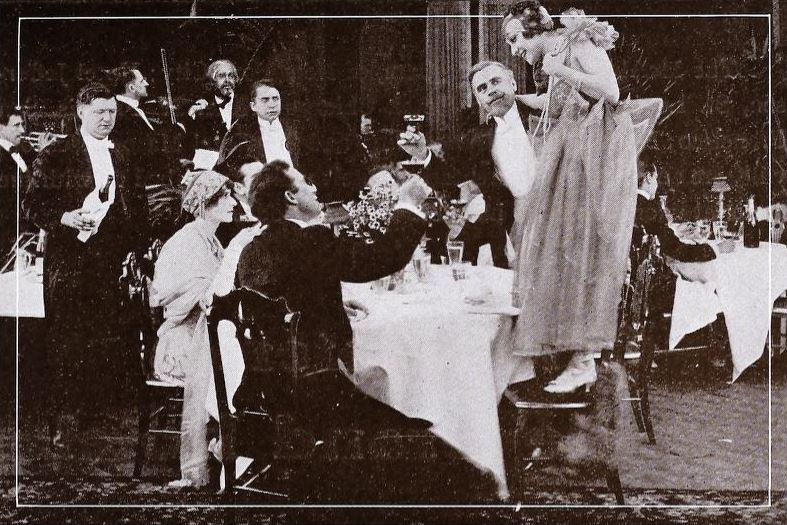
Stepping into the flickering glow of early cinema, one often encounters narratives steeped in the grand traditions of melodrama – tales of virtue besieged, villainy unchecked, and justice, however belated, ultimately served. Howard Irving Young’s *The Call of the Dance* is precisely such a spectacle, a vibrant tapestry woven from threads of artistic ambition, brutal crime, unexpected romance, and the relentless pursuit of retribution. It's a film that, even through the lens of its synopsis, promises a rollercoaster of emotions, a journey from paternal disapproval to the dazzling heights of stardom, only to be plunged into the darkest recesses of urban vice and personal tragedy. This isn't merely a silent film; it's a silent scream, a whispered hope, and a thunderous dance of destiny played out against the backdrop of an unforgiving world.
At the heart of this tumultuous narrative is Natalie, portrayed with what must have been captivating grace by Jenny Dolly. Her passion for dance, an intrinsic part of her being, forms the initial conflict, clashing dramatically with her father, Jim Hall’s, stern disapproval. This familiar trope of artistic aspiration versus parental pragmatism sets a poignant tone, reminiscent of countless stage and screen dramas where young talent yearns to break free. However, Natalie finds an unlikely ally and surrogate father figure in old Carlo, a musician whose soul resonates with her artistic spirit. This bond, forged in shared love for music and movement, is a beautiful, albeit fragile, counterpoint to the harsh realities that soon engulf Natalie’s world. The film immediately establishes a protagonist whose dreams are potent enough to defy familial expectations, a characteristic that would endear her to audiences then, just as it would now. It's a testament to the timeless appeal of a character driven by an inner calling, a theme explored with varying degrees of success in films like Only a Factory Girl, where societal expectations often clash with individual desires, or even Behind the Scenes, which delves into the struggles of theatrical life.
The idyllic world Natalie inhabits is brutally shattered when her burgeoning beauty attracts the malevolent attention of Brace, a henchman in the employ of the shadowy vice lord, Fisk (Edward Roseman). This sudden plunge into the criminal underworld is swift and merciless. Spud Howell, at Brace's command, kidnaps Natalie, setting in motion a chain of tragic events. Jim Hall, attempting to protect his daughter, pays the ultimate price, a stark reminder of the dangerous world Natalie has unwillingly entered. This act of violence, the murder of a protective father, imbues the narrative with a profound sense of injustice and impending doom. It immediately raises the stakes, transforming a personal drama into a fight for survival against systemic evil. The film, through this plot point, taps into deep-seated societal fears about vulnerability and the pervasive reach of organized crime, a theme that echoes in grittier urban dramas such as Peterburgskiye trushchobi, which often depicted the grim realities of life in the underbelly of society. The portrayal of Fisk as a powerful, unseen hand controlling Brace suggests a sophisticated criminal enterprise, adding layers of menace to Natalie's predicament.
Enter Marston (Guy Coombs), an assistant district attorney, whose path providentially crosses Natalie's. The twist that Marston is oblivious to his uncle, Fisk, being the very head of the vice ring he unknowingly battles adds a delicious layer of dramatic irony and moral complexity. This familial connection to the antagonist elevates Marston's character beyond a mere rescuer, hinting at a deeper, more personal conflict waiting to unfold. Marston's discovery of Natalie's plight and subsequent rescue sets the stage for a burgeoning romance, a beacon of hope amidst the darkness. Their connection is not born of casual flirtation but forged in the crucible of shared trauma and heroic intervention. Marston's efforts to provide Natalie with a fresh start, securing her a position in a friend's office, speak to his noble intentions. However, the world remains a dangerous place, even for a woman trying to rebuild her life. Natalie's resignation after her employer makes unwanted advances underscores the precarious position of women in that era, a subtle yet powerful commentary on societal vulnerabilities that resonates with the struggles depicted in films like The Governor's Ghost, where political intrigue often mirrors personal exploitation, or even
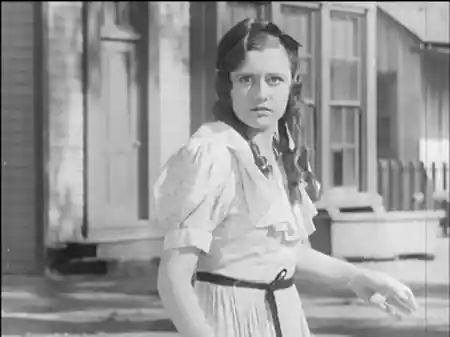
 Cinematic perspective: Exploring the visual vocabulary of The Call of the Dance (1915) through its definitive frames.
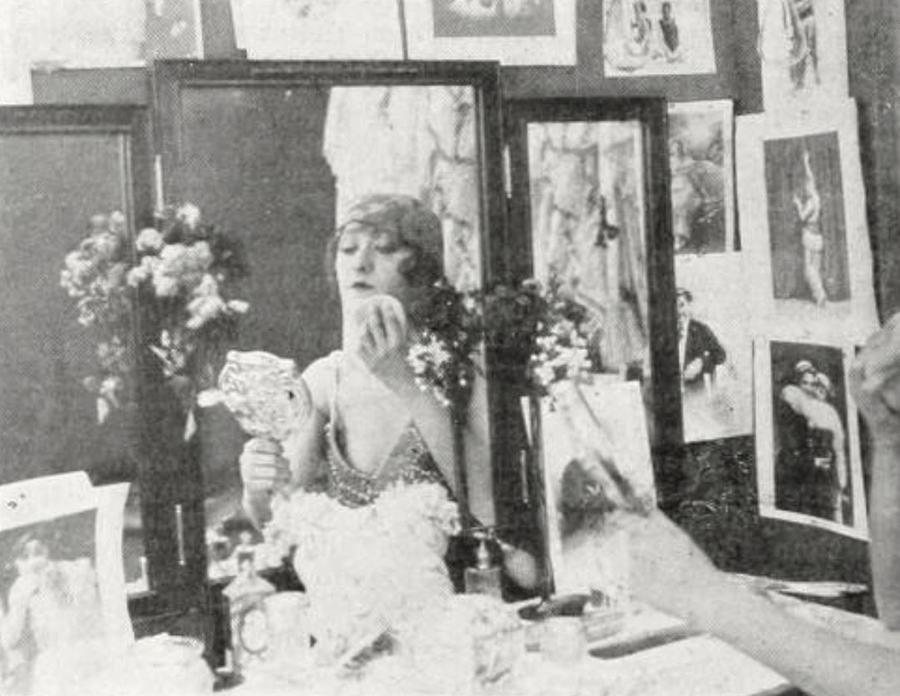
Driven by necessity and perhaps an unyielding internal compass, Natalie returns to her true calling: the stage. She lands a position in the chorus of a musical comedy company, a humble beginning for a star in the making. This return to the world of performance is not merely a plot device; it's a thematic affirmation of her identity. Her exceptional dancing quickly captures the manager's attention, and when fate intervenes in the form of the principal dancer falling ill, Natalie seizes her moment. Her subsequent performance is described as "wonderful," propelling her to fame. This meteoric rise is a classic rags-to-riches narrative, yet it’s tinged with the lingering shadow of her past. The stage, for Natalie, is both a sanctuary where she can express her authentic self and a spotlight that ironically makes her visible to the very forces she sought to escape. This aspect of the narrative shares common ground with films that celebrate the power of performance and the inherent drama of theatrical life, such as The Rival Actresses, which explores the competitive and often perilous world behind the curtain. Her transformation from a vulnerable victim to a celebrated artist is a powerful arc, demonstrating resilience and the triumph of talent against adversity, even if that triumph is fleeting.
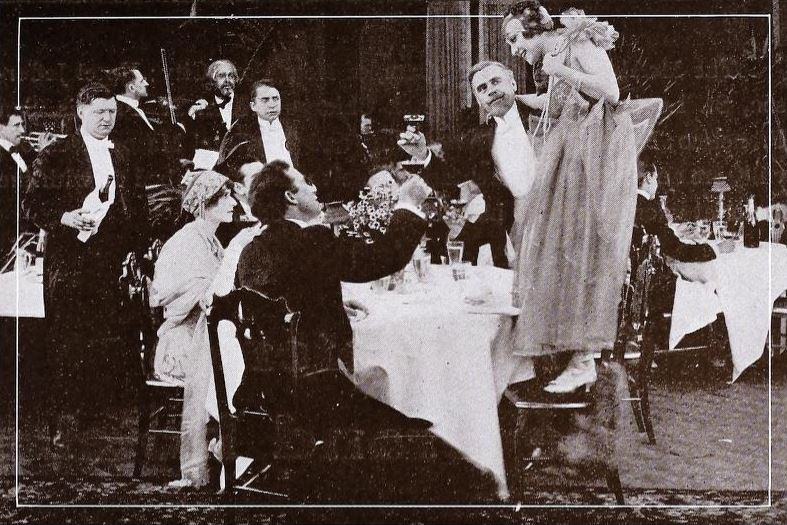
The threads of destiny, once seemingly severed, begin to intertwine again with chilling precision. Marston, having lost track of Natalie, rediscovers her through her newfound fame when he visits the theater. This reunion, however, is overshadowed by the renewed presence of Fisk, who, now madly infatuated with Natalie, invites her to a dinner. This entanglement is the narrative's cruelest twist, bringing Natalie back into the orbit of the man responsible for her father's death and her personal trauma. The dinner itself becomes a crucible of fate. Carlo, Natalie's old friend and mentor, now employed at the very restaurant hosting Fisk’s function, recognizes him as the man who "blasted his life." This revelation injects a potent element of personal revenge into the already volatile mix, transforming Carlo from a gentle musician into an instrument of justice. The film expertly builds tension towards this climax, a convergence of all key players in a confined, high-stakes environment. The subsequent events – Fisk contriving to get Natalie alone in his apartment, Marston trailing the party, and Carlo following – create a breathless sequence of escalating peril, reminiscent of the dramatic confrontations found in films like The Hindu Nemesis, where long-simmering revenge finally erupts, or the suspenseful pursuits in Captain Swift.
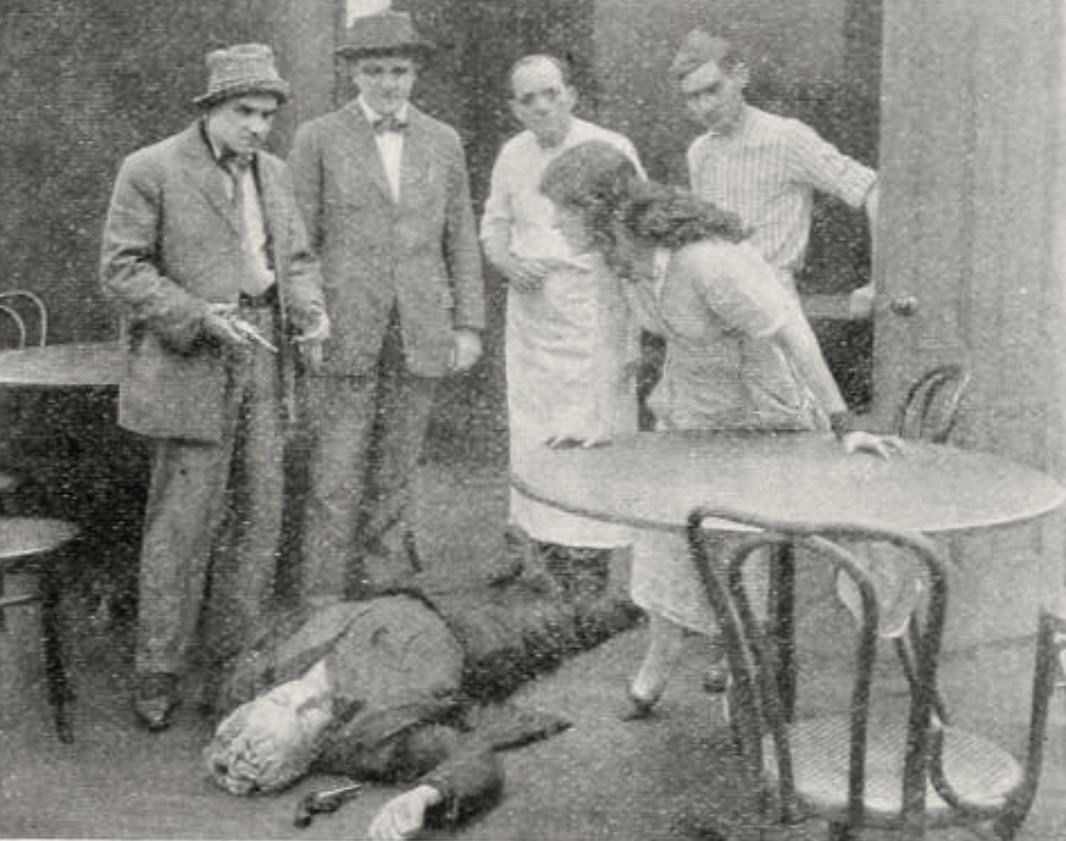
The climax of *The Call of the Dance* is a brutal, chaotic ballet of violence and retribution. Marston, hearing Natalie's cries for help, batters down the door to Fisk's apartment, only to arrive in time to witness Carlo, having climbed through a window, shoot Fisk dead. This moment is profoundly impactful: justice is served, but not by the official hand of the law, but by the desperate, vengeful act of a man whose life was ruined. It complicates the moral landscape, presenting a form of vigilante justice that, while understandable, carries its own tragic consequences. The ensuing chaos is swift and devastating: Brace, Fisk's loyal enforcer, attempts to shoot Marston but misses, fatally striking Carlo instead. The tragic irony of Carlo's death – a man seeking justice for his own ruined life, only to die in the act of securing it for his protégé – adds a layer of profound pathos to the film. Fisk is dead, Brace is arrested, and Marston cradles a traumatized Natalie. The resolution is bittersweet, marked by both triumph and sorrow. The film, in its final moments, leaves us with the enduring image of Natalie, a survivor, forever marked by the violence that surrounded her ambition. This climactic sequence, with its rapid-fire betrayals and deaths, echoes the intense, often morally ambiguous endings of films like La Salome or La Broyeuse de Coeur, where passion and revenge often lead to devastating outcomes.
Howard Irving Young's narrative, while steeped in early 20th-century melodramatic conventions, explores themes that remain strikingly relevant. The central theme of innocence corrupted is palpable throughout Natalie’s journey. Her initial purity of artistic intent is repeatedly assaulted by the predatory nature of men, from the vice lord Fisk to the unnamed employer who makes advances. This highlights a pervasive societal issue, making Natalie’s struggle not just personal but emblematic of a broader female experience. The film also delves deeply into the corrupting influence of power, embodied by Fisk, whose wealth and connections allow him to operate a vice ring and prey on the vulnerable with impunity. His character serves as a stark warning against unchecked authority and moral decay. Furthermore, the narrative powerfully illustrates the redemptive, yet also perilous, power of art. For Natalie, dance is both her escape and her means of survival, a source of identity and a magnet for danger. Her ambition, while leading to fame, also inadvertently draws her back into the clutches of her tormentor. This duality – art as both salvation and vulnerability – is a compelling aspect of the story, giving it a depth beyond simple good-versus-evil dichotomies.
The notion of justice, too, is complexly portrayed. While Marston represents the official arm of the law, true retribution ultimately comes from Carlo, a victim of Fisk's past transgressions. This vigilante act, born of profound personal suffering, raises questions about the efficacy of formal justice versus the raw impulse for revenge. It's a morally grey area that adds considerable grit to the film's otherwise melodramatic framework. The film also subtly explores the concept of fate, or perhaps the inescapable cycles of violence and consequence. Despite Natalie's attempts to move on, the past relentlessly catches up, demonstrating a fatalistic view of human struggle. This intricate web of themes elevates *The Call of the Dance* beyond a simple potboiler, inviting viewers to ponder the enduring questions of morality, survival, and the human spirit's resilience in the face of overwhelming odds. It's a narrative that, for its time, was likely quite daring in its depiction of vice and the vulnerability of women, echoing the social commentary found in works like The Seven Sisters or even the broader societal critiques present in As You Like It, albeit through a much darker, more urban lens.
While specific directorial choices are often lost to the mists of time for many early silent films, the strength of *The Call of the Dance* undoubtedly lay in its vivid characterizations and the power of its cast. Jenny Dolly, as Natalie, would have been tasked with conveying a vast spectrum of emotions – from innocent joy in dance to profound terror and resilience – entirely through physical expression and facial nuance. Her performance would have been central to the film's emotional impact, carrying the weight of the audience's empathy. Guy Coombs as Marston, the stalwart hero, would have needed to project both legal authority and romantic tenderness, a delicate balance for a silent performer. Edward Roseman's Fisk would have required a sinister gravitas, a silent menace that could chill an audience without uttering a single word. Orlando Daly’s Carlo, perhaps the most tragic figure, would have conveyed loyalty, sorrow, and ultimately, a burning, desperate need for revenge, making his final act both shocking and profoundly moving. The ensemble, including George Romain, Rollo Lloyd, and Frank Leonard in supporting roles, would have contributed to the rich tapestry of this dramatic world.
Howard Irving Young’s screenplay orchestrates these characters and events with a keen sense of dramatic pacing. Even without dialogue, the narrative structure is robust, building suspense, introducing new conflicts, and delivering cathartic, if tragic, resolutions. The visual language of early silent cinema, relying on intertitles for exposition and exaggerated gestures for emotion, would have been crucial in bringing Young's vision to life. One can imagine the dramatic close-ups on Natalie's face during her dance, the menacing shadows cast by Fisk, or the frantic energy of the final confrontation. The film's legacy, even if its prints are rare, lies in its representation of a particular era's storytelling sensibilities – its embrace of high drama, moral clarity (despite the grey areas of justice), and the enduring power of individual struggle against overwhelming odds. It's a reminder that even in its nascent stages, cinema was capable of tackling complex human experiences with profound emotional resonance. *The Call of the Dance* stands as a testament to the enduring power of narrative, a silent symphony of human passions and perils that continues to resonate, inviting us to reflect on the timeless dance between fate and free will.
IMDb 6.3
1936
Community
Log in to comment.