DbcultAccessing Vault...
Cult Review
Senior Film Conservator
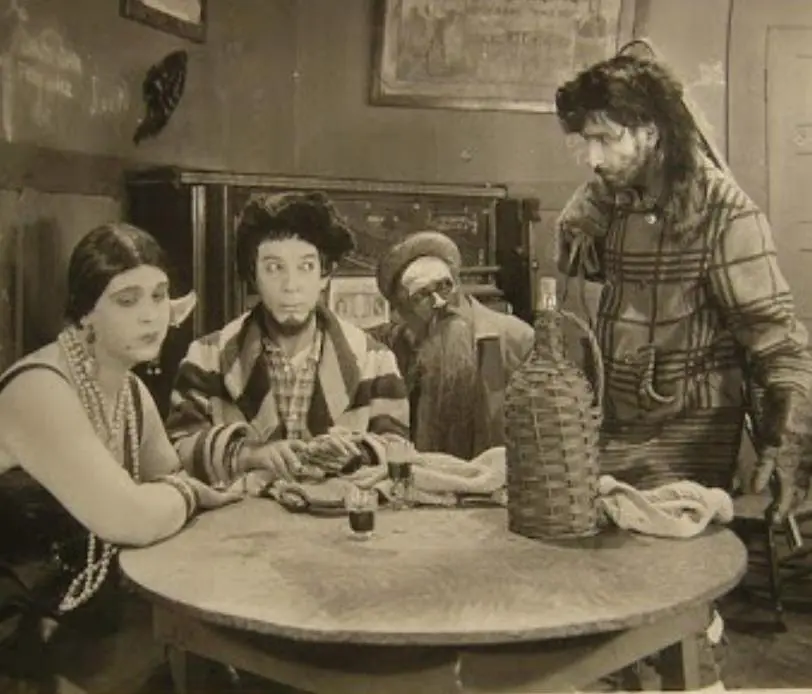
Is “Tame Men and Wild Women” worth watching today? Short answer: yes, but with significant caveats. This peculiar silent-era romantic comedy is a fascinating historical artifact, a window into early 20th-century comedic sensibilities and gender roles, making it ideal for dedicated film historians and silent cinema aficionados. However, its dated humor and potentially problematic themes mean it's absolutely not for those seeking a universally relatable or progressively minded viewing experience.
Stepping back into the early 20th century of cinema often feels like visiting a foreign land. The gestures are grander, the expressions more pronounced, and the narratives, at times, bafflingly simple yet profoundly revealing of their era. Such is the case with “Tame Men and Wild Women,” a film that, despite its somewhat provocative title, delivers a brand of humor and romance that is distinctly of its time. It’s a relic. But an interesting one.
The film’s premise is, to put it mildly, unconventional. We are introduced to Arthur, a man of thirty-one years, who has apparently lived a sheltered existence to the point where the revelation of Santa Claus’s non-existence is a life-altering event. This isn't just a quirky character detail; it's the entire catalyst for the plot. His mother, fearing he’ll fall prey to the same romantic pitfalls as his male ancestors, dispatches him to a military academy. It’s a bizarre solution to a peculiar problem, setting a tone that swings between earnest romantic pursuit and outright farce.
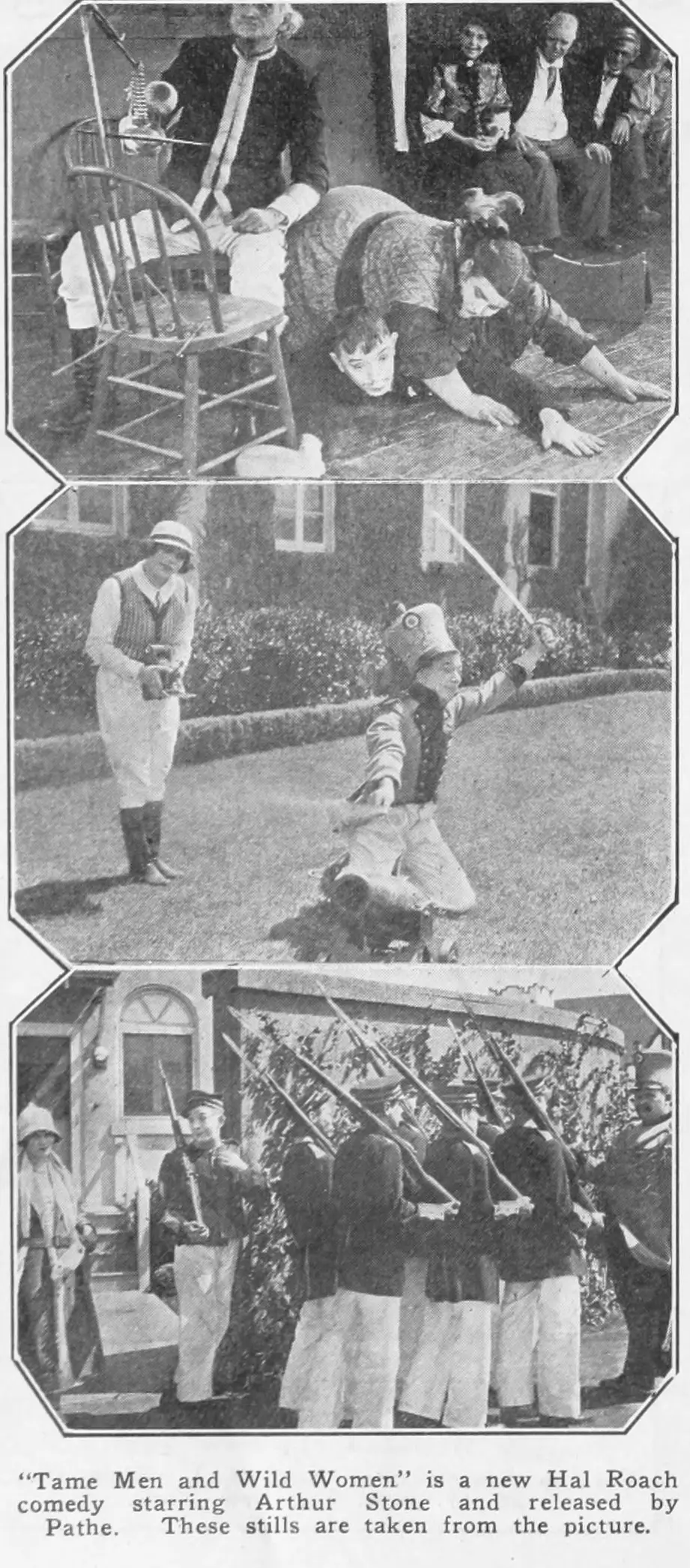
At the academy, Arthur’s romantic focus shifts to Marie, the General’s daughter. Their courtship, fraught with the General’s disapproval and Arthur’s own social ineptitude, forms the backbone of the film’s comedic incidents. The narrative culminates in Arthur’s successful, if somewhat clumsy, efforts to marry Marie. It’s a journey from childlike naiveté to marital bliss, filtered through a lens that views women as something to be 'secured' and men as needing 'taming'—or perhaps, simply guidance.
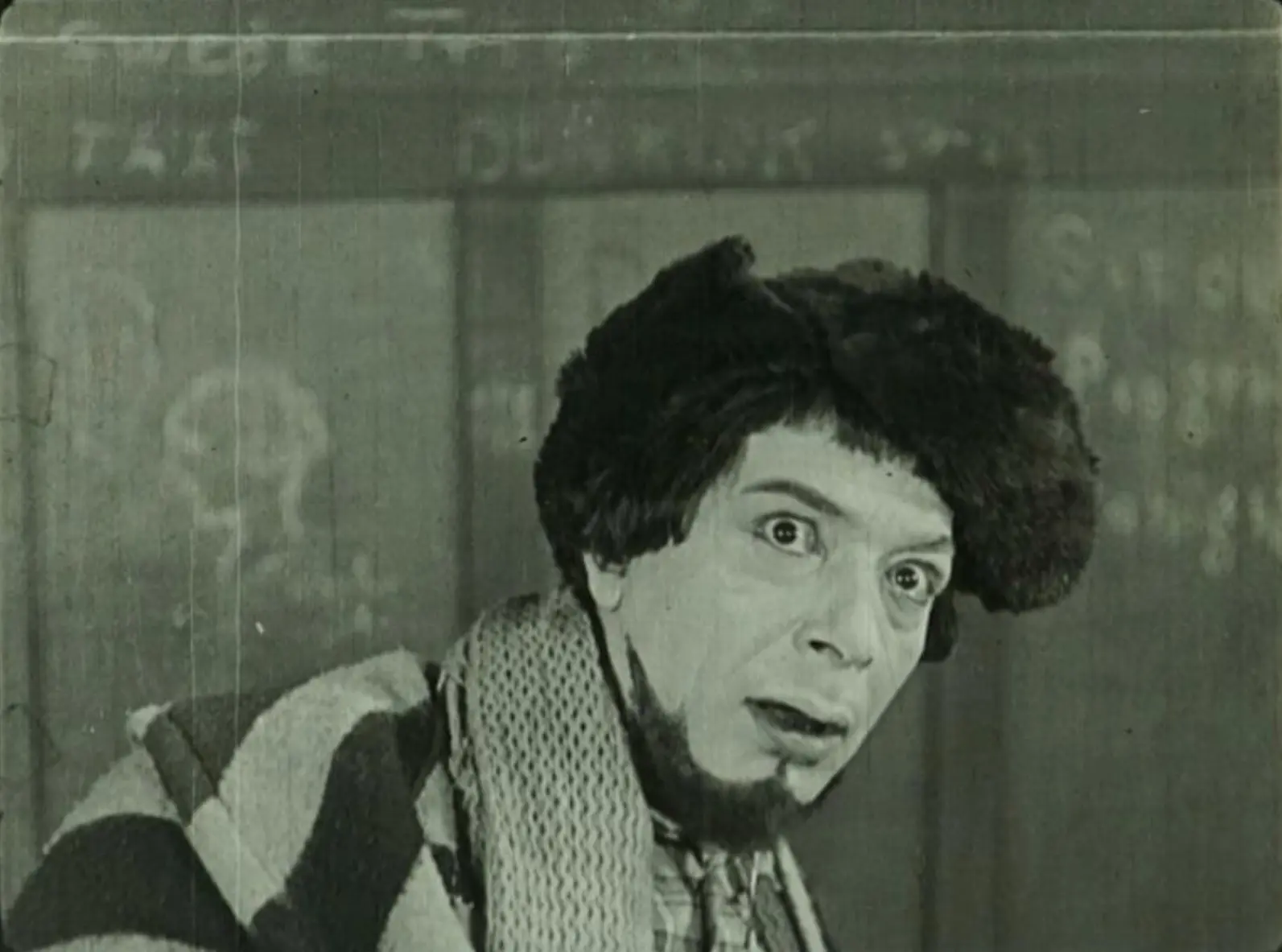
The success of any silent film hinges heavily on the physicality and expressiveness of its cast, and “Tame Men and Wild Women” is no exception. Marvin Loback, as Arthur, carries the bulk of the comedic heavy lifting. His portrayal of the overgrown man-child is a masterclass in silent-era exaggerated emotion. From the initial wide-eyed shock of his Santa Claus revelation to his clumsy attempts at wooing Marie, Loback uses every muscle in his face and body to convey Arthur’s internal world. One particular scene, where Arthur attempts to salute the General with an almost comically delayed reaction, perfectly encapsulates his character’s awkward charm.
Marie Mosquini, as Marie, provides a necessary counterpoint to Loback’s antics. Her initial disdain is palpable, conveyed through subtle eye-rolls and stiff body language that slowly melts into affection. Mosquini’s ability to transition from exasperation to genuine warmth, often with just a flicker of expression, grounds the more outlandish elements of the plot. The supporting cast, including Louise Carver as Arthur’s well-meaning but misguided mother and Sammy Brooks in a comedic role, all contribute to the film’s vibrant, if melodramatic, tapestry.
The direction, while not attributed, showcases a clear understanding of silent film storytelling. Pacing is brisk, particularly during the aforementioned “amusing incidents.” These moments often involve physical comedy, such as a chaotic chase scene through the academy grounds that relies on quick cuts and well-timed pratfalls. The camera work, while rudimentary by modern standards, effectively frames the action, often using wide shots to capture the full scope of a comedic set piece, then cutting to closer shots to emphasize a character’s reaction. It’s functional, but undeniably effective for its time.
The cinematography of “Tame Men and Wild Women” is typical of early silent features—utilitarian yet charming. Lighting is often flat but ensures clarity, a crucial element when dialogue is absent. The use of intertitles is sparse enough to keep the action flowing, yet frequent enough to clarify plot points and character motivations, often delivered with a witty, archaic flourish. The visual gags are paramount, and the film leans heavily into physical comedy, which translates well even a century later.
The tone is overwhelmingly comedic, bordering on farcical. There’s a lightness to the proceedings, even when dealing with themes of societal expectations and gender roles. The film doesn’t take itself too seriously, which is its saving grace. It’s a romantic comedy, yes, but one steeped in the sensibilities of a bygone era, where misunderstandings and physical humor were the primary drivers of entertainment. The film’s charm lies in its unapologetic embrace of this style.
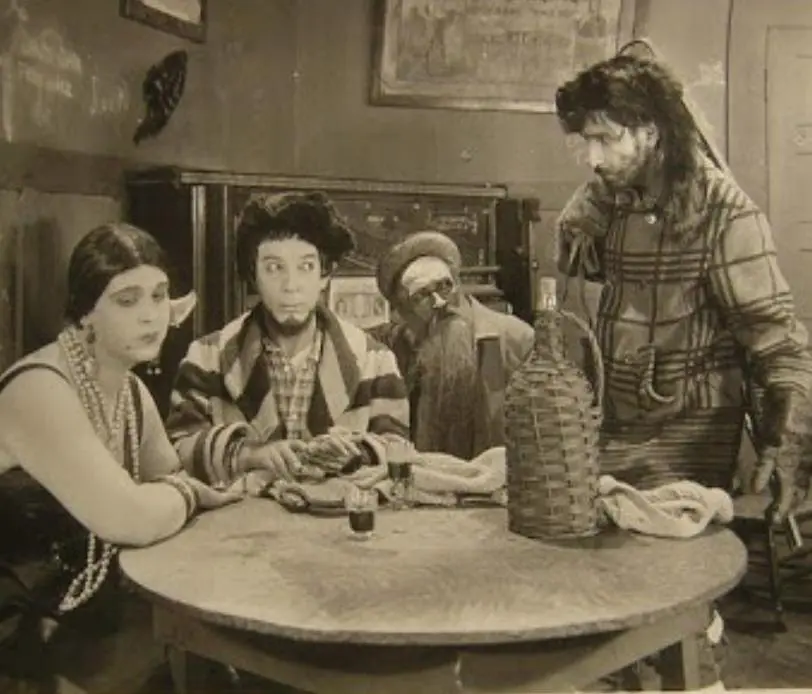
For the casual viewer, “Tame Men and Wild Women” might feel like a quaint curiosity at best, and a tedious exercise in historical viewing at worst. Its humor can be broad, its narrative simple, and its portrayals of men and women undeniably dated. However, for those with an appreciation for silent cinema or a keen interest in film history and evolving societal norms, it absolutely holds value.
It's a wonderful example of how narrative comedy functioned before the advent of sound. It provides insights into the types of stories that resonated with audiences of the era. The performances, especially Loback’s, are energetic and illustrative of the exaggerated acting styles necessary for the medium. It works as a cultural artifact. But it’s flawed.
The title itself, “Tame Men and Wild Women,” hints at the film’s engagement with gender dynamics, albeit through a very early 20th-century lens. The idea of Arthur needing to be 'safeguarded' from women, and then needing to 'secure' one, speaks volumes about the societal anxieties and expectations surrounding courtship and masculinity at the time. It’s a fascinating, if sometimes uncomfortable, glimpse into how gender roles were caricatured for comedic effect.
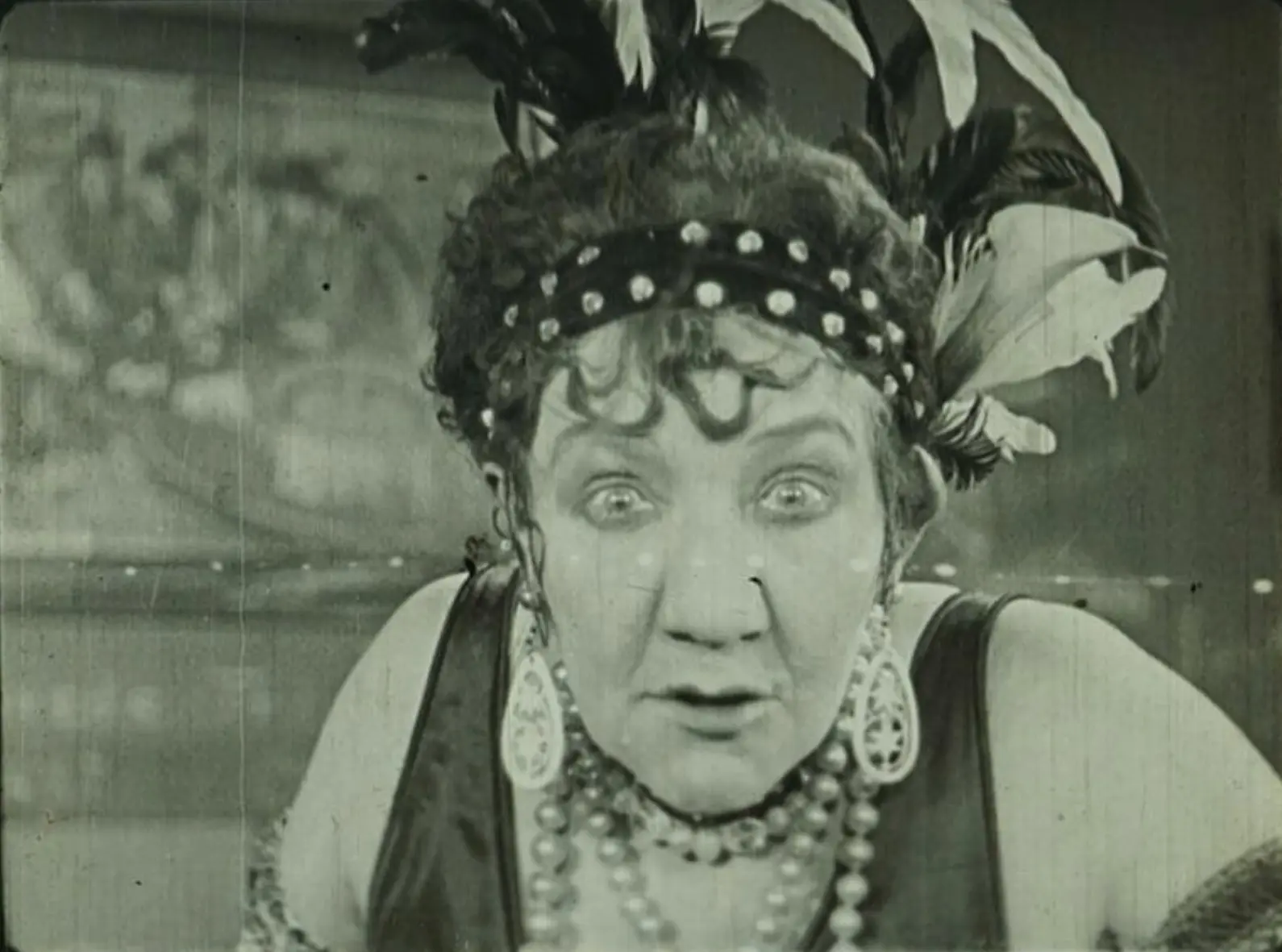
The military academy setting is also intriguing. It’s presented as a place of discipline and character building, a masculine environment meant to 'fix' Arthur’s perceived deficiencies. Yet, it’s precisely within this rigid structure that he finds love, suggesting that even the most controlled environments cannot suppress human desire. This contrast between strict discipline and burgeoning romance adds a layer of subtle irony to the narrative.
“The film’s greatest strength, and perhaps its most challenging aspect for a modern viewer, is its unvarnished reflection of societal norms from a century ago. It’s a time capsule, not a timeless classic.”
One might argue that the film, despite its dated premise, subtly critiques the very notion of 'taming' either men or women. Arthur's transformation isn't so much about becoming 'tamed' as it is about finally growing up and understanding his own desires, albeit with some clumsy help. Marie, for her part, is hardly a 'wild woman' in the destructive sense, but rather a spirited individual who demands respect, even from an oaf like Arthur. Their eventual union feels less like a taming and more like a mutual, if unequal, understanding.
“Tame Men and Wild Women” is not a film for everyone, nor does it pretend to be a lost masterpiece. What it is, however, is a vibrant, if sometimes quaint, piece of cinematic history. It’s a testament to the power of physical comedy and expressive acting in the silent era, and a valuable document for understanding the cultural landscape of its time. While its comedic sensibilities and gender dynamics are undeniably products of a bygone era, it offers a compelling look at the foundations of romantic comedy.
If you approach it with an open mind and a historian's curiosity, you’ll find much to appreciate in Arthur’s belated journey to adulthood and romance. It’s an interesting curio, a film that might provoke more discussion about its context than its intrinsic artistic merit, but that’s precisely why it retains its value today. It’s a recommended watch for the discerning cinephile, but perhaps not for a casual Friday night.
IMDb —
1923
Community
Log in to comment.