DbcultAccessing Vault...
6.8/10
Senior Film Conservator
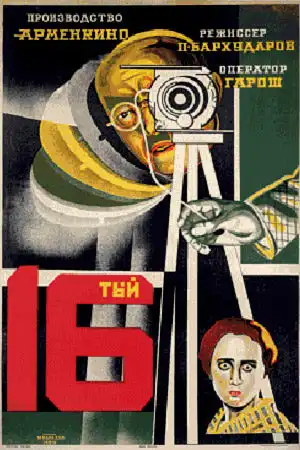
A definitive 6.8/10 rating for a film that redefined the boundaries of cult cinema. Tasnvetserordy remains a cornerstone of transgressive art.
Alright, so if you're expecting some fast-paced spy thriller from "Tasnvetserordy" (The Seventeenth), you're probably going to be pretty disappointed. This one’s for the history buffs, maybe folks really into early cinema or just those who appreciate a slow, deliberate burn. If you need a lot of explosions or clear-cut heroes, you'll likely want to skip it. 😴
The film doesn't exactly hide its premise; you know from the jump that a traitor is in their midst, and it’s going to end badly for a Bolshevik underground cell. This isn't a whodunit, really, but more a *how* and *why* it all falls apart. The atmosphere, right from the first hushed meeting, is thick with a kind of quiet dread.
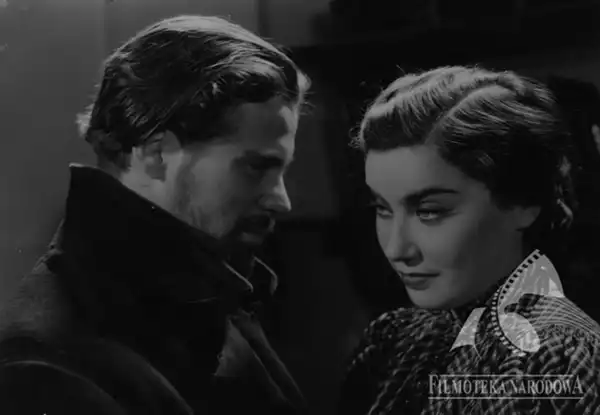
You find yourself scrutinizing every character. Is it Tatyana Vishnevskaya's intense gaze? Or maybe A. Gorelov, who seems just a touch too eager sometimes? The film *wants* you to feel that low hum of suspicion.
I kept a close eye on Eduard Khochik's character. There's this one shot, very early on, where he just *lingers* a moment after everyone else has moved, glancing around. It’s a tiny detail, easily missed, but it plants a seed. That kind of quiet acting really does a lot of heavy lifting here.
The actual moment of betrayal isn't a huge, dramatic reveal with thunder and lightning. It's almost understated, which makes it feel much more chilling. It’s less about a villain cackling and more about the cold, hard reality of what happens when trust gets shattered.
The arrests that follow are handled with a stark, almost procedural feel. There's no grand escape or heroic last stand; just the grim, inevitable consequences. It’s quite effective in its bleakness. You really feel the weight of what's happening, even if the action is minimal.
Aram Amirbekyan, even in a role that feels somewhat constrained by the era's acting styles, conveys a profound sense of resignation. You don't need fancy dialogue to get the quiet despair.
Some of the group discussions can drag a little, yes. You might even find yourself checking the time during a few particularly long, silent stares. But then, a flicker of genuine panic or a quick, worried exchange cuts through, and it reminds you why you're watching.
The film isn't trying to entertain in a modern sense. It’s presenting a very specific, very *heavy* slice of history. It asks you to sit with the discomfort.
There's a scene near the end, a brief shot of Tatik Saryan's character, just looking out. The camera holds on her for what feels like too long, but it perfectly captures the utter devastation. No words needed, just that quiet, lost expression. It sticks with you.
"Tasnvetserordy" is a reminder that some stories don't need a lot of frills to hit hard. It's a stark, often slow, but ultimately quite affecting look at what happens when a community, bound by a shared cause, is ripped apart by one person's actions. It’s not a movie you’ll necessarily *enjoy* in the traditional sense, but it definitely leaves a mark.
IMDb 6.5
1932
Community
Log in to comment.