DbcultAccessing Vault...
Cult Review
Senior Film Conservator
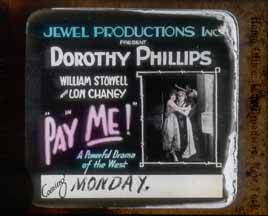
Ah, the silent era! A time when storytelling relied on the sheer power of visual narrative, exaggerated expressions, and the evocative strains of a live orchestra. And few films from that period encapsulate the raw, visceral drama of human greed and its inexorable consequences quite like Joseph De Grasse's and Bess Meredyth's 'Pay Me!' (1917). This isn't just a film; it's a stark morality play unspooling across the rugged, untamed canvas of the American West, a testament to the enduring allure of a well-crafted revenge tale, even a century later. Directed by De Grasse and penned by Meredyth, this cinematic offering stands as a potent example of the dramatic prowess that defined early cinema, offering a narrative that, despite its age, resonates with a timeless intensity.
At the black heart of 'Pay Me!' lies Joe Lawson, portrayed with chilling efficacy by Dick La Reno. Lawson is not merely a flawed character; he is a force of pure, unadulterated avarice, a man whose soul has been utterly consumed by the glint of gold. The film opens by plunging us headfirst into his depravity. In a sequence of events as brutal as they are pivotal, Lawson commits a series of heinous acts that set the stage for two decades of simmering resentment and eventual reckoning. He murders his mining partner, eliminating a rival to his golden ambitions. But his bloodlust doesn't stop there. He extends his murderous spree to his partner's wife, ensuring no witnesses remain to his crime. And, in a twist of shocking cruelty, he even dispatches his own wife, perhaps to erase any lingering ties to a past he wishes to bury or simply to consolidate his ill-gotten gains without familial encumbrance. This isn't just about wealth; it's about absolute control, a chilling parallel to the ruthless industrialists and robber barons whose stories often captivated the public imagination of the era. This level of cold-blooded calculation is what differentiates Lawson from a common bandit; he is an architect of destruction, building his empire on a foundation of corpses.
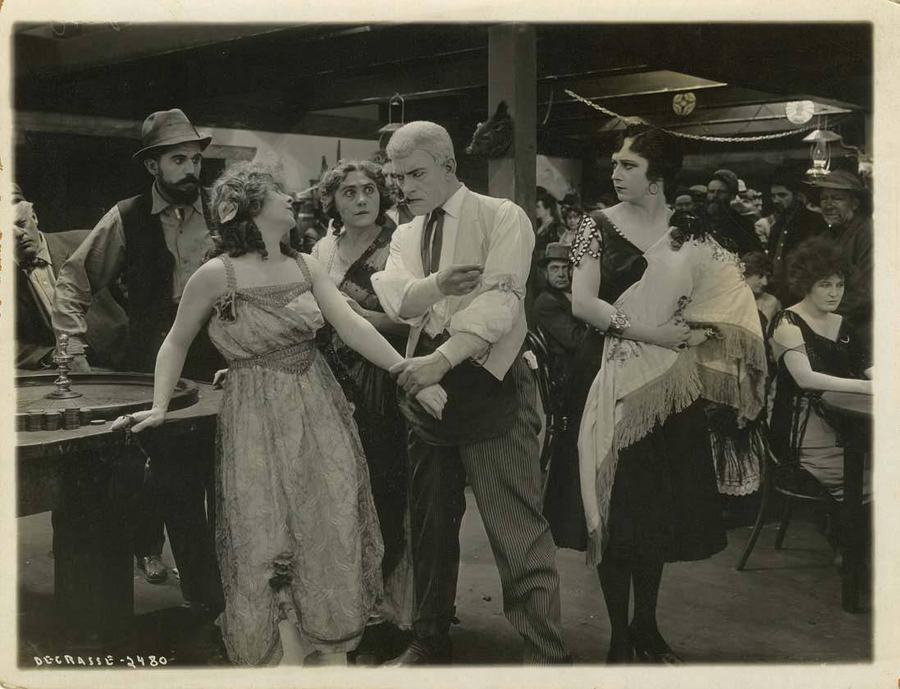
But the horror doesn't end with the murders. In a move that defies conventional villainy, Lawson steals his partner's infant child, electing to raise this stolen progeny as his own. Simultaneously, he abandons his biological son, leaving him to fend for himself in a world that offers little quarter. This act of twisted adoption and cruel abandonment is profoundly significant. It speaks to a desire not just for wealth, but for a twisted form of legacy, a desperate attempt to rewrite his own history and escape the consequences of his deeds. The child he takes becomes a symbol of his stolen future, while the child he forsakes becomes the living embodiment of his past, a ticking time bomb waiting to explode. It's a psychological portrait of a man so utterly devoid of moral compass that he believes he can simply discard one life and appropriate another to suit his nefarious designs. The echoes of such profound moral failings can be seen in other narratives of the era, where characters wrestle with the consequences of their life choices, though perhaps not always with such a stark, almost operatic, villainy as Lawson's.
From the spoils of his bloody conquest, Joe Lawson establishes an outlaw town, a lawless haven where he reigns supreme. This town isn't just a setting; it's a character in itself, a physical manifestation of Lawson's corrupted soul. It's a place where justice is a foreign concept, where might makes right, and where the shadows of his past crimes loom large, even if unseen by its inhabitants. For twenty years, Lawson rules this domain, ostensibly secure in his power, believing his past buried beneath layers of gold and fear. The visual language of the silent film excels in portraying such environments, often using stark lighting and set design to convey the moral desolation of such a place. One can almost feel the dust and the tension emanating from the screen, a testament to the skill of the filmmakers in creating a tangible, oppressive atmosphere without the aid of dialogue.
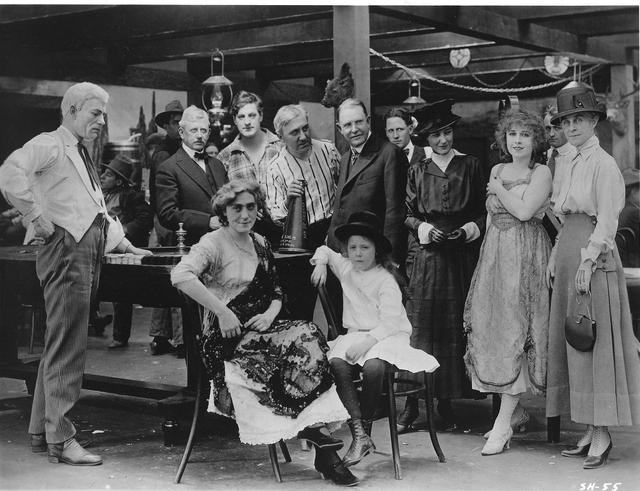
But as all good revenge narratives teach us, the past is never truly buried. Twenty years later, the carefully constructed facade of Lawson's life begins to crack under the weight of an inexorable fate. His abandoned son, now a grown man, returns. He is a stranger to his father's domain, yet drawn by an unseen force, a primal urge for truth or perhaps an unconscious need for reckoning. This return is a classic narrative trope, seen in countless tales from Greek tragedies to contemporary dramas, where the sins of the father are visited upon the children, or the forsaken offspring returns to reclaim their birthright. The son's journey is one of discovery, not just of his lineage, but of the true nature of the man who sired him.
And then, the ultimate twist, the revelation that elevates 'Pay Me!' beyond a simple tale of crime and punishment: Lawson's partner, the man he thought he had murdered two decades prior, is not dead. He returns, a spectral figure of vengeance, alive and, as the plot succinctly puts it, 'rather unhappy.' This return from the grave, so to speak, injects an almost supernatural element into the narrative, transforming it from a mere Western drama into something akin to a gothic tale of retribution. The partner's return isn't just about personal revenge; it's about the very fabric of justice, about the universe righting a profound wrong. His unhappiness is an understatement; it's a cold, burning fury, honed over twenty years of forced exile and suffering. This narrative device, bringing back a character believed dead, adds layers of dramatic irony and suspense, ensuring that the audience is constantly on the edge of their seats, anticipating the inevitable, explosive confrontation.
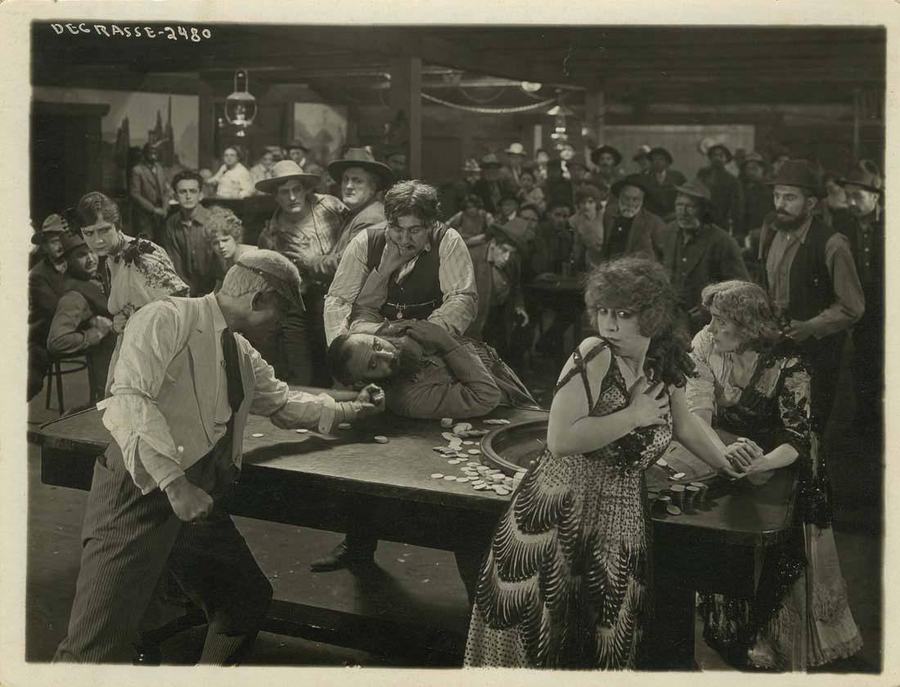
The strength of 'Pay Me!' lies not just in its compelling plot, but in the performances that breathe life into its characters. J. Edwin Brown, Dick La Reno, Claire Du Brey, Tom Wilson, Dorothy Phillips, John George, William Clifford, William Stowell, and Evelyn Selbie all contribute to the film's gritty realism and emotional depth. However, it is the inimitable Lon Chaney who truly elevates the film. Though his role is not the central antagonist, Chaney, even in supporting capacity, possesses an unparalleled ability to convey complex emotions and motivations through his physical acting and profound understanding of character. He was a master of transformation, often referred to as 'The Man of a Thousand Faces,' and his presence in 'Pay Me!' undoubtedly adds a layer of unforgettable intensity. His subtle gestures, the way his eyes could convey a universe of pain or malice, were revolutionary for the time. Even in a film where the central villain is so clearly defined, Chaney's performance would have undoubtedly left an indelible mark, reminding us why he remains one of cinema's earliest and most influential stars. His ability to embody both villainy and victimhood, often simultaneously, was a rare gift, and even a smaller role from him is often more memorable than a leading role from others. This is a quality that sets him apart from many of his contemporaries, whose acting might now seem overly theatrical; Chaney's work, conversely, often feels remarkably modern in its psychological depth.
'Pay Me!' is a rich tapestry woven with themes that transcend its silent film origins. At its core, it's a brutal examination of unchecked greed and the corrosive effect it has on the human soul. Lawson's actions are a chilling reminder that the pursuit of wealth, when untethered from morality, can lead to unspeakable horrors. This theme is as relevant today as it was a century ago, echoing through countless contemporary narratives about corporate malfeasance or individual avarice. The film also delves deeply into the concept of revenge, not as a simple act, but as a long, arduous journey. The partner's twenty-year wait, his simmering anger, and his calculated return speak to a profound human need for justice, even if it's a justice born of personal vengeance. This kind of protracted, almost mythic revenge is a powerful narrative engine, drawing the audience into the protagonist's plight and making them yearn for the villain's downfall. We see similar protracted quests for justice in films like A Modern Monte Cristo, where the slow burn of retribution is key to the emotional payoff.
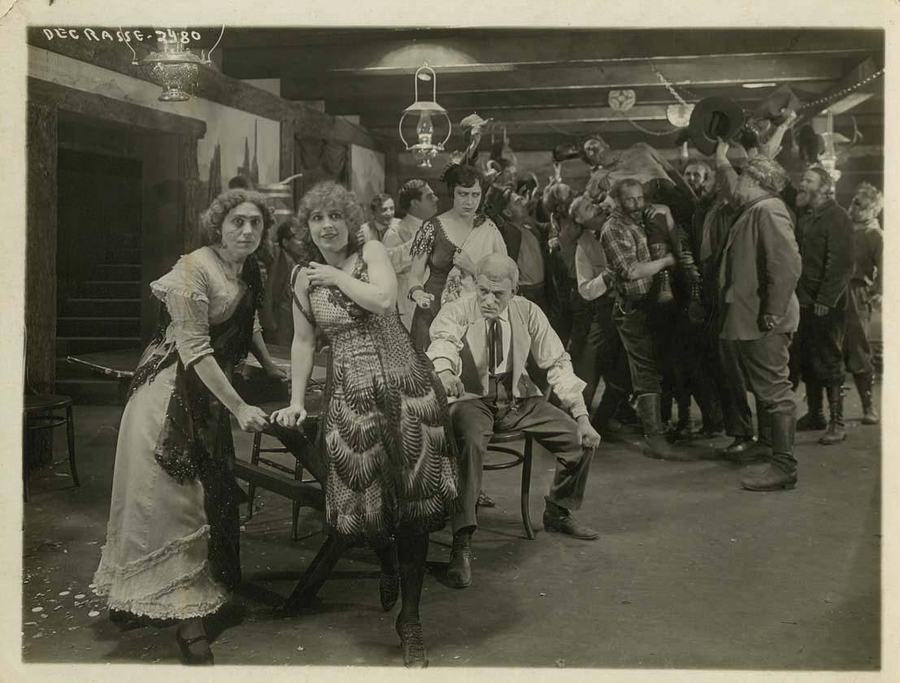
Beyond these primary drivers, there's a subtle exploration of identity and legacy. The abandoned son's journey back to his roots, his confrontation with the truth of his parentage, forces him to grapple with who he is and where he comes from. This search for self, often complicated by the revelation of hidden truths, is a universal human experience. The film implicitly asks: can one truly escape the shadow of their origins, or are we forever bound by the choices of our ancestors? The outlaw town itself serves as a powerful metaphor for a society built on corruption, where the lack of a moral framework inevitably leads to its own undoing. It's a microcosm of a larger world, reflecting anxieties about lawlessness and the breakdown of social order that were prevalent during the nascent stages of American industrialization and westward expansion. The film's ability to tackle such complex themes with visual storytelling alone is a testament to the skill of its writers, Joseph De Grasse and Bess Meredyth, who crafted a narrative that is both entertaining and thought-provoking. Meredyth, in particular, was a prolific and highly respected screenwriter of the era, known for her ability to infuse her stories with both dramatic flair and emotional depth, a trait also evident in her work on films like The Circular Staircase.
'Pay Me!' also offers a fascinating window into the technical and artistic innovations of early cinema. The direction by Joseph De Grasse, a seasoned filmmaker of the era, showcases a mastery of visual storytelling that was crucial before the advent of synchronized sound. The use of intertitles, though necessary, is judicious, allowing the powerful performances and dramatic mise-en-scène to carry the bulk of the narrative. The cinematography, while perhaps not as groundbreaking as some of D.W. Griffith's contemporary works like The Soul of Kura San, effectively captures the rugged beauty and inherent dangers of the Western landscape, contrasting it with the grimy interiors of the outlaw town. The editing would have been crucial in building suspense and pacing the unfolding drama, a skill that was rapidly evolving during this period. The film's ability to maintain tension and emotional engagement without spoken dialogue speaks volumes about the filmmakers' understanding of cinematic language. The choices made in framing, camera movement (however limited for the time), and the arrangement of actors within the frame all contributed to a coherent and impactful storytelling experience.
To fully appreciate 'Pay Me!', it's helpful to place it within the broader context of silent cinema. The year 1917 was a vibrant period for filmmaking, with studios churning out a remarkable variety of genres. While 'Pay Me!' leans heavily into the Western and drama categories, it shares thematic DNA with other films exploring moral dilemmas and the consequences of past actions. For instance, the dramatic intensity and focus on character-driven conflict might draw comparisons to films like A Man's Making, which similarly explores themes of personal transformation and redemption. The stark portrayal of villainy and the eventual comeuppance of the wicked is a recurring motif, a moral reassurance offered to audiences of the time. While not a historical epic on the scale of Cleopatra (1917), its intimate drama packs an equally powerful punch. The film also stands in contrast to lighter fare like The Prince Chap, highlighting the diverse range of stories being told. Even in its dramatic intensity, it offers a different flavor than the more fantastical or suspenseful narratives of the era, such as the thrilling Fantômas: The False Magistrate, demonstrating the breadth of storytelling approaches available to silent filmmakers.
The silent Western, in particular, was a burgeoning genre, shaping many of the tropes we still associate with it today. 'Pay Me!' contributes to this legacy by showcasing a darker, more morally ambiguous side of the frontier, moving beyond simplistic hero-villain dynamics to explore the psychological toll of ambition and revenge. It avoids the more overtly melodramatic tendencies sometimes found in films like The Girl of the Sunny South, opting instead for a grittier, more intense realism. The film's narrative complexity, particularly the double return of both the abandoned son and the supposedly deceased partner, offers a sophisticated plotting that would have captivated audiences. This kind of intricate storytelling suggests a growing maturity in screenwriting during this period, moving away from simpler, more episodic narratives toward more cohesive and layered plots. The power of visual storytelling to convey such complex relationships and motivations without dialogue is truly remarkable. The film also stands as a testament to the collaborative nature of early filmmaking, where the vision of writers like Bess Meredyth and the interpretive skills of actors like Lon Chaney combined under the director's guidance to produce compelling narratives. It represents a significant stride in cinematic artistry, showcasing how effectively the medium could convey profound human drama without the benefit of sound. The raw emotionality of the performances, particularly Chaney's, would have been amplified by the live musical accompaniment, creating an immersive experience that modern audiences often struggle to fully recreate.
'Pay Me!' is more than just a historical artifact; it's a compelling piece of dramatic cinema that holds up remarkably well. Its exploration of human depravity, the long shadow of past transgressions, and the relentless pursuit of justice remains potent. The film serves as a powerful reminder that even in the absence of spoken words, a narrative steeped in strong characters and compelling themes can resonate deeply. For fans of silent film, Westerns, or simply powerful storytelling, 'Pay Me!' is a must-see. It's a testament to the foundational strength of cinema as an art form, demonstrating that the core elements of engaging narrative – conflict, character, and consequence – are truly timeless. The film, much like a classic novel, invites multiple viewings, each time revealing new layers of meaning and nuance in its rich tapestry of revenge and redemption. It’s a stark reminder that some stories, particularly those woven from the darkest threads of human nature, possess an enduring power that transcends the technological limitations of their era. The silent era, often overlooked, was a crucible for cinematic innovation, and 'Pay Me!' stands as a shining example of its dramatic potential, proving that the most profound stories are often those told with the least amount of noise, relying instead on the universal language of human emotion and action.
IMDb 5.9
1931
Community
Log in to comment.