DbcultAccessing Vault...
7.1/10
Senior Film Conservator
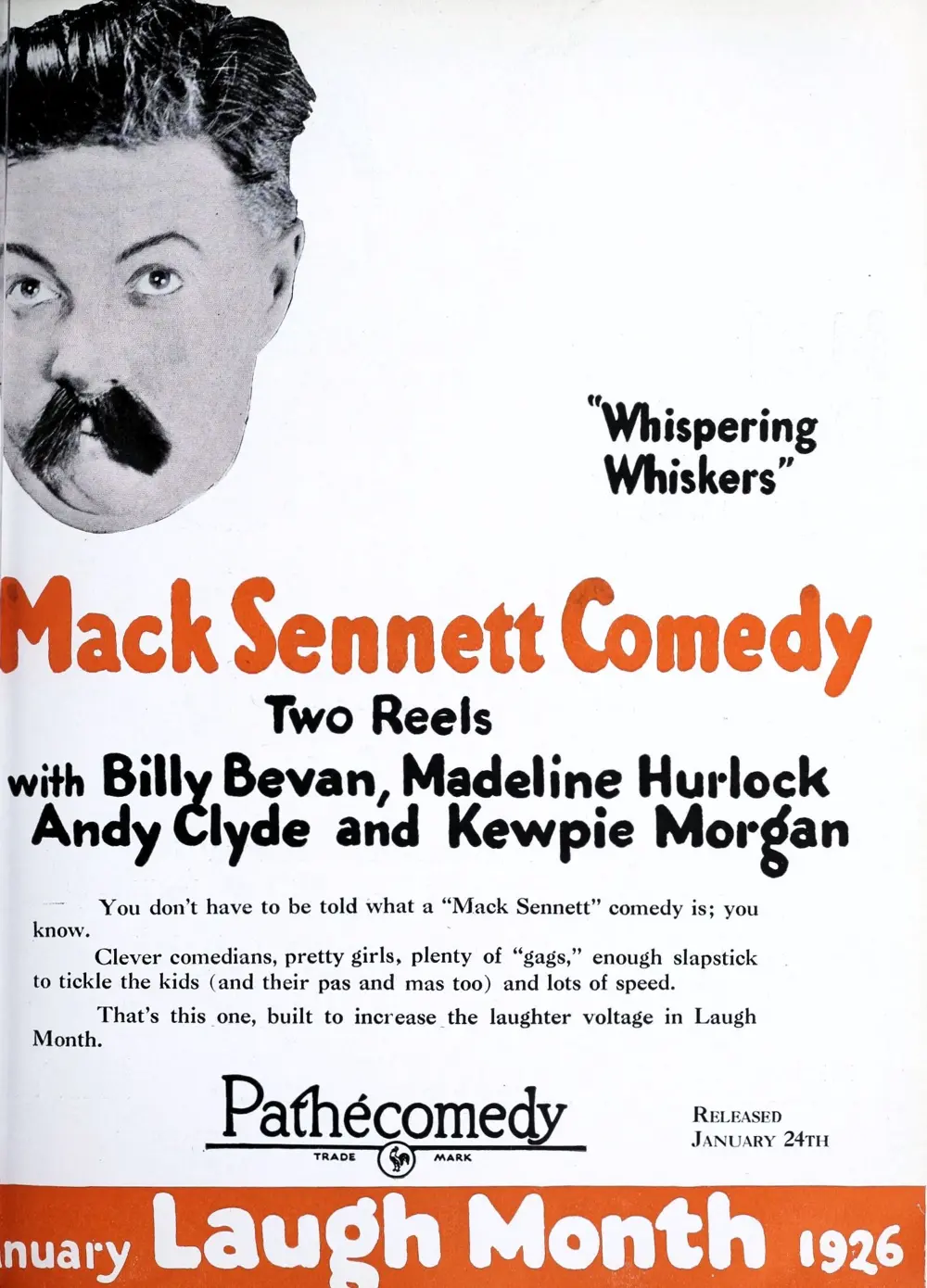
A definitive 7.1/10 rating for a film that redefined the boundaries of cult cinema. Whispering Whiskers remains a cornerstone of transgressive art.
Is Whispering Whiskers worth your time in the modern era? Short answer: yes, but only if you view it as a historical artifact of pure, unadulterated chaos. This film is specifically for those who appreciate the 'fun factory' style of Mack Sennett and the physical precision of silent-era comedians; it is definitely not for viewers who require a linear plot or emotional depth.
To understand Whispering Whiskers, one must understand the specific brand of insanity that Billy Bevan brought to the screen. He wasn't the soulful clown like Chaplin or the stoic daredevil like Keaton. Bevan was a human wrecking ball. In this 1926 short, the stakes are supposedly a stolen ruby, but the real interest lies in how many ways a man can trip over his own feet while trying to look important.
1) This film works because it treats physical laws as mere suggestions, creating a surrealist atmosphere where a simple misunderstanding leads to a city-wide chase.
2) This film fails because the narrative is essentially a clothesline for gags, often losing the thread of the 'stolen ruby' mystery in favor of repetitive pratfalls.
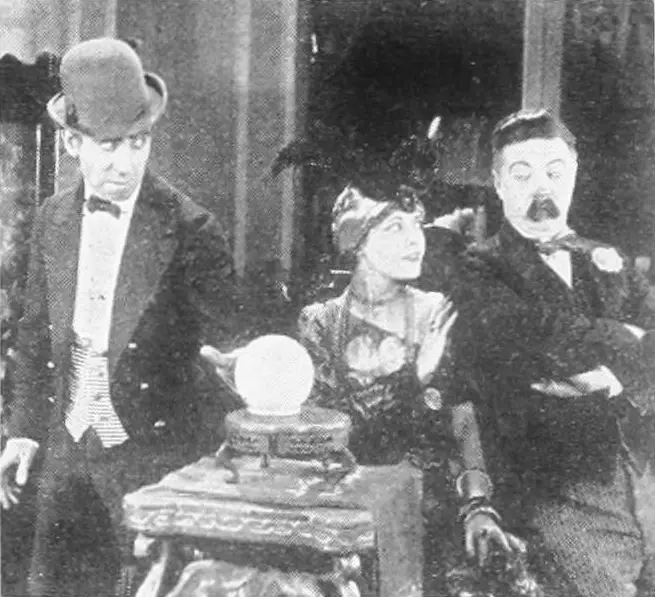
3) You should watch it if you want to see the bridge between early vaudeville humor and the more sophisticated visual gags of the late 1920s.
Whispering Whiskers is a quintessential product of the Sennett studio. By 1926, the 'King of Comedy' had refined his formula to a science. The film doesn't waste time with exposition. We are dropped immediately into a world of mistaken identity. Billy Bevan, with that iconic, absurdly small mustache, is the perfect vessel for this. He looks like a man trying very hard to be taken seriously, which makes his inevitable failures much funnier.
The pacing is relentless. Unlike The Waif, which leans into melodrama, Whispering Whiskers is purely about the kinetic energy of the frame. There is a specific scene involving a revolving door that perfectly encapsulates the film's philosophy. It’s not just a gag; it’s a rhythmic exercise in timing. If Bevan is off by half a second, the joke dies. He isn't off.
The writing team, including Felix Adler and Al Giebler, understood that the audience didn't care about the ruby. They cared about the whiskers. The recurring motif of facial hair as a symbol of authority—and the subsequent loss of that authority—is a clever, if simple, comedic device. It’s a trope we see explored with less success in films like Off the Trolley.
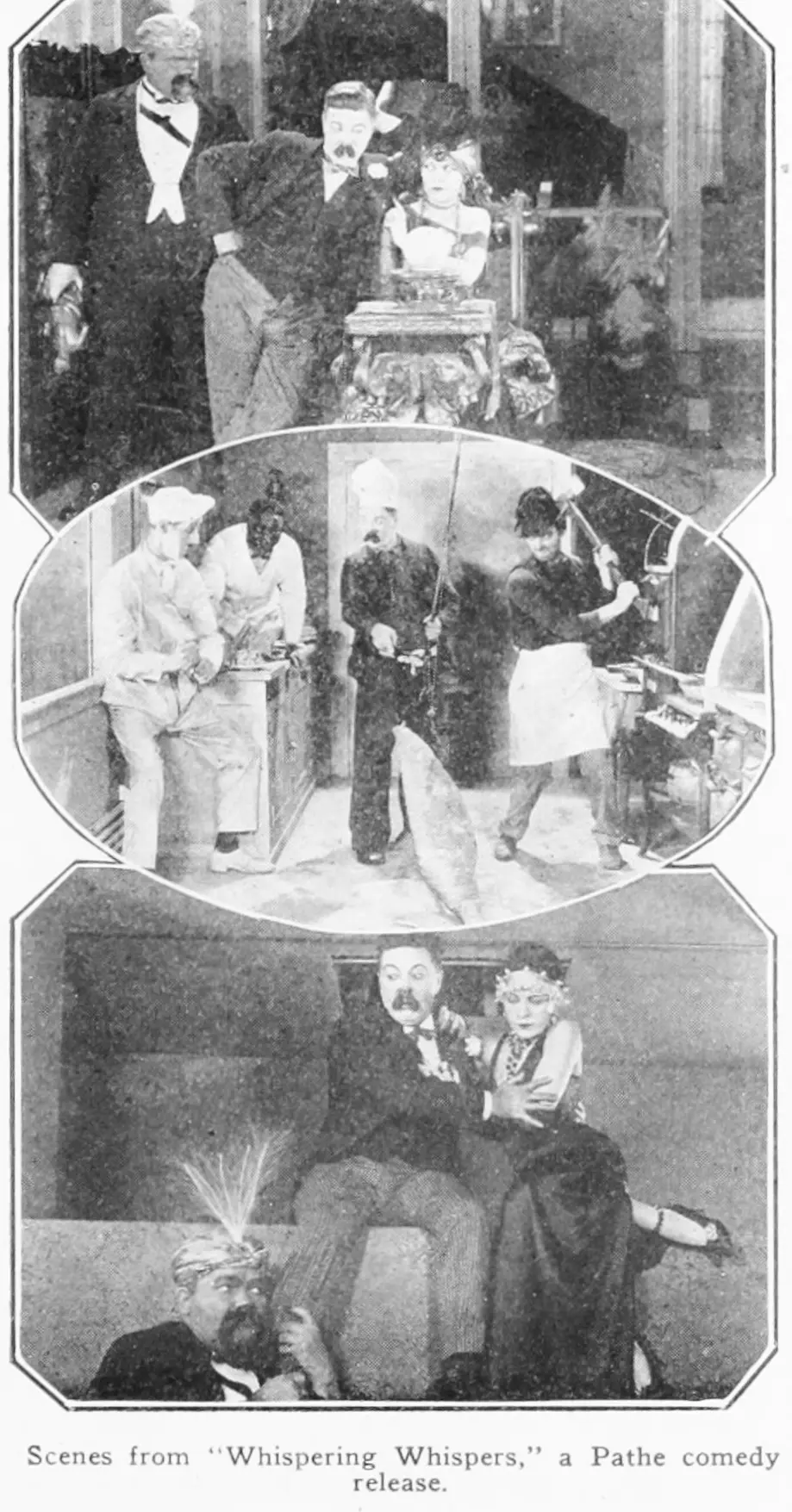
Yes, for its technical merit and historical value. For a modern viewer, it serves as a masterclass in how to build a visual joke without a single word of dialogue. It shows a level of stunt coordination that is often missing from contemporary CGI-heavy comedies. If you enjoy seeing the roots of physical comedy, this is a vital watch.
The cast list is a who's who of silent comedy legends. You have Andy Clyde, whose career would span decades, providing a grounded foil to Bevan's frantic energy. Then there's Vernon Dent, the ultimate 'straight man' who could make a simple glare feel like a comedic punchline. The chemistry between these performers is what keeps the film from descending into total white noise.
Consider the performance of Billy Gilbert. Even in this early stage, his presence adds a layer of theatricality that elevates the slapstick. It’s a stark contrast to the more somber tones found in A Celebrated Case. In Whispering Whiskers, every actor is dialed up to eleven. It’s loud, even in its silence.
One surprising observation: the film is actually quite cynical. The way the 'private eye' profession is lampooned suggests a weary public attitude toward authority in the mid-20s. Bevan isn't just a bumbler; he's a parody of the 'Great Detective' archetype that was popular in literature at the time. He is the anti-Sherlock.
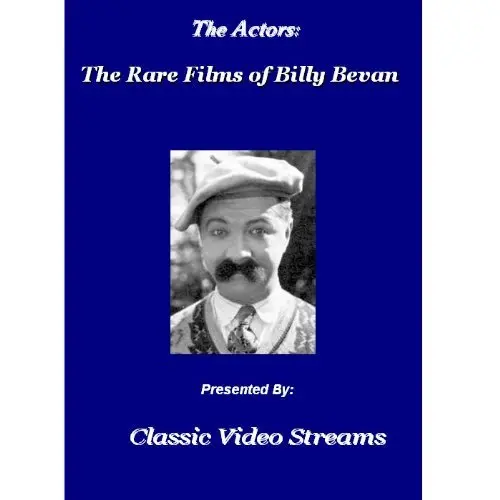
The camera work in Whispering Whiskers is deceptively simple. Most shots are wide to allow the physical comedy to play out within the frame. However, the use of 'under-cranking'—filming at a slower frame rate so the action appears sped up during playback—is used here with surgical precision. It gives the chase sequences a supernatural, frantic quality.
Compare this to the more static shots in Just a Woman. In Whispering Whiskers, the camera feels like it’s barely keeping up with the actors. There is a sequence involving a ladder and a second-story window that is genuinely hair-raising. There are no stunt doubles here that look obvious; it is Bevan or his immediate peers putting their bodies on the line for a laugh.
"The genius of the Sennett era wasn't in the stories they told, but in the way they dismantled the world around them for a two-reeler."
The lighting is flat, typical of the era, but the composition is tight. The directors knew how to use the urban environment—the brick walls, the dusty alleys, the crowded storefronts—as extensions of the comedy. Everything is a prop. A hat isn't just a hat; it's a projectile. A cane isn't for walking; it's for tripping an adversary.
The tone is best described as 'aggressive whimsy.' It starts at a level seven and quickly ramps up to a ten. There is no 'downtime.' While a film like An American Widow might take time to build its social stakes, Whispering Whiskers assumes you are already on board for the ride. It’s a short film that feels long because so much happens in every minute.
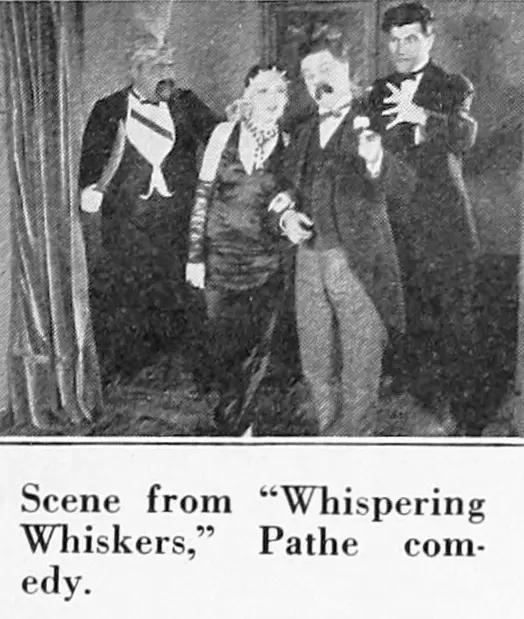
However, this pacing is a double-edged sword. By the fifteen-minute mark, the 'mistaken identity' gag starts to wear thin. The film relies heavily on the 'whisker' visual, and once you've seen Bevan lose his fake beard for the third time, the novelty begins to fade. It works. But it’s flawed. It lacks the emotional core that made the greats like Hearts and Let Us resonate beyond the theater walls.
The stunts are authentic and dangerous, providing a visceral thrill that modern comedy lacks. The ensemble cast is top-tier, featuring some of the best character actors of the silent era. The film serves as a perfect time capsule of 1920s urban life and comedic sensibilities.
The plot is almost non-existent, serving only as a flimsy excuse for the next gag. Some of the humor, particularly the 'mistaken identity' tropes, has been done better in later films like Faint Hearts. It can feel exhausting rather than exhilarating due to the constant high-pitched energy.
Whispering Whiskers is a fascinating, if slightly exhausting, example of the Mack Sennett comedy machine at its peak. Billy Bevan is a forgotten titan of the era, and this film showcases exactly why he was a star. While it doesn't have the narrative weight of The Dream Cheater or the cinematic ambition of La marcia nuziale, it excels at its one singular goal: making you laugh at the absurdity of the human condition. It is a loud, proud, and messy piece of cinema that deserves a spot in the library of any serious film buff. Just don't expect to care about the ruby when the credits roll.
IMDb —
1918
Community
Log in to comment.