DbcultAccessing Vault...
1.6/10
Senior Film Conservator
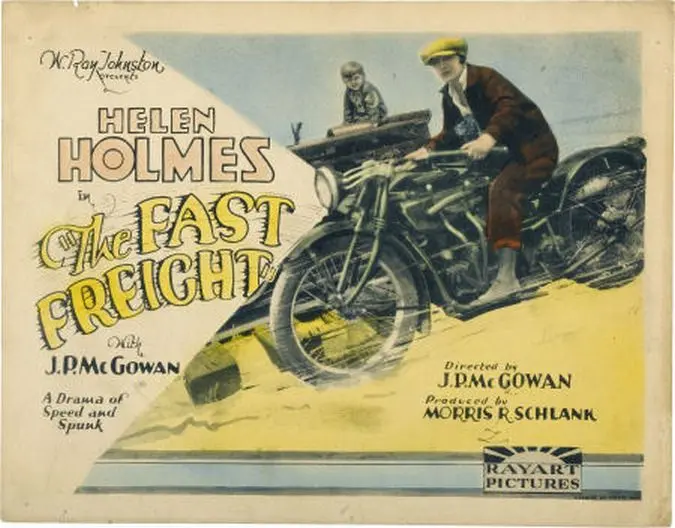
A definitive 1.6/10 rating for a film that redefined the boundaries of cult cinema. The Fast Freight remains a cornerstone of transgressive art.
Is The Fast Freight a relic worth unearthing for the modern cinephile? Short answer: Yes, but only if you possess a genuine appetite for the raw, unpolished mechanics of early action cinema and can forgive a narrative that is essentially a clothesline for stunts.
This film is specifically for historians of the stunt craft and those who find beauty in the heavy machinery of the early 20th century. It is decidedly NOT for viewers who require complex character arcs, psychological depth, or the polished pacing of a modern blockbuster. If you can't stand the flickering grain of 1922, look elsewhere.
1) This film works because it prioritizes physical reality over artifice, utilizing moving locomotives and genuine locations that provide a sense of danger no CGI can replicate.
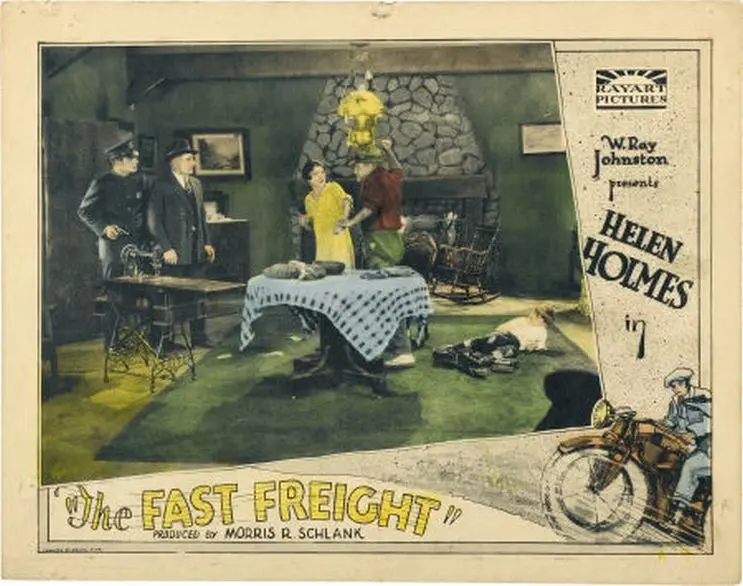
2) This film fails because the plot is a transparent excuse for the action, leaving the supporting characters feeling like cardboard cutouts rather than living breathing people.
3) You should watch it if you want to see Helen Holmes, the original queen of the rails, perform feats of athleticism that would make a modern insurance adjuster faint.
J.P. McGowan was never a director interested in the poetic sensibilities of a Murnau or the slapstick precision of a Keaton. He was a filmmaker of the iron and steam. In The Fast Freight, McGowan’s directorial hand is heavy and functional. He captures the railroad not as a romantic backdrop, but as a dangerous, grease-covered workplace. The way he frames the engine—low angles that emphasize the churning pistons—gives the film a weight that is often missing from more 'artistic' films of the period like The House of Toys.
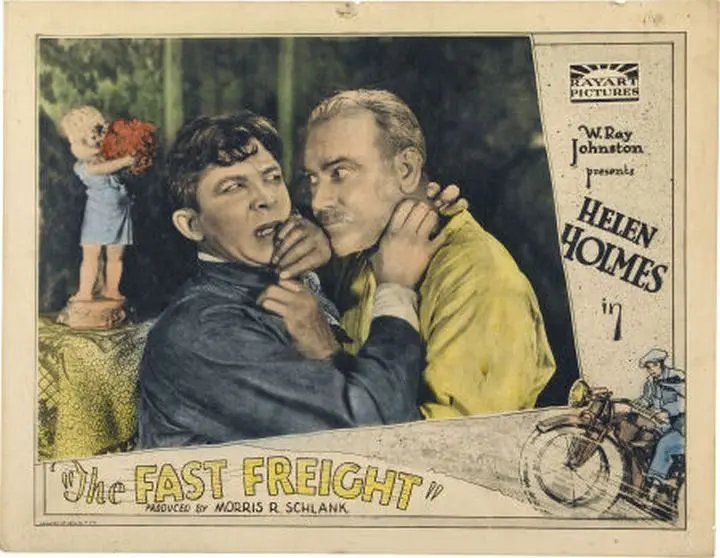
One specific scene involving a decoupling of the rear cars showcases McGowan's commitment to spatial clarity. We see the pin pulled, the gap widening, and the desperate scramble of the protagonist to bridge that divide. It is simple, effective, and brutal. He doesn't cut away to hide the lack of safety wires. The danger is the point. It works. But it’s flawed in its repetition. After the third or fourth time we see a character clambering over a coal tender, the novelty begins to wear thin for the casual observer.
Helen Holmes remains the beating heart of this production. While many leading ladies of the 1920s were being directed to faint into the arms of the hero in films like The Star of Bethlehem, Holmes was busy jumping from moving platforms. Her performance in The Fast Freight is less about emotive acting and more about physical presence. There is a grit in her eyes that suggests she knows exactly how hard the ground is when you fall off a freight car at twenty miles per hour.
Her chemistry with McGowan is utilitarian. They were a professional unit, and it shows. There’s no wasted motion in their scenes together. When they are on screen, the film moves with a purpose that vanishes during the more talkative, title-card-heavy sequences. It’s a shame the script doesn’t give her more to do emotionally, but in terms of sheer screen presence, she outshines the metal giants she shares the frame with.
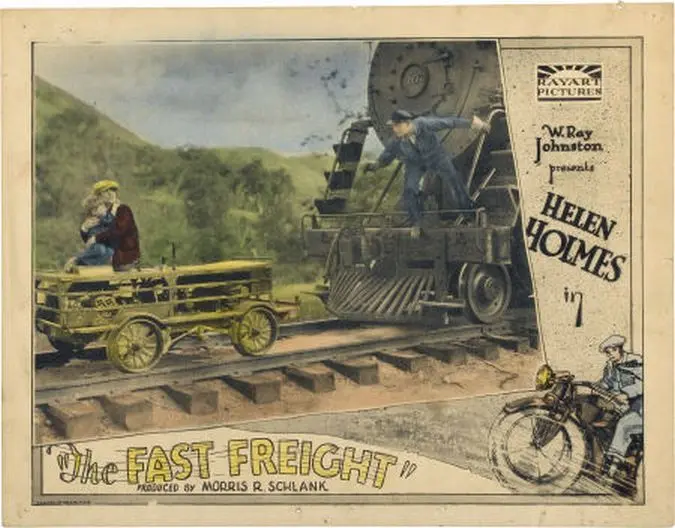
The camera work in The Fast Freight is surprisingly mobile for 1922. We see several 'phantom ride' shots where the camera is clearly mounted on the front of the locomotive, hurtling toward the horizon. This creates a visceral sense of forward momentum that was revolutionary for its time. It’s a technique that McGowan mastered early on and used to better effect here than in his work on The Border Legion.
However, the interior scenes are where the film stumbles. The lighting is flat, and the sets feel claustrophobic compared to the vast openness of the rail yards. It creates a jarring visual disconnect. You spend the whole movie waiting to get back outside. The pacing, too, is a bit of a rollercoaster. The middle act sags under the weight of a subplot involving a telegram that takes far too long to be delivered. It’s a common trope of the era, but here it feels particularly intrusive against the high-speed premise.
Yes, The Fast Freight is worth watching if you view it as a historical document of the 'Sensation Film' genre. It offers a unique look at the intersection of early cinema and the industrial revolution. For the average viewer, it may feel repetitive, but for the action enthusiast, it is a foundational text. It is a loud, clunky, and fascinating piece of history.
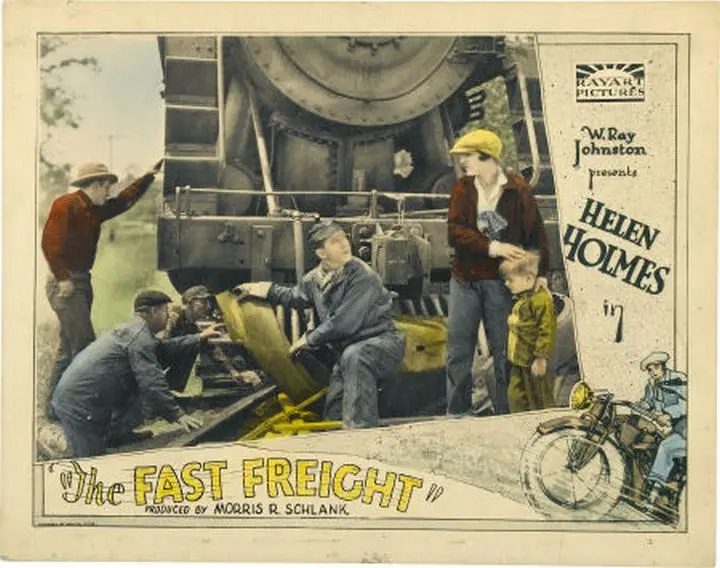
What is most surprising about The Fast Freight is its unintentional commentary on labor. The film treats the railroad workers with a certain reverence, depicting their jobs as a series of life-and-death calculations. It’s a far cry from the more whimsical or comedic portrayals of working-class life seen in Mighty Like a Moose or Shoe Palace Pinkus. Here, the work is hard, the environment is hostile, and the stakes are literal tons of steel. It’s an oddly pro-labor stance for a film that is ostensibly just an adventure flick.
Pros:
Cons:
When compared to other films of the time, such as the more mystery-focused The Mystery of No. 47 or the melodrama of Frou Frou, The Fast Freight stands out for its sheer physicality. It doesn't want to make you cry or think; it wants to make you flinch. This is the ancestor of the modern chase movie. Without films like this, we wouldn't have the high-speed thrills of today's cinema. It is a rough draft of the future.
The film also lacks the lighthearted touch of something like A Youthful Affair. It is a stern, almost humorless movie. But that lack of levity works in its favor. It makes the world feel more dangerous. You truly believe that if Helen Holmes slips, she’s not coming back for the sequel. That kind of tension is hard to find in the sanitized productions of the later studio system.
The Fast Freight is a fascinating, if occasionally tedious, relic. It is a film that values sweat over sentiment and iron over intellect. McGowan’s direction is workmanlike, but Holmes’ performance is transcendent in its bravery. It isn't a masterpiece of narrative art, but it is a masterpiece of the physical medium. If you can handle the soot and the slow-moving plot points, the payoff on the tracks is well worth the wait. It’s a tough, oily, and unyielding piece of cinema. It works. But it’s flawed. And in that flaw, it finds its humanity.
IMDb 5.5
1927
Community
Log in to comment.