DbcultAccessing Vault...
7.2/10
Senior Film Conservator
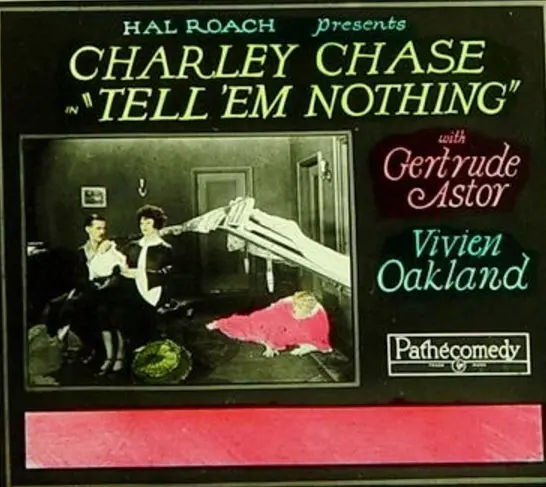
A definitive 7.2/10 rating for a film that redefined the boundaries of cult cinema. Tell 'Em Nothing remains a cornerstone of transgressive art.
Is Tell 'Em Nothing worth watching today? Short answer: yes, but with significant caveats. This 1926 Charley Chase vehicle is a masterclass in silent film farce, brimming with the kind of frantic energy and improbable coincidences that defined the era, yet its dated sensibilities and relentless contrivances might test the patience of modern viewers.
It's a film for aficionados of silent comedy, particularly those who appreciate the physical prowess and comedic timing of Charley Chase, or anyone seeking a glimpse into the comedic tropes of the roaring twenties. It is decidedly NOT for those who prefer subtle humor, intricate plots free of deus ex machina, or films that shy away from broad, exaggerated performances.
Let’s get straight to it. This film is a fascinating, if sometimes frustrating, artifact.
Tell 'Em Nothing, directed by and starring Charley Chase, throws the audience into a maelstrom of domestic chaos from its opening scenes. Chase plays Charlie, a divorce attorney whose professional expertise in orchestrating marital discord for his clients inadvertently spills over into his own life. The premise is simple: Charlie is demonstrating how to stage a compromising situation for a client, Gertrude Astor’s character, when his wife, played by Vivien Oakland, walks in. This misunderstanding ignites the entire comedic engine, setting off a chain reaction of lies, deceptions, and frantic cover-ups.
The film’s plot, while thin, is a sturdy scaffold for Chase’s physical comedy. It’s less about character development and more about situation escalation. Every solution Charlie devises only digs him deeper into trouble, a hallmark of classic farce. The introduction of the doctor pal, played by Harvey Clark, who conveniently lives across the hall and is willing to concoct a 'rest cure' for Charlie’s wife, is a prime example of the film’s reliance on convenient plot devices. It's a blatant narrative shortcut, but one that audiences of the era likely accepted as part of the genre’s charm.
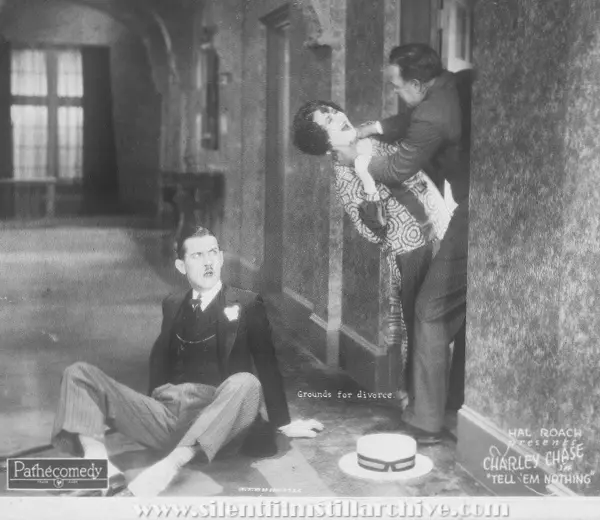
What truly elevates the film beyond a mere collection of gags is Chase’s commitment to the bit. He doesn't just react; he orchestrates. His character, Charlie, is a man constantly trying to regain control of a situation that has spiraled wildly out of his grasp, and it’s in his increasingly desperate, yet always composed, attempts to maintain decorum that the film finds its most consistent humor. One particular highlight is the scene where he's explaining to the client how to get compromising photos. His exaggerated gestures and almost theatrical performance within the scene itself are brilliant, a meta-commentary on the performance of deception.
Charley Chase, as both director and star, demonstrates a keen understanding of silent comedy mechanics. The film is paced like a runaway train, with one gag quickly following another, leaving little room for reflection. This relentless momentum is crucial for farce, preventing the audience from dwelling too long on the plot's inherent absurdities. The cinematography, while not groundbreaking, is functional and effective, often utilizing wide shots to capture the full scope of the physical comedy unfolding within a single frame.
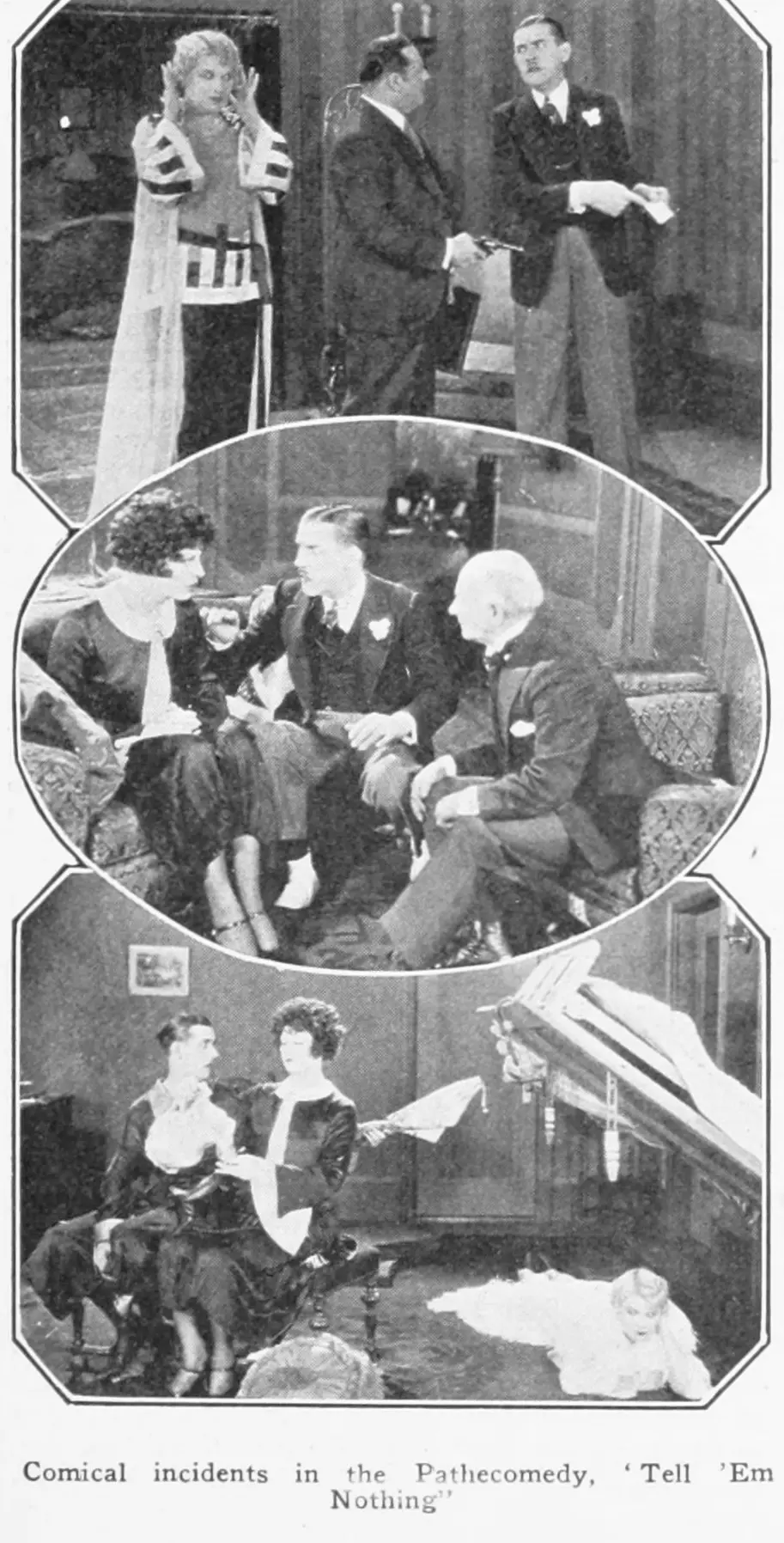
Consider the climactic sequence in Charlie's apartment. The camera stays largely static, allowing the actors to create the chaos through their movements: the client hiding under the bed, Charlie's frantic attempts to divert the jealous husband, and the wife's unexpected re-entry. It's a masterclass in staging comedic action within a confined space. The use of split-second timing for entrances and exits, a staple of stage farce, is translated effectively to the screen, relying on the audience's visual comprehension rather than dialogue.
However, this breakneck pace occasionally feels like a crutch. While it keeps the energy high, it sometimes sacrifices genuine comedic build-up for quick, less impactful laughs. There are moments where a slight pause, a beat of realization, might have amplified the humor, but Chase opts for immediate escalation instead. This isn't necessarily a flaw, but a stylistic choice that might not resonate with all viewers accustomed to more varied comedic rhythms. Compared to the more character-driven humor of Buster Keaton or the elaborate set pieces of Harold Lloyd, Chase’s style here is pure, unadulterated situational comedy.
The cast of Tell 'Em Nothing, while largely supporting Chase, plays their roles with the necessary broadness and commitment required for silent farce. Charley Chase himself is, predictably, the standout. His rubbery face, expressive eyes, and agile physicality are perfectly suited to the role of a man whose life is rapidly unraveling. He conveys exasperation, panic, and a desperate need for control with remarkable clarity, even without spoken dialogue. His ability to maintain a veneer of calm while internally screaming is a comedic marvel.
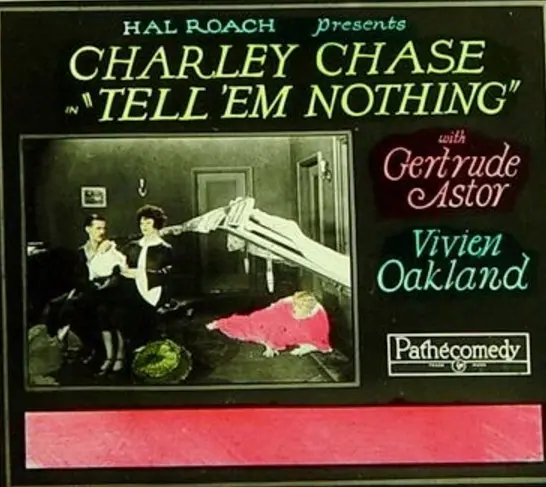
Gertrude Astor, as the client, brings a certain theatricality to her role. Her expressions are wonderfully exaggerated, capturing the indignation of a woman seeking a divorce and then the awkwardness of being caught in Charlie’s escalating predicament. Vivien Oakland, as Charlie’s wife, embodies the wronged spouse with a blend of naiveté and righteous anger. Her reactions, particularly when she first misunderstands Charlie’s demonstration, are pivotal in setting the plot in motion. Her unexpected return to the apartment is timed perfectly, a testament to the ensemble’s understanding of comedic rhythm.
Albert Roccardi, as the jealous husband, provides the necessary antagonistic force, his looming presence adding tension to Charlie’s frantic attempts at concealment. His physical confrontations with Chase, though brief, are executed with a forceful comedic energy. Harvey Clark, as the doctor, is a delightful co-conspirator, his knowing glances and quick thinking adding another layer of conspiratorial humor. While not all performances reach the iconic heights of a Chase, they collectively contribute to the film's frenetic, chaotic atmosphere.
One might argue that the film's greatest strength is also its most glaring weakness: its unwavering commitment to farce. It's a high-wire act that occasionally stumbles, not because of a lack of effort, but because the sheer number of coincidences required stretches the boundaries of even comedic suspension of disbelief. It works. But it’s flawed.
Absolutely, for the right audience. Tell 'Em Nothing offers a fascinating window into the comedic sensibilities of the 1920s and showcases Charley Chase’s unique brand of controlled chaos. It’s a film that demands you turn off your modern sensibilities regarding plot logic and simply revel in the absurdity.
It's a historical document of silent comedy. It demonstrates how effective purely visual storytelling can be. It's a reminder of Chase's enduring comedic genius.
However, if you're new to silent films or prefer comedies with more nuanced character development and tighter, less convoluted plots, you might find its relentless farcical nature a bit much. It's a specific taste, but a rewarding one for those willing to indulge.
Farce, as a genre, thrives on exaggeration, mistaken identities, and rapidly escalating misunderstandings. Tell 'Em Nothing is a quintessential example of this. The film’s tone is consistently light and energetic, even when Charlie’s situation seems dire. There’s never a moment where the audience genuinely fears for Charlie’s well-being; the stakes are purely comedic, focused on the embarrassment and social awkwardness of being caught in a lie.
One unconventional observation is how the film, despite its comedic intent, inadvertently highlights certain societal norms of the era. The casual ease with which a doctor can conspire to send a wife away for a 'rest cure' speaks volumes about the power dynamics within marriages and the medical profession at the time. It’s a dark comedic undercurrent that, while not explicitly explored, adds an unexpected layer of social commentary for the astute viewer.
Compared to other films of its time, such as the more dramatic The Re-Creation of Brian Kent or even the romantic comedy Welcome Stranger, Tell 'Em Nothing positions itself firmly in the realm of pure, unadulterated escapism. It doesn't aim for profundity; it aims for laughs, and largely succeeds on that front. It prioritizes the immediate, visceral reaction to a gag over any lasting emotional resonance, a defining characteristic of the genre.
Tell 'Em Nothing is a boisterous, often hilarious, relic of silent-era comedy that delivers exactly what it promises: a chaotic, farcical romp. Charley Chase, both in front of and behind the camera, proves himself a comedic force, orchestrating a series of increasingly absurd situations with remarkable precision. While its plot is built on a house of cards and its humor occasionally shows its age, the sheer energy and physical prowess on display make it a valuable watch for anyone interested in the history of film comedy.
It’s not a film that will resonate deeply or provoke profound thought, but it will certainly elicit smiles and perhaps a few hearty laughs from those willing to embrace its particular brand of frantic, innocent mischief. For fans of the genre, it’s a solid, if not essential, entry into the silent comedy canon. For everyone else, approach with an open mind and a fondness for old-school slapstick. You might just find yourself charmed by its relentless pursuit of comedic anarchy.
IMDb 4.7
1936
Community
Log in to comment.