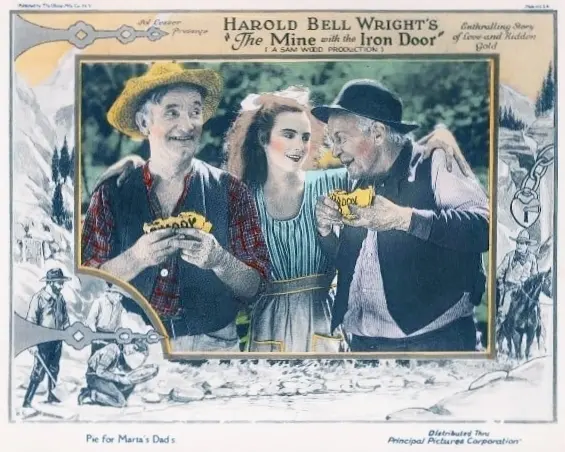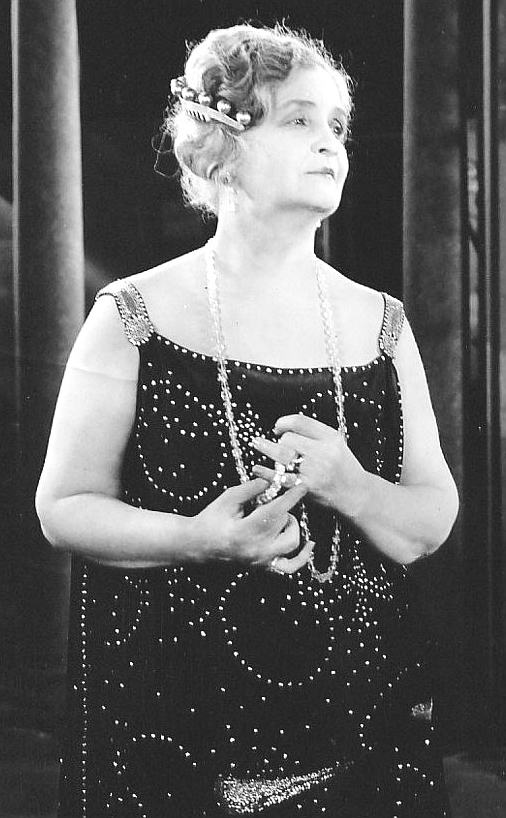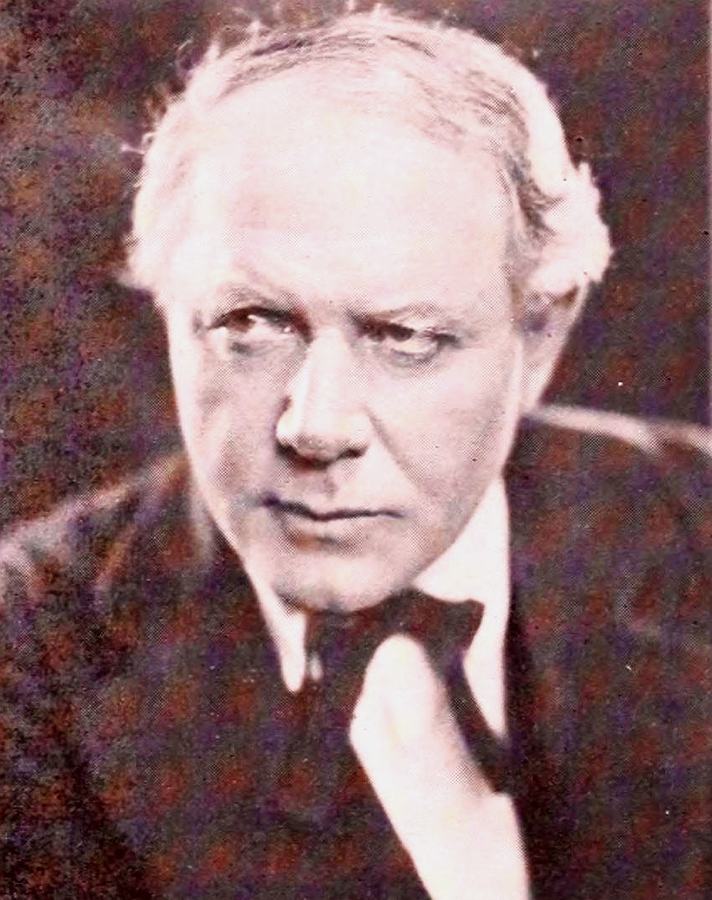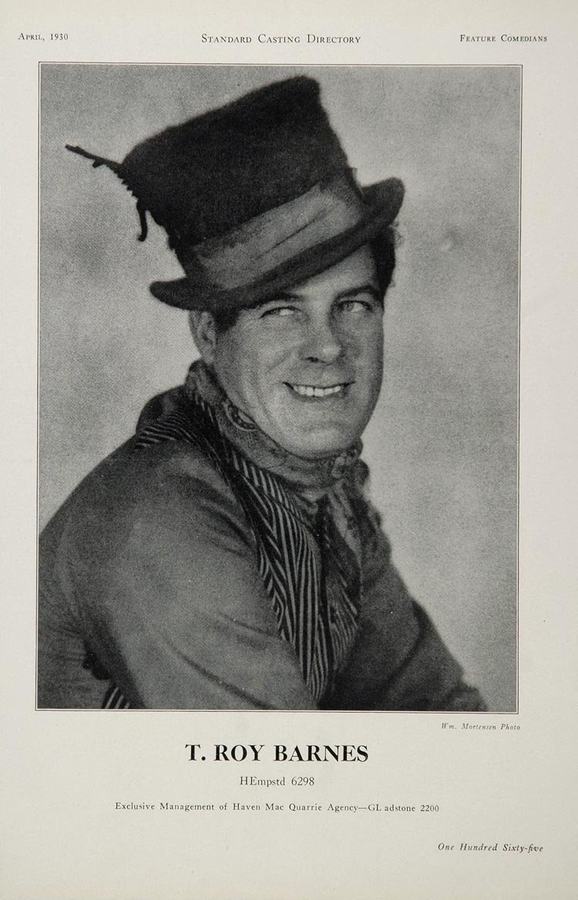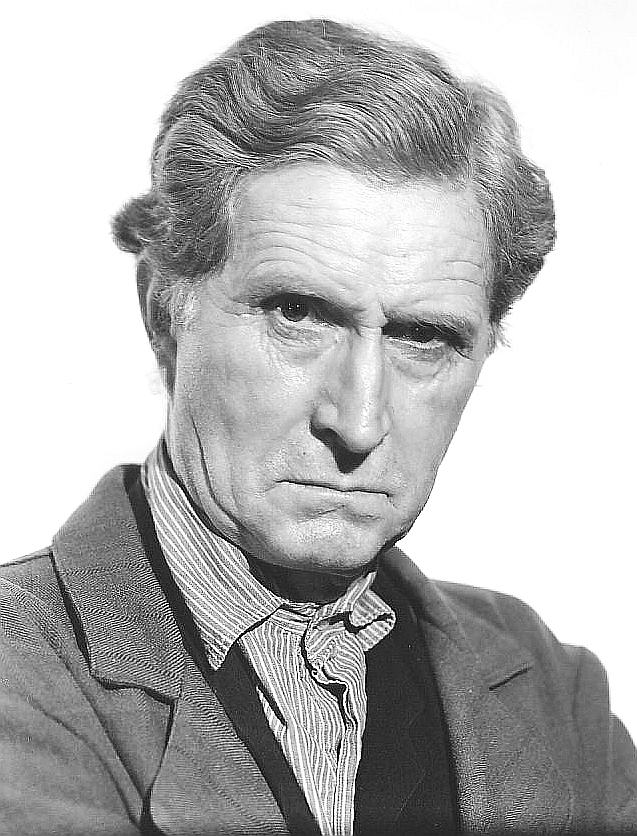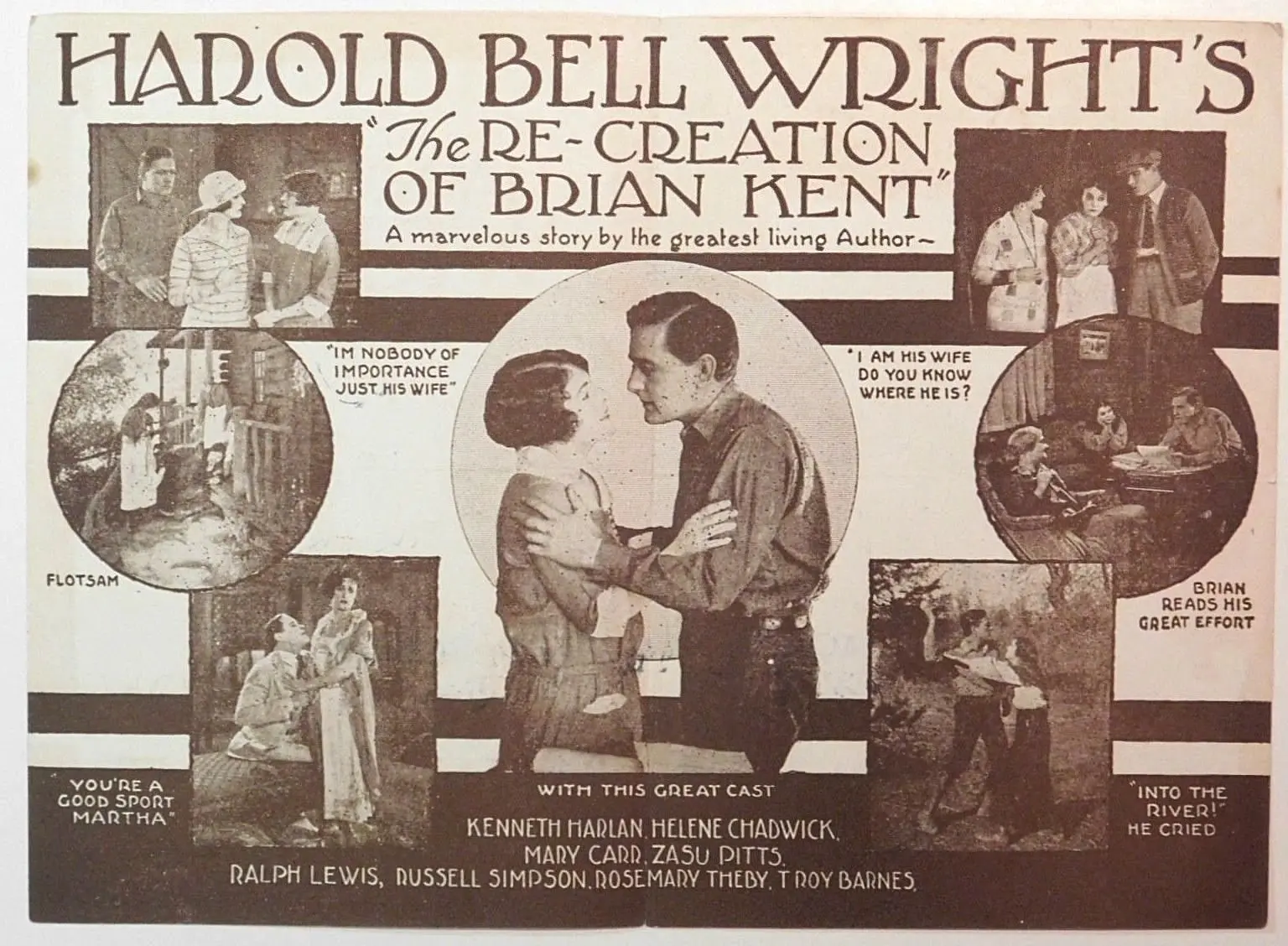
To support a demanding wife, bank clerk Brian Kent embezzles a large sum of money and, overcome with remorse, attempts to commit suicide by casting himself adrift in a small boat on a rough river. The boat is caught in willows, however, and Brian meets Judy, a little maidservant who introduces him to her mistress, Auntie Sue, a schoolteacher.
The silent era often functioned as a secular pulpit, and few films exemplify this homiletic grandeur as vividly as The Re-Creation of Brian Kent. Adapted from the prose of Harold Bell Wright—a man whose popularity in the early 1900s rivaled the most celebrated literati—this 1925 production is far more than a simplistic...
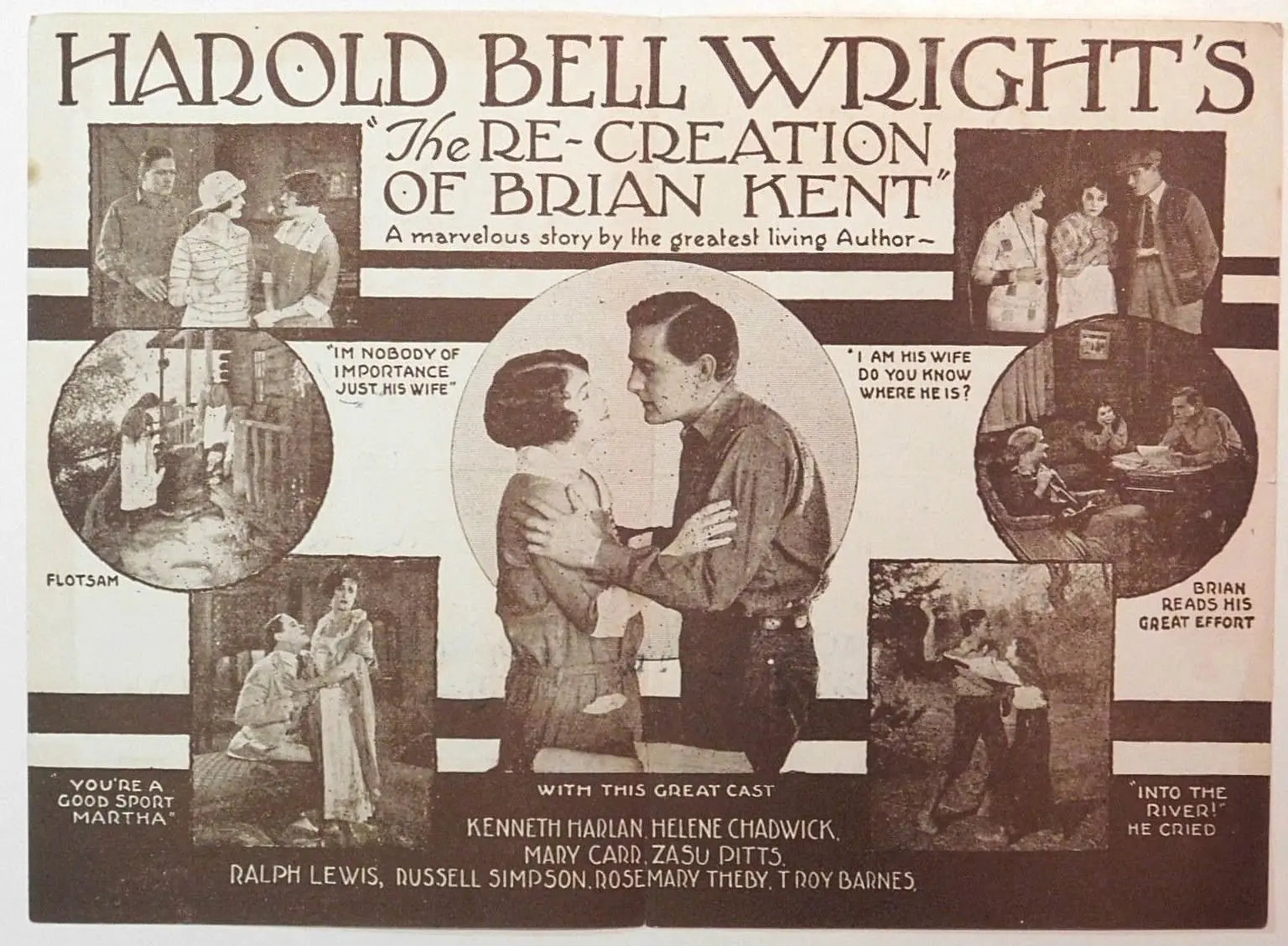
production_art
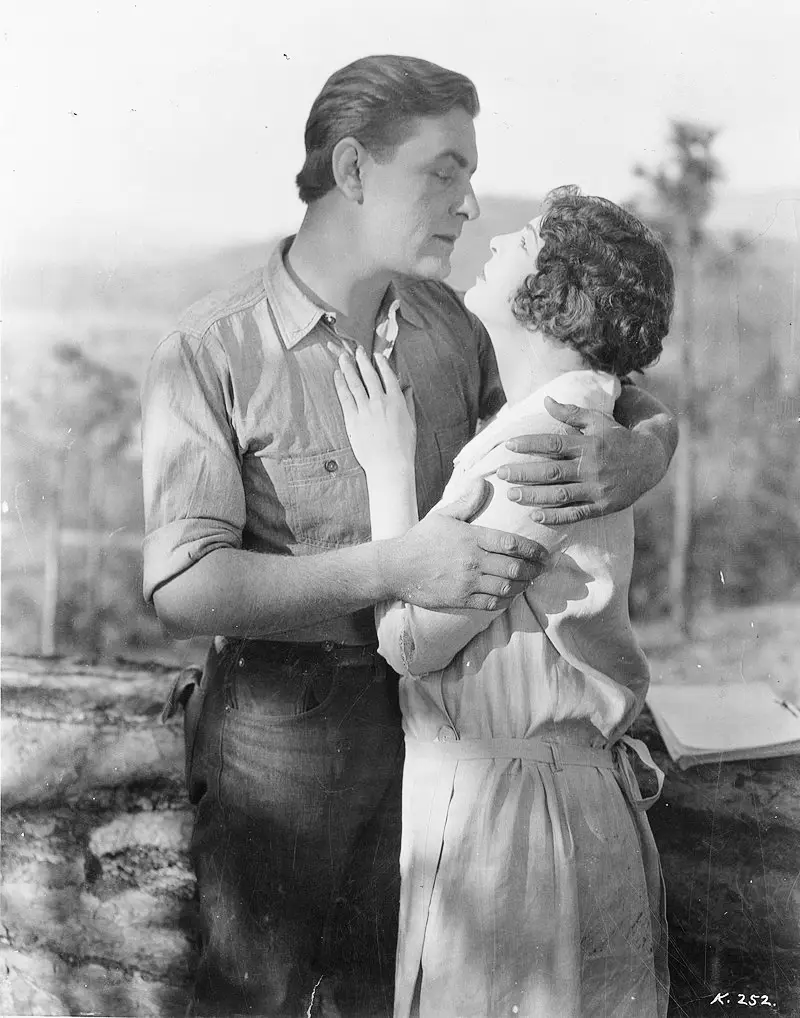
still_frame
Comparing the cinematic DNA and archive impact of two defining moments in cult history.
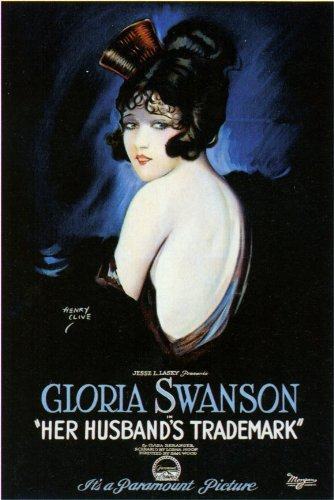
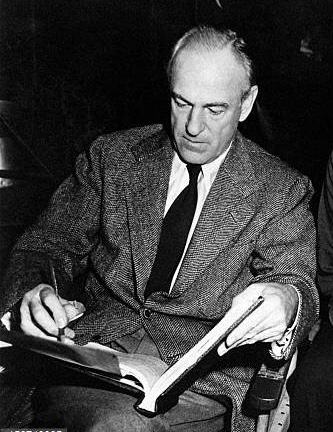
Sam Wood
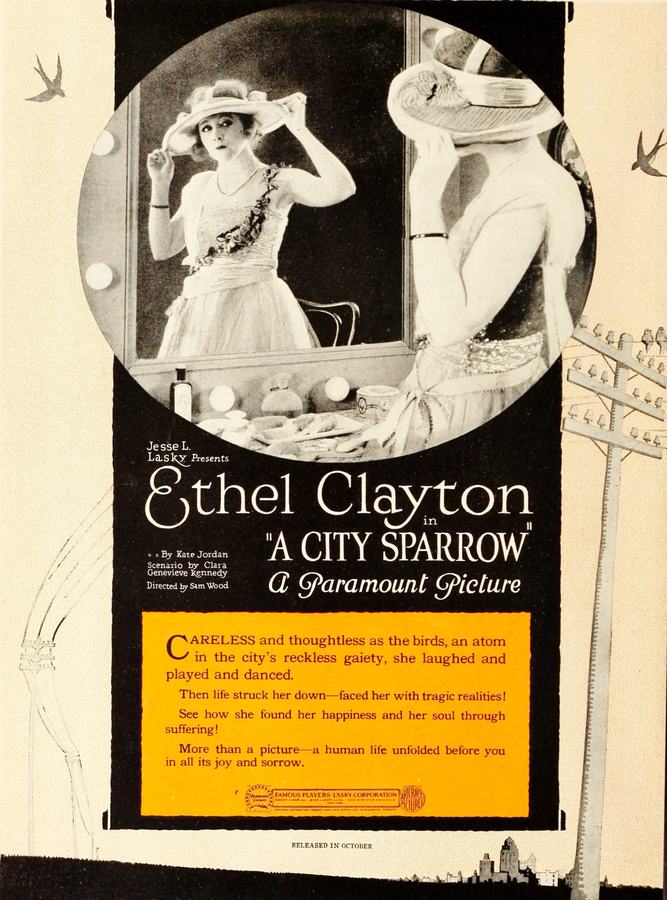
Sam Wood
Community
Log in to comment.
"The silent era often functioned as a secular pulpit, and few films exemplify this homiletic grandeur as vividly as The Re-Creation of Brian Kent. Adapted from the prose of Harold Bell Wright—a man whose popularity in the early 1900s rivaled the most celebrated literati—this 1925 production is far more than a simplistic morality play. It is a visual exploration of the American obsession with the 'second act.' In an era where the frontier had closed but the internal landscape of the psyche remaine..."
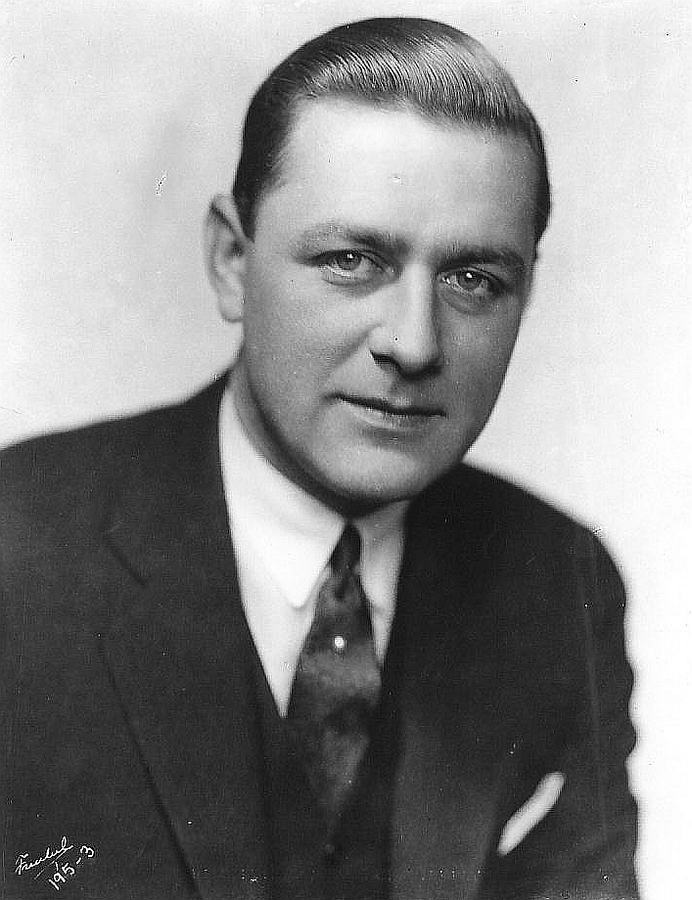
Kenneth Harlan
Arthur F. Statter, Mary Alice Scully, Harold Bell Wright
United States

Deep dive into the cult classic
Discover similar cinematic experiences
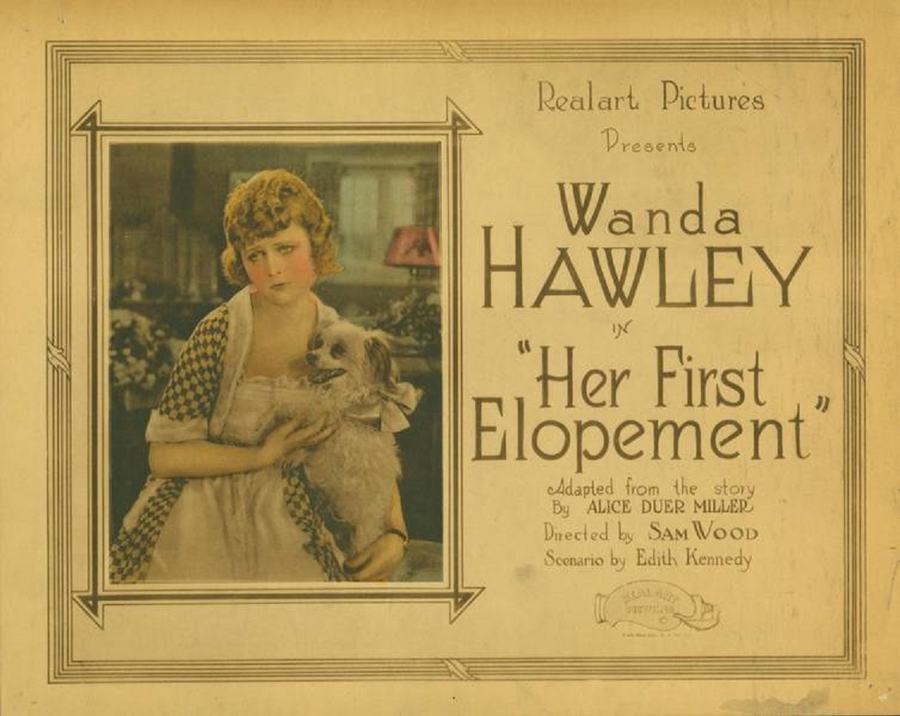
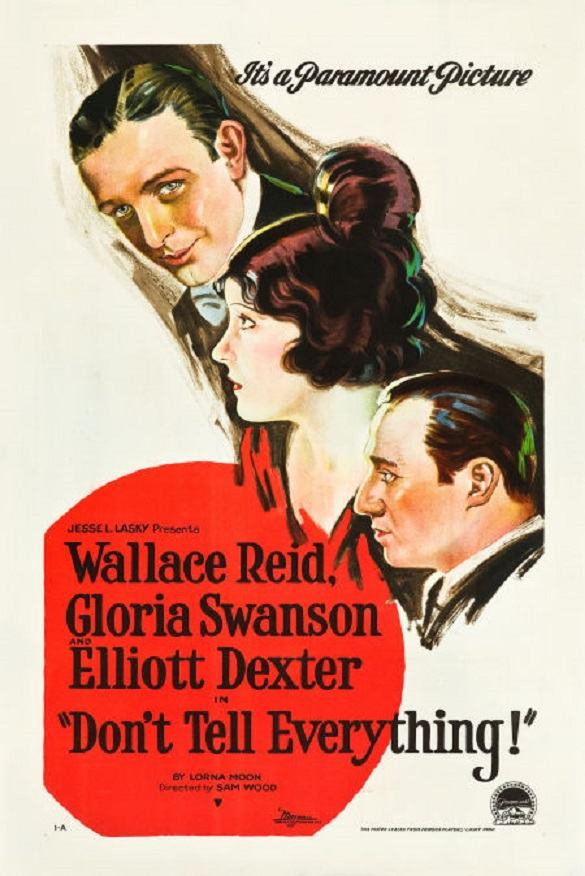
A Directorial Spotlight on Sam Wood