DbcultAccessing Vault...
Cult Review
Senior Film Conservator
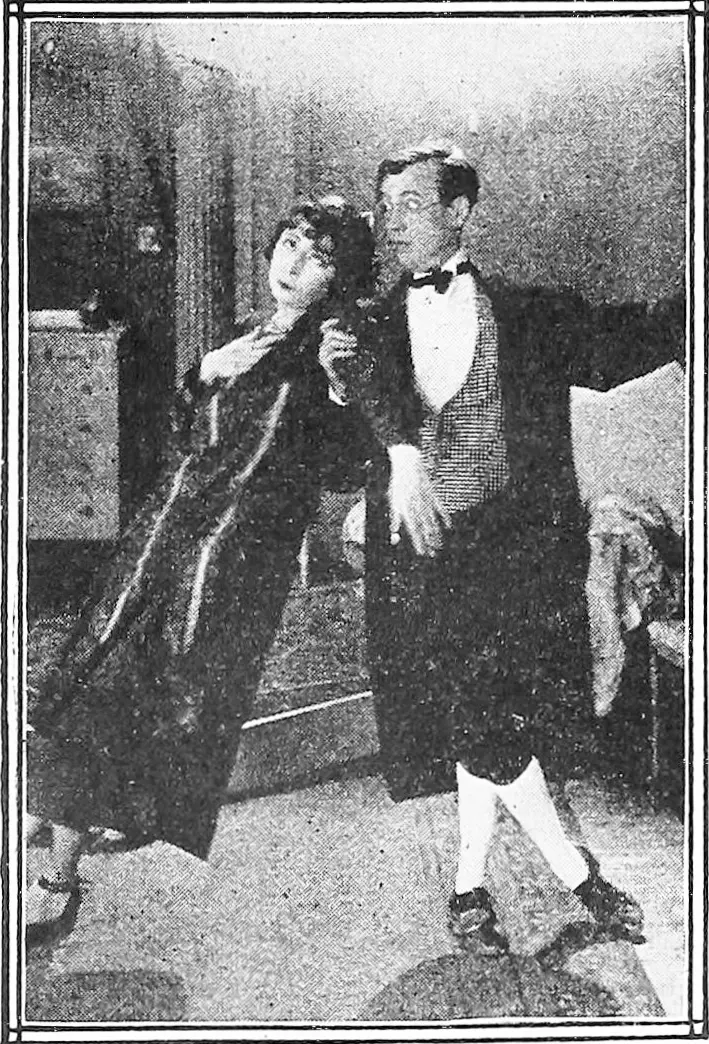
There is a peculiar, almost kinetic energy that permeates the short-form comedies of the early 1920s, a period where the syntax of cinema was being rewritten through the sheer physicality of its performers. Soup to Nuts (1922), directed by the often-underappreciated William Watson, stands as a quintessential artifact of this era. It is a film that doesn't merely invite laughter; it demands a surrender to its escalating absurdity. To watch Henry’s domestic life unravel is to witness the dismantling of the bourgeois facade through the lens of pure, unadulterated slapstick.
The premise is deceptively simple, yet it functions with the precision of a Swiss timepiece. Henry, portrayed with a frantic, wide-eyed desperation by William Irving, is a man whose expectations are his undoing. The arrival of Sally (the luminous Natalie Joyce) should have been a moment of familial warmth, but in the frantic gears of Henry’s mind, she is merely the 'new cook.' This initial error is not just a plot point; it is a commentary on the invisibility of labor and the rigidity of social roles. Unlike the more nuanced social explorations found in Kids and Kidlets, Soup to Nuts dives headfirst into the visceral consequences of such a mistake.
When Henry’s wife enters the fray, the film shifts from a comedy of errors into a full-blown masquerade. The decision to have Henry pose as the butler while a friend assumes the role of the husband is a trope that has been recycled for decades, but here it feels dangerously fresh. There is a palpable tension in the air—a fear of social ostracization that drives the characters to increasingly illogical lengths. This thematic thread of 'pretending to be what one is not' echoes the darker, more dramatic undertones of John Heriot's Wife, though here it is played for maximum histrionic effect.
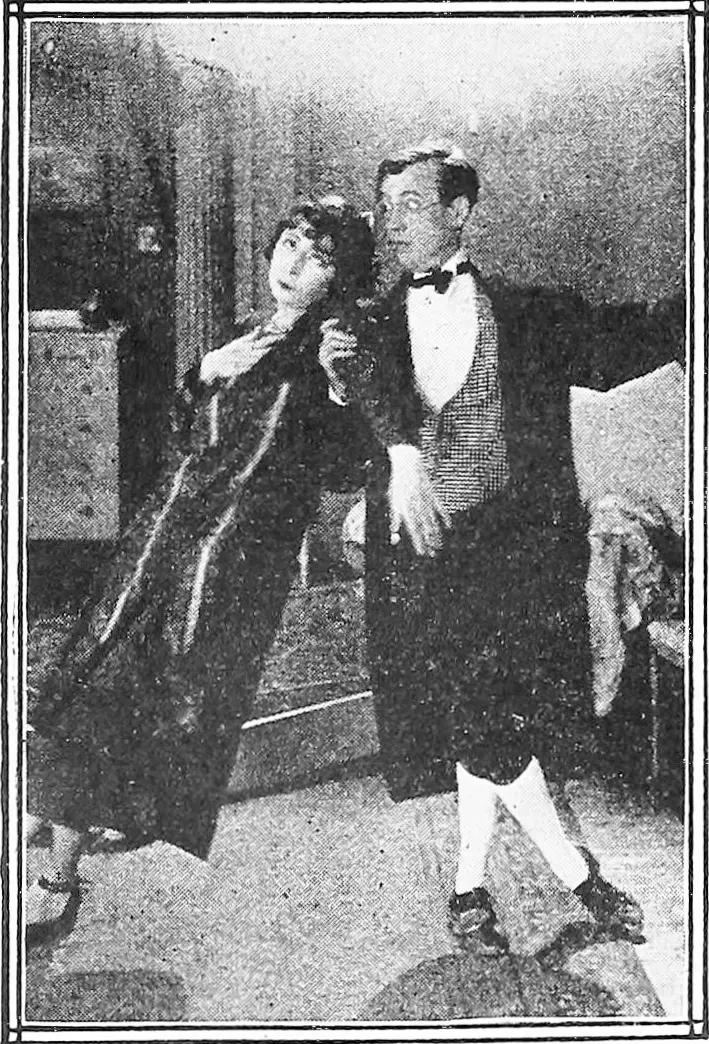
The centerpiece of the film’s first act is, of course, the soup. In an act of culinary sabotage—whether through malice or sheer incompetence—Henry introduces soap into the meal. The resulting scene is a masterclass in physical reaction. The actors don't just 'act' ill; they embody the physiological rejection of the meal. The bubbles, the grimaces, and the frantic attempts to maintain decorum while their digestive systems rebel is comedic gold. It reminds one of the frantic energy in Look Out Below!, where environmental hazards are the primary antagonist.
"The soap-in-the-soup gag is more than just a visual punchline; it is a literal cleansing of the social hierarchy. As the characters foam at the mouth, the distinctions between master and servant, husband and butler, are washed away in a tide of suds.".
Gale Henry and Neal Burns provide exceptional support here, their reactions heightening the stakes. Burns, in particular, captures the essence of a man caught in a nightmare of his own making. The pacing during this sequence is relentless. Watson’s direction ensures that there is no dead air; every frame is utilized to build the sense of impending catastrophe. While a film like Hick Manhattan might focus on the clash of cultures, Soup to Nuts focuses on the clash of chemicals and egos.
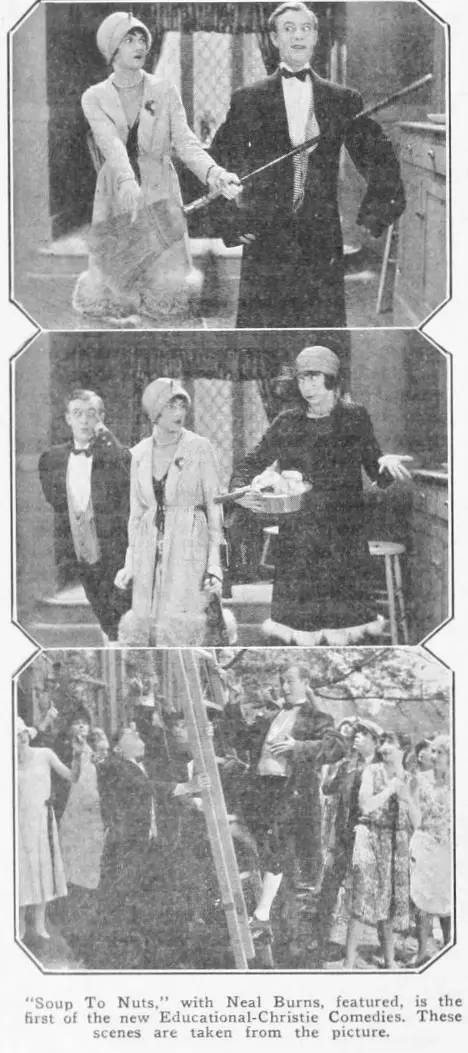
As we move into the final act, the film takes a surreal turn. A fire breaks out, but the characters, already reeling from the 'poisoned' soup, are unable to distinguish reality from their internal malaise. Bill, believing the rising temperatures are merely a symptom of his fever, remains oblivious to the literal flames licking at the doorframe. This is a brilliant narrative device. It creates a dual sense of urgency: the external threat of the fire and the internal threat of the illness. This level of complex situational irony is rare for shorts of this period, often being reserved for longer features like Bella Donna.
The arrival of the fire department introduces a new set of variables. The gags here are fast and furious—ladders that don't reach, hoses that have a mind of their own, and the sheer, beautiful incompetence of the rescuers. It’s a chaotic ballet that serves as the perfect resolution to the domestic discord established earlier. The fire doesn't just destroy the house; it burns away the lies. The masquerade cannot survive the heat of a real crisis. The visual spectacle of the fire department’s antics provides a stark contrast to the earlier, more claustrophobic kitchen scenes.
When comparing Soup to Nuts to its contemporaries, its unique flavor becomes even more apparent. For instance, while Eine weisse unter Kannibalen seeks thrills in the exotic, Watson finds terror and hilarity in the mundane. The domestic sphere is treated as a battlefield, much like the rugged landscapes in Up and Going. There is a certain 'everyman' quality to Henry’s plight, a universal fear of being found out as a fraud, which resonates even today. This is perhaps why the film feels less dated than many of its peers, such as Builders of Castles, which can feel somewhat bogged down by its own moralizing.
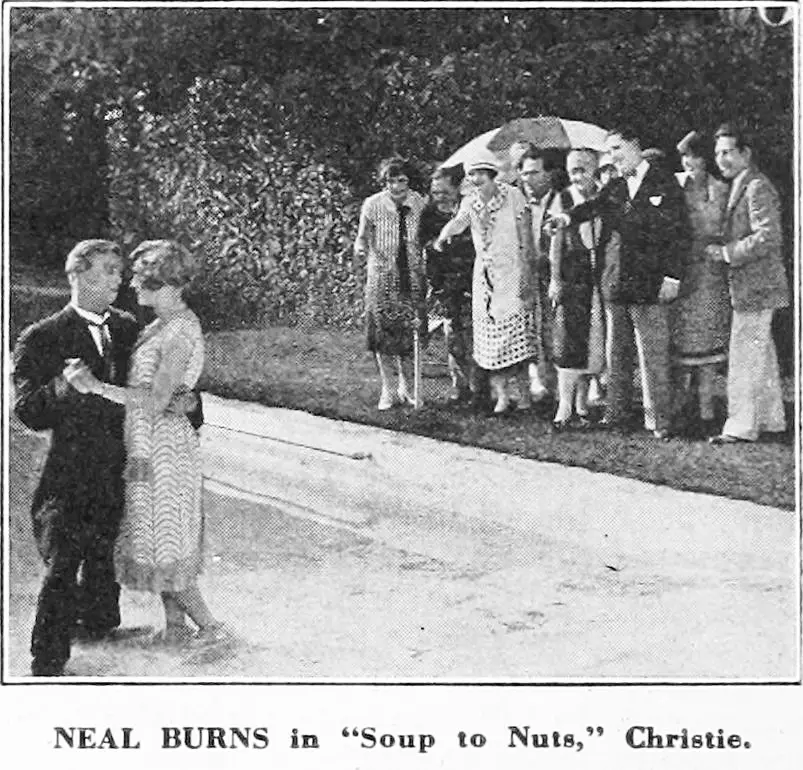
The writing by William Watson and Hal Conklin is sharp, utilizing the limitations of silent cinema to its advantage. Without dialogue, the burden of storytelling falls on the visual cues—the way a character eyes a bowl of soup, the frantic gesture of a wife trying to hide her husband, the way smoke begins to curl around a doorframe. In this regard, Soup to Nuts is a masterclass in visual storytelling. It shares a certain rhythmic DNA with A kölcsönkért csecsemök, another film that relies heavily on the 'mistaken identity' trope to drive its engine.
Technically, the film is a marvel of its time. The lighting during the fire sequence, though primitive by modern standards, creates a genuine sense of peril. The editing is brisk, never allowing the viewer to linger too long on any one gag, which maintains the film's frenetic energy. This is a sharp contrast to the more languid pacing of Willy Reilly and His Colleen Bawn. Watson understands that in comedy, timing is everything, and Soup to Nuts is timed to perfection.
The performances, too, deserve a second look. Vera Steadman brings a groundedness to her role that prevents the film from floating off into pure absurdity. She is the anchor in the storm. Natalie Joyce, as Sally, manages to be both the victim of the circumstance and a comedic force in her own right. The chemistry between the cast members is evident, suggesting a collaborative environment that allowed for improvisational flourishes. It’s this human element that makes the film more than just a series of gags; it’s a story about people, however flawed and foolish they may be.
In the grand tapestry of 1922 cinema, which saw the release of epic dramas and sweeping romances like Minaret Smerti or the thematic depth of Everyman's Price, Soup to Nuts might seem like a minor entry. However, to dismiss it as such would be a mistake. It represents the peak of the short-form comedy craft. It is a film that understands the inherent humor in the human condition—our vanity, our mistakes, and our resilience in the face of self-inflicted disaster.
Whether you are a scholar of silent film or simply someone looking for a genuine laugh, Soup to Nuts delivers. It is a reminder that while technology and tastes may change, the sight of a man trying to serve soapy soup while his house burns down is eternally funny. It captures a moment in time where the world was moving fast, and the only way to keep up was to laugh at the chaos. It is, in every sense of the word, a classic.
Critic's Rating: 8.5/10. A riotous exploration of domestic fragility that remains as sharp as a tack and as bubbly as a bowl of soapy broth. Don't miss this essential piece of silent comedy history.
IMDb 6.3
1931
Community
Log in to comment.