DbcultAccessing Vault...
7.2/10
Senior Film Conservator
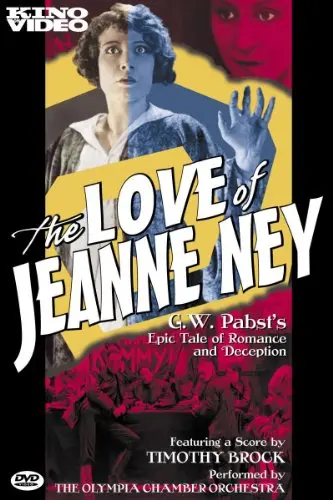
A definitive 7.2/10 rating for a film that redefined the boundaries of cult cinema. The Love of Jeanne Ney remains a cornerstone of transgressive art.
Is The Love of Jeanne Ney worth watching in an era of high-definition blockbusters? Short answer: Yes, but only if you are willing to trade dialogue for some of the most sophisticated visual storytelling in cinematic history.
This film is for the cinephile who craves atmosphere and the student of history who wants to see the psychological scars of post-WWI Europe. It is not for the casual viewer who finds silent cinema 'boring' or those who require a linear, fast-paced plot without the detours of 1920s melodrama.
1) This film works because it pioneered the 'invisible cut' and utilized a fluid, moving camera that makes the 1927 setting feel surprisingly modern and claustrophobic.
2) This film fails because the third-act 'lost diamond' subplot feels like a trivial distraction compared to the heavy political and emotional stakes established in the opening Crimean sequences.
3) You should watch it if you want to see Brigitte Helm—the iconic robot from Metropolis—deliver a haunting, grounded performance that proves she was more than just a sci-fi figurehead.
G.W. Pabst was the master of 'New Objectivity' (Neue Sachlichkeit), a movement that rejected the distorted shadows of Expressionism in favor of a cold, hard look at reality. In The Love of Jeanne Ney, this manifests in the mud of the Crimea and the grime of the Parisian streets. Unlike the stylized worlds of other 1927 releases, this film feels lived-in. It feels dirty. When we see the Bolshevik soldiers, they aren't caricatures; they are tired, hungry men caught in a cycle of violence.
The opening sequence is a masterclass in tension. As the Reds and Whites clash, the camera moves with a frantic energy that predates the handheld aesthetics of the French New Wave. Compare this to the more static framing found in Open Your Eyes, and you see the technical leap Pabst was making. He wasn't just filming a play; he was capturing a world in motion.
One specific scene stands out: the death of Jeanne’s father. The camera doesn't shy away from the awkward, messy nature of the confrontation. It is brutal. It is sudden. It sets a tone of unpredictability that carries through the entire first act. This isn't the romanticized war of The Tigress; it is a clinical observation of tragedy.
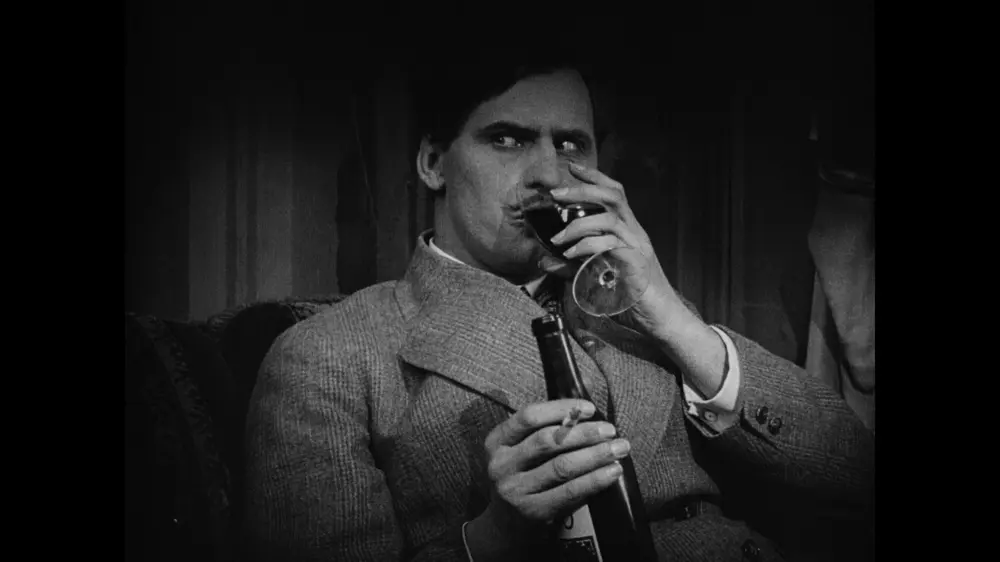
If there is one reason to watch this film today, it is Fritz Rasp. Playing the villainous Khalibiev, Rasp creates a character so physically repulsive and morally bankrupt that he practically oozes off the screen. There is a scene where he eats a soft-boiled egg while plotting a betrayal, and the way he handles the spoon is more terrifying than any jump scare in a modern horror film. It is a performance of pure, unadulterated sleaze.
Rasp represents the rot of the old world. While the young lovers, Jeanne and Andreas, are blinded by their idealism and naivete, Khalibiev is the predator who knows exactly how to exploit the chaos. His presence turns the film into a proto-noir. He is the shadow that even the bright lights of Paris cannot dispel. While The Pace That Thrills might offer external excitement, Rasp offers an internal, psychological dread that is far more lasting.
The middle section of the film moves to Paris, and the tone shifts. We go from the epic scale of war to the cramped quarters of a detective agency. This is where the film’s pacing occasionally falters. The introduction of the 'lost diamond' plot feels like a concession to the popular detective tropes of the time, similar to the lighthearted mysteries of Postage Due or Misfits and Matrimony.
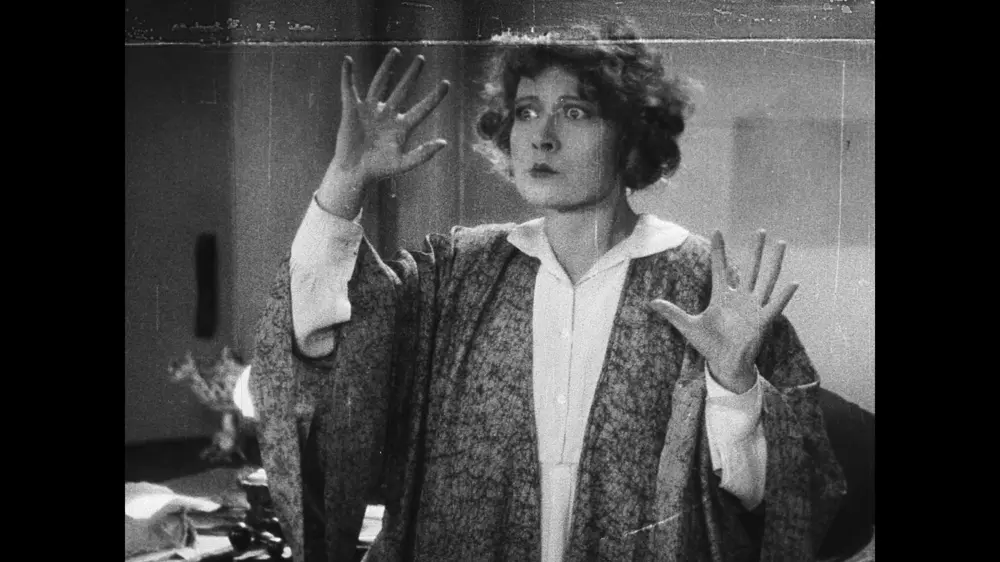
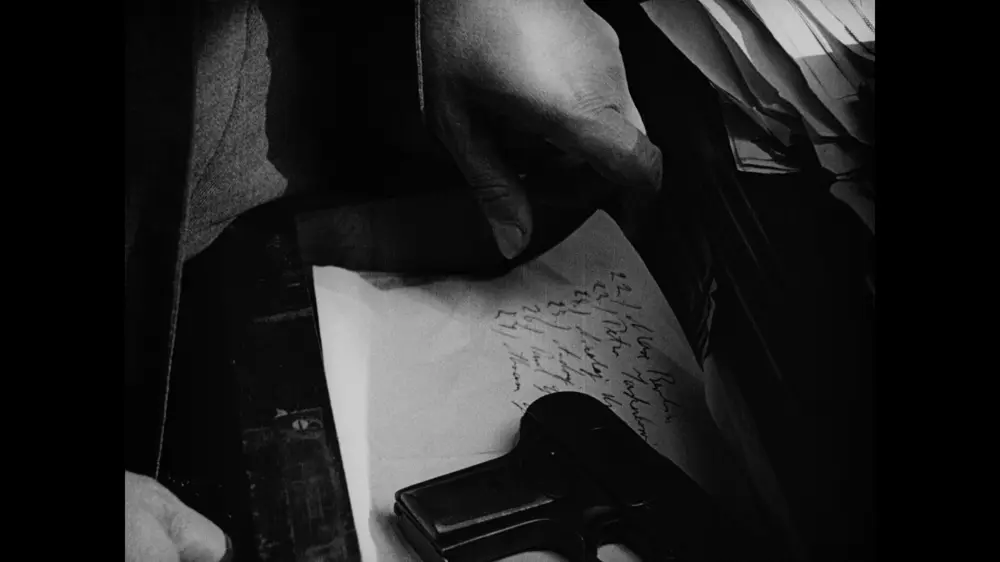
However, Pabst manages to save these sequences through sheer technical brilliance. The use of close-ups is revolutionary. He focuses on hands, eyes, and small gestures to tell the story. You don't need a title card to know what Jeanne is thinking when she looks at her uncle; her posture says it all. The cinematography by Fritz Arno Wagner is breathtaking, using natural light to create a sense of place that few films of the era could match.
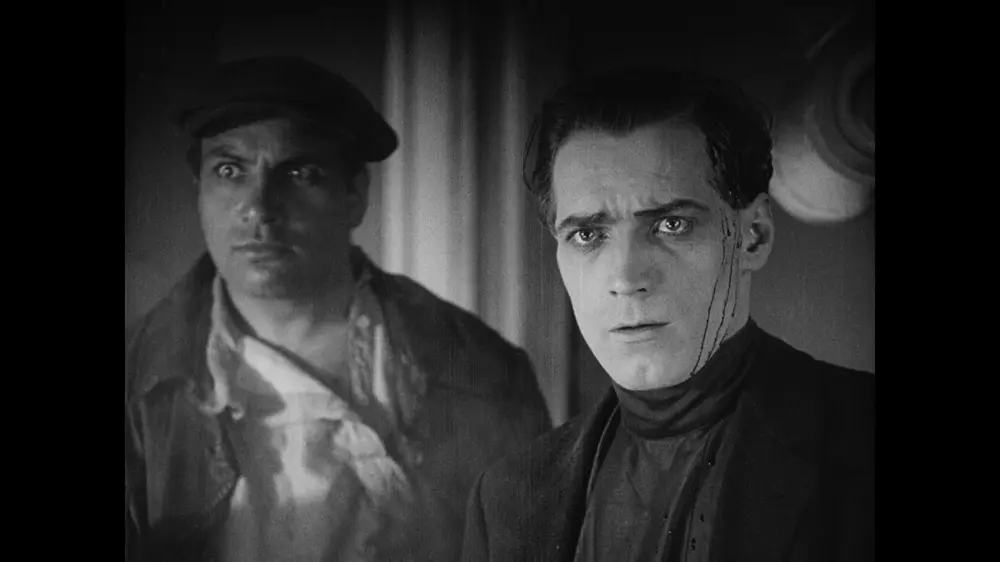
It works. But it’s flawed. The shift from a grand political tragedy to a local crime caper is jarring. It’s as if the film couldn't decide whether it wanted to be a revolutionary epic or a drawing-room thriller. Yet, even in its most disjointed moments, the visual composition remains flawless.
Brigitte Helm plays the blind daughter of the detective agency owner, and her performance is a revelation. In a silent film, playing a character who cannot see requires a level of physical nuance that most actors would fail at. Helm uses her other senses—her touch, her hearing—to interact with the environment. It is a masterclass in understated acting.
Her character provides a moral center to the film. While everyone else is chasing diamonds or political ideologies, she is simply trying to navigate a world that is increasingly hostile. Her interactions with Jeanne provide the film with its most tender moments, offering a brief respite from the cynicism of Khalibiev and the violence of the war. It is a far cry from the slapstick energy of The Bike Bug or the domestic drama of Lazybones.
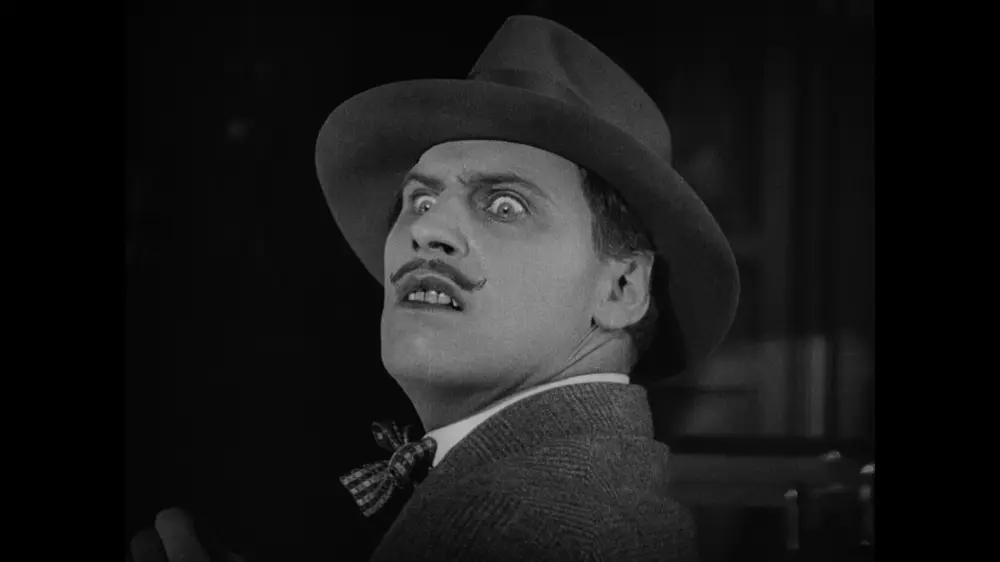
The Love of Jeanne Ney is absolutely worth watching for anyone interested in the evolution of film editing. Pabst’s ability to cut on movement—a technique we take for granted today—was perfected here. This film doesn't just show you a story; it makes you feel the physical space between the characters. If you can overlook the somewhat convoluted plot, the visual experience is transformative.
Pros:
- Revolutionary cinematography that still feels modern.
- A truly terrifying villainous performance by Fritz Rasp.
- Gritty, realistic production design that avoids silent-film clichés.
Cons:
- The plot becomes overly complicated in the final third.
- Some of the romantic elements feel dated compared to the political grit.
The Love of Jeanne Ney is a towering achievement of the late silent period. While it lacks the singular focus of Pabst's later work like Pandora's Box, it compensates with an incredible sense of atmosphere and technical bravado. It is a film that demands your full attention, rewarding you with a visceral look at a Europe in transition. It’s not perfect, but it is essential. It is a bridge between the old world of theater-based filming and the new world of cinematic language. Don't watch it for the diamond; watch it for the shadows.
IMDb 6.2
1935
Community
Log in to comment.