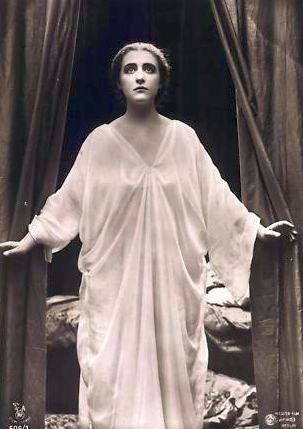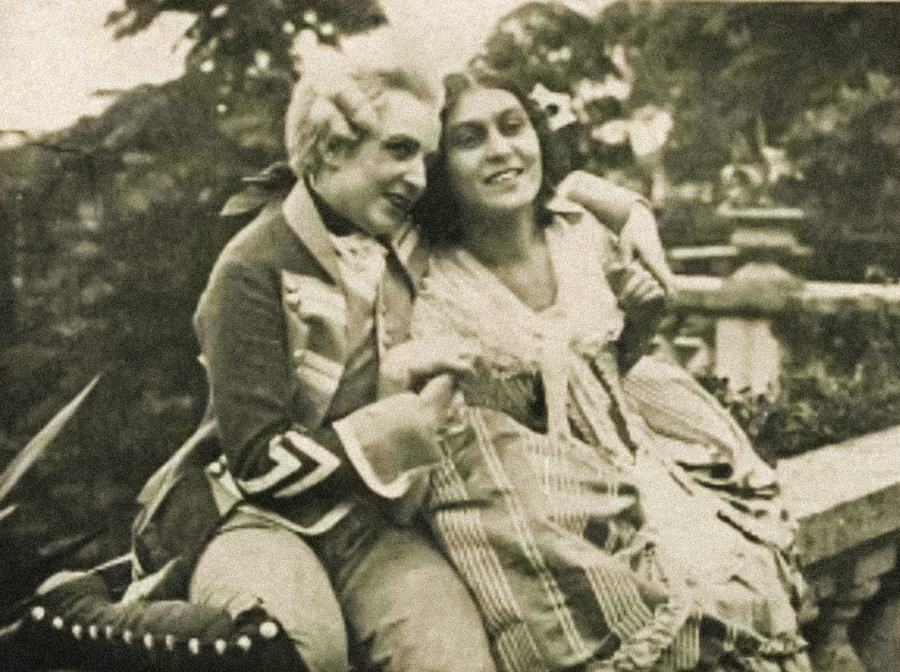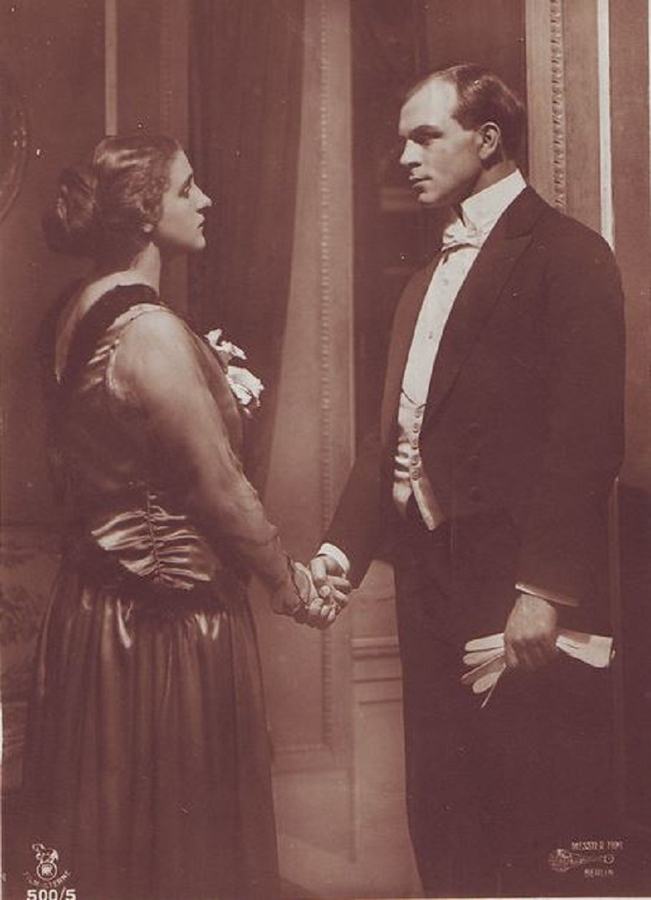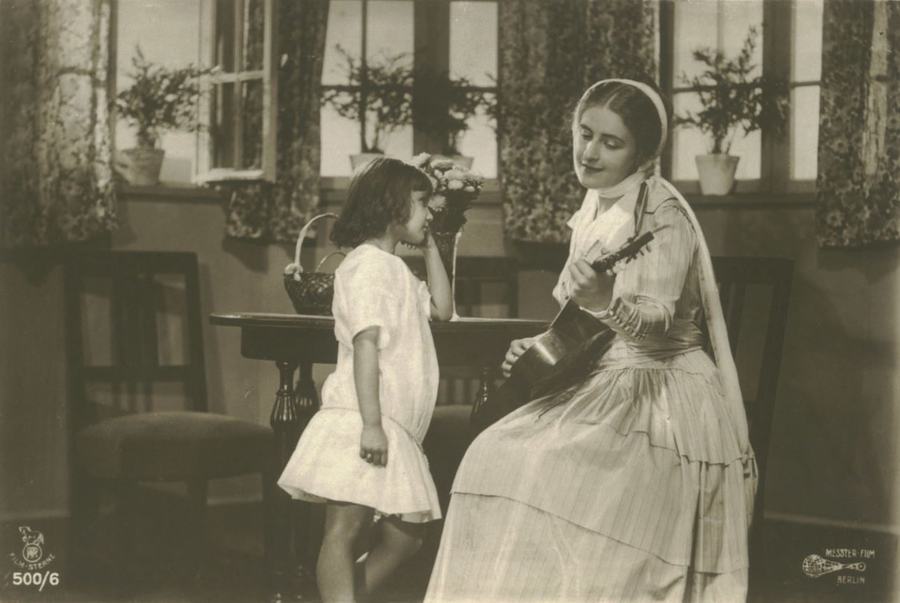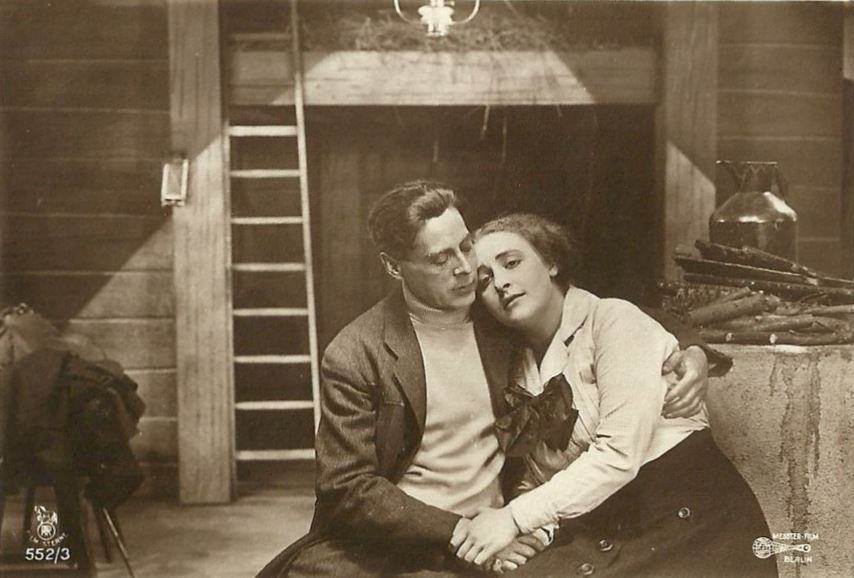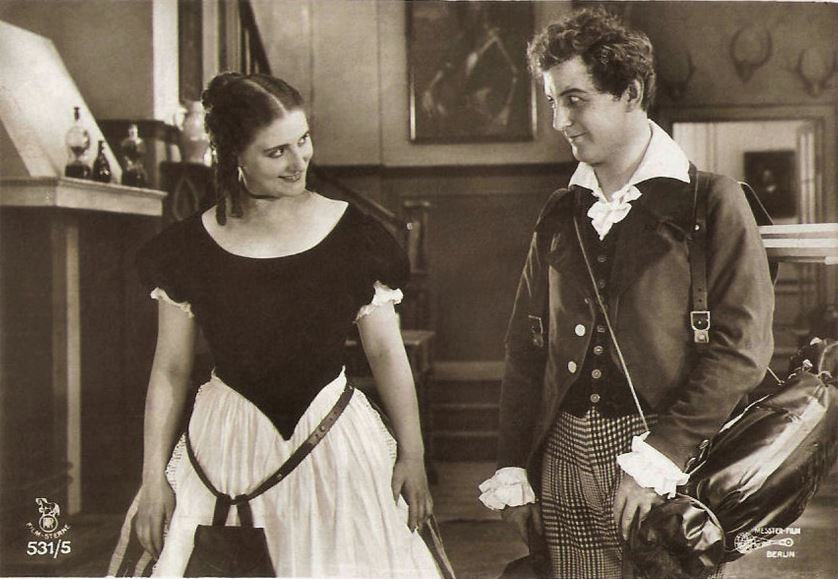
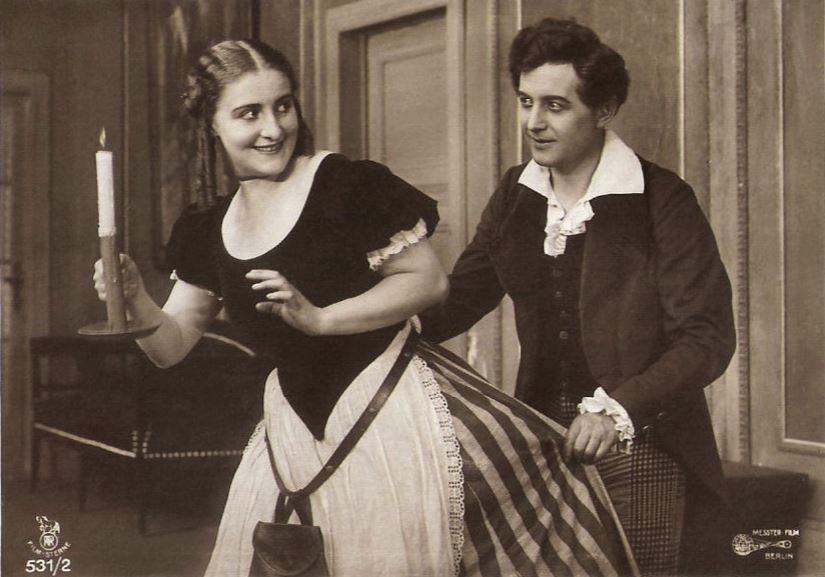
Agnes Arnau und ihre drei Freier (1916): A Silent Film Unraveling the Paradoxes of LoveRobert Wiene’s Agnes Arnau und ihre drei Freier is a forgotten gem of Weimar cinema that lingers in the mind like a half-remembered dream. Released in 1916, amid the crescendo of global conflict, the film transcends its era with a na...
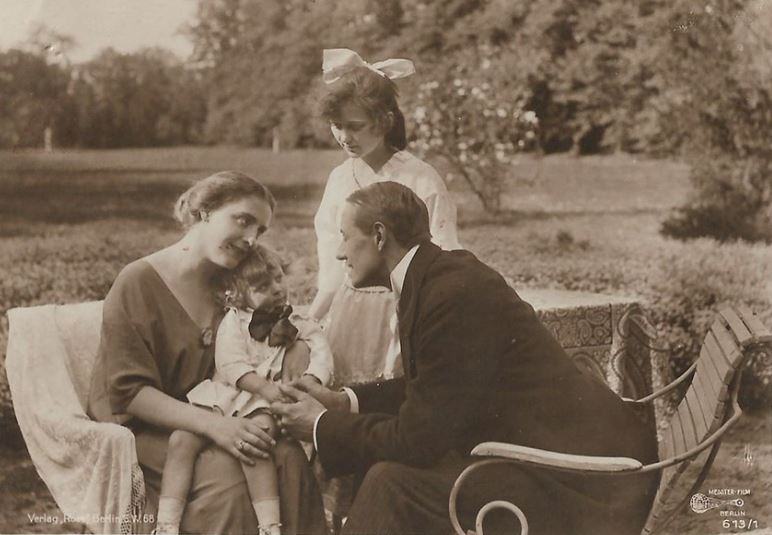
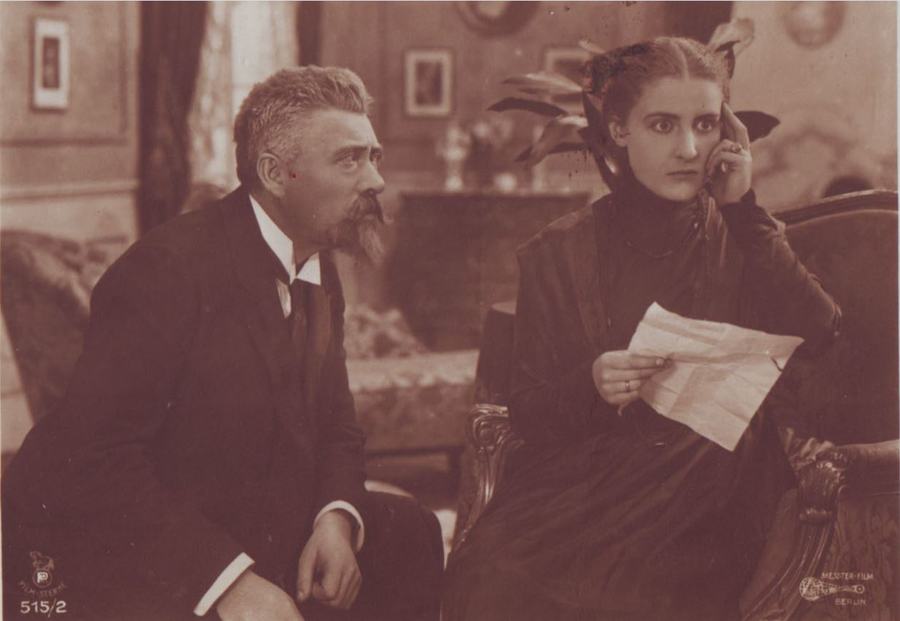
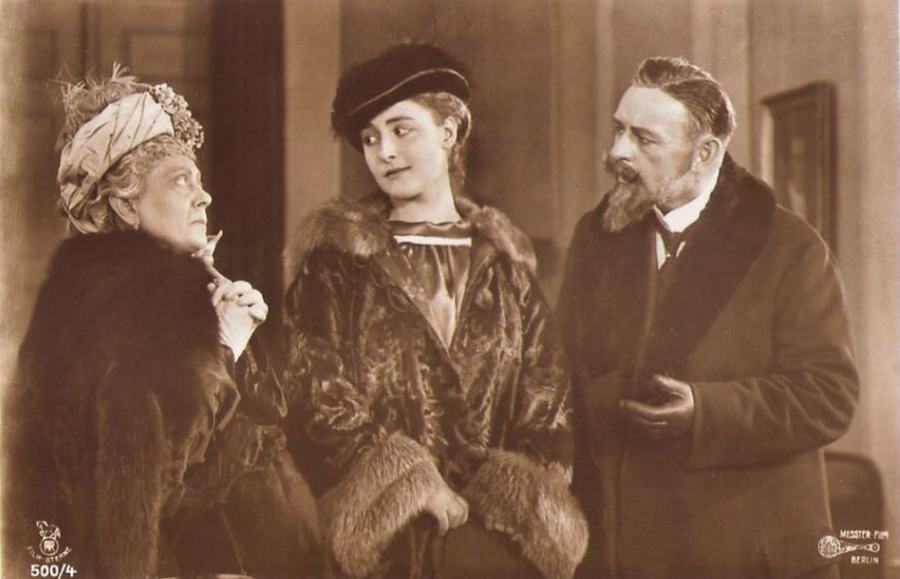
still_frame
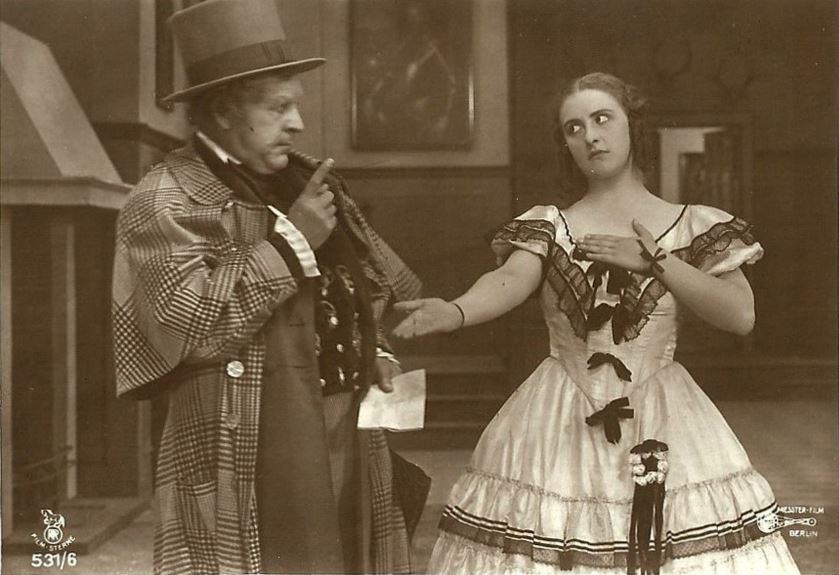
still_frame
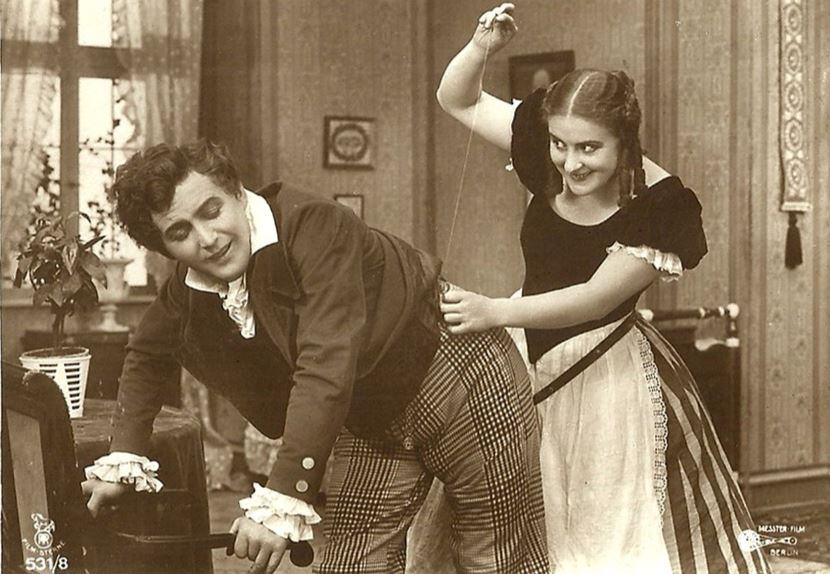
still_frame
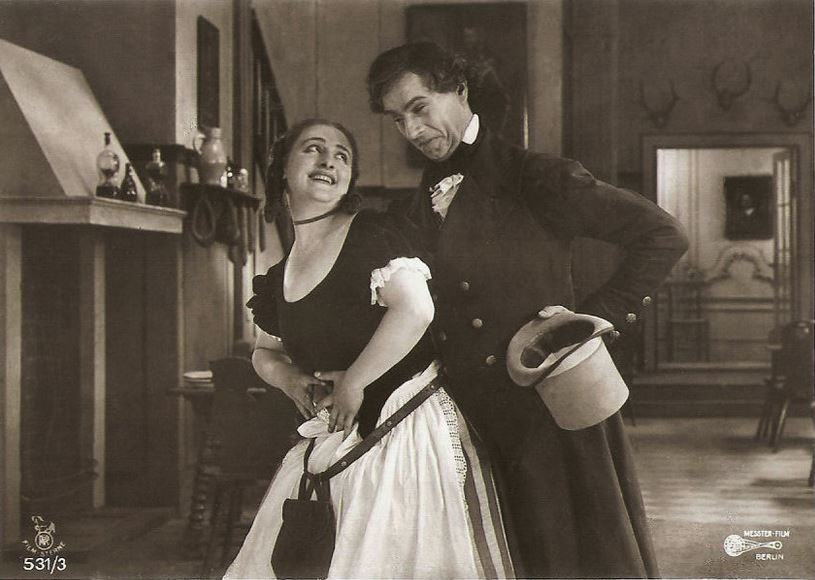
still_frame
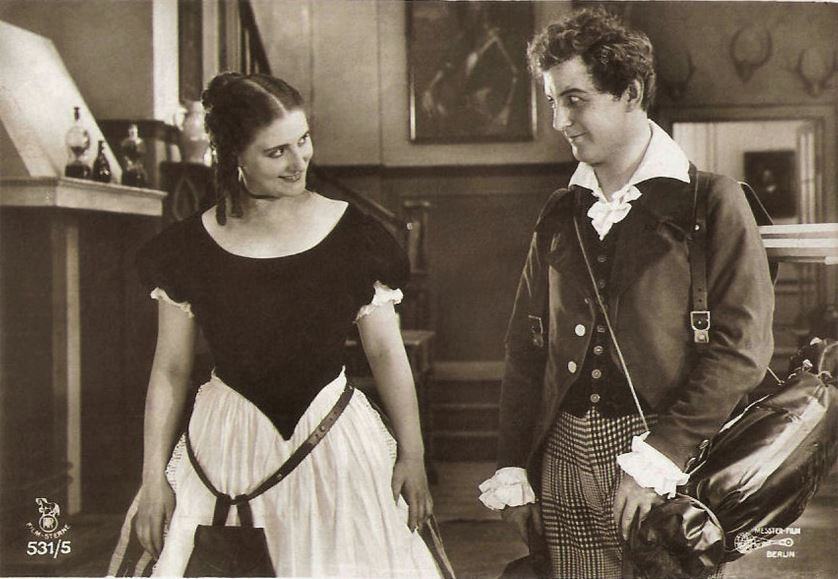
still_frame
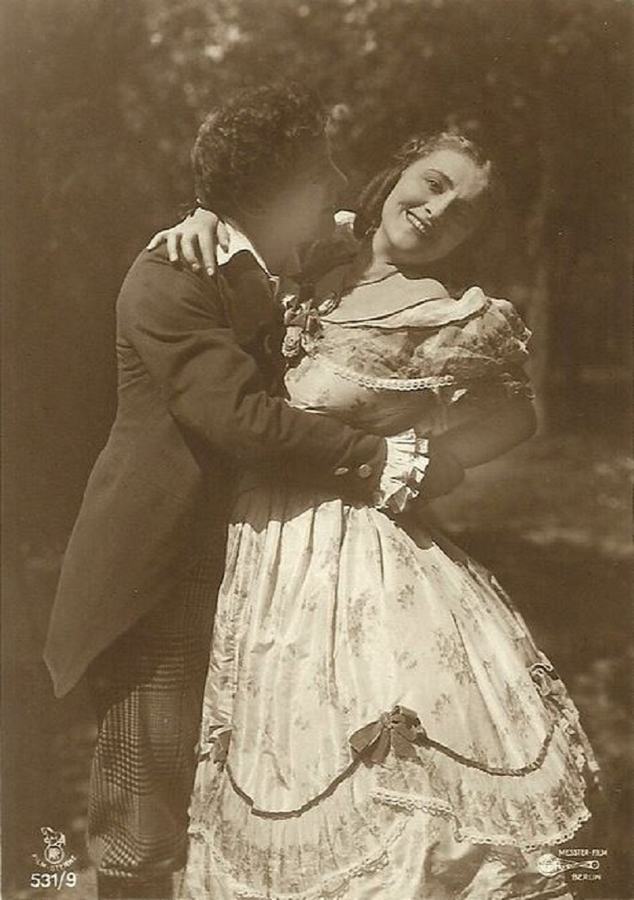
still_frame
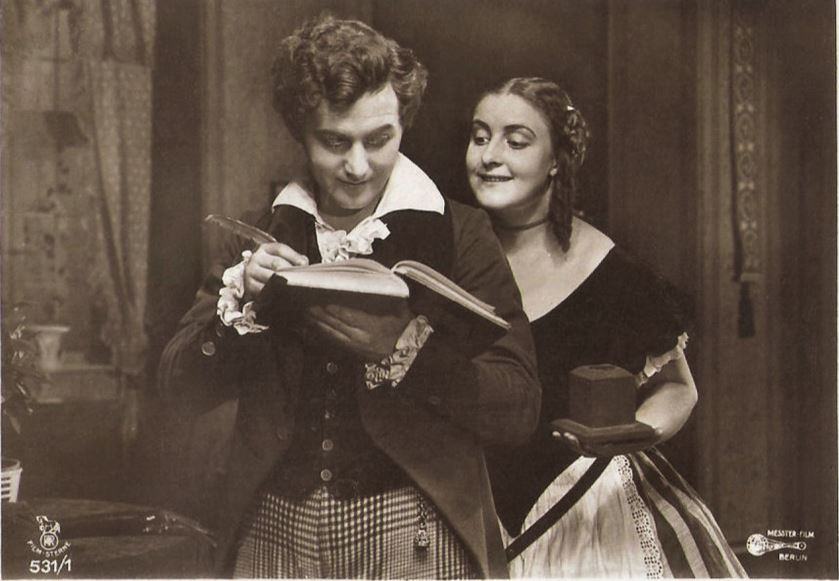
still_frame
Comparing the cinematic DNA and archive impact of two defining moments in cult history.
Rudolf Biebrach
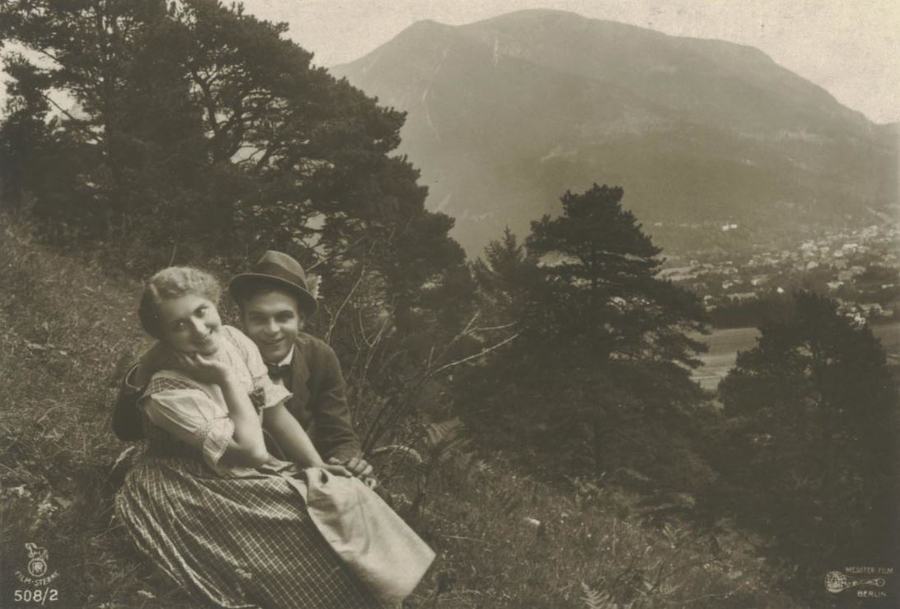
Rudolf Biebrach
Community
Log in to comment.
"Agnes Arnau und ihre drei Freier (1916): A Silent Film Unraveling the Paradoxes of LoveRobert Wiene’s Agnes Arnau und ihre drei Freier is a forgotten gem of Weimar cinema that lingers in the mind like a half-remembered dream. Released in 1916, amid the crescendo of global conflict, the film transcends its era with a narrative that feels both era-specific and eternally human. With Berta Monnard in the lead role, Wiene constructs a story that is less about the act of choosing and more about the ex..."