Summary
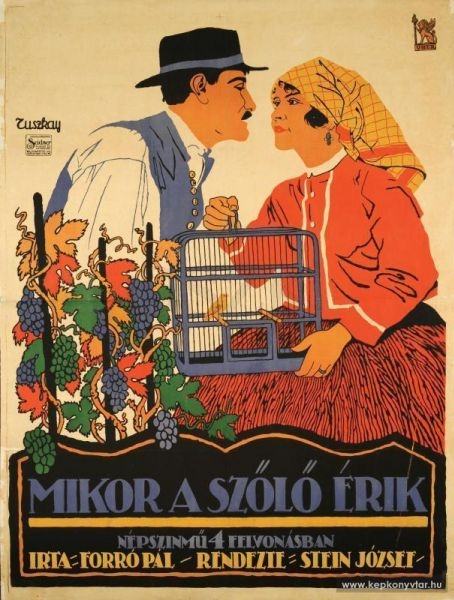
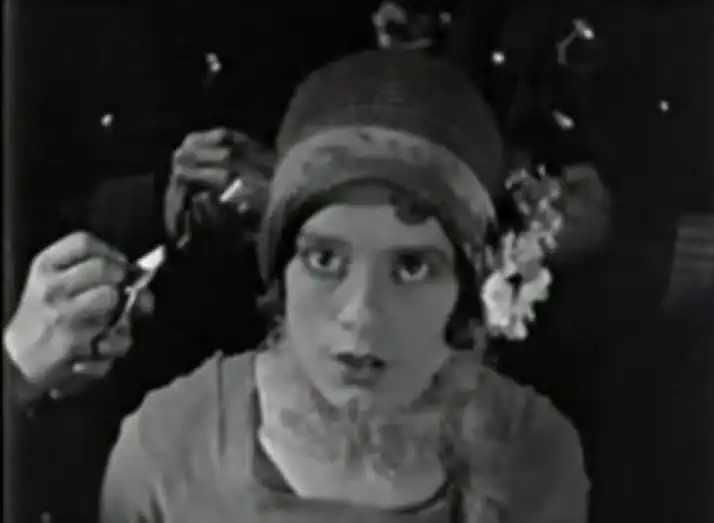
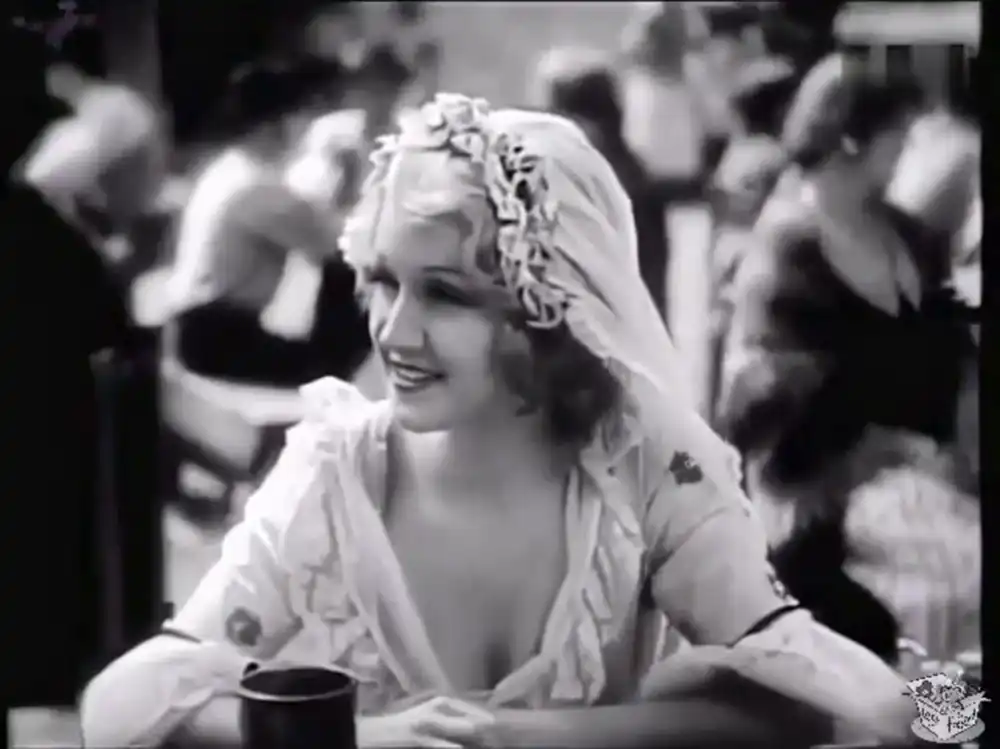
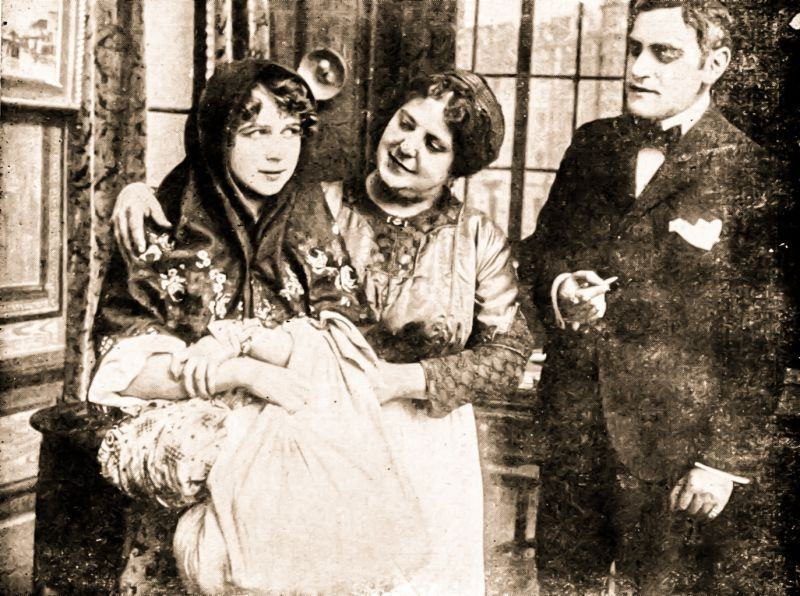
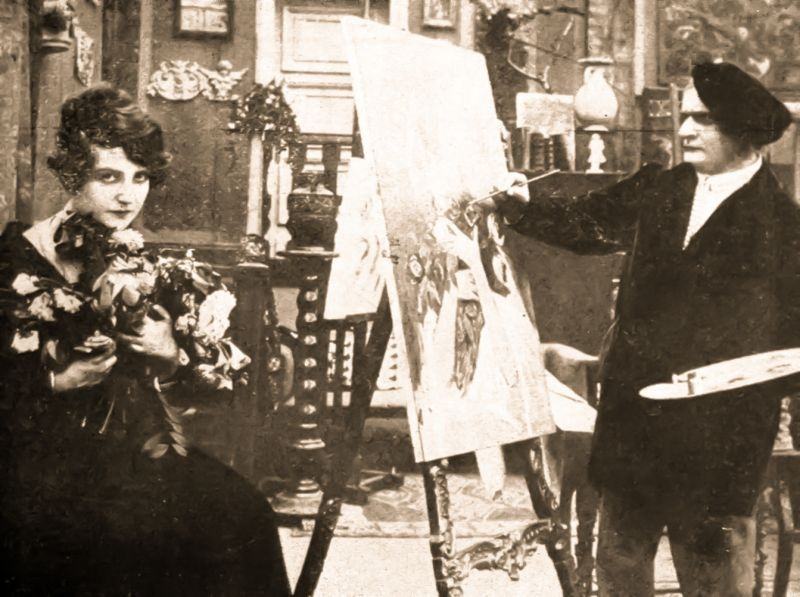
The year is 1917; the Carpathian air tastes of musty resin and fermenting must, the vineyards cling to the slopes like emerald serpents, and in this crucible of war and harvest the film unfurls its sinewy parable. Ilona Dömötör’s Erzsébet—widow of a vintner felled by shrapnel—returns to the family estate to find the cellars commandeered by a tattered battalion under the enigmatic Captain Radu, played by Viktor Costa with the feral grace of a wolf in a crumbling officer’s tunic. Bella Muzsnay’s Klára, the orphaned niece raised on fairy-tales of Bacchus, believes the vines bleed sacramental wine if pruned at midnight; she courts danger by stealing through the terraces to sketch the soldiers’ faces by moonlight, convinced that capturing a likeness can cage a soul. Soma Szarvasi’s Jóska, a deserter wearing a stolen chaplain’s collar, hides inside the hollowed-out fermentation vats, whispering psalms to the yeasts while war desecrates the chapel overhead. Dezső Bánóczi’s grizzled foreman, Szabolcs, keeps a ledger of every grape cluster like an accountant of resurrection, convinced that if the harvest reaches ninety quintals the soil will give back the fallen men. Into this sacrament of mud and alcohol steps Cia Jatzkó’s Márta, a Red-Cross nurse whose satchel contains not bandages but phylloxera larvae—she intends to burn the vineyards to halt the advancing front, reasoning that barren earth can’t feed armies. Mihály Táry’s drunken notary recites property deeds backwards to exorcise the ghosts of creditors, while Elemér Erdődy’s mute swineherd conducts a choir of pigs whose squeals map the frontline trenches. The narrative arcs toward the autumnal equinox, when the grape must reach density of 22 °Brix: if the harvest fails, the battalion retreats; if it succeeds, they fortify the pass. On the night of the first frost, the women enact a clandestine rite—foot-treading the grapes in the stone-lagares while singing funeral dirges—turning pain into sugar, grief into alcohol, until the tanks overflow with a wine so dark it mirrors no stars. When dawn arrives, the soldiers drink themselves into oblivion, the girls dance on barrels, and the camera ascends through smoke to reveal the vines already budding with the next impossible season. The film ends on a close-up of a single root tendril, white as bone, piercing a rusted helmet buried in the loam—life and death distilled into one ferocious vintage.
Review Excerpt
"A moonlit Carpathian ridge, 1917: the world is busy dying elsewhere, yet here the vines pulse with such obstinate chlorophyll that even artillery thunder feels like a distant drum at Dionysian revels. Mikor a szőlő érik—long misfiled in a Prague warehouse—returns in a 4K resurrection that lets us taste the grit between every grape skin. Director–writer Pál Forró, until now a footnote beside István Szécsényi, orchestrates a harvest of symbols so ripe they burst open under their own allegorical we..."