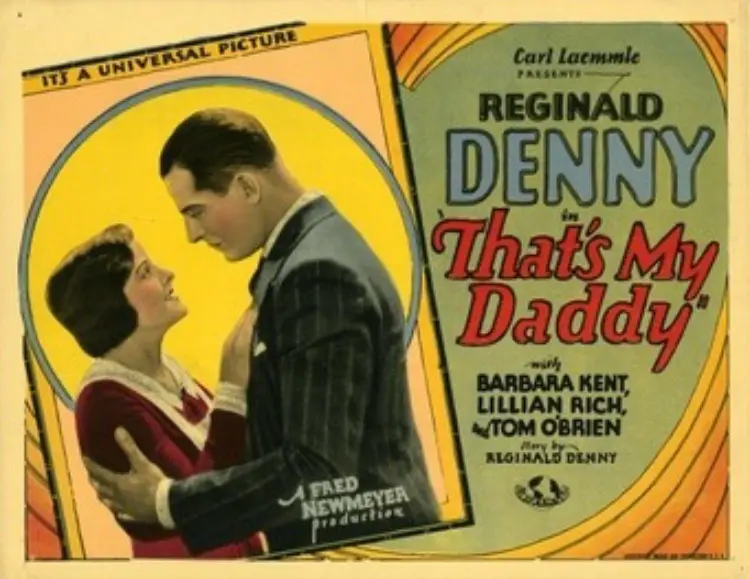
A definitive 7.8/10 rating for a film that redefined the boundaries of cult cinema. That's My Daddy remains a cornerstone of transgressive art.
Is 'That's My Daddy' worth watching today? Short answer: yes, but with significant caveats. This 1927 silent comedy offers a fascinating glimpse into the comedic sensibilities of its era, delivering moments of genuine charm and clever situational humor, making it a film primarily for aficionados of silent cinema, classic farce, and those interested in the early career of its star, Armand Kaliz. It is decidedly not for viewers seeking modern pacing, sophisticated visual effects, or dialogue-driven wit.
The film, penned by a team including the prolific Reginald Denny, leans heavily on its central premise, extracting every drop of comedic potential from the escalating lie of a bachelor suddenly saddled with a child. While this setup is undeniably fertile ground for laughs, the execution, at times, struggles to maintain a consistent rhythm, a common challenge for films of its vintage. Yet, its best moments shine, proving that a well-conceived farce can transcend the decades.
The Enduring Appeal of a Simple Lie
At its core, 'That's My Daddy' is a testament to the power of a single, escalating lie. The narrative, while straightforward, provides a robust framework for physical comedy and character-driven gags. Armand Kaliz, as the beleaguered bachelor, is perfectly cast, embodying the kind of suave yet easily flustered protagonist that defined many a silent-era leading man. His performance is a masterclass in non-verbal communication, relying on exaggerated expressions and frantic gestures to convey his character's increasingly desperate predicament.
The film works because it commits wholeheartedly to its farcical premise. Once the orphan girl claims Kaliz as her father, the narrative never wavers, instead piling on complications with a delightful, almost sadistic glee. This unwavering dedication to the comedic setup is its greatest strength, allowing the audience to fully invest in the absurdity of the situation. The stakes, though lighthearted, feel real within the comedic context.
Scene from That's My Daddy
Cinematic perspective: Exploring the visual vocabulary of That's My Daddy (1927) through its definitive frames.
This film fails because its pacing can be uneven. There are moments of brilliant comedic timing, particularly in the interactions between Kaliz and the young orphan, but these are occasionally interspersed with stretches that feel a little too drawn out, typical of some silent productions attempting to fill screen time. The humor, while often effective, can also feel dated, relying on tropes that, while foundational, might not land with a contemporary audience accustomed to more rapid-fire or nuanced comedic styles.
You should watch it if you appreciate the craftsmanship of silent-era comedies, enjoy character-driven farces where a single misunderstanding spirals out of control, or are keen to see how foundational comedic tropes were established. It’s a historical artifact that still delivers laughs, provided you approach it with the right cinematic context.
Performance & Presence: Kaliz's Comedic Anchoring
Armand Kaliz carries much of the film's comedic weight, and he does so with an admirable blend of charm and exasperation. His portrayal of a man trapped by his own fib is genuinely engaging. We see him transition from smug bachelor to bewildered, then frantic, 'father' with impressive fluidity. One particularly memorable sequence involves his attempts to sneak the orphan out of his apartment while his fiancée is present, a ballet of furtive glances, exaggerated tiptoeing, and near misses that showcases his physical prowess as a comedian.
Barbara Kent, as the fiancée, provides a delightful foil. Her character's innocence and unsuspecting nature amplify Kaliz's predicament, making his lies all the more precarious. While her role is less overtly comedic, her reactions and expressions are crucial to the film's tone, grounding the farce in a semblance of romantic entanglement. Her performance is subtle, but effective, providing the emotional stakes for Kaliz's deception.
Scene from That's My Daddy
Cinematic perspective: Exploring the visual vocabulary of That's My Daddy (1927) through its definitive frames.
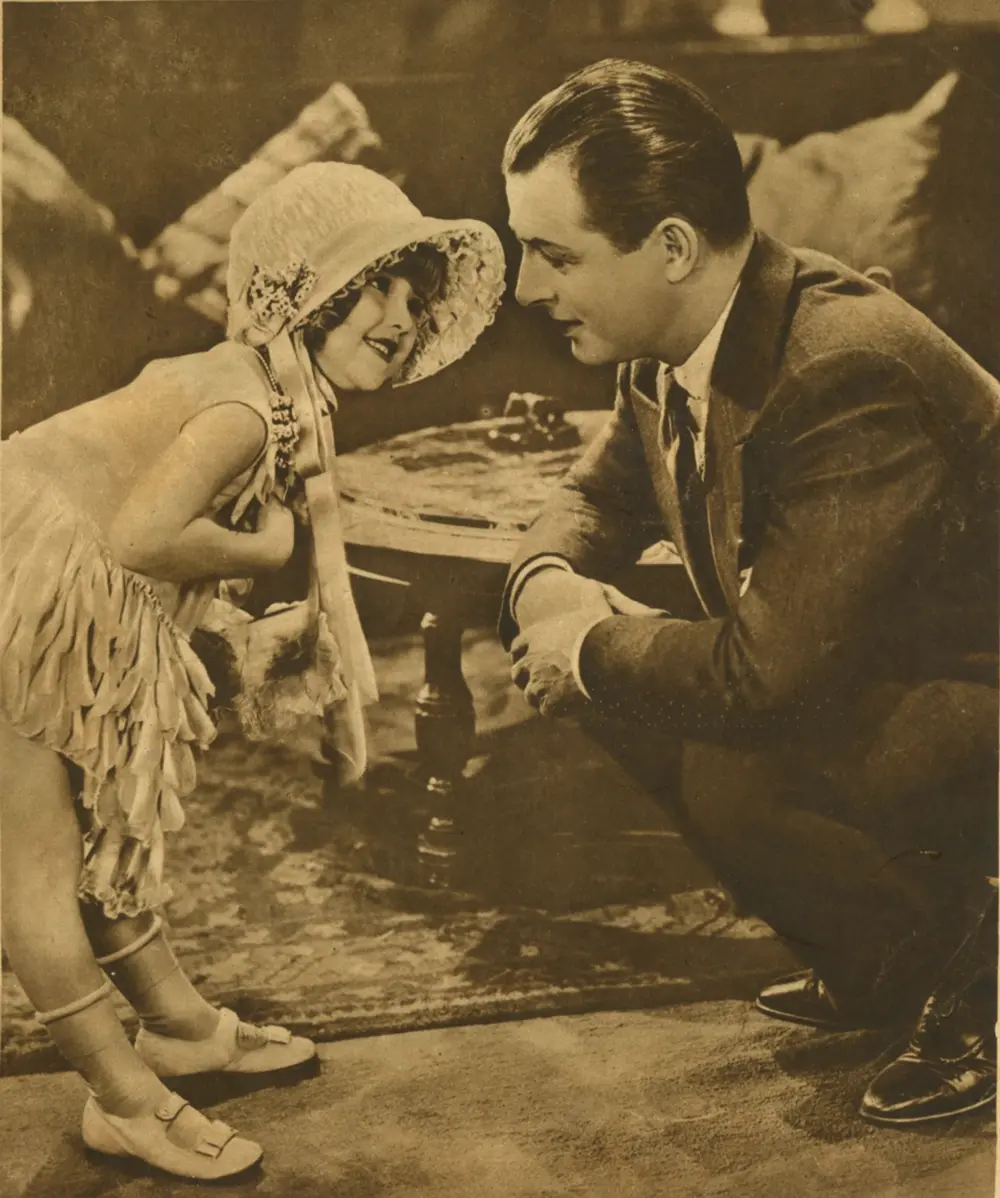
However, it's perhaps the performance of Jane La Verne, the young actress playing the orphan, that offers the most surprising depth. She's not merely a prop for Kaliz's comedy; she imbues her character with a genuine sense of longing and a surprisingly mature understanding of her situation. Her expressions, often conveying a quiet hope or a shrewd awareness of the situation, elevate what could have been a one-note character into something more endearing. This is an unconventional observation for a film of this type: the child actor often steals scenes not just through cuteness, but through a genuine emotional resonance that adds a layer of unexpected pathos to the pure comedy.
The Craft Behind the Comedy: Direction & Cinematography
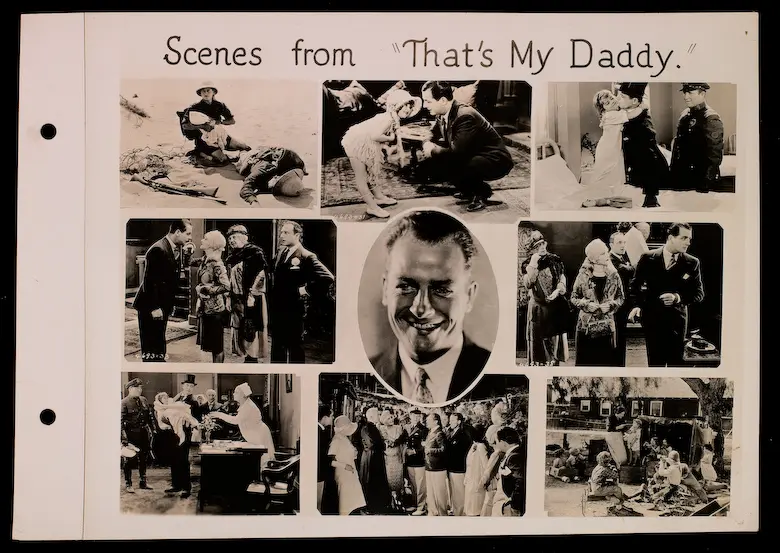
While 'That's My Daddy' doesn't boast a named directorial auteur in its primary credits, the execution of its comedic set pieces speaks to a clear understanding of visual storytelling inherent in the era. The direction, whoever was truly at the helm, demonstrates a keen eye for staging gags. The use of split-screens or parallel editing to show Kaliz's frantic efforts to hide the child juxtaposed with his fiancée's oblivious presence is particularly effective. This technique, while common, is deployed here with a precision that enhances the comedic tension, keeping the audience on edge and anticipating the inevitable reveal.
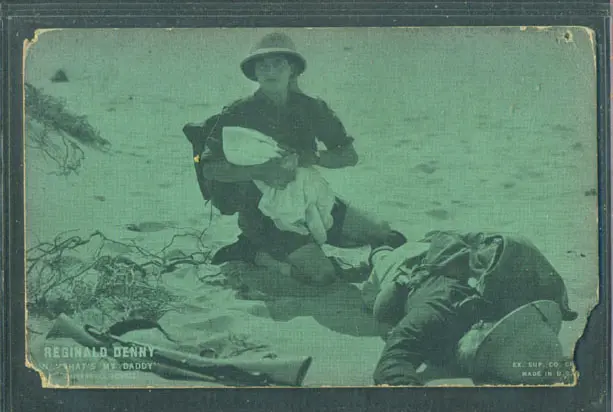
Cinematography, too, plays a vital role. The lighting, while straightforward, is utilized to highlight expressions and create a clear visual hierarchy in crowded scenes. Close-ups on Kaliz's face as he struggles to maintain his composure are frequent and essential, drawing the audience into his internal turmoil. The sets, though not lavish, are functional and serve the narrative well, particularly the bachelor's apartment which becomes a labyrinth of hiding spots and comedic near-misses. The hospital sequence, too, is efficiently shot, establishing the initial misunderstanding without unnecessary exposition.
Debatable Opinion: While competent, the film’s visual style rarely transcends the functional. It serves the story, but doesn't innovate. Compare it to the more experimental visual language of a contemporary like F.W. Murnau in Underworld, and you see a clear difference between effective storytelling and cinematic artistry.
Scene from That's My Daddy
Cinematic perspective: Exploring the visual vocabulary of That's My Daddy (1927) through its definitive frames.
Pacing, Tone & The Rhythm of Laughter
The pacing of 'That's My Daddy' is a mixed bag, which is perhaps its biggest flaw. When the comedy is in full swing, particularly during the sequences involving the hiding of the child, the film moves with a brisk, almost breathless energy. The rapid succession of gags and escalating stakes keeps the audience engaged. However, there are moments, particularly in the expositional early scenes or during transitional segments, where the rhythm falters. This isn't uncommon for silent films, which often relied on title cards to bridge narrative gaps, but here it occasionally breaks the comedic flow.
The tone, however, is consistently lighthearted and charming. Even with the underlying deception, there's a sweetness to the film, largely thanks to the orphan character and the growing, if reluctant, affection Kaliz's character develops for her. It avoids veering into cynical or overly dramatic territory, maintaining its identity as a pure farce throughout. This consistent tonal register is admirable and helps the film maintain its appeal even when the plot stretches credibility.
The humor is broad, relying on physical comedy, mistaken identity, and the classic 'fish out of water' scenario. While some gags might feel a little simplistic to modern eyes, their execution is often precise. The film manages to extract genuine laughter from its simple premise, proving that timeless comedic principles remain effective regardless of the era. It works. But it’s flawed.
Is This Film Worth Watching?
Absolutely, with the right expectations. 'That's My Daddy' is a charming example of silent-era screwball comedy. It won't redefine your understanding of cinema. It won't stun you with visual poetry like The Temptress. But it will offer a pleasant, if occasionally slow, escape into a simpler time of storytelling. It's a delightful watch for film historians and silent film enthusiasts. Casual viewers might find its pacing a challenge, but the core humor still lands. It’s a film that reminds us of the universal appeal of a good lie gone hilariously wrong.
Key Takeaways
Best for: Silent film enthusiasts, fans of classic farce, and those interested in early comedic performances.
Not for: Viewers seeking modern pacing, sophisticated dialogue, or complex character studies.
Standout element: Armand Kaliz's committed physical comedy and Jane La Verne's surprisingly nuanced performance as the orphan.
Biggest flaw: Inconsistent pacing and reliance on some dated comedic tropes.
Pros and Cons
Pros:
Engaging Premise: The central lie and its escalating complications are a strong foundation for comedy.
Strong Lead Performance: Armand Kaliz delivers a memorable, physically adept comedic turn.
Charming Tone: Maintains a lighthearted and sweet demeanor throughout, avoiding cynicism.
Historical Value: Offers valuable insight into 1920s comedic filmmaking and social norms.
Unexpected Depth: The child actor's performance adds genuine emotional resonance.
Cons:
Uneven Pacing: Some scenes drag, impacting the overall comedic rhythm.
Dated Humor: Certain gags and comedic sensibilities may not resonate with contemporary audiences.
Simplistic Visuals: While effective, the cinematography is rarely innovative or visually striking.
Predictable Plot: The resolution of the central conflict is largely telegraphed early on.
Debatable Opinion: The film's insistence on a 'happy ending' feels somewhat forced, undermining the more interesting exploration of accidental fatherhood that had been developing. A bolder choice might have allowed for a more ambiguous, or even bittersweet, conclusion.
Verdict
'That's My Daddy' is a delightful, if imperfect, relic of the silent era. It showcases the enduring appeal of a well-crafted farce and highlights the talents of its lead, Armand Kaliz, and the surprising depth brought by young Jane La Verne. While it might not possess the timeless genius of a Chaplin or Keaton picture, it offers enough charm, laughter, and historical insight to warrant a watch for those with an appreciation for early cinema. It's a testament to the idea that sometimes, the simplest lies make for the best comedies, even nearly a century later. Go in with an open mind and a fondness for the past, and you'll find plenty to enjoy in this unassuming, yet engaging, comedic escapade. It’s a solid entry in the silent comedy canon, a charming diversion that proves the power of a good premise, even when executed with the occasional stumble. Don't expect a masterpiece, but anticipate a pleasant, often amusing, journey back in time.