DbcultAccessing Vault...
4.7/10
Senior Film Conservator
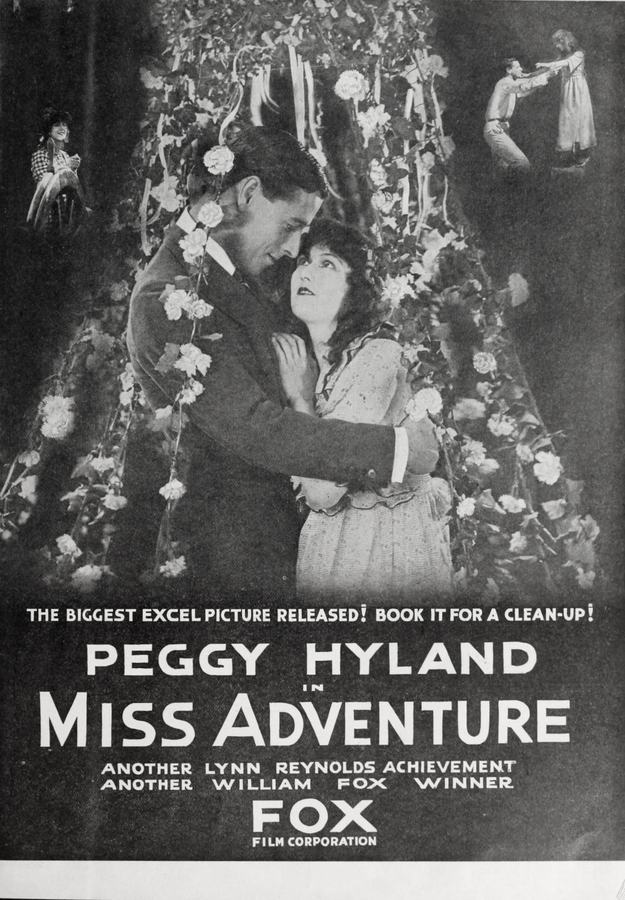
A definitive 4.7/10 rating for a film that redefined the boundaries of cult cinema. Miss Adventure remains a cornerstone of transgressive art.
The cinematic opening of Miss Adventure (1919) plunges the spectator into a 1894 maritime milieu defined by kinetic violence and desperate morality. Unlike the more measured pacing found in contemporary works like The Daughter of MacGregor, this production utilizes its prologue not merely for exposition, but to establish a visceral sense of peril. The mutiny aboard the schooner is captured with a grit that belies the era's technical constraints, focusing on the dying Basil Cavanaugh’s final, frantic act of paternal preservation. The choice to hide Jane in a keg is a stroke of melodramatic genius, a visual metaphor for the containment of innocence within the rough-hewn machinery of the smuggling trade. This sequence immediately establishes the high stakes, differentiating it from the more domestic concerns of You Never Saw Such a Girl.
Peggy Hyland’s portrayal of Jane Cavanaugh serves as the centrifugal force of the narrative. Fourteen years post-prologue, Hyland occupies the screen with a physicality that was revolutionary for the late 1910s. Her Jane is no porcelain doll waiting for rescue; she is a "tomboy" in the most active sense, embodying a proto-feminist rejection of the rigid social codes that Captain Barth attempts to impose. This characterization mirrors the pluck seen in Fighting Back, yet Hyland infuses the role with a specific brand of mercurial charm. When she is threatened with disinheritance unless she weds the loathsome Albert, her response is not one of submission but of heightened curiosity for the world beyond the fishing village’s bank. Her performance bridges the gap between the Victorian heroine and the coming flapper era, providing a psychological depth often absent in the more archetypal roles of Only a Factory Girl.
The villainy in Miss Adventure is bifurcated between the sophisticated greed of Albert and the atavistic criminality of Bog Nichols. Edmund Burns plays Albert with a chillingly polite malice, a stark contrast to the rugged, overt threat posed by Frank Brownlee’s Nichols. The plot to abduct Jane by appealing to her sense of adventure is particularly insidious—it weaponizes her best qualities against her. This manipulative dynamic recalls the psychological tension found in The Hound of the Baskervilles, where the inheritance acts as a poison that corrupts familial bonds. The return of Bog Nichols from the depths of the legal system adds a layer of fatalism to the story, suggesting that the ghosts of the 1894 mutiny can never truly be exorcised until the debt of the past is paid in full.
The narrative pivot to the deserted island offers a stark visual shift. The cinematography here captures the isolation with a sense of grandeur, moving away from the cramped interiors of the bank and the village. On this island, the social hierarchies of San Francisco vanish, replaced by a primal struggle for survival. It is here that the film’s romantic core is solidified. The reunion with Richard Hamilton—formerly the cabin boy Dickie—is handled with a restraint that avoids the saccharine pitfalls of The Beloved Traitor. Their shared history, rooted in a moment of trauma and a keg of salvation, provides a foundation for a love story that feels earned rather than manufactured. The island acts as a liminal space where Jane can transition from the ward of a sea captain to the rightful heir of the Cavanaugh fortune.
The final act of Miss Adventure is surprisingly modern in its execution. The transition from the maritime setting to a high-speed car chase reflects the changing landscape of 1919 America. Jane’s agency is once again highlighted when she swerves Albert’s car off the road; she is the architect of her own liberation. This sequence provides a kinetic thrill that rivals the action-oriented pacing of The Man from Montana. The resolution, where Richard allows Albert to escape, suggests a moral superiority that elevates the protagonist above the petty squabbles of the villains. It is a moment of grace that contrasts sharply with the gloomier resolutions found in European counterparts like La Destinée de Jean Morénas or the existential dread of Homunculus, 6. Teil - Das Ende des Homunculus.
At its heart, Miss Adventure is an exploration of the fluidity of class and the indomitable nature of the human spirit. Jane’s journey from a keg in the hold of a smuggler’s ship to the pinnacle of San Francisco society is a classic American narrative of upward mobility, yet it is tempered by the maritime lawlessness of her origins. The film grapples with the "greatest questions" of identity and belonging, much like the thematic inquiries in The Greatest Question. Joseph Anthony Roach’s screenplay balances these heavy themes with a lightness of touch, ensuring that the "adventure" promised by the title remains the primary draw for the audience. The technical proficiency, from the lighting of the stormy seas to the framing of the island vistas, showcases a studio system reaching its first peak of aesthetic maturity.
While some might dismiss the film as a standard melodrama of its time, a closer inspection reveals a complex interplay of gender dynamics and generic experimentation. The blend of maritime epic, tomboy comedy, and crime thriller creates a unique hybrid that defies easy categorization. It lacks the lugubrious pacing of Das Todesgeheimnis, opting instead for a brisk, engaging narrative flow. The use of Dickie/Richard as a constant through-line—a guardian angel who evolves into a romantic partner—anchors the film’s more disparate elements. In an era where many films relied on the "strangler's cord" of convention (as seen in The Strangler's Cord), Miss Adventure dares to let its heroine take the wheel, both literally and figuratively. It remains a sparkling example of the energy and optimism of early Hollywood, a testament to the power of a well-told story and a charismatic lead.
The legacy of Miss Adventure lies in its ability to synthesize the disparate threads of 19th-century adventure literature into a cohesive cinematic experience. It avoids the stilted theatricality of Masked Ball and the brief, episodic nature of One Hour, providing instead a full-bodied journey through the vicissitudes of fate. For the modern viewer, the film offers more than just historical curiosity; it provides a window into a time when the world felt vast, dangerous, and ripe for the taking. Peggy Hyland’s Jane Cavanaugh stands as a precursor to the modern action heroine, a figure of resilience who navigates the storms of the Pacific and the treachery of the boardroom with equal aplomb. In the pantheon of silent cinema, this is a work that deserves a renewed spotlight, celebrated for its craftsmanship and its unyielding spirit of adventure.
IMDb 4.3
1917
Community
Log in to comment.