DbcultAccessing Vault...
7.8/10
Senior Film Conservator
A definitive 7.8/10 rating for a film that redefined the boundaries of cult cinema. Buster's Skyrocket remains a cornerstone of transgressive art.
Is Buster's Skyrocket a forgotten gem of the silent era? Short answer: yes, but only if you harbor a deep affection for the unrefined, anarchic spirit of 1920s slapstick shorts.
This film is specifically for silent film historians and fans of the 'mischievous child' trope seen in later series like 'Our Gang.' It is certainly not for viewers who require a complex narrative or characters who learn a moral lesson by the final frame.
1) This film works because the physical chemistry between Arthur Trimble and Pal the Wonder Dog creates a genuine sense of spontaneous chaos that modern CGI cannot replicate.
2) This film fails because the middle segment, involving the tutor, feels like a repetitive sequence of gags that stalls the momentum built during the opening destruction.
3) You should watch it if you want to see how comic strip icons were translated to the screen before the advent of sound changed the rhythm of comedy forever.
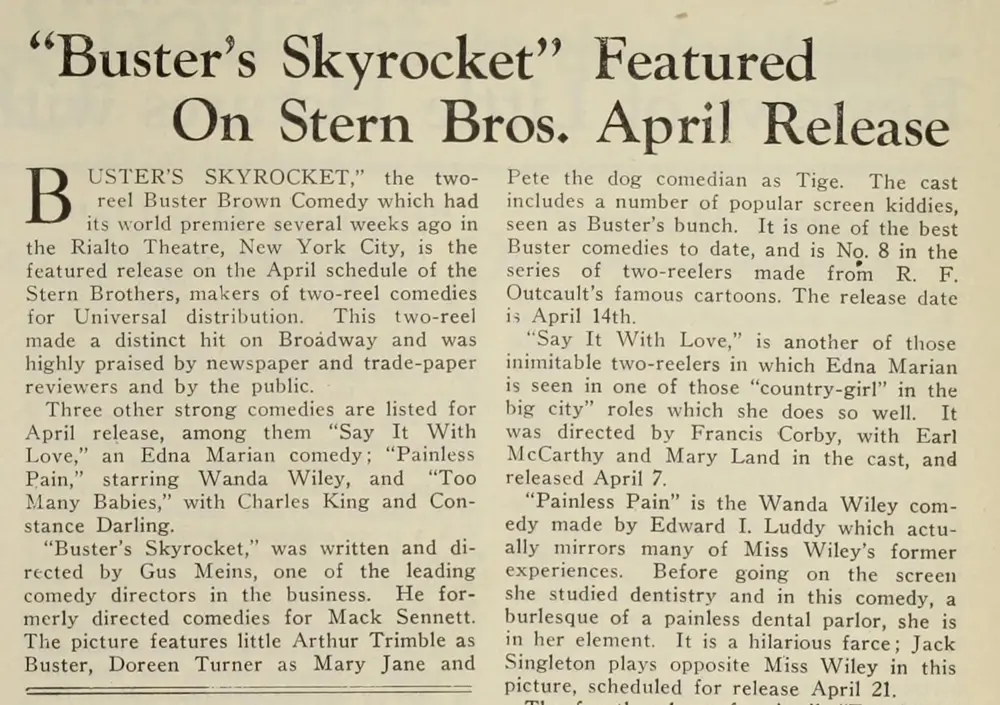
To understand Buster's Skyrocket, one must understand the cultural weight of Richard F. Outcault's creation. Buster Brown wasn't just a character; he was a marketing juggernaut. By 1926, the transition from the funny pages to the silver screen was well underway, and director Gus Meins was tasked with bringing that kinetic energy to life.
The film opens with a sequence that would make any homeowner cringe. The indoor golf game is a masterclass in low-stakes destruction. When Buster swings his club, we aren't just seeing a prop break; we are seeing the deliberate dismantling of upper-middle-class decorum. It is visceral. It is loud, even in a silent medium.
The destruction of the china and mirrors serves as a precursor to the more elaborate stunts seen in films like Tin Can Alley. There is a specific joy in watching the physical world yield to the whims of a child and a dog. It works. But it’s flawed.
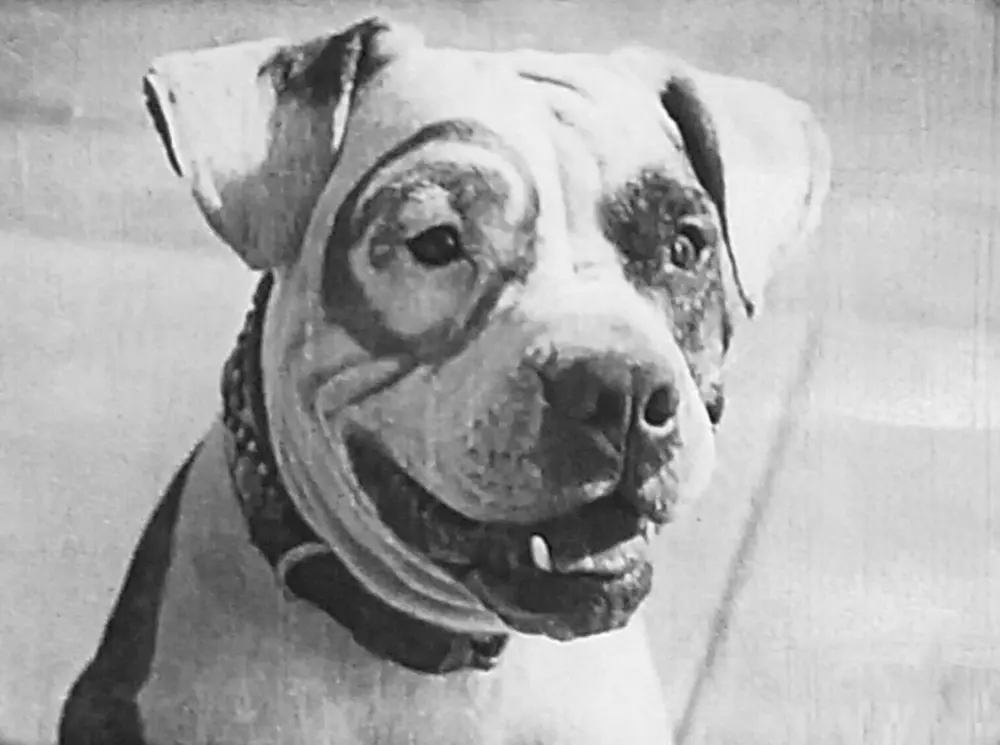
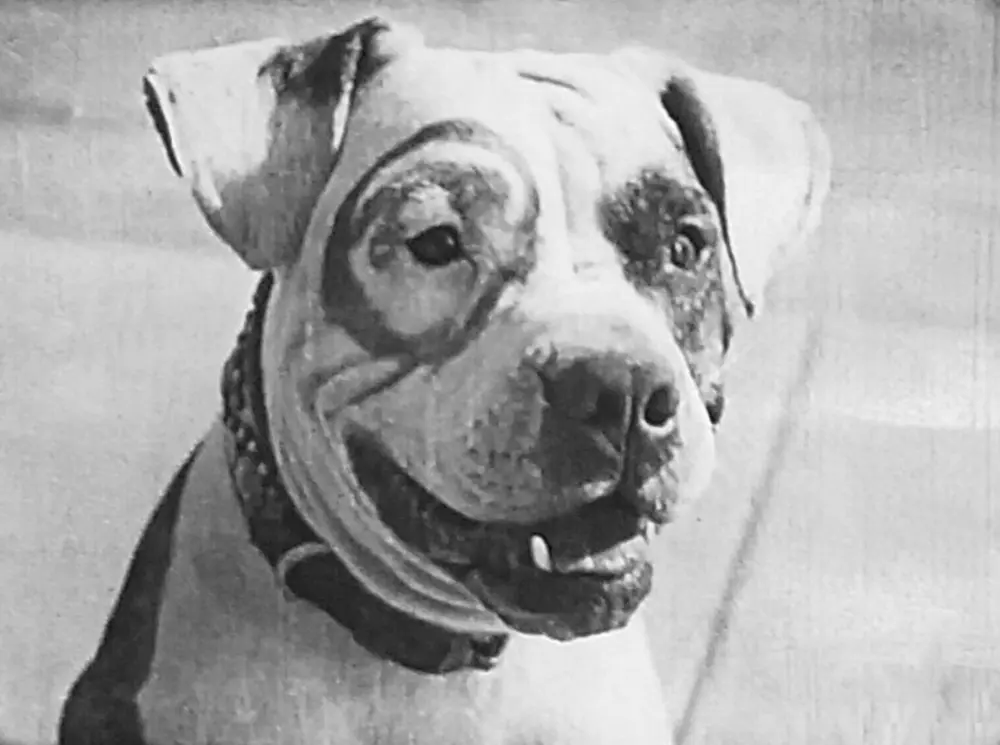
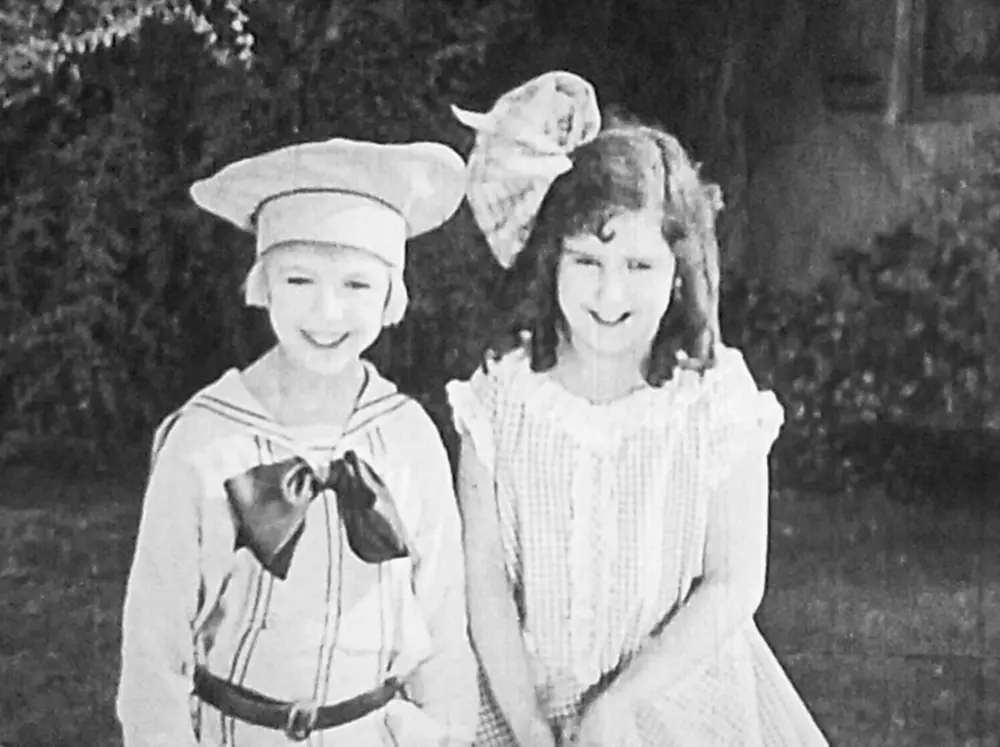
Arthur Trimble plays Buster with a certain calculated innocence that borders on the sociopathic. He isn't trying to be mean; he just doesn't see the world as something that shouldn't be broken. Doreen Turner as Mary Jane provides the necessary accomplice, but the real star is Pal the Wonder Dog.
Pal’s performance is remarkably disciplined. In the scene where the trio hides in the munition car, the dog’s reactions are often more grounded than the human actors. This level of animal training was a hallmark of the era, seen in other contemporary works like Breed of the Border or the rugged action of The Pony Express.
The tutor character is a classic archetype: the authority figure who exists solely to be humiliated. His presence allows for a series of 'booby trap' gags. While these are executed with professional timing, they lack the creative spark of the opening golf sequence. The film begins to feel like a checklist of tropes rather than a cohesive story.
Yes, Buster's Skyrocket is a quintessential example of the 'mischief' subgenre of silent comedy. It prioritizes visual gags and physical stunts over character development. The film effectively captures the transition from comic strip panels to moving pictures through its fast-paced editing and exaggerated performances.
Gus Meins, who would later go on to direct some of the most beloved 'Our Gang' shorts, shows his early promise here. His camera placement is utilitarian but effective. He understands that in comedy, the audience needs to see the setup, the execution, and the reaction in a clear, rhythmic flow.
The climactic chase involving the munition car is where the production value spikes. The use of a real moving vehicle and the subsequent police pursuit adds a layer of genuine danger. Unlike the more somber tones of Hintertreppe or the dramatic weight of Panthea, this film remains light, even when explosives are involved.
The pacing is brisk, clocking in at a length that prevents the thin premise from wearing out its welcome. However, one cannot help but notice the lack of emotional stakes. We don't care if Buster gets caught; we only care about how big the next mess will be. This makes the film feel somewhat hollow compared to the heart found in Circus Days.
Slapstick is often dismissed as 'easy' humor, but the choreography in the 'indoor golf' scene requires precision. When a window smashes, the timing of the actor’s reaction must be frame-perfect to land the laugh. Meins utilizes the frame to hide and reveal information, a technique that was being perfected during this decade.
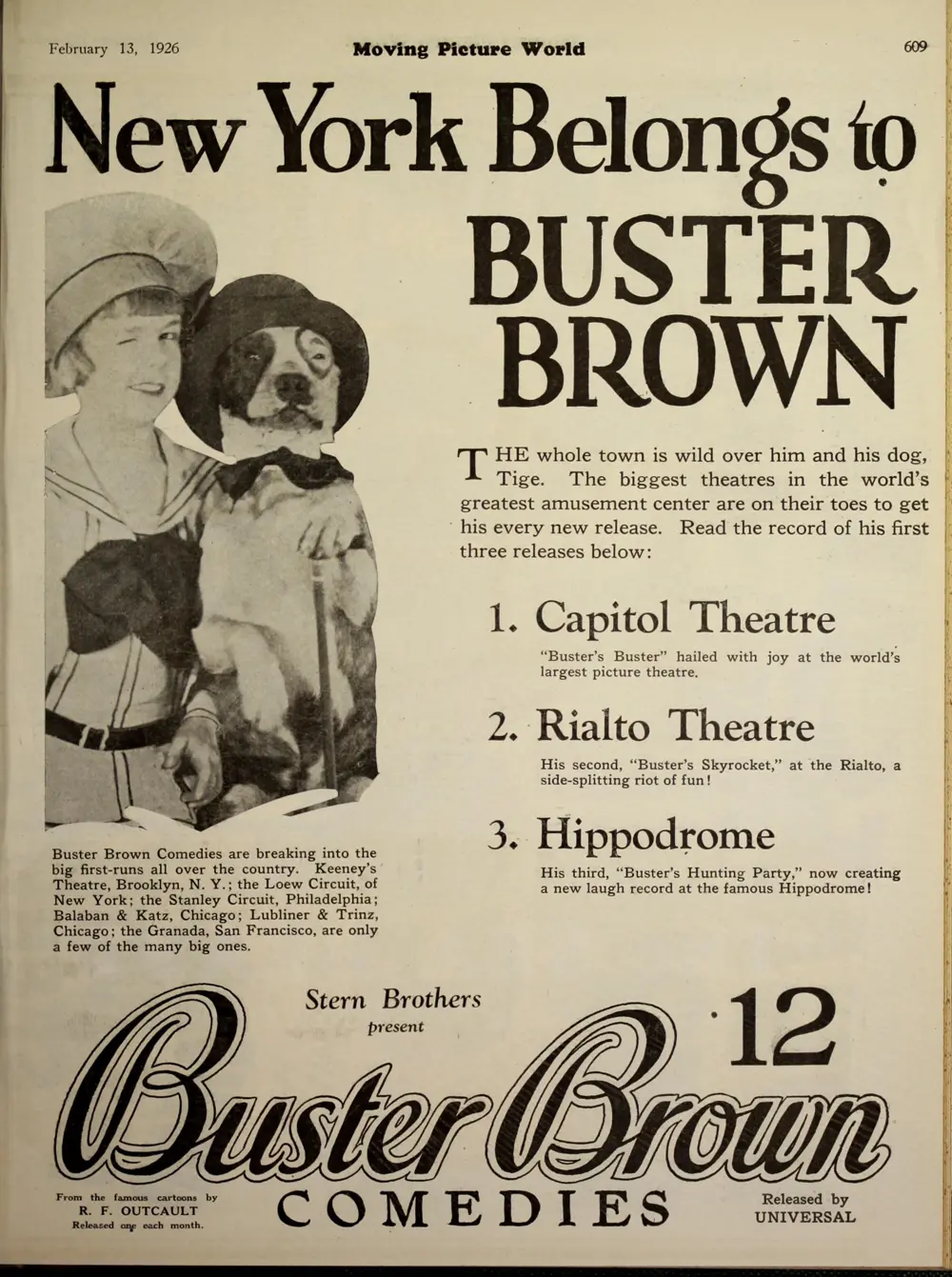
The 'skyrocket' of the title isn't just literal; it represents the escalating nature of the plot. We move from a living room to a tutor's study, and finally to the open road. This progression keeps the visual landscape fresh, even if the narrative beats remain predictable. It’s a formula, but in 1926, it was a formula that worked brilliantly.
One surprising observation is the lack of a 'redemption' arc. In modern family films, the child usually learns a lesson. Here, Buster is essentially the same agent of chaos at the end as he was at the beginning. There is something refreshingly honest about that lack of growth. It’s pure, unadulterated mischief.
Pros:
Cons:
Buster's Skyrocket is a loud, messy, and ultimately charming slice of 1920s entertainment. It doesn't possess the artistic aspirations of The Recoil or the narrative complexity of Livets konflikter, but it doesn't need to. It is a film designed to make you laugh at the destruction of expensive things.
While it may not be a 'masterpiece' in the traditional sense, it is a vital piece of the puzzle for understanding how early cinema captured the imagination of the public. It’s a reminder that before there were superheroes, there were just kids with a dog and a very bad idea. If you have twenty minutes to spare, let Buster and Tige blow up your expectations. It’s worth the ride.
IMDb —
1919
Community
Log in to comment.