DbcultAccessing Vault...
6/10
Senior Film Conservator
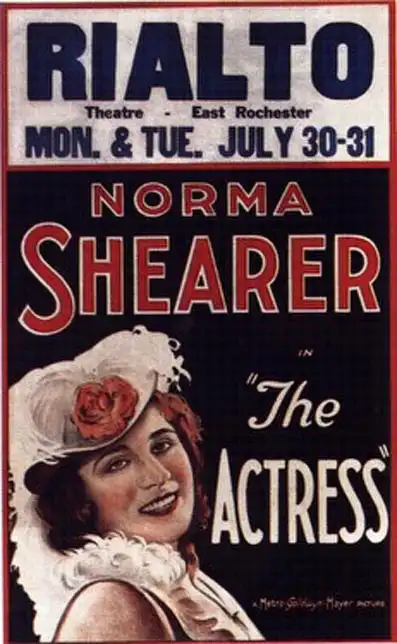
A definitive 6/10 rating for a film that redefined the boundaries of cult cinema. The Actress remains a cornerstone of transgressive art.
Alright, let’s talk about The Actress. If you’re looking for a quiet, gentle romance steeped in that old Hollywood charm, especially the silent era stuff, then yes, this is absolutely worth a watch. Theater buffs and anyone curious about the social clashes of the late 19th century will find things to like here. But, if you need fast-paced action, complex plots, or modern sensibilities, you’re probably gonna find it a bit of a snooze. 😴
The story’s simple enough. We meet Rose Trelawny, a big deal on the West End stage. She’s got this incredible spark, a real presence. Then she falls for Arthur Gower, a rich guy from the proper side of town. And, well, she decides to ditch the footlights for a life of fancy tea parties and quiet evenings.
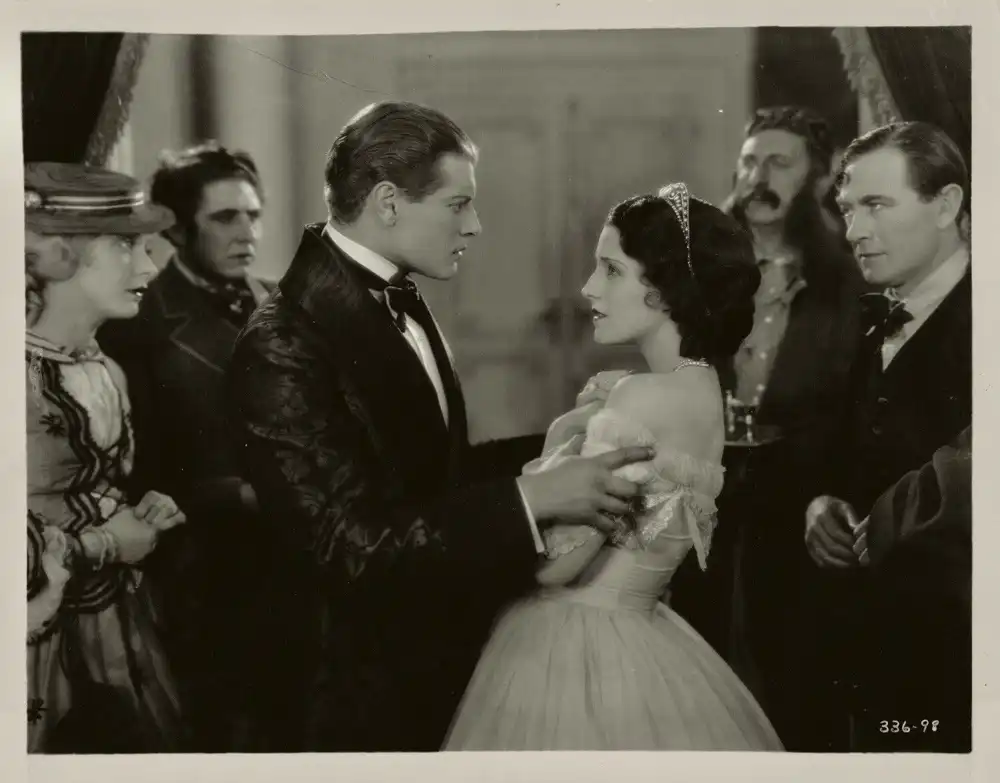
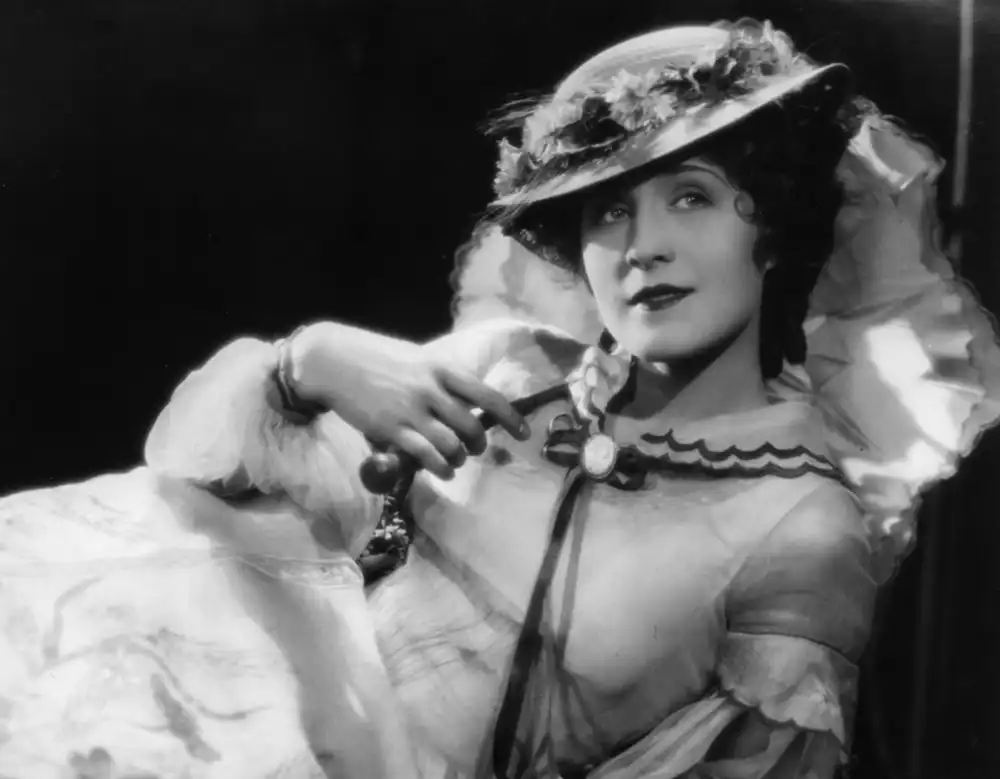
Norma Shearer, as Rose, really does carry the film. When she’s on stage at the beginning, you just *get* her. Her movements, her expressions — they’re so full of life. It makes her later struggles to fit into Arthur’s world feel genuinely poignant.
There's this one scene, pretty early on, where Rose is at a stuffy dinner party at Arthur's family home. She tries to make conversation, tries to be herself, but the sheer *politeness* of it all just suffocates her. You see her trying to hold back a laugh, a grand gesture, something. It’s a quiet moment, but it speaks volumes.
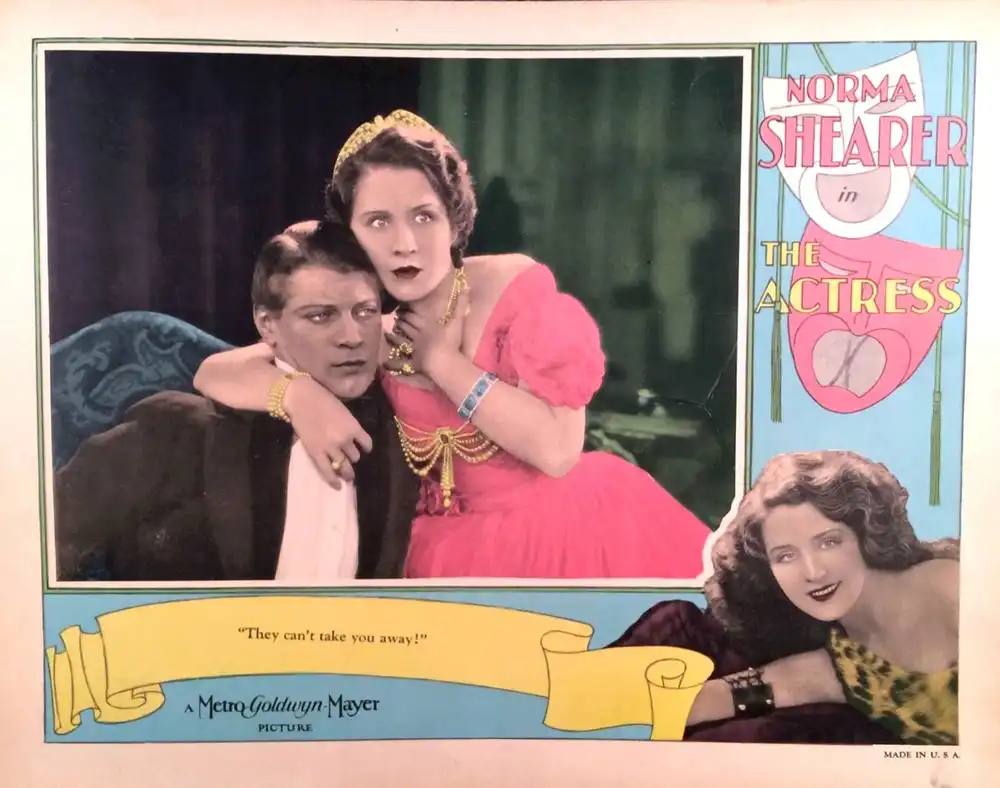
Arthur, played by Owen Moore, is a bit of a stick. Honestly, at first, he felt like a bit of a cardboard cutout. But as the film goes on, you start to see tiny cracks in that proper facade. He’s clearly smitten, even if he doesn’t quite know how to show it in a way that Rose, with all her theatrical flair, understands.
The movie does a decent job of showing the contrast between the two worlds. The backstage scenes at the theatre are bustling, almost chaotic, full of loud personalities and dramatic entrances. Then you cut to the Gower mansion, all hushed tones and rigid etiquette. The shift is almost jarring, a clever visual shorthand for Rose’s dilemma.
I kept thinking about the other actors in her old troupe. They just kind of… disappear after a bit. You get a sense of their camaraderie at first, but then it's all Rose and Arthur. It would have been nice to see a bit more of them, maybe a letter or a brief return visit. You know, to remind us of what she gave up.
The central conflict, Rose trying to adapt and Arthur trying to accept her for who she is, is pretty standard romance stuff. You can see the emotional beats coming a mile away. But the film leans into it. It trusts that you’ll be invested in Rose’s journey, even if you know the general direction it’s heading.
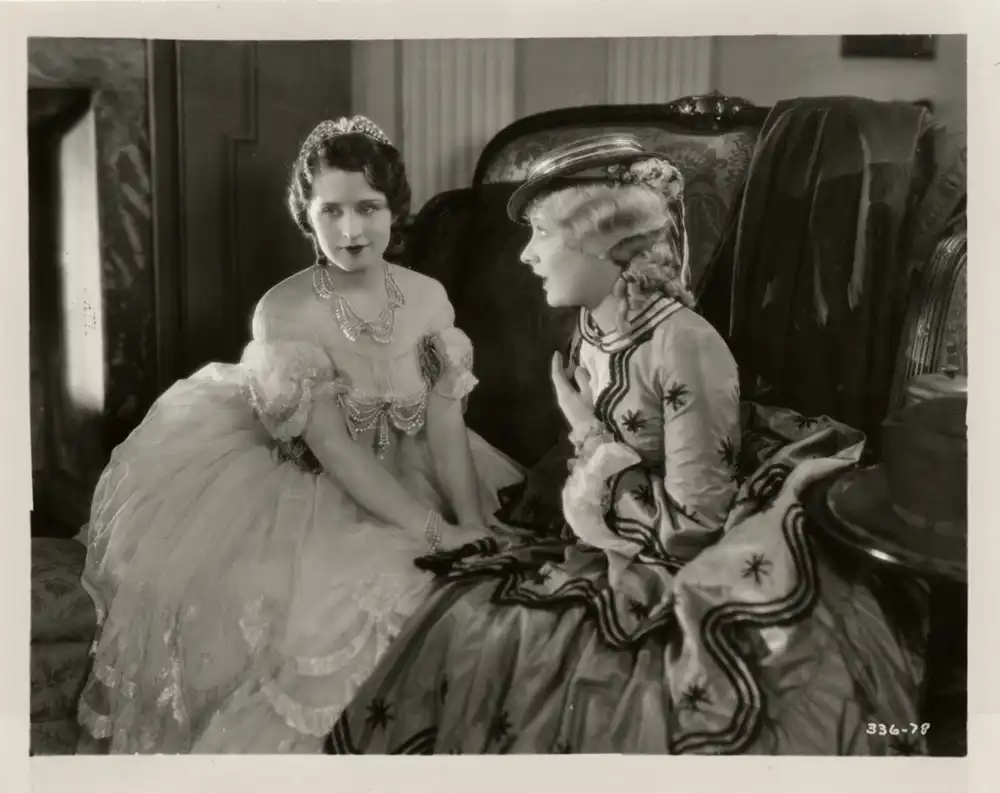
One little detail I really liked: Rose, alone in her new, grand drawing-room, starts to instinctively practice a dramatic pose. Just a quick, almost unconscious movement. It's a fleeting moment, but it tells you so much about her true nature and how hard she's trying to suppress it. That's good stuff.
The whole 'changing face of late-19th-century theatre' aspect is more of a backdrop than a main event. It's there, subtly informing Rose’s decision and the world she’s leaving behind. It’s not really explored in depth, which is fine. The personal drama is the focus.
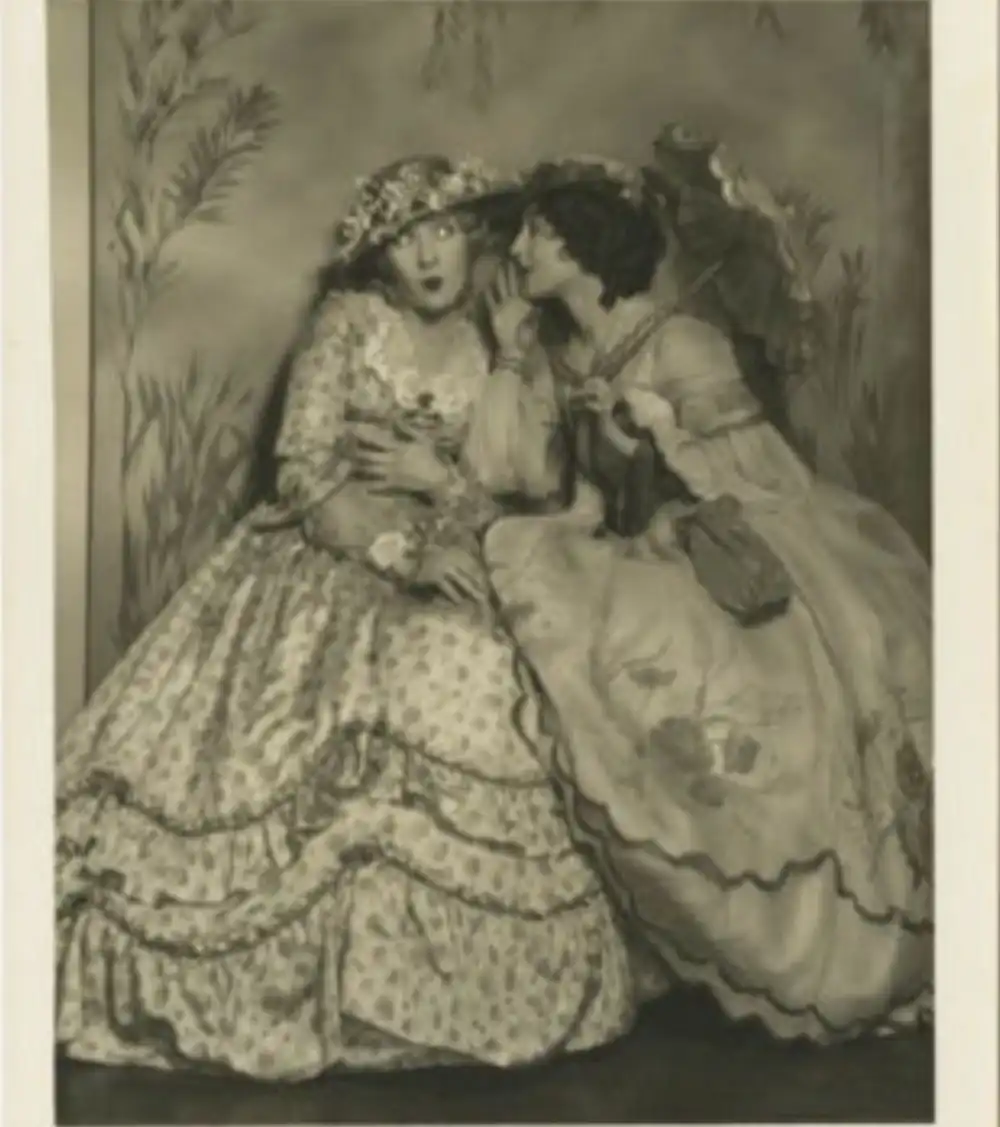
It’s not a film that’s going to shock you or redefine cinema. No big twists, no profound revelations. It’s more like a comforting, slightly melancholic cup of tea. It’s predictable, sure. But there’s a certain charm in that predictability sometimes, especially with these older films. It makes you feel like you’re watching a familiar story unfold with care.
So, yeah. If you're into a gentle historical romance with a strong central performance, give The Actress a look. Just don't go in expecting anything groundbreaking, and you'll probably enjoy the ride. Norma Shearer makes it worth your time. ✨

IMDb —
1923
Community
Log in to comment.