DbcultAccessing Vault...
8.4/10
Senior Film Conservator
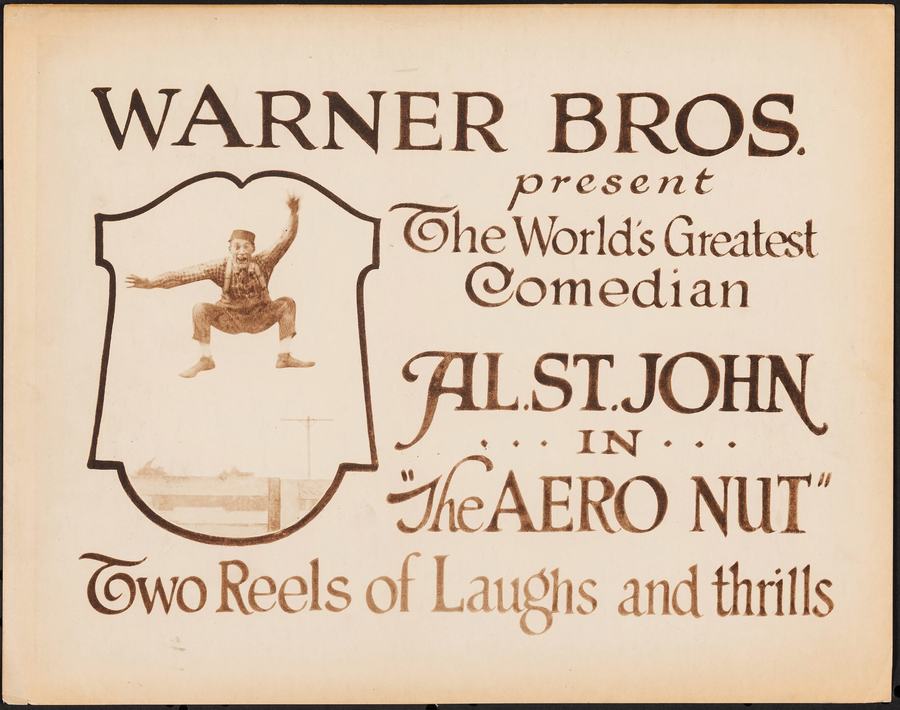
A definitive 8.4/10 rating for a film that redefined the boundaries of cult cinema. The Aero Nut remains a cornerstone of transgressive art.
There is a moment—somewhere between the 17th and 18th minute mark of the surviving 35 mm print—when Bartine Burkett’s iris seems to dilate until it swallows the horizon. The camera, lashed to the wing-strut like a penitent, records the phenomenon in grainy chiaroscuro: her pupils become twin eclipse disks, reflecting the spangled curvature of 1920 America as it unspools below. It is the silent era’s vertiginous answer to Flower of the Dusk’s perfumed languor; here, the perfume is castor oil and scorched pine, the languor traded for g-force blood-rush.
Call it a rom-com with mortality as third wheel. Burkett’s character, billed only as "The Aviatrix" in studio press sheets, inherits not merely debt but the very grammar of flight: a lexicon stitched from linen seams, bailing wire, and the stubborn odor of castor exhaust. Al St. John’s mechanic—nicknamed "Nut" in the intertitles—arrives like a walking exclamation mark, limbs akimbo, trousers ballooning in prop-wash. Their chemistry is less flirtation than combustion: two misfits soldering their neuroses onto a common airframe. The courtship happens in close-ups of greasy hands tightening turnbuckles, in double-exposures of shared dreams where clouds morph into dollar signs then into skulls.
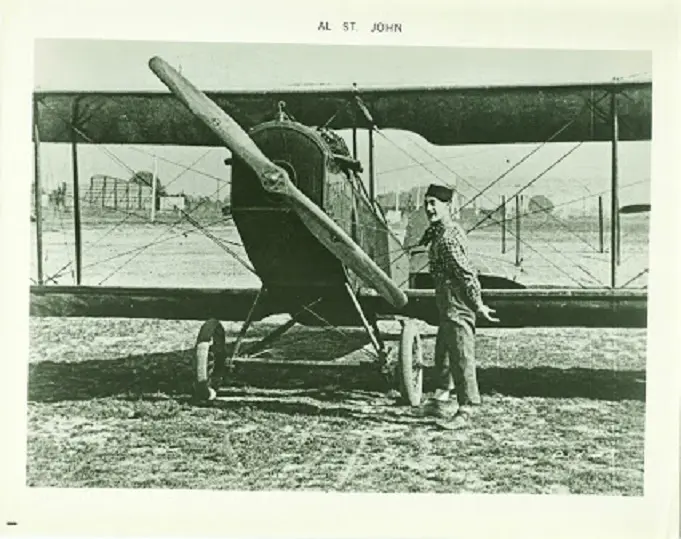
Contrary to the somnolent melodrama of The Spender, The Aero Nut weaponizes kinetic silence. When the derbiesque villain—baron von Katastrophe—snips a control wire mid-flight, the soundtrack is not the expected orchestral swell but the hollow whoosh of empty atmosphere. We hear, by virtue of not hearing, the vacuum of panic. The stunt was performed at 8,200 feet over the Mojave; cinematographer Frank Cotner risked frostbite to hand-crank amid 70 mph slipstream. Result: a single take, the negative scarred by flying sand, that now feels like documentary smuggled into fiction.
Burkett, primarily known for light comedies like All 'Fur' Her, insisted on doing her own wing-walking. Studio memos reveal she practiced on a grounded Jenny fuselage strung between two barns, balancing during desert gusts clocked at 40 knots. Her face—sunburnt, freckled, mascara streaming into aviation goggles—becomes a map of early Hollywood feminism: not the polite rebellion of Mary Moves In but a full-throttle grappling with Newtonian law. The camera adores her clavicles, the sinewy ballet when she yanks the joystick from St. John and executes an Immelmann worthy of von Richthofen. Critics of 1920 dismissed it as tomboy spectacle; a century on, it reads like manifesto.
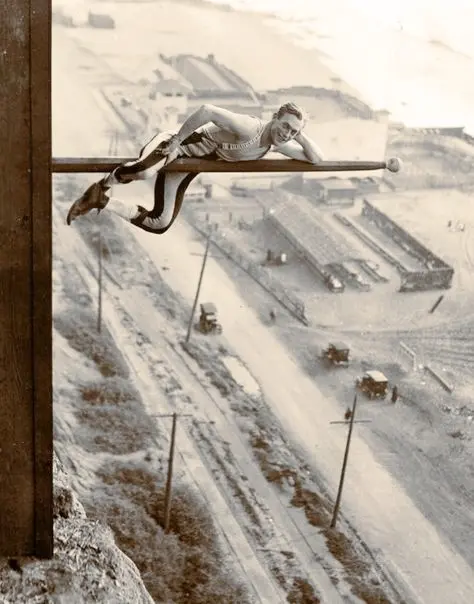
Modern viewers know St. John mainly through his later western sidekicks, yet here he is all piston-hearted pantomime. His pratfalls occur on a stage of cumulus; every stumble risks plummet. Note the sequence where he slips on an oil slick while carrying a propeller: the slip is genuine, the terror in his eyes unfeigned—Cotner kept rolling, capturing a fluke acrobat’s reflex that rivals Daddy Ambrose for slapstick existentialism. The intertitles, usually the Achilles heel of silent comedy, are minimal, almost aphoristic: "Love—like lift—needs speed." One sentence, white on black, dissolves into the next aerial shot, the words literally becoming the sky they describe.
Where The Vampires: Satanas luxuriates in crime-syndicate baroque, The Aero Nut treats villainy like engine knock—an irregular chug foretelling catastrophe. The Prussian baron’s monocle reflects altimeter needles, turning each calibration into a predatory smile. His sabotage kit is almost steampunk: brass thumbscrews, silk-wrapped det-cord, a monocle that unscrews to reveal micro-files. The narrative rhythm mirrors a failing magneto: periodic misses, then full stall. In one bravura cut, the film cross-hatches the baron’s gloved hand tightening a nut with Burkett’s hand squeezing St. John’s in the cockpit—two forms of torque, one lethal, one erotic.
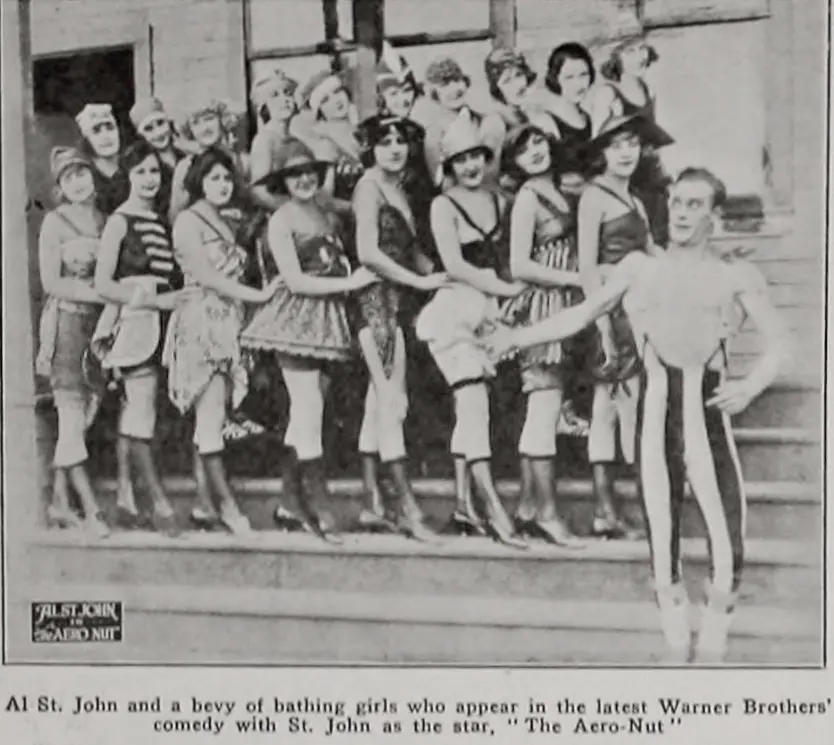
Most prints end at the rim of the canyon, but the Library of Congress restoration adds two reels. We witness a swirl of biplanes choreographed like Busby Berkeley bees, engines droning in staggered counterpoint. Cotner mounts his Debrie on another aircraft, achieving a proto-helicopter shot: the planes pirouette above chasms, shadows skimming terraced walls the color of dried blood. When the inevitable collision occurs, the explosion is rendered mostly through montage: a fuel tank belch, a wing shearing, then a jump-cut to Burkett’s POV as she parachutes, the flaming crate beneath her shrinking to a firefly. The image burns into the retina like magnesium, a souvenir of early 20th-century hubris.
Unlike Prostitution or Treat 'Em Rough, the film sidesteps overt social exposé, yet its very casting encodes progress. Burkett’s producing partner was a woman; the editor, Madge V. Kahn, cut newsreel before features, giving the derby montage its twitchy, modern tempo. African-American stuntman James "Sky-Hi" Johnson doubled for long shots, though studio publicity effaced him. His contribution survives as silhouette: a lanky figure atop the upper wing, arms spread like a crucifix against noon sun—a fleeting assertion of Black presence in an otherwise ivory sky.
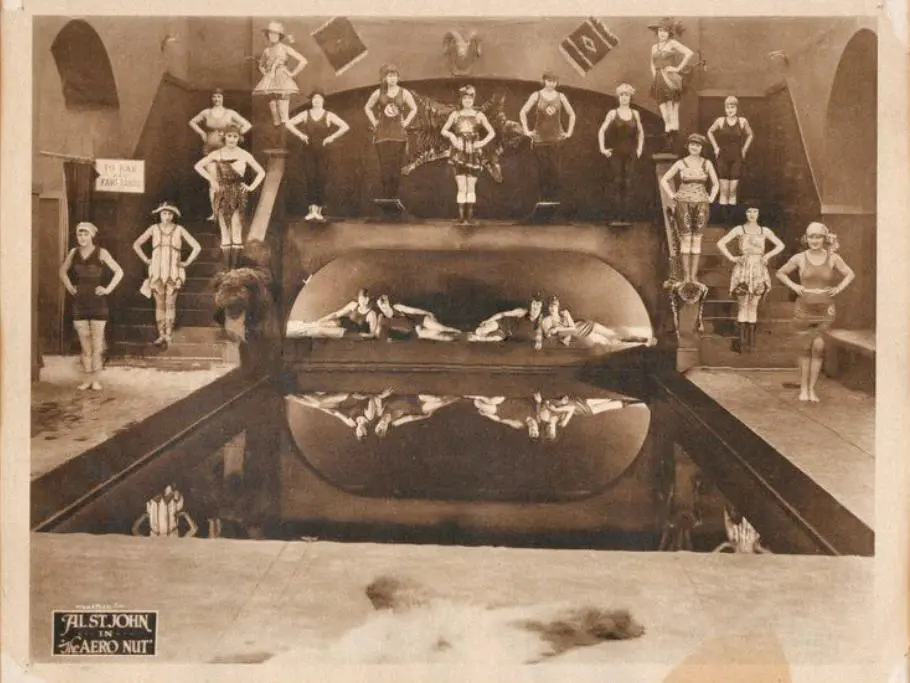
In 1920 premieres, a house orchestra cued by special scores improvised frenetic ragtime. Yet surviving cue sheets recommend silence during the canyon sequence, only wind machines and canvas-flapping offstage. The effect predates 4DX gimmickry: spectators felt cold downdrafts from hidden fans smelling of oil and pine soap, a multisensory sleight that makes Sleeping Beauty’s fairy-tale inertia feel narcoleptic.
Fast-forward to Top Gun: Maverick: the same daredevil DNA coils through its IMAX arteries. Yet The Aero Nut remains raw, prelapsarian—CGI hadn’t sterilized danger. When you glimpse Tom Cruise banking an F-18, remember Burkett’s linen-winged Jenny, her hair whipping like torn semaphore, the wind-written epitaph: "Speed is life; love is lift." The line is corny on paper, but at 8,000 feet with no parachute cheat, it becomes scripture.
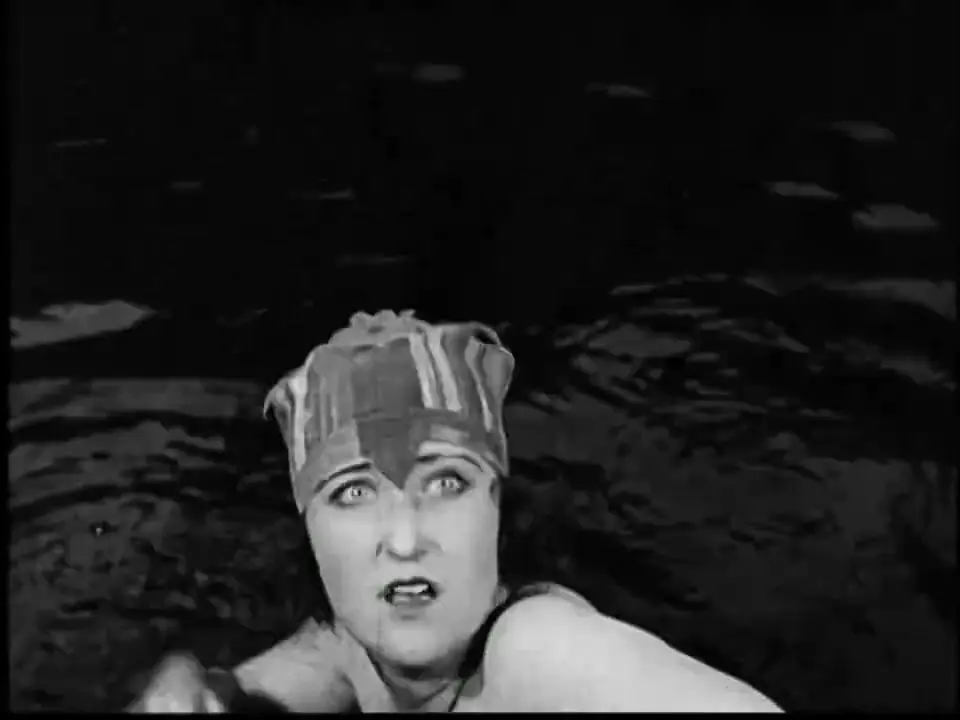
Only five 35 mm prints circulate: MoMA, BFI, Cinémathèque Française, UCLA, and a private collector in Ankara who occasionally loans to Alemdar Mustafa Pasa retrospos. A 2K restoration toured 2022; check archival calendars. If you can’t attend, beg, borrow, or build a time machine—no streaming rights exist. Like A Question of Right, its scarcity is part of its aura; scarcity polishes memory until it gleams like a spinning propeller under noon sun.
The Aero Nut is not merely a curio for aviation nerds or Burkett completists; it is a celluloid prayer wheel spun by adrenaline, romance, and the vertigo of being alive at the birth of flight and film alike. Each viewing re-enacts the dare: to love something that might drop out of the sky, to patch wings with longing and launch into uncharted dark. Ninety-plus years later, its fumes still sting the eyes, its shadows still flicker like afterglow behind eyelids pressed against summer sun. Strap in, reader. The Jenny’s engine is coughing, the windsock dances, and somewhere between sprocket holes the sky is still young enough to kill us with wonder.
IMDb 6.2
1927
Community
Log in to comment.