DbcultAccessing Vault...
Cult Review
Senior Film Conservator
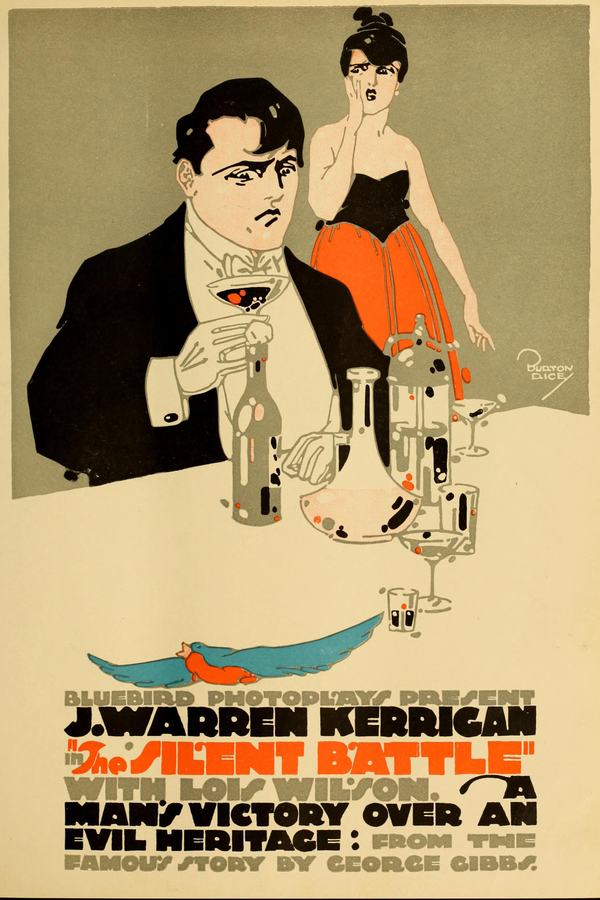
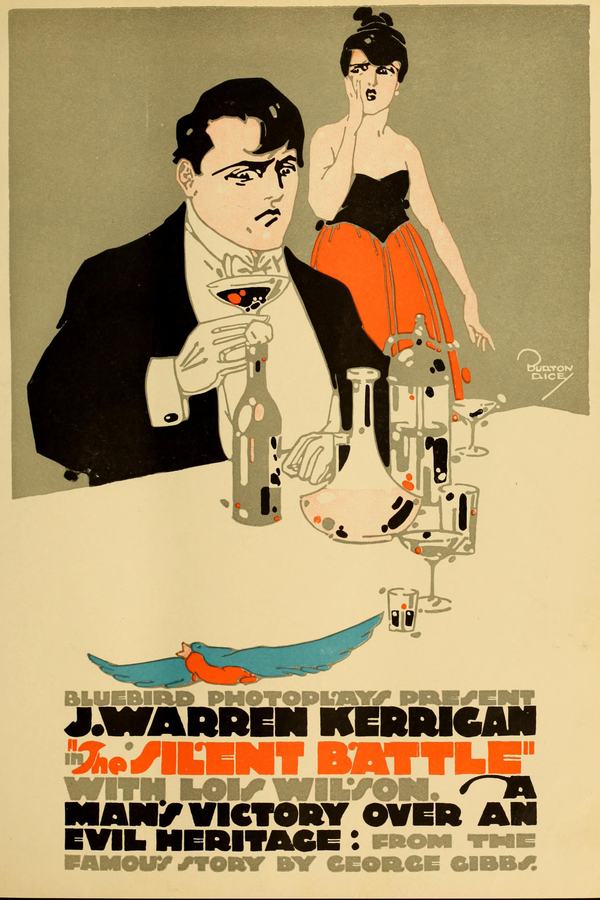
Ah, the silent era. A time when storytelling relied not on spoken word, but on the potent ballet of gesture, expression, and the stark, often melodramatic, power of the narrative title card. Among the myriad films that flickered across screens a century ago, The Silent Battle (the-silent-battle), a cinematic artifact from 1920, stands as a surprisingly resonant piece, tackling themes that, even today, refuse to dim in their urgency: addiction, moral reckoning, the arduous journey of redemption, and the profound, often bewildering, nature of human forgiveness. It’s a film that, despite its age and the inherent limitations of its medium, manages to probe the depths of the human psyche with a remarkable, if sometimes heavy-handed, earnestness.
Our narrative anchor is Tom Gallatin, portrayed with a compelling mix of vulnerability and simmering intensity by J. Warren Kerrigan. Gallatin is not merely an individual struggling with a personal failing; he is, tragically, the inheritor of a poisoned chalice – his father's alcoholism. This isn't just a bad habit; it's a generational curse, a narrative device that immediately elevates his struggle beyond mere self-indulgence to something more fated, more tragic. The film posits his alcoholism as an almost inescapable biological imperative, a shadow stretching from the past to envelop his present. In an age less nuanced in its understanding of addiction, this portrayal, while perhaps simplistic by modern standards, effectively establishes the immense weight pressing down upon Tom. His decision to retreat into the isolated embrace of the wilderness for rehabilitation is, therefore, not merely an act of self-improvement but a desperate flight, a solitary pilgrimage into a self-imposed crucible. It’s a classic trope, certainly, but one that effectively isolates our protagonist, stripping away the comforts and temptations of civilization to confront his demons head-on. This initial setup immediately brings to mind the stark moral quandaries explored in films like The Valley of Decision, where characters are forced to confront their inner turmoil far from societal judgment, or even the intense personal struggles seen in A Modern Mephisto, albeit without the supernatural overtones.
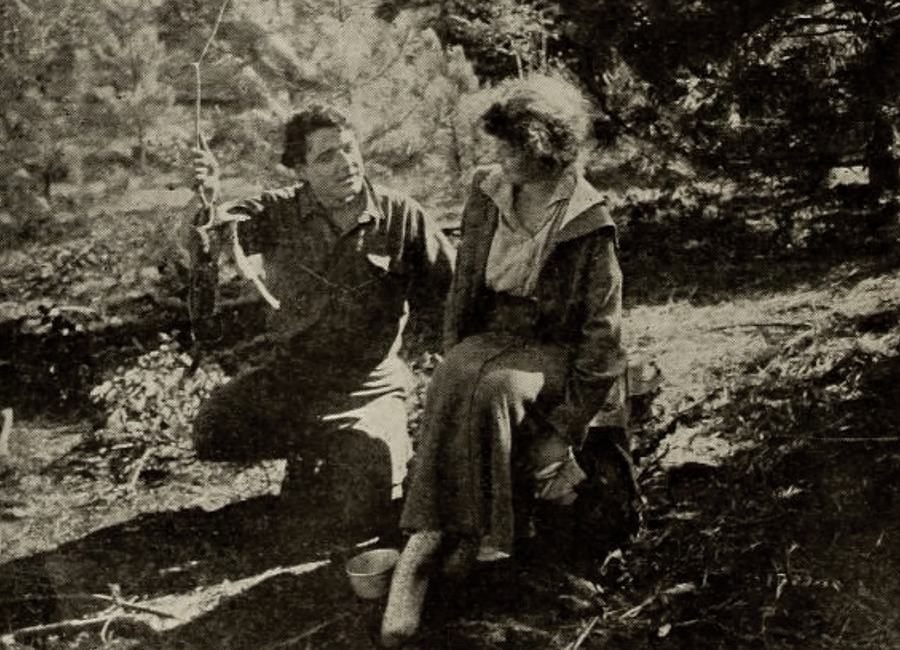
The wilderness, however, proves to be less a sanctuary and more a stage for an unexpected, and ultimately devastating, confrontation. Lost and disoriented, Tom's path intersects with that of Jane Loring, played with a captivating blend of innocence and resilience by Lois Wilson. Jane, too, is lost, a narrative symmetry that immediately binds them. There's an undeniable, palpable attraction that sparks between them, a flicker of hope amidst their shared vulnerability. It’s a connection born of mutual helplessness, a shared isolation that breeds intimacy. But this fragile bond is brutally tested, then shattered. In a moment that underscores the insidious power of Tom's addiction, Jane innocently offers him a flask. What begins as a few sips quickly escalates into a torrent, unleashing the beast Tom had sought to tame. The subsequent attempted assault is a jarring, horrifying turn, transforming a nascent romance into a scene of primal terror. This pivotal sequence is handled with a blunt force characteristic of early cinema's approach to morally fraught situations, relying on heightened physical acting and stark title cards to convey the gravity of the transgression. It serves as a stark reminder of how quickly the veneer of civility can crumble under the influence of unaddressed demons.
The timely arrival of a search party, rescuing Jane from her perilous predicament, marks the immediate resolution of this crisis, but it merely sets the stage for Tom’s true battle. Sobered by the enormity of his attempted crime, by the sheer horror of what he became, Tom embarks on a genuine, rigorous path to self-cure. This isn't merely drying out; it's a profound moral awakening, a confrontation with the darkest aspects of his own nature. The film, through implied montage and narrative progression, depicts this internal struggle as a lonely, arduous climb out of the abyss. Kerrigan’s performance here, relying entirely on visual cues, must convey the gnawing shame, the steely resolve, and the physical torment of withdrawal. It’s a testament to the power of silent acting that such a complex internal journey could be communicated without a single uttered word. This journey of self-punishment and subsequent redemption echoes themes found in other silent dramas of the era, where moral failings often led to a period of intense suffering before a return to grace, not unlike the spiritual journey sometimes depicted in films such as The Spirit of the Conqueror.
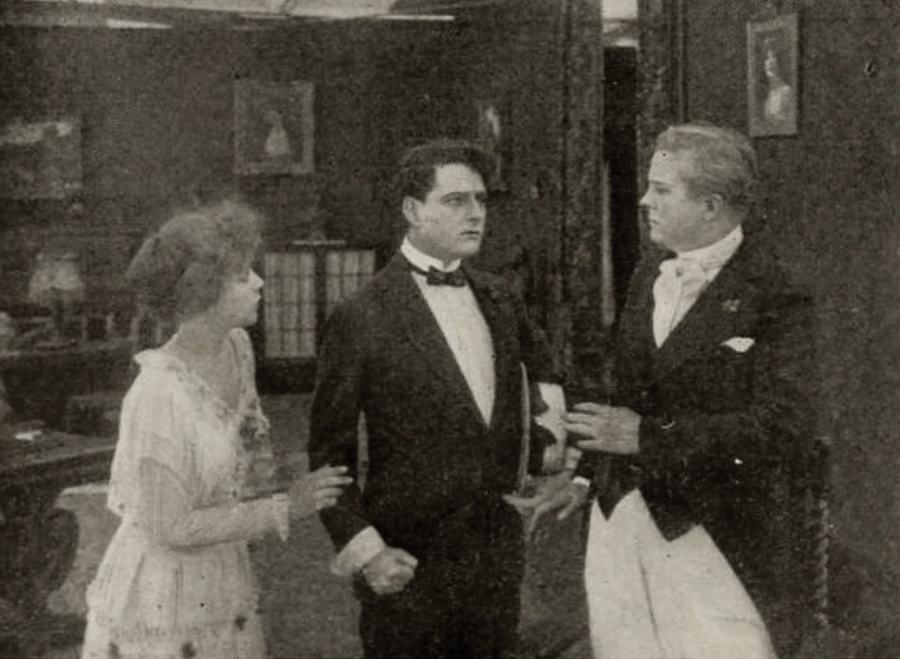
The narrative then shifts, bringing Tom and Jane back into the bustling anonymity of the city. Their reunion is fraught with tension, yet it also unveils Jane's extraordinary capacity for forgiveness. Lois Wilson imbues Jane with a quiet strength, her decision to forgive Tom not portrayed as naiveté, but as a deliberate, compassionate act, born perhaps from an understanding of his struggle, or simply an innate goodness that transcends the trauma. This act of forgiveness is the emotional core of the film, a bold statement on the possibility of healing and reconciliation even after profound betrayal. It’s a narrative choice that might feel overly saccharine to a modern audience, but within the melodramatic conventions of the time, it serves a powerful purpose, emphasizing redemption as a societal, not just personal, aspiration. It challenges the viewer to consider the limits of empathy and the transformative power of grace, echoing the complex human interactions found in works like Nedra or even the moral quandaries of The Pawn of Fortune, where characters navigate difficult ethical landscapes.
However, no burgeoning romance in a silent film melodrama is complete without its antagonists, and The Silent Battle delivers a duo of conniving obstacles: Coleman Van Duyn and Nina Jaffray. Coleman, consumed by his unrequited love for Jane, and Nina, driven by her desire to marry Tom, form an unholy alliance. Their scheme is simple yet devastatingly effective: to convince Jane that Tom is already engaged to Nina, thereby sabotaging any chance of reconciliation. This introduces a layer of societal manipulation and emotional warfare, shifting the 'battle' from Tom's internal struggle to an external conflict of deception and jealousy. Maude George, as Nina Jaffray, and Harry Carter, as Coleman Van Duyn, likely leaned into the exaggerated villainy often seen in silent films, using their expressions and gestures to convey their cunning and malice. Their machinations highlight the fragility of trust and the destructive power of envy, creating a compelling external threat to our protagonists' hard-won peace.
The brilliance of this particular plot twist, however, lies not in the success of the deception, but in its eventual unraveling. Nina Jaffray, despite her initial willingness to participate in the charade, finds herself increasingly burdened by guilt. This internal conflict, a flicker of conscience amidst her ambition, is a crucial element, adding a touch of complexity to her character that elevates her beyond a mere one-dimensional villain. Her confession to Jane is the dramatic turning point, a moment of truth that shatters the web of lies and exposes the manipulative forces at play. This act of confession, born from an unexpected moral awakening, is what ultimately frees Jane to pursue her true feelings. It’s a powerful testament to the idea that truth, eventually, finds its way to the surface, even when buried under layers of deceit. This sudden shift in Nina’s character arc, from antagonist to an agent of truth, provides a satisfying resolution to the conflict, demonstrating that even those who perpetrate harm can find a path to integrity, much like the unexpected turns of fate in The Secret of the Old Cabinet or the moral dilemmas presented in The Middleman.
With the truth revealed, Jane's subsequent actions are swift and decisive. She races to Tom, not with accusations, but with an outpouring of love. It’s a declaration that transcends the past traumas, the societal pressures, and the manipulative schemes. It’s a love that acknowledges the darkness but chooses to embrace the light, recognizing Tom's profound transformation and his hard-won redemption. This climactic reunion, undoubtedly played with intense emotionality by Kerrigan and Wilson, serves as the ultimate affirmation of the film's central themes. It suggests that true love is not blind to flaws, but rather sees beyond them, embracing the redeemed soul. The ending is a classic silent film resolution, one that prioritizes emotional catharsis and moral uplift, leaving the audience with a sense of hope and the enduring power of human connection.
From a technical perspective, The Silent Battle, as a product of its time, likely relied on conventional silent film techniques: expressive intertitles, dramatic lighting to emphasize mood and character emotion, and perhaps some early forms of cinematic editing to build suspense and pace. The performances of Kerrigan and Wilson would have been paramount, their ability to convey complex emotions through exaggerated yet precise facial expressions and body language defining the film's impact. Kerrigan's journey from tormented addict to reformed lover required a nuanced portrayal of internal agony and subsequent peace, while Wilson's Jane had to embody both vulnerability and an almost saintly capacity for understanding. Their chemistry, conveyed through gaze and gesture, would have been critical in making the audience believe in their improbable romance.
The screenplay by F. McGrew Willis and George Gibbs is a masterclass in silent era melodrama, constructing a narrative rich with moral dilemmas, dramatic reversals, and ultimately, a powerful message of hope. They weave a tale that is both deeply personal in Tom’s struggle and expansive in its exploration of human relationships and societal pressures. The progression from individual vice to external conspiracy, culminating in an act of conscience, demonstrates a keen understanding of dramatic structure. While some might find the resolution overly idealistic, it perfectly aligns with the sensibilities of the era, where cinema often served as a moral compass, guiding audiences towards virtuous outcomes. It’s a narrative that, despite its century-old trappings, still speaks to the enduring human desire for forgiveness, for a second chance, and for the triumph of love over adversity.
In conclusion, The Silent Battle is more than just a historical curiosity; it's a compelling piece of early cinema that grapples with weighty themes with surprising depth. It challenges its audience to consider the nature of addiction as a generational burden, the destructive power of unchecked impulses, and the extraordinary grace required for true forgiveness. The titular 'silent battle' is fought on multiple fronts: within Tom himself, between the lovers and their manipulators, and ultimately, within the heart of a society grappling with its own moral complexities. It reminds us that even without spoken dialogue, the human story, in all its messy, redemptive glory, can resonate across generations, proving that some battles, though silent, echo eternally.
IMDb 6.8
1915
Community
Log in to comment.