DbcultAccessing Vault...
7.7/10
Senior Film Conservator
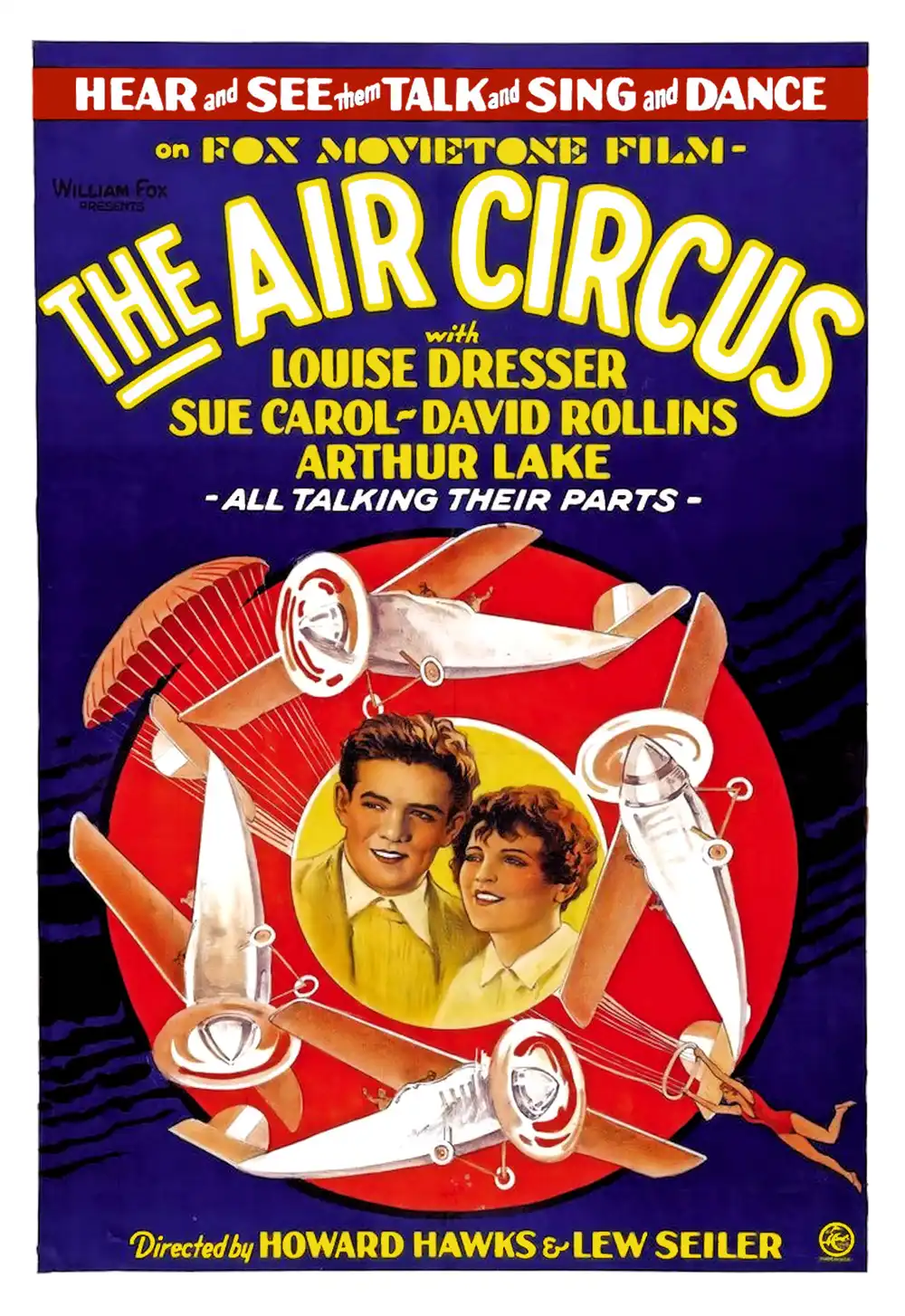
A definitive 7.7/10 rating for a film that redefined the boundaries of cult cinema. The Air Circus remains a cornerstone of transgressive art.
Look, if you’re not already deep into early cinema or have a specific fascination with rickety biplanes, The Air Circus is going to be a tough sell today. It’s a 1928 Fox Movietone feature, meaning it’s straddling that strange line between silent spectacle and the awkward birth of talkies. For those who appreciate the quirks of this transitional period, or just want to see some genuinely impressive stunt flying, there’s a weird, lurching charm to it. Everyone else will probably wonder what the fuss is about.
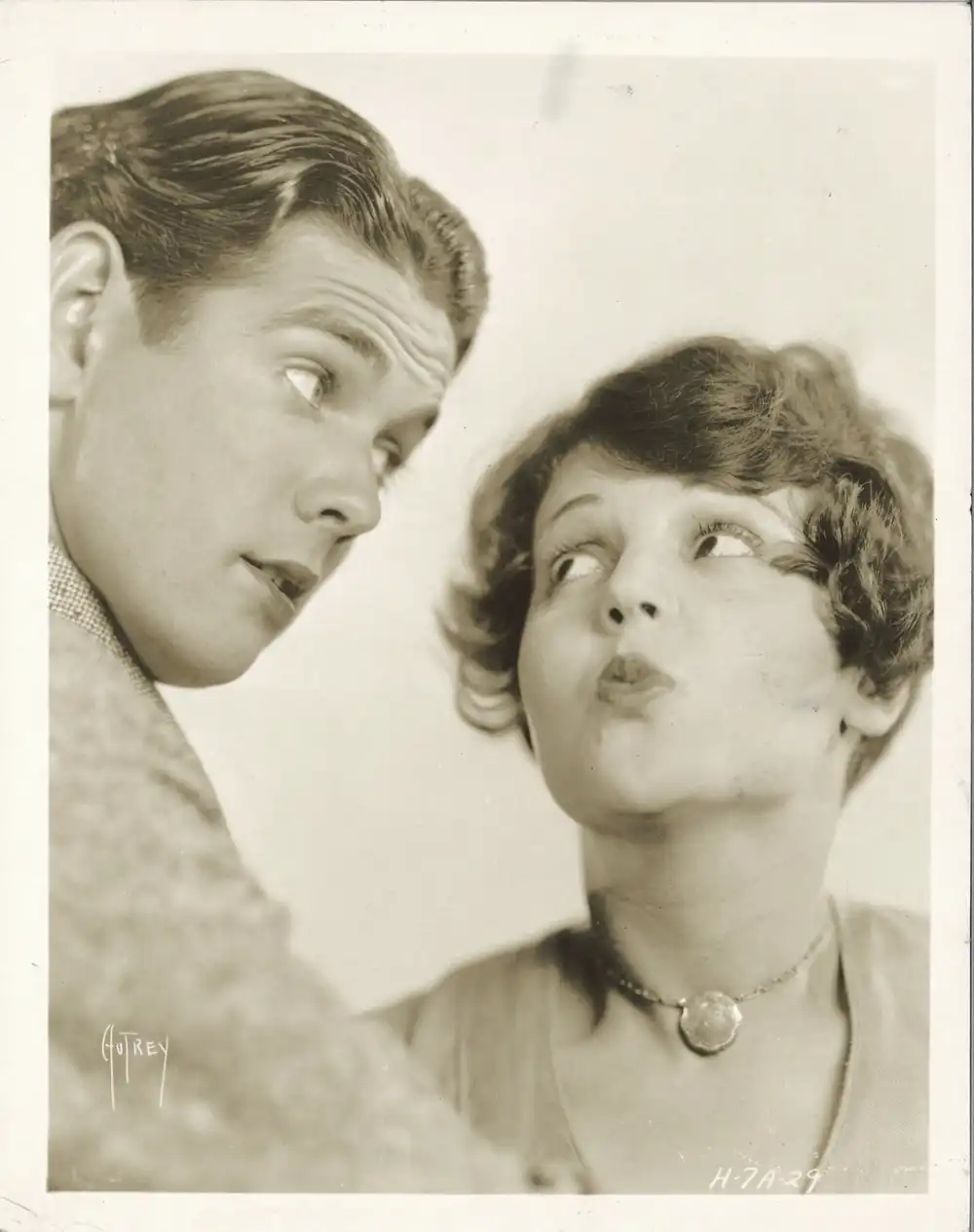
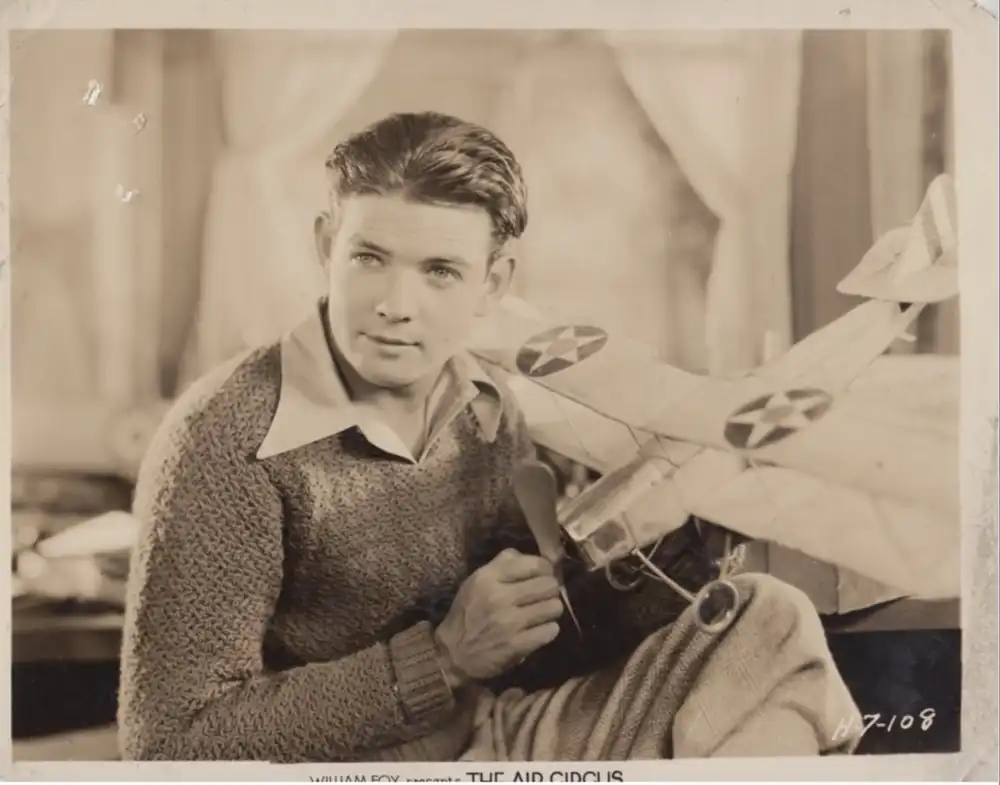
The first ten minutes are a blur of uniforms and earnest handshakes. We meet Earl Robinson and Sumner Getchell, two fresh-faced pilots at flight school, all wide eyes and stiff salutes. They're supposed to be our heroes, but they blend together a bit, honestly. You're meant to connect with their ambition, but the film doesn't really give them much in the way of distinct personality early on. They just sort of exist to be enthusiastic.
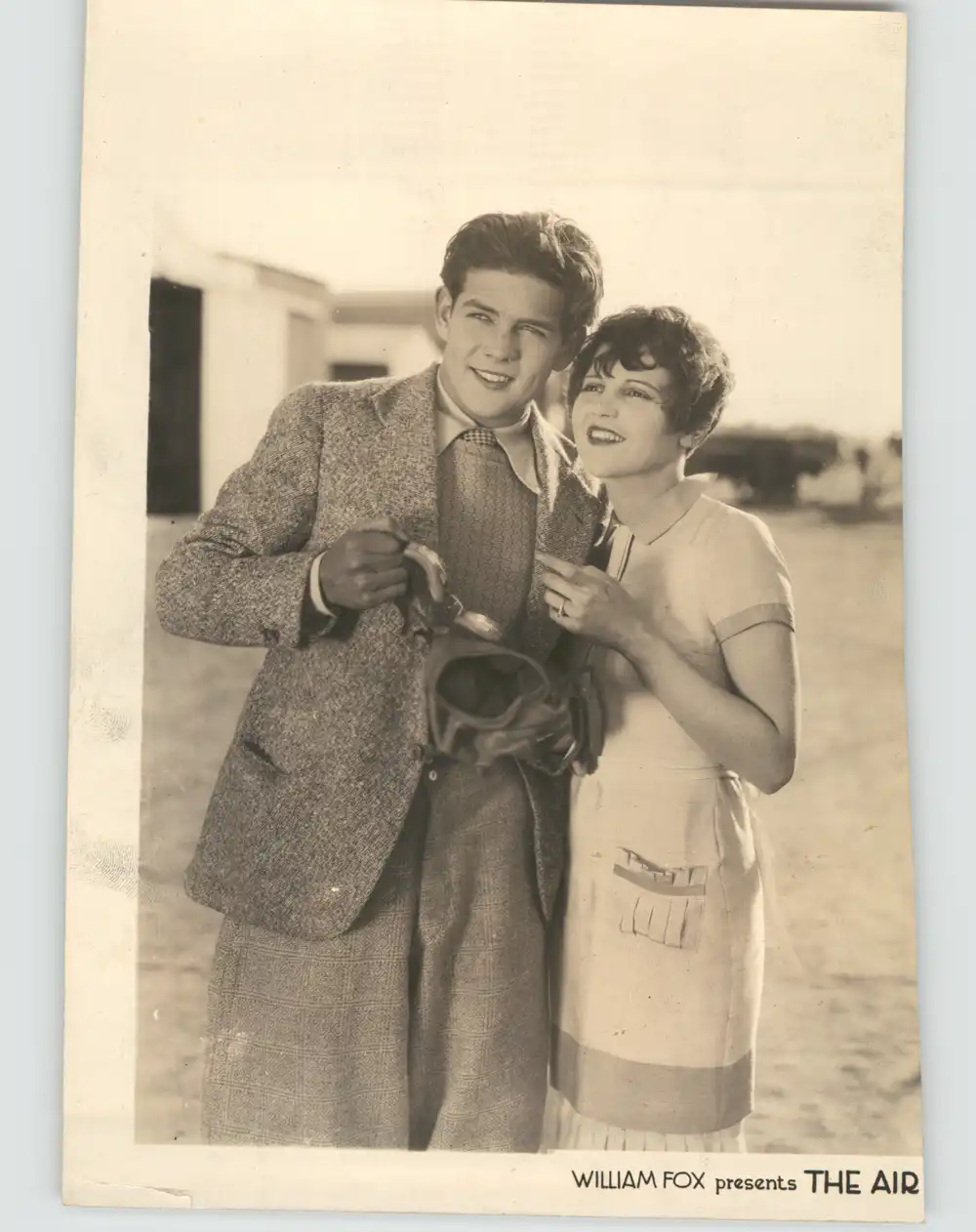
Then Louise Dresser shows up as Sue, the aviatrix sister of their flight instructor, and the screen just brightens a touch. She's got this no-nonsense charm, a real presence that makes you wonder why the movie isn't *really* about her. Her scenes feel… lived in, compared to the boys' sometimes wooden attempts at 'eager.' You can tell she’s a seasoned performer. She’s the anchor, even if the plot doesn't always put her at the center.
The core of it, this love triangle, it's pretty thin. Earl and Sumner are both vying for Sue's attention. It’s less a passionate rivalry and more like two puppies nudging each other for a particularly good spot on the rug. You don't really buy the stakes, and the dialogue, when it comes (which isn't all the time, remember the Movietone format), is often just functional. Like, 'I will fly faster!' and 'No, *I* will!' It’s not exactly Shakespeare.
And the sound. Oh, the sound. This is where 1928 really shows its age. You get the plane engines roaring, which is genuinely great; it really adds to the spectacle. But then the human voices come in, and it's like they’re speaking through a tin can at the bottom of a well. You have to strain to catch half of it, and the acting often feels disconnected from the sound, like they recorded it separately and hoped for the best. Sometimes a character will deliver a line with almost no expression, then the next shot they’re emoting wildly in silence. It’s an odd experience.
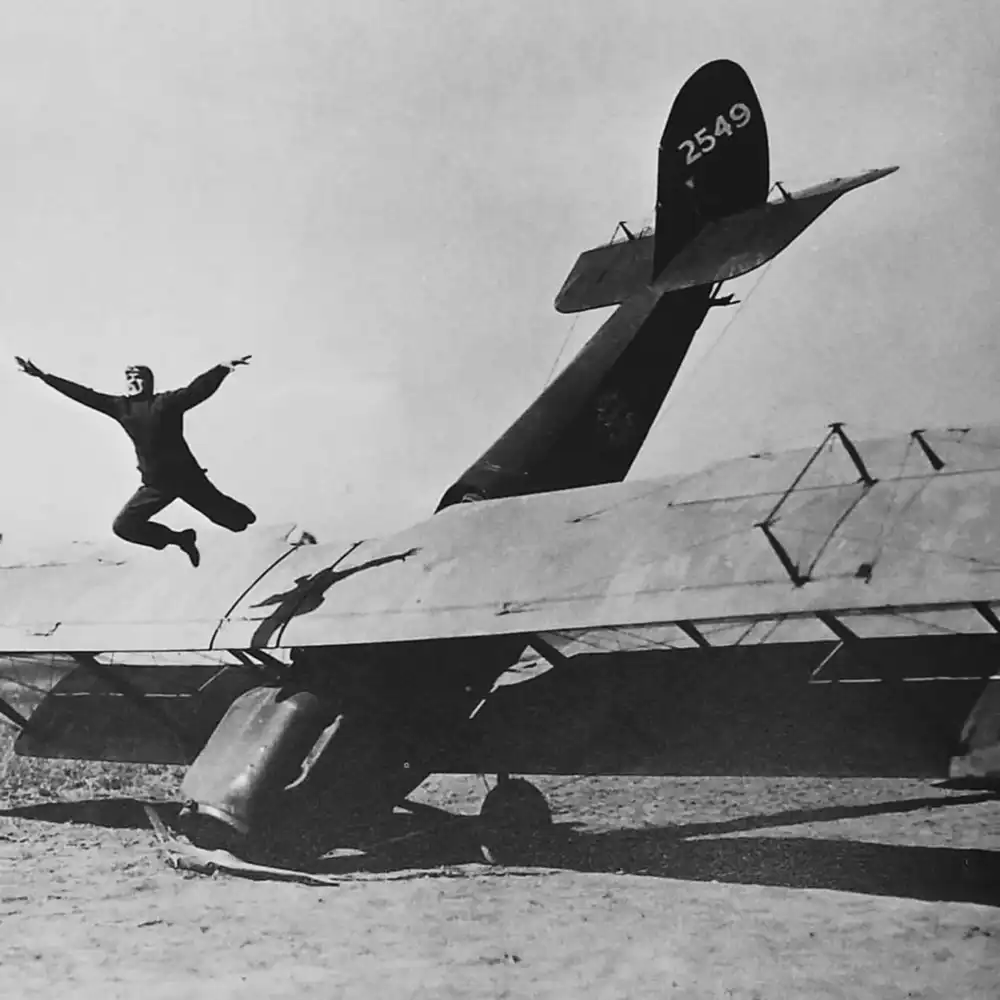
But the flying. Oh, the flying. When they get those biplanes in the air, the film suddenly remembers what it's good at. The aerial photography is genuinely breathtaking for the era. You get these sweeping shots of planes buzzing through canyons, doing loops and dives. You can practically smell the engine oil. There’s a sequence where a plane gets into trouble, and the camera just *stays* with it, no quick cuts, just this terrifying spiral down. That felt real. And the stunt work, you know it's real, no CGI, just pilots doing insane things for the camera. That visceral thrill still absolutely lands. It’s the closest thing to a modern action sequence in the whole film.
There's this one moment where one of the pilots is talking to his plane, giving it a pep talk. It's supposed to be endearing, I guess, but it just lands flat. It almost feels like a parody of itself, and you can practically hear the director trying to inject personality where there isn't much to begin with. It’s a bit awkward, honestly.
Virginia Cherrill (yes, *that* Virginia Cherrill, pre-Chaplin) has a small part. She’s stunning, even here, but she doesn’t get much to do beyond look concerned or smile politely. A bit of a waste, honestly, but you can see the star quality waiting to be tapped.
The pacing is all over the place. Some scenes drag on, with silent stares that go on about 10 seconds too long, while others jump forward abruptly, leaving you to piece together what just happened. The final act, involving a storm and a rescue, it's a bit of a mixed bag. The storm effects are surprisingly decent for the time, but the emotional beats feel rushed. You're more invested in whether the plane will actually make it than you are in who ends up with whom.
It’s a historical curiosity, for sure. You watch it and you think about how far cinema has come, but also how some things, like the sheer thrill of a well-executed stunt, haven't changed much at all. Just don't go in expecting a character study or sparkling dialogue. Go for the planes. Go for the very specific, clunky charm of a film trying to figure out what it means to be a 'talkie.' It’s a wobbly flight, but those moments in the air are something else.
IMDb 5.7
1929
Community
Log in to comment.