DbcultAccessing Vault...
5.7/10
Senior Film Conservator
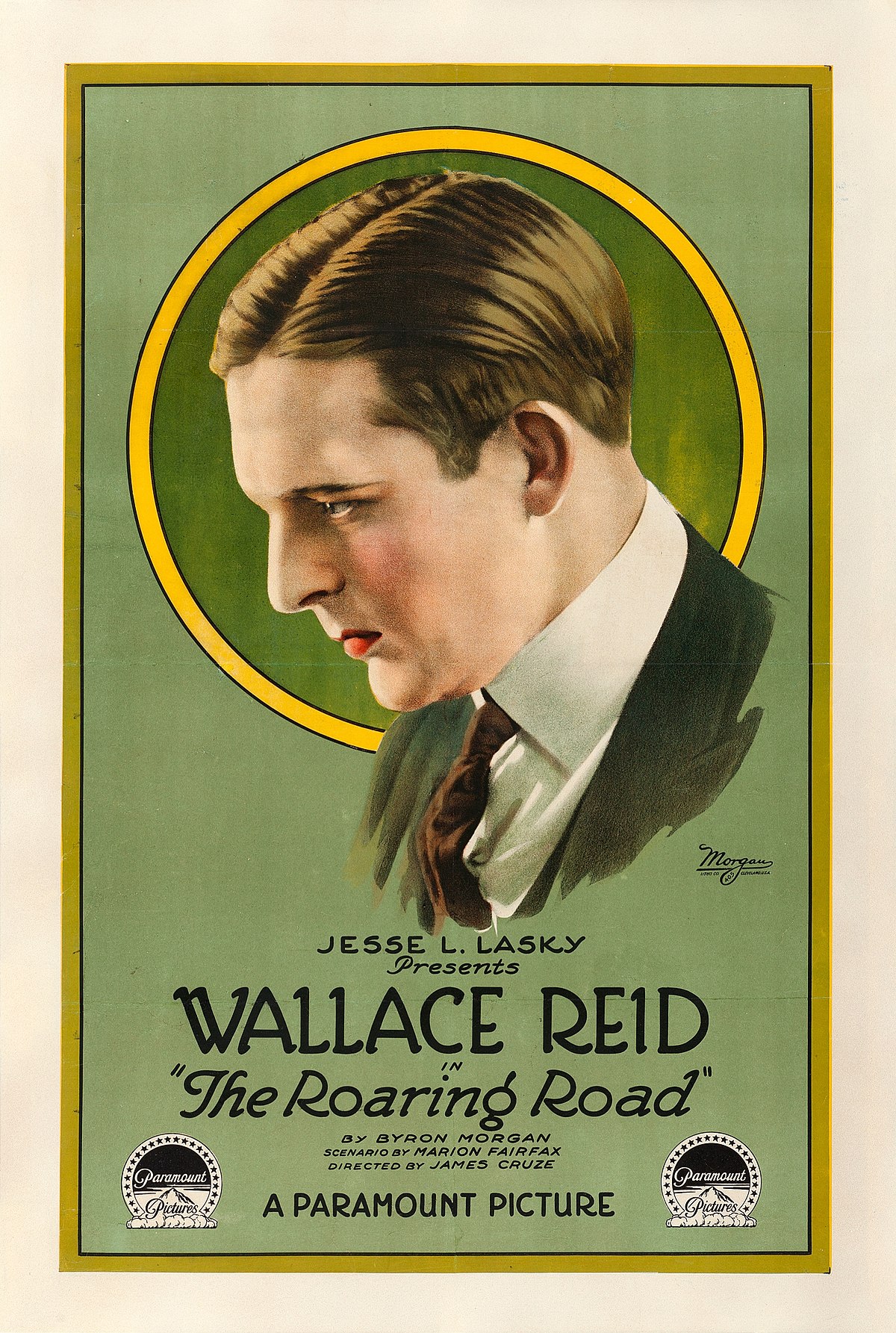
A definitive 5.7/10 rating for a film that redefined the boundaries of cult cinema. The Roaring Road remains a cornerstone of transgressive art.
In the annals of early cinema, few genres captured the public imagination with the same visceral thrill as the auto racing picture. These were films that, even in their silent form, conveyed an almost palpable sense of speed, danger, and exhilaration. Among the most celebrated of these cinematic sprints stands the 1919 classic, The Roaring Road. More than just a simple narrative of competitive driving, this film, penned by the talented duo Marion Fairfax and Byron Morgan, transcends its premise to deliver a surprisingly nuanced exploration of passion, ambition, and the relentless pursuit of one's desires, both on and off the track.
At its heart, The Roaring Road is a testament to the magnetic charisma of its leading man, Wallace Reid. Reid, a veritable superstar of the silent era, embodied the dashing, adventurous spirit that audiences craved. Here, he portrays a character whose zest for life manifests in two primary, equally fervent, obsessions: the high-octane world of auto racing and the captivating allure of a young woman. It’s a compelling juxtaposition, suggesting that for some individuals, all pursuits are undertaken with an unyielding, full-throttle commitment. The film masterfully interweaves these two threads, making it clear that the intensity with which Reid's character approaches the hairpin turns of a race track is precisely the same ardor he brings to matters of the heart.
Wallace Reid's performance is, without hyperbole, the engine that drives this picture. His on-screen persona was a unique blend of rugged athleticism and boyish charm, making him an ideal fit for roles that demanded both physical prowess and romantic appeal. In The Roaring Road, he doesn't just act; he embodies the very spirit of the era's burgeoning fascination with speed and mechanical marvels. His eyes, even in the black and white medium, convey a burning intensity, whether fixed on the finish line or on his romantic interest. This isn't just about a man who loves to race; it's about a man for whom speed is a way of life, a philosophy, a lens through which he views all challenges, including the intricacies of courtship.
The film's success owes much to its ability to make the audience feel the rush of the race. Despite the technological limitations of 1919, the cinematography, likely overseen by a director with a keen eye for dynamic action (though specific directorial credit often varied in early productions), manages to create sequences that are genuinely thrilling. The close-ups of straining faces, the blurring backgrounds, and the cleverly edited shots of cars hurtling around tracks convey a sense of velocity that was revolutionary for its time. It’s a stark contrast to the more introspective dramas of the period, such as The Divorcee, which delved into psychological depth rather than external dynamism. The Roaring Road chose the path of exhilarating spectacle, and it did so with remarkable efficacy.
The narrative structure, crafted by Marion Fairfax and Byron Morgan, is deceptively simple yet remarkably effective. They understood that the core appeal lay in the hero's singular focus. This isn't a story burdened by convoluted subplots or overly complex character arcs. Instead, it hones in on the protagonist's twin pursuits, allowing the audience to fully invest in his triumphs and tribulations. Fairfax, in particular, was a prolific and respected screenwriter of the era, known for her ability to infuse populist themes with genuine emotional resonance. Her collaboration with Morgan here results in a screenplay that is lean, purposeful, and keeps the audience engaged from the opening scene to the climactic race.
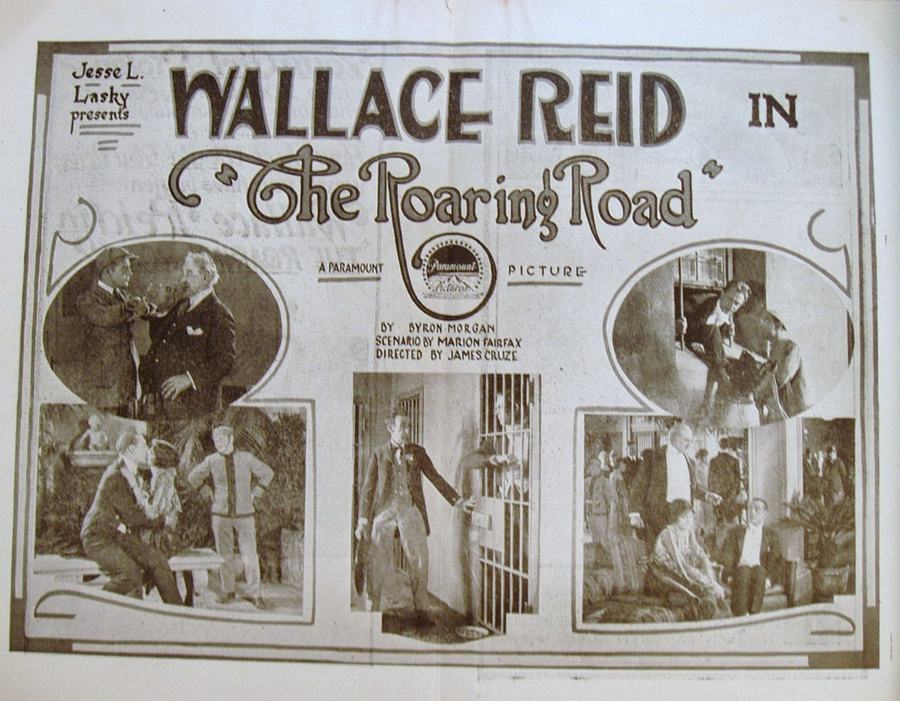
Their writing ensures that the romantic storyline never feels secondary or shoehorned in. Instead, it's intrinsically linked to the racing. The young lady (played with charm by Ann Little) becomes another prize to be won, another challenge to be overcome with the same strategic thinking and daring spirit applied to the track. This approach, while perhaps simplistic by modern standards, was entirely in keeping with the narrative conventions of the time and allowed for a clear, compelling dramatic arc. The writers understood the power of a protagonist driven by clear, identifiable goals, much like the focused ambition seen in films such as Sins of Ambition, albeit with a more overtly thrilling backdrop.
While Wallace Reid undeniably anchors the film, the supporting cast provides essential texture and depth. Ann Little, as the object of Reid's affection, delivers a performance that is both spirited and graceful. Her character isn't merely a passive damsel; she possesses an agency that, while perhaps not as overtly political as characters in The Woman in Politics, still asserts her presence in a world dominated by male ambition and speed. Her reactions to the racing, her growing admiration for the hero's daring, all contribute to the emotional stakes of the narrative.
The veteran actors in the cast also lend considerable weight. Theodore Roberts, a formidable presence in countless silent films, brings his characteristic gravitas to his role, likely as a disapproving father figure or a rival, adding a layer of dramatic tension. Gustav von Seyffertitz, known for his ability to portray sophisticated villains or intense characters, would have provided a compelling counterpoint to Reid's heroics, injecting moments of conflict or intrigue. Clarence Geldert and Guy Oliver, reliable character actors of the era, fill out the ensemble, grounding the fantastical elements of racing with believable human interactions. Even the appearance of Teddy Tetzlaff, a real-life racing driver, adds an authentic touch, blurring the lines between cinematic fiction and the thrilling reality of the sport, much like how Nuori luotsi might have used real maritime elements to enhance its realism.
Larry Steers, another familiar face from the period, rounds out the cast, ensuring that every role, no matter how minor, is filled by a competent performer. The synergy among these actors, guided by the writers' vision, creates a believable world where the stakes feel genuinely high, whether it's the outcome of a race or the winning of a heart. This ensemble strength is crucial in silent cinema, where nuanced expressions and body language carry the weight of dialogue.
What makes The Roaring Road resonate even today, over a century after its release? It’s the timeless appeal of unbridled passion. The film taps into a universal human desire for excellence, for victory, and for love pursued with unwavering dedication. The roar of the engine is a primal sound, symbolizing power and freedom, and for many, the car itself was a symbol of modernity and individual agency. This film captures that zeitgeist perfectly. It’s a story about a man who refuses to live life in neutral, who embraces every challenge with the throttle wide open.
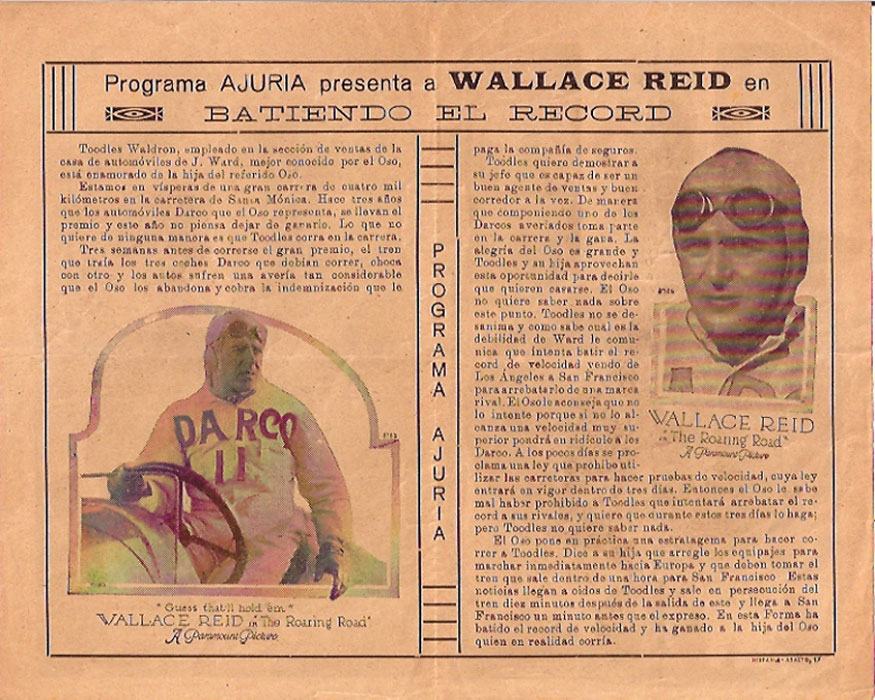
One might draw parallels to the competitive spirit inherent in themes of 'lost and won', as seen in Lost and Won, but here, the arena is literal, the stakes are concrete, and the outcome is often decided in a breathtaking blur of speed. The film doesn't delve into the complex moral ambiguities that might be explored in a drama like Manden med de ni Fingre IV; instead, its morality is straightforward: courage, determination, and true affection triumph over obstacles. It’s a feel-good narrative that champions the underdog, or at least, the intensely driven individual.
The aesthetic of the film, with its reliance on dynamic action and the expressive power of its actors, is a masterclass in silent film storytelling. It avoids the theatricality that sometimes plagued early cinema, opting instead for a more cinematic approach to conveying excitement and emotion. The use of intertitles is judicious, never overwhelming the visual narrative but augmenting it with necessary exposition and character thoughts. This balance is critical in maintaining the film’s brisk pace and immersive quality. One could argue it represents a 'more excellent way' of visual storytelling for its time, distinct from the contemplative pace of films like The More Excellent Way.
The Roaring Road stands as a significant artifact of its time, not just for its entertainment value but for its cultural reflection. It captures the spirit of a nation falling in love with the automobile, with speed, and with the promise of a faster, more exhilarating future. It’s a film that, despite its age, still possesses an infectious energy that transcends the decades. For anyone interested in the evolution of action cinema, the star system of the silent era, or simply a well-told story of passion and pursuit, this film is an absolute must-see.
It reminds us that even without spoken dialogue, the language of cinema is powerful enough to convey the deepest human emotions and the most thrilling spectacles. The legacy of Wallace Reid, tragically cut short, is brilliantly preserved in films like this, where his vibrant screen presence shines with undiminished intensity. The Roaring Road is not merely a historical curiosity; it is a vibrant, pulsating piece of cinematic art that continues to roar with life, inviting new generations to experience the intoxicating blend of speed, daring, and romance that defined an unforgettable era of filmmaking.
Its narrative simplicity and thrilling execution make it a timeless piece, a vibrant counterpoint to the more somber or complex narratives found in films like Edelsteine - Phantastisches Drama in 4 Akten or Wenn das Herz in Haß erglüht, which delved into deeper psychological or dramatic conflicts. Instead, The Roaring Road opts for a straightforward, exhilarating ride that leaves the viewer breathless and entertained. It's a film that understands its strengths and leverages them to maximum effect, cementing its place as a quintessential example of early American action-romance. The sheer joy of speed and the earnestness of the romantic pursuit are its enduring hallmarks, making it a compelling watch even today.
IMDb 7.6
1929
Community
Log in to comment.