DbcultAccessing Vault...
Cult Review
Senior Film Conservator
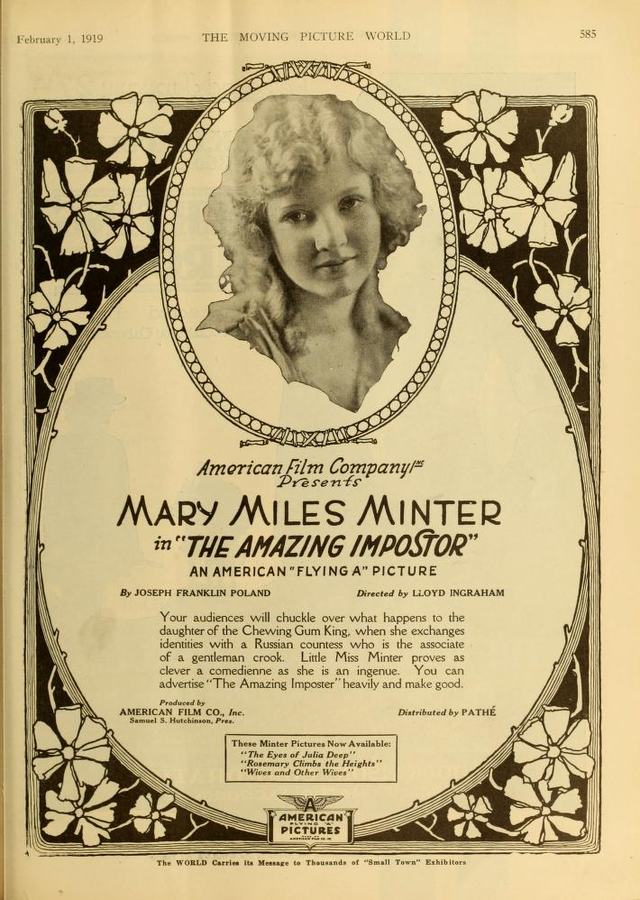
In the annals of early cinema, where grand gestures and stark morality often painted narratives in broad strokes, a film like 'The Amazing Impostor' emerges as a surprisingly nuanced exploration of identity, class anxieties, and the perilous allure of escapism. Released in 1919, this silent drama, penned by Joseph F. Poland and Frank Howard Clark, casts a discerning eye upon the superficialities of wealth and the often-destructive yearning for a different station in life. It’s a compelling snapshot of a particular cultural moment, a time when American industrial wealth clashed with an almost romanticized fascination for European aristocracy, even as the latter was crumbling under the weight of global conflict and social upheaval. The film invites us to question what we truly value: the substance of our character or the shimmering facade we present to the world.
At its core, 'The Amazing Impostor' is the story of Joan Hope, portrayed with a captivating blend of youthful naiveté and burgeoning discontent by the luminous Mary Miles Minter. Minter, a significant star of the era, imbues Joan with a palpable sense of unease, a simmering dissatisfaction with her opulent existence. Her father, a titan of the chewing gum industry, has amassed a colossal fortune, yet for Joan, this wealth is not a blessing but a blight, a symbol of what she perceives as a 'vulgar' and unrefined origin. This internal conflict is exquisitely rendered through Minter’s expressive silent performance; her gestures and facial nuances convey a young woman stifled by the very gilded cage her privilege has constructed. She yearns for an authenticity she believes is absent in her own life, projecting her desires onto an idealized vision of old-world nobility.
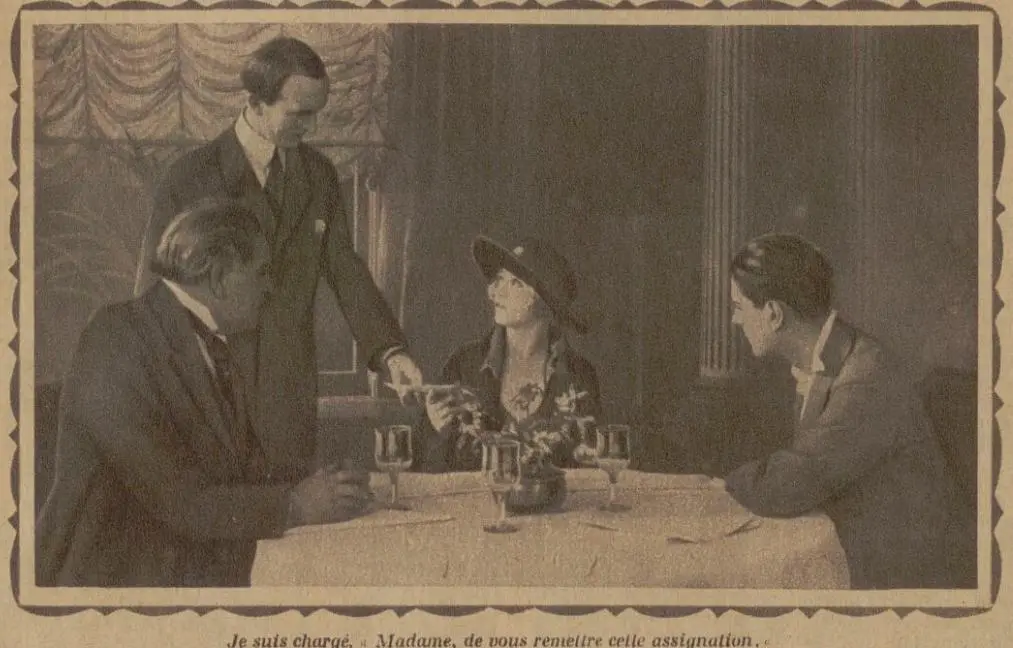
This particular strain of existential angst, where material comfort breeds spiritual emptiness, resonates across cinematic history. One might draw a parallel, though perhaps a less dramatic one, to the struggles of heroines in films like Tess of the Storm Country, where another Mary Miles Minter character navigates societal prejudices, albeit from a position of poverty rather than privilege. While Tess fights for basic dignity against harsh circumstances, Joan's battle is against the perceived indignity of her own social standing, a self-imposed prison of snobbery. It's a fascinating inversion of the typical 'rags-to-riches' narrative, presenting a 'riches-to-rags-of-the-soul' dilemma.
The narrative truly ignites during a train journey, a classic cinematic device for bringing disparate lives into collision. Here, Joan encounters the 'Countess of Crex,' a figure of exquisite refinement and aristocratic bearing, purportedly a member of the Russian nobility. This 'countess,' brought to life with an air of sophisticated menace by Margaret Shelby, is everything Joan imagines herself not to be: elegant, mysterious, steeped in history and an aura of effortless grandeur. The film masterfully plays on Joan's deep-seated insecurities and her romanticized notions of royalty. The contrast between her father's 'vulgar' chewing gum and the 'countess's' perceived noble heritage is starkly drawn, symbolizing the chasm Joan feels between her reality and her aspirations.
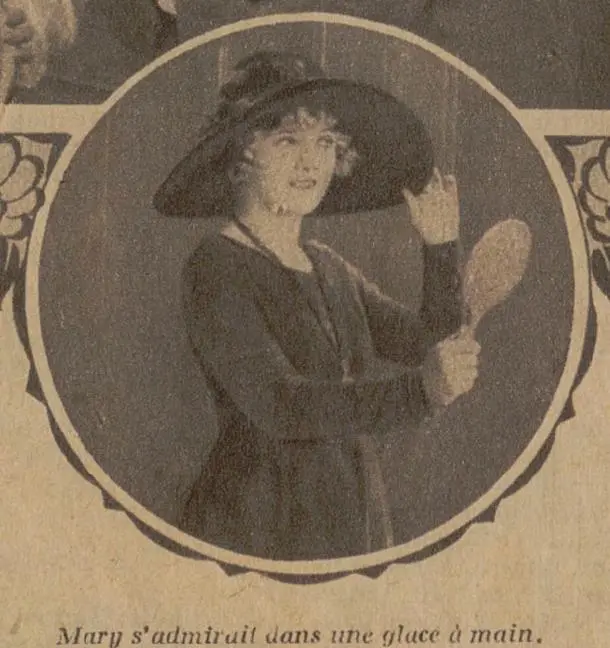
However, the film quickly peels back this veneer of nobility, revealing the 'countess' to be a cunning jewel thief, a master of disguise and deception. This revelation is crucial, transforming the story from a simple tale of social envy into a biting commentary on the nature of appearance versus reality. Joan, blinded by her desire for a different life, readily agrees to switch places with the 'countess.' This pivotal decision, born of a desperate longing for perceived authenticity, plunges her into a world far more dangerous and morally ambiguous than she could ever have imagined. The film effectively portrays the intoxicating power of illusion, and the tragic willingness of individuals to sacrifice their true selves for a fabricated identity.
What follows is a meticulously crafted sequence of events where Joan, now masquerading as the 'Countess,' finds herself embroiled in the dangerous machinations of a criminal underworld. The script, though originating from a period when narrative subtlety was often sacrificed for dramatic effect, manages to convey the mounting tension and Joan's growing terror with remarkable clarity. Edward Jobson, Henry A. Barrows, and Carl Stockdale, among others in the supporting cast, contribute to the tapestry of characters that populate this perilous new world, each interaction serving to tighten the noose around Joan's ill-advised charade. Her initial romanticized vision of aristocratic freedom quickly dissipates under the harsh glare of criminal enterprise and the constant threat of exposure. The film excels at depicting the psychological toll of living a lie, as Joan grapples with the consequences of her impulsive decision.
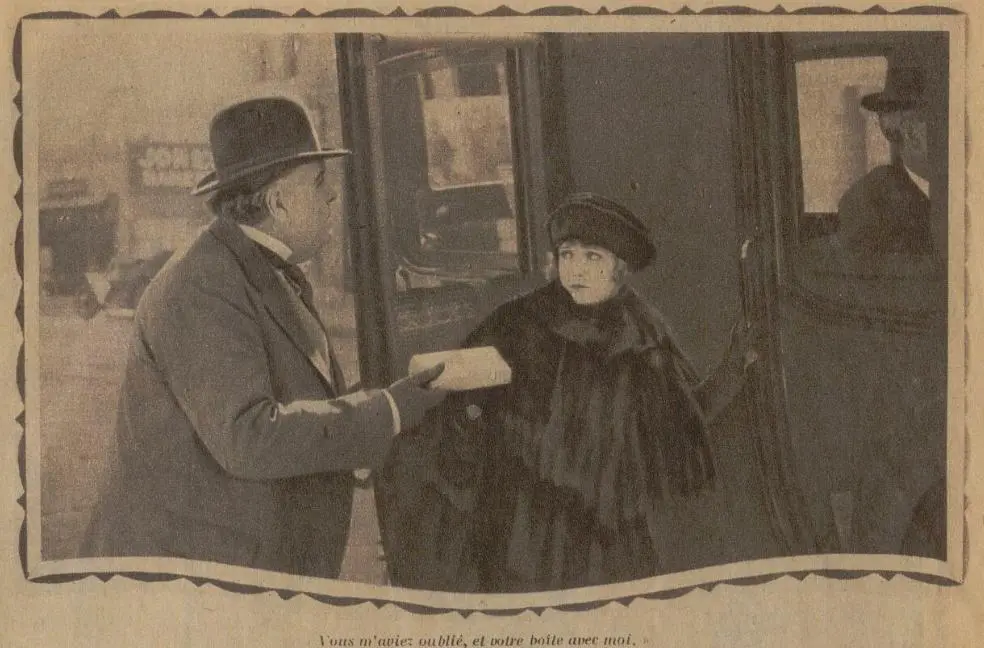
The film's exploration of deception and its repercussions can be fruitfully compared to other cinematic narratives of the era. While vastly different in tone and subject matter, the underlying theme of a hidden truth impacting one's social standing echoes in a film like The Scarlet Letter, where a protagonist's secret profoundly shapes her public identity. Even more directly, the idea of a fabricated identity and its eventual unraveling finds kinship with the dramatic tension in films like The Beautiful Lie, where the intricate web of deceit inevitably leads to a reckoning. 'The Amazing Impostor' posits that while one might temporarily escape an undesired reality, the truth has a relentless way of asserting itself, often with dire consequences.
For a film of its vintage, 'The Amazing Impostor' demonstrates a commendable grasp of cinematic language. The direction, while not attributed in the provided details, deftly guides the audience through the twists and turns of the plot. The use of close-ups on Mary Miles Minter's face effectively communicates her internal turmoil, a crucial technique in silent cinema where emotional resonance often hinges on the actor's ability to convey complex feelings without dialogue. The staging of scenes, particularly those involving the 'countess's' criminal activities, is executed with a clarity that ensures the audience remains engaged despite the absence of spoken words. The film's visual storytelling relies heavily on strong character blocking and evocative settings to build atmosphere and advance the narrative.
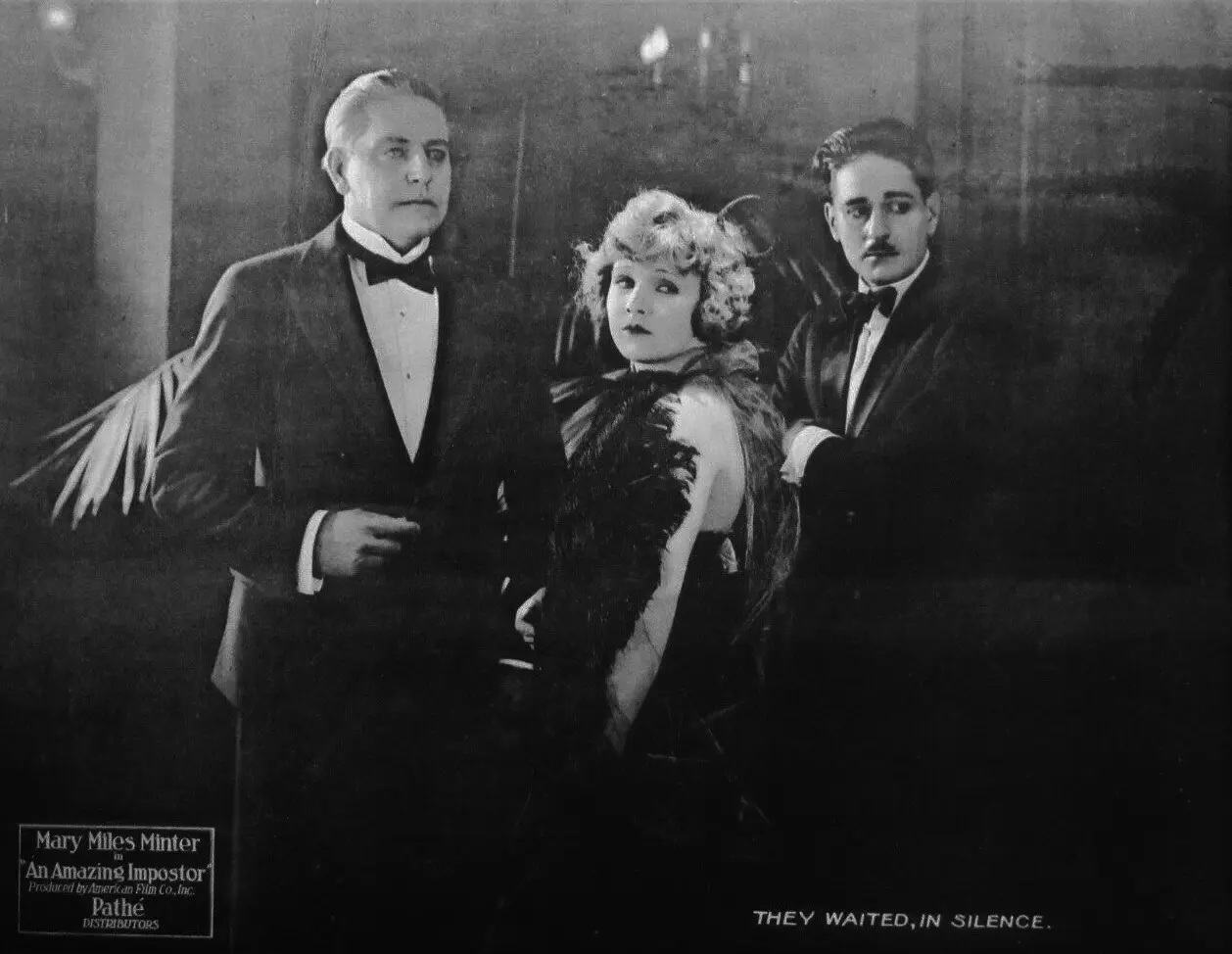
The cinematography, though perhaps not groundbreaking by today's standards, is effective in establishing mood and highlighting key dramatic moments. The contrast between the opulent, yet suffocating, world of Joan's origin and the glamorous, yet dangerous, world of the 'countess' is visually articulated through set design and costuming. The film's pacing maintains a steady rhythm, building suspense gradually, allowing the audience to empathize with Joan's plight even as her choices become increasingly questionable. The performances, particularly Minter's, are a testament to the power of silent acting, where every gesture, every tilt of the head, and every glance carries significant meaning. The supporting cast, including Edward Jobson and Henry A. Barrows, provide solid foundations for the dramatic tension, each playing their part in the unfolding deception.
Beyond its thrilling plot, 'The Amazing Impostor' offers rich thematic material. It delves into the societal anxieties surrounding new money versus old aristocracy, a prevalent tension in early 20th-century America. Joan's disdain for her father's wealth is not merely personal; it reflects a broader cultural discomfort with the perceived crudeness of industrial fortunes compared to the inherited elegance of European nobility. The film critiques this snobbery by exposing the inherent corruption within the very 'aristocratic' ideal Joan so desperately pursues. The 'Countess of Crex' embodies the ultimate irony: the epitome of 'old money' grace turns out to be a common criminal, suggesting that true vulgarity lies not in one's origins, but in one's actions and moral compass.
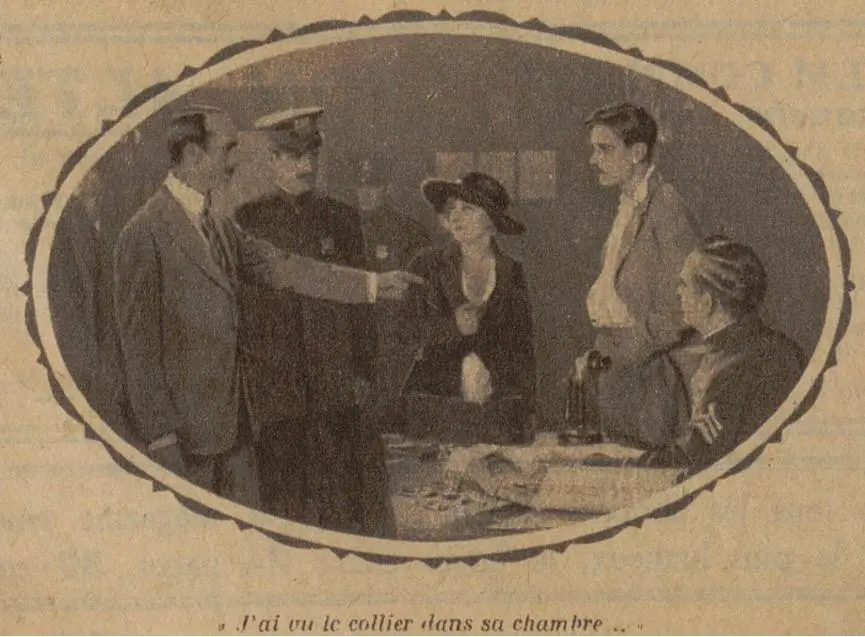
The narrative also serves as a cautionary tale about the dangers of self-deception and the pursuit of superficial ideals. Joan's journey is one of harsh enlightenment, as she discovers that escaping her identity only leads her into a more profound form of imprisonment. This theme of consequences for misguided choices can be seen in other films where characters venture into morally grey areas, such as Gambling Inside and Out, which explores the perilous outcomes of illicit activities. While Joan's motivation is social aspiration rather than outright vice, her willingness to abandon her true self for a fantasy carries significant moral weight, leading her down a path fraught with danger and ethical compromises.
While perhaps not as widely remembered as some of the era's more iconic works, 'The Amazing Impostor' deserves recognition for its engaging plot, strong performances, and pertinent thematic explorations. It stands as a testament to the narrative sophistication achievable within the constraints of silent cinema. Mary Miles Minter's portrayal of Joan Hope is particularly memorable, capturing the essence of a young woman caught between societal expectations and personal yearning. The film's ability to blend elements of social commentary with thrilling suspense makes it a compelling watch even today, offering insights into the human condition that remain timeless.
In an age fascinated by celebrity and the curated image, 'The Amazing Impostor' provides a poignant reminder that true identity is not found in titles or inherited wealth, but in the integrity of one's character. It challenges us to look beyond the glittering surfaces and to question the authenticity of those who project an image of effortless superiority. For aficionados of silent film, or anyone interested in the foundational narratives of early Hollywood, this film offers a fascinating glimpse into a past era's anxieties and aspirations, wrapped in a compelling tale of mistaken identity and moral awakening. It’s a film that, despite its age, continues to resonate, reminding us that the grass is not always greener on the other side, especially when that other side is built on a foundation of lies and thievery.
The film's enduring message about the pitfalls of superficiality and the search for genuine self-worth is as relevant now as it was a century ago. It's a journey from the ostentatious yet 'vulgar' world of chewing gum magnates to the equally deceptive realm of aristocratic criminals, forcing Joan to confront the true value of her own identity. The film subtly argues that self-acceptance, rather than social climbing or masquerade, is the ultimate path to contentment. It’s a quiet but powerful statement from a forgotten gem of early American cinema, reminding us that the most amazing impostor is often the self we try to project rather than the self we truly are.
IMDb —
1926
Community
Log in to comment.