DbcultAccessing Vault...
Cult Review
Senior Film Conservator
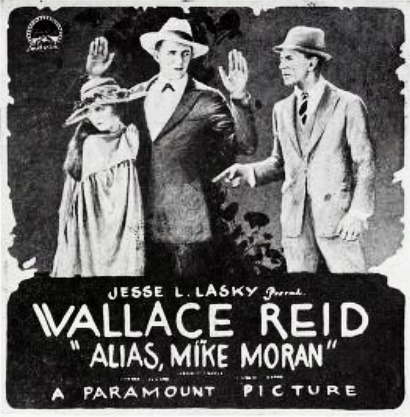
Step into the flickering shadows of 1918, a period when the world teetered on the brink, and cinema, still in its nascent, silent form, grappled with narratives that mirrored the profound societal shifts of the era. Alias Mike Moran, starring the magnetic Wallace Reid, emerges from this epoch as a compelling, if often overlooked, artifact, a story that intertwines personal ambition with the inexorable demands of national duty. It's a film that, at its heart, dissects the very essence of identity, the malleability of self, and the unforeseen consequences when one attempts to outmaneuver fate.
The narrative pivots around Larry Young, portrayed with a captivating blend of earnestness and self-serving charm by Reid. Larry is not merely a department-store clerk; he is an aspirational pragmatist, a young man whose vision for his future is meticulously calibrated for upward mobility. His ultimate goal isn't just love, but a strategically advantageous marriage to a woman of means. He sets his sights on Elaine Debaux, played by Ann Little, convinced she is the daughter of a wealthy shipbuilder, a belief that fuels his romantic pursuit. This initial premise, a staple of many melodramas of the time, immediately establishes a character driven by external validation and material security, rather than intrinsic moral compass. Larry's ambition, initially presented as a quaint character quirk, soon becomes the fulcrum upon which the entire dramatic tension rests.
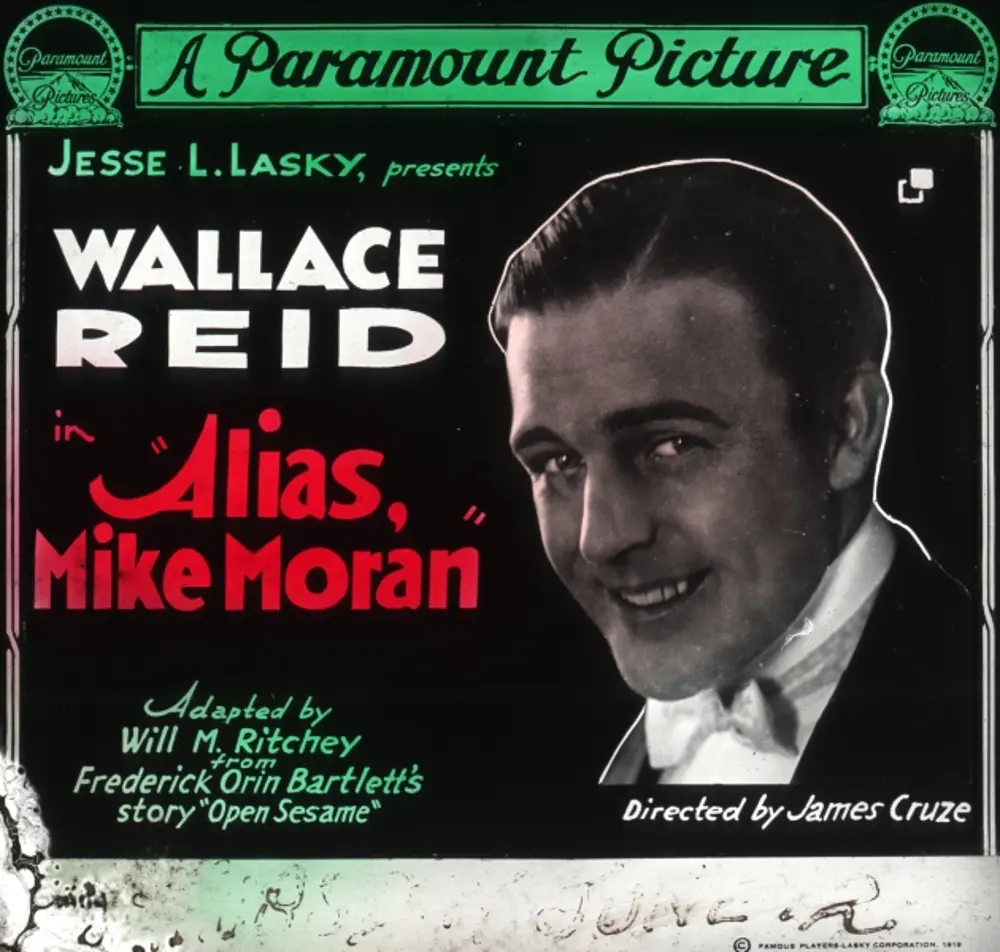
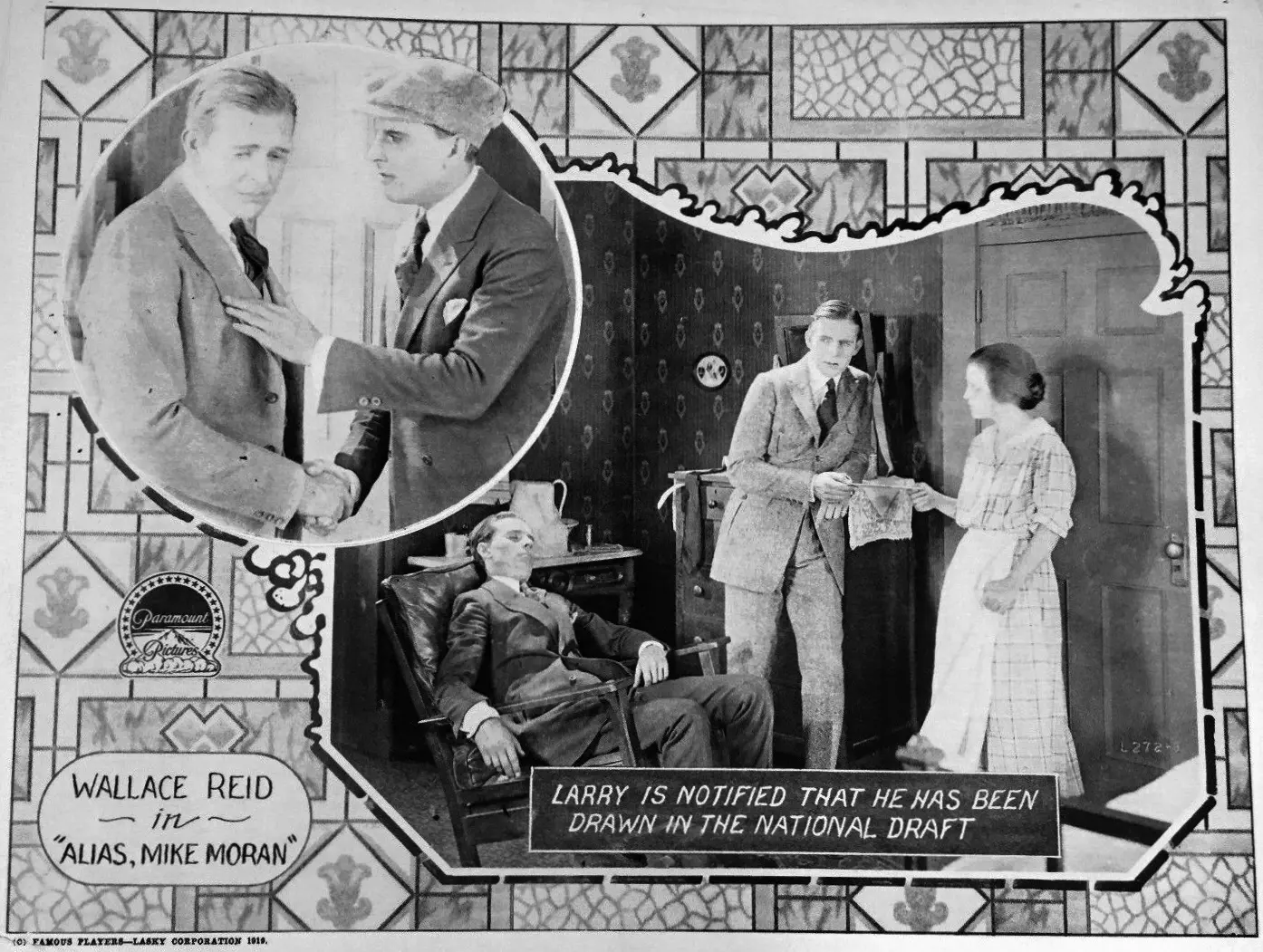
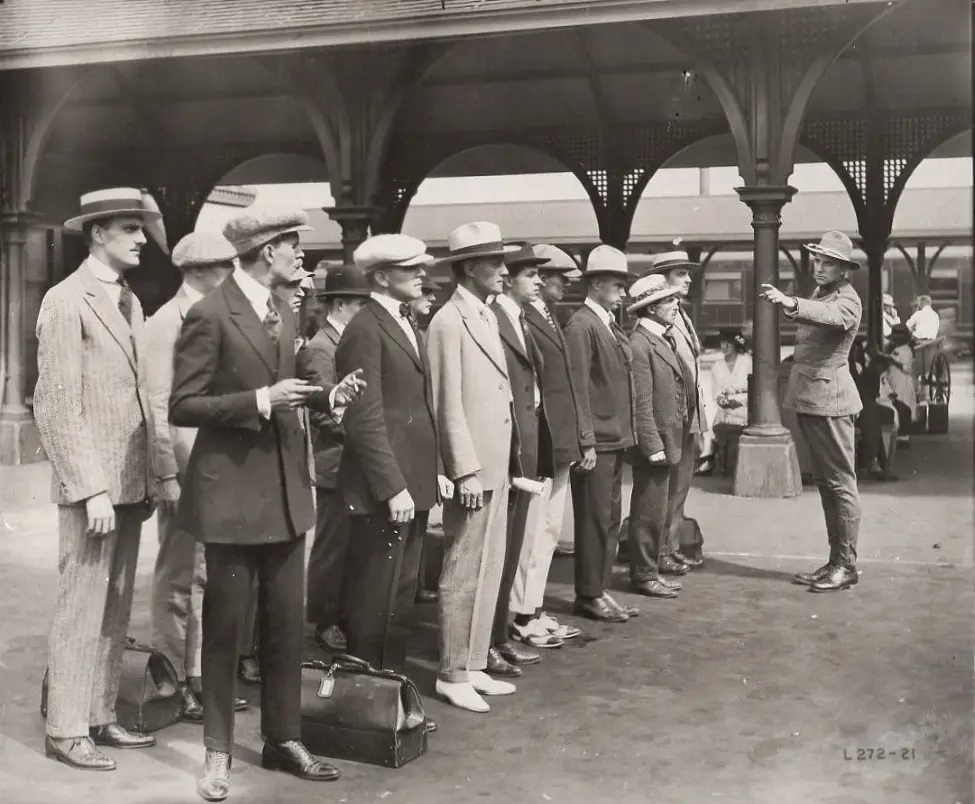
The brewing storm of personal ambition, however, is dwarfed by the global tempest of war. The Great War, a distant rumble for many, suddenly crashes into Larry's carefully constructed world when he receives his draft notice. This external force, beyond his control, threatens to derail his entire meticulously planned future, particularly his impending engagement to Elaine. It's a classic cinematic device, forcing a character to confront a reality starkly different from their desires. The film effectively uses this historical backdrop not merely as a setting, but as an active antagonist, challenging Larry's values and forcing a moral reckoning.
The plot thickens with the opportune, or perhaps ill-timed, appearance of Mike Moran, brought to life by the seasoned William Elmer. Moran is an ex-convict, a man scarred by his past, yet paradoxically harboring a deep-seated patriotism and a yearning for redemption through military service. His record, however, stands as an insurmountable barrier. The irony is palpable: Larry, the man of presumed good standing, actively seeks to avoid the call to arms, while Moran, the social outcast, desperately wishes to answer it. This juxtaposition is the narrative's masterstroke, setting up a moral dilemma that transcends the immediate plot points and delves into deeper questions of worth and societal judgment. The rescue of Larry and Elaine from a gang of thugs by Moran is the catalyst, a moment of unexpected heroism that binds these disparate characters together.
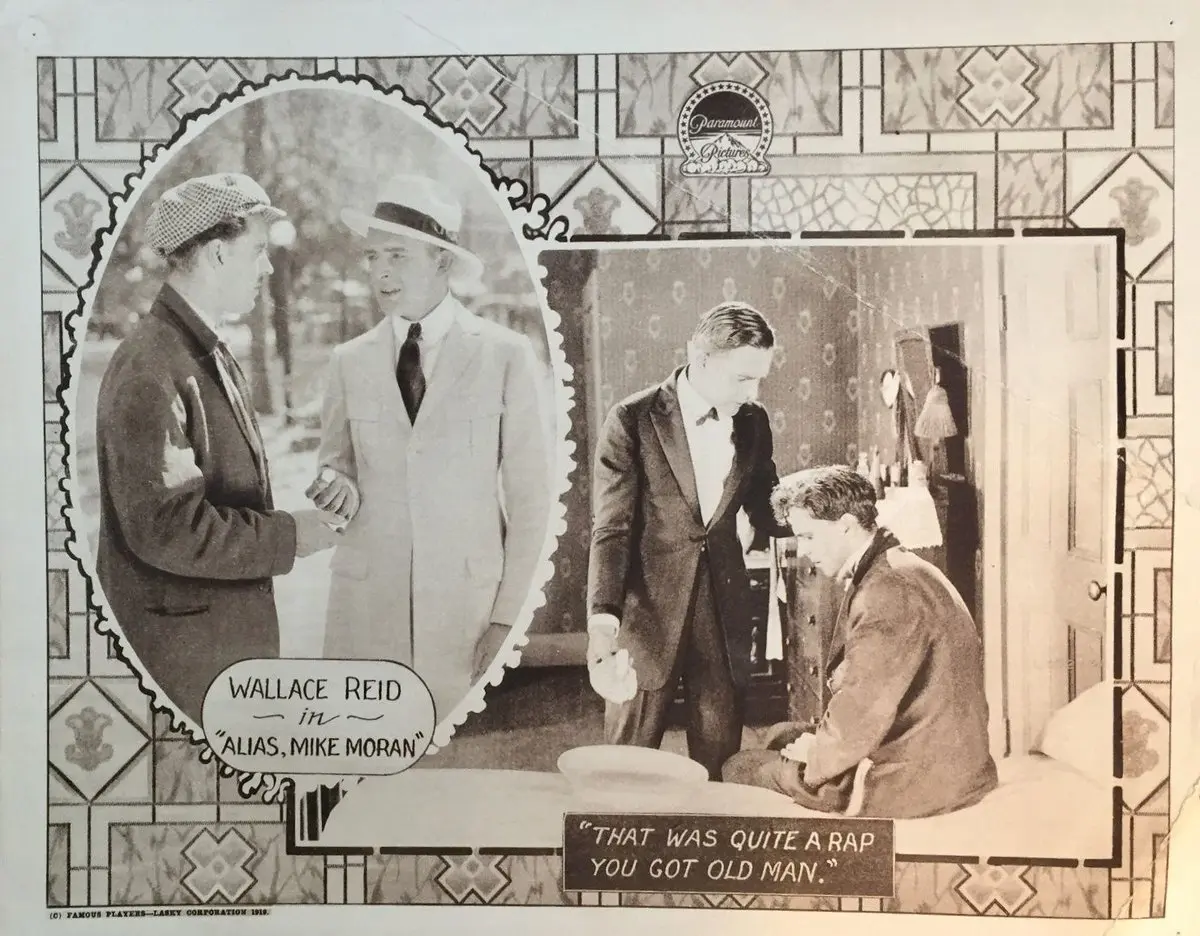
Larry's audacious proposal – that Moran assume his identity and report for duty in his stead – is the film's central conceit. It’s a desperate gambit, born of self-preservation and a profound misjudgment of character and consequence. This act of calculated deception immediately elevates the film beyond a simple romantic comedy or wartime drama, pushing it into the realm of a psychological thriller, albeit a silent one. The tension arises not just from the fear of discovery, but from the moral implications of such a swap. How long can a borrowed identity sustain itself, particularly under the intense scrutiny of military life and the ever-present threat of combat? The screenplay, penned by Will M. Ritchey and Frederick Orin Bartlett, deftly navigates these complexities, building suspense through character-driven conflict rather than overt action sequences.
Wallace Reid, a prominent star of the era, imbues Larry Young with a nuanced performance. He manages to make Larry's self-serving motivations understandable, if not entirely sympathetic. There's a youthful naiveté to his ambition, a sense that he genuinely believes he can outwit the system without truly harming anyone. His transformation, or lack thereof, throughout the initial stages of the film is crucial. He is not a villain, but a man deeply flawed by his own desires. Ann Little, as Elaine Debaux, offers a portrayal that goes beyond the typical damsel in distress. She is the object of Larry's affection, but also a woman with her own expectations and principles, which are gradually challenged as the truth about Larry's character begins to surface. William Elmer's Mike Moran, however, is arguably the film's emotional core. He embodies the classic trope of the 'bad man' seeking redemption, a character whose inherent goodness shines through the veneer of his past. His willingness to sacrifice for a stranger, even one who has essentially hired him to impersonate him, speaks volumes about his moral fortitude, contrasting sharply with Larry's initial self-interest. This thematic exploration of redemption through service resonates strongly with contemporary films like The Measure of a Man, which also delves into questions of moral growth and self-discovery under duress.
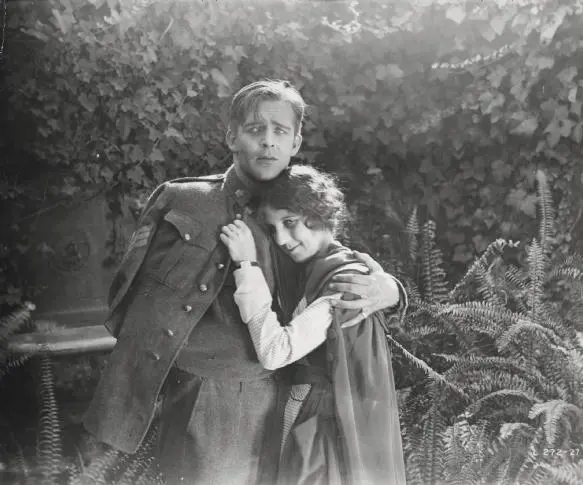
The direction, though uncredited in many records, demonstrates a keen understanding of visual storytelling inherent in silent cinema. The use of intertitles is effective, conveying dialogue and crucial plot points without bogging down the pacing. Close-ups are employed to emphasize emotional states, a technique that was still evolving but already powerful in conveying the internal struggles of the characters. The film's setting, from the bustling department store to the more somber military training camps, is evoked with a sense of authenticity, grounding the extraordinary plot in a believable reality. The pacing is deliberate, allowing the audience to absorb the moral quandaries and character developments, building towards a climax that promises both dramatic tension and emotional catharsis.
Thematically, Alias Mike Moran delves into several profound concepts. The most obvious is the question of identity. What defines a man? Is it his name, his social standing, or his actions? Larry attempts to shed his identity, while Moran attempts to assume one that society has denied him. This exploration of assumed identities and their inherent dangers finds parallels in other early cinematic narratives that toyed with similar concepts of mistaken identity or deliberate impersonation, albeit often for lighter, comedic effect. Here, the stakes are far higher, touching upon life, death, and honor. The film also probes the nature of sacrifice. Moran's willingness to step into Larry's shoes is a profound act of self-sacrifice, contrasting with Larry's initial desire to sacrifice his duty for personal gain. This dichotomy forms the moral backbone of the film, inviting audiences to ponder the true meaning of patriotism and personal responsibility.
Furthermore, the film subtly critiques societal judgments and class distinctions. Larry, the aspiring social climber, is contrasted with Moran, the ex-con. Society's rigid categorizations are challenged as Moran, despite his past, demonstrates a nobility of spirit that Larry initially lacks. This subversion of expectations, where the 'criminal' proves more honorable than the 'respectable' citizen, is a potent commentary on the superficiality of appearances and the inherent biases of the social structure. This theme of challenging preconceived notions about social strata and individual worth echoes in other films of the era, such as Tess of the Storm Country or even Doorsteps, which often highlighted the struggles and virtues found outside the conventional upper echelons of society.
The writers, Will M. Ritchey and Frederick Orin Bartlett, crafted a narrative that, while rooted in melodrama, possesses a surprising degree of psychological depth. They avoid simplistic portrayals of good and evil, instead presenting characters with complex motivations and the capacity for change. The complications that ensue from Larry's scheme are not merely external plot devices; they are often internal, forcing Larry to confront the repercussions of his choices and the true nature of his character. The gradual unraveling of the deception, and the moral awakening it precipitates, is handled with a sensitivity that elevates the film beyond mere entertainment. The screenplay's strength lies in its ability to maintain suspense while simultaneously exploring profound ethical questions, making it a compelling watch even a century later. The film's exploration of wartime duty and personal conviction can also be seen in conversation with other films like Lieutenant Danny, U.S.A., which similarly navigated the complexities of military service and heroism during a period of global conflict.
The supporting cast, including Jean Calhoun, Charles Ogle, Winter Hall, Emory Johnson, and Edythe Chapman, contribute to the film's rich tapestry, each adding layers to the world Larry and Moran inhabit. Their reactions, whether of suspicion, concern, or unwavering support, help to reflect the broader societal attitudes towards duty, class, and morality during wartime. Edythe Chapman, for instance, often played maternal or authoritative figures, lending a gravitas to her roles that would have anchored the more dramatic moments. The ensemble's performances, though silent, are expressive, relying on exaggerated gestures and facial expressions that were the lingua franca of the era, ensuring the emotional beats landed with the audience.
Ultimately, Alias Mike Moran stands as more than just a historical curiosity. It is a testament to the enduring power of storytelling, even in its earliest forms. It’s a film that asks pertinent questions about what it means to be truly honorable, what sacrifices are truly worth making, and whether redemption is possible for those who have strayed from the path. The journey of Larry Young, from a self-absorbed social climber to a man potentially capable of understanding true duty, is a compelling one, made all the more impactful by the silent film's reliance on visual cues and the audience's active engagement. The film doesn't offer easy answers but instead invites contemplation on the complexities of human nature and the profound impact of external events on individual destinies. It's a reminder that even in an era without synchronized sound, cinema had the capacity to explore deep psychological and social themes with remarkable efficacy, leaving a lasting impression on those willing to delve into its rich, silent depths.
The film’s resolution, without giving away specifics, is designed to bring about a sense of justice and earned consequence, but also hope. It acknowledges the difficulties inherent in rectifying past mistakes and the arduous path towards genuine self-improvement. The narrative arc allows for character growth, particularly for Larry, who is forced to confront the ramifications of his initial deceit. The emotional weight of Moran's actions, his quiet dignity, and his unwavering commitment to his adopted role, serve as a powerful moral compass against which Larry's transformation is measured. This exploration of moral fortitude in the face of adversity can be seen in conversation with other films that dealt with societal judgment and individual integrity, such as The Unwritten Law, which often explored the complex interplay between legal statutes and personal ethics.
In an era where films often leaned heavily on overt melodrama, Alias Mike Moran manages to weave a story that feels both timely and timeless. The themes of identity, duty, and redemption are universal, resonating across generations. Its exploration of personal ambition clashing with national exigency remains a powerful narrative, reminding us that the greatest battles are often fought within the human heart. For those interested in the evolution of cinematic storytelling, the star power of Wallace Reid, or simply a compelling drama rooted in a pivotal historical moment, this film offers a rich, rewarding experience, proving that a century later, its silent whispers still speak volumes.
IMDb 5.8
1926
Community
Log in to comment.