DbcultAccessing Vault...
Cult Review
Senior Film Conservator
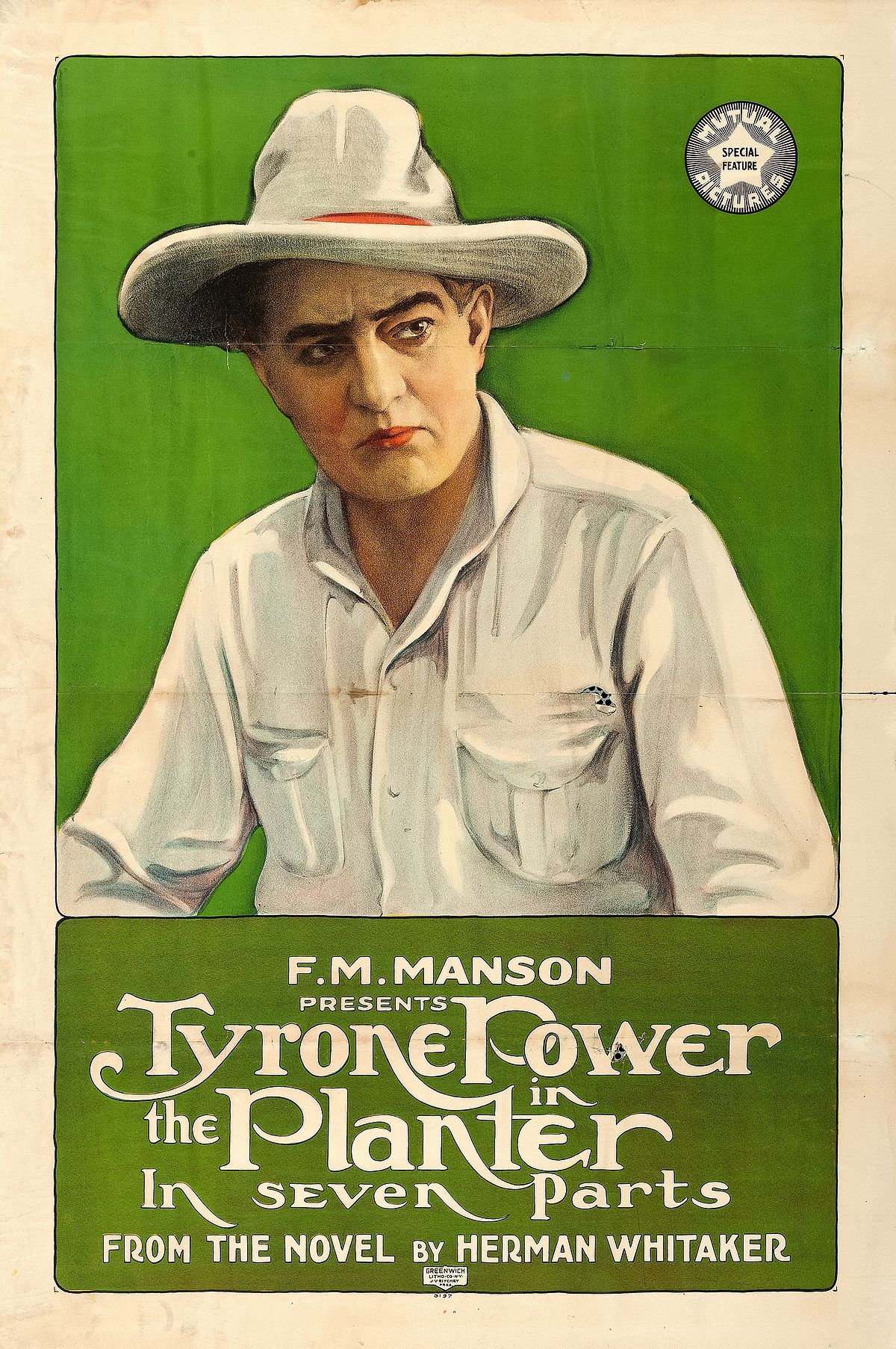
If celluloid could bruise, The Planter would bloom violet and livid green: a 1917 hallucination shot through with fraudulent stock certificates instead of ticker-tape. Forgotten for a century in a salt-mine archive, the picture surfaces now like a fever dream soaked in chlorophyll and blood. Herman Whitaker’s scenario—adapted from his own Saturday Evening Post serial—understands empire as first and foremost a real-estate swindle. The opening reels, all slate-roofed respectability and ticker-ticker jubilance, feel like domestic melodrama until the camera tilts southward and the temperature climbs twenty degrees.
Osgood and Short—played with vaudeville oiliness by Harry Davenport and Tyrone Power Sr.—dart through snowy Boston streets like piranhas in overcoats. Their patter is pure Ponzi, but the film lets us savor the choreography of deception: prospectuses flapping like white pigeons, ink still wet on rubber quotas that exist only in ledgers. Elizabeth Mann (Alice Winchester, regal even in widow’s crepe) listens, enthralled, while her son David—Lamar Johnstone channeling every neurasthenic drawing-room hero—twirls a silk handkerchief instead of a backbone. One curt marriage refusal later, David’s existential wound becomes the plot’s hinge: exile as therapy, plantation as finishing school for the soul.
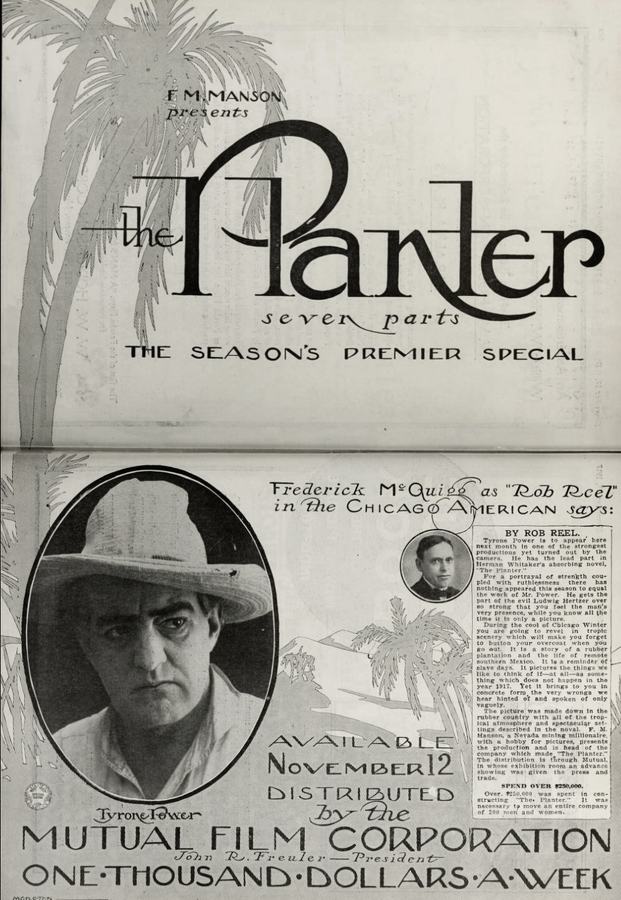
The ocean liner’s dissolve lands us in a studio jungle so saturated it drips. Cinematographer James Donald bathes the frame in chemical turquoise; every frond looks dipped in copper sulfate. Here the film pivots from social satire to Atlantis-tinged colonial nightmare. David steps off the gangplank expecting management; instead he finds a rubbish heap of splintered crates and overseers who keep time with cat-o’-nine tails. The first cut to Ludwig Hertzer—John Nicholson in boots polished to mirror the sky—arrives without fanfare, yet the camera recoils as if pushed by an odor. Hertzer’s introduction is a masterclass in silent villainy: he scrapes mud from his heel onto the back of a crouched worker, never breaking eye contact with David. Title cards need not spell power; the gesture says it.
Whitaker’s script refuses the comforts of monochrome evil. Yes, we get the auction block—Senora Morales (Carmen Phillips) hawking Yaqui flesh like cantaloupes—but we also get Consuela (Lalo Encinas, luminous even in 1917 orthochromatic stock) teaching alphabet to shackled children under a breadfruit tree. Education becomes contraband; letters scratched into plantain leaves are criminal evidence. The film’s most radical shot frames Consuela’s slate in foreground while, behind her, Patricia (Laura Winston) applies lipstick using a machete blade as mirror. Learning and self-fashioning share the frame, both acts of insurgence.
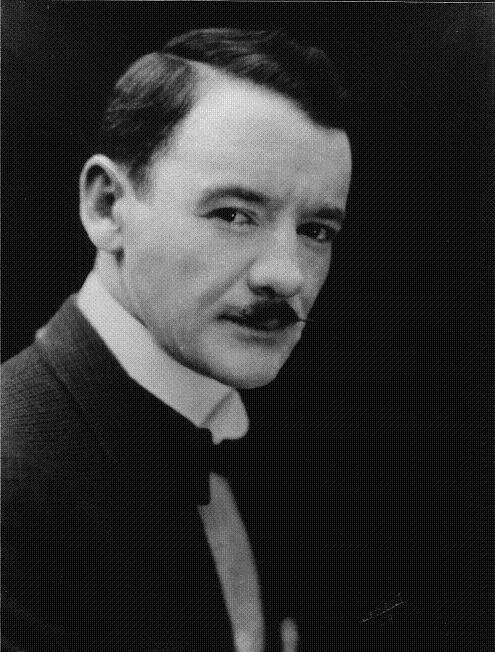
“Tropics rot morals faster than meat,” Andrea whispers, her body a semaphore of invitation.
Andrea—Lucille King in a role that would make Theda Bara blush—embodies the erotic irrationality whites projected onto equatorial latitudes. She dances by torchlight, hips spelling syllables no censorship can translate. David’s capitulation is shot in chiaroscuro: Andrea’s silhouette straddling his lap while off-frame drums syncopate the heartbeat of the revolt we sense is coming. Yet the film complicates conquest. When yellow fever strikes, Andrea loots medicines not for profit but for barter—her body now commodity, now collateral, now covenant. The screenplay’s most sly coup is letting her survive the uprising, pockets full of quinine, striding into the smoke like a shareholder cashing dividends on catastrophe.
Illness sequences in silent cinema usually luxuriate in tremulous hands and lace handkerchiefs soaked with stage blood. Here, fever becomes geopolitical. David’s shivering flesh intercuts with ledger pages curling in humid air; profit literally wilts. Hertzer, inexplicably, turns nurse—his massive frame bent over David’s cot—suggesting that even exploitation demands living bodies to exploit. The juxtaposition is almost comic until you realize capitalism’s caretaker is simply protecting future earnings. Meanwhile, Consuela’s arrival with fresh slaves reframes the sickroom as bazaar: human capital replenishing human capital, virus as auditor balancing the books.
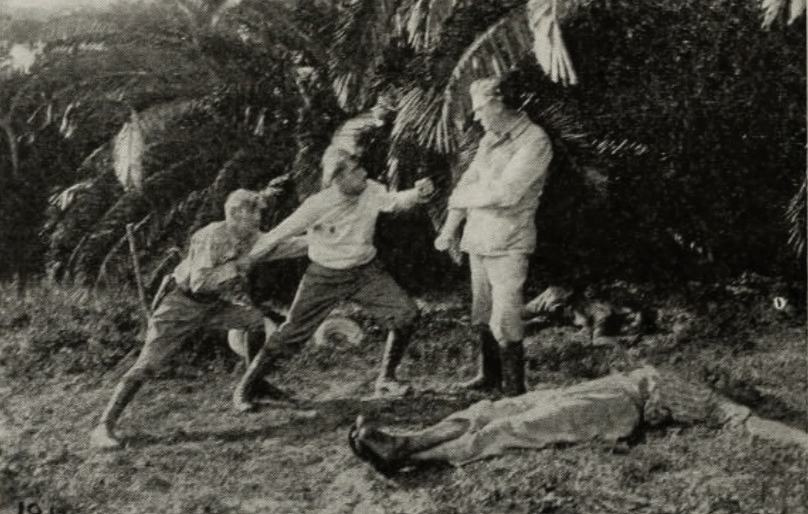
Hertzer’s backstory—bandits ravaged his wife, kidnapped his infant—unfurls in a monologue delivered to a crucifix he’s using as a toothpick. The revelation that Consuela is that stolen child lands like a thunderclap precisely because the film has prepared us through visual rhymes: Consuela and Patricia share the same defiant tilt of chin, same onyx braid. Empire, the film implies, breeds its own nemesis in the cradle. Hertzer’s final attempt to immolate Consuela is not mere sexual revenge but patriarchy's autoimmune response: the asset that grew a conscience must be liquidated.
When revolt erupts, director George Benjamin O’Dell abandons Griffith-style crosscutting for something closer to Soviet mass cinema. The camera plants itself amid canebrake as bodies surge past; we feel the crush of machete-wielding cane-cutters like wheat in a thresher. The Yaqui chief’s abduction of Patricia literalizes the reversal of property: master’s daughter becomes prisoner, the ledger soaked in kerosene and match-struck. Smoke coils across the lens, embers drifting like incandescent stock certificates. The film achieves the rare feat of making conflagration feel both cathartic and cautionary—revolution as audit, arson as quarterly report.
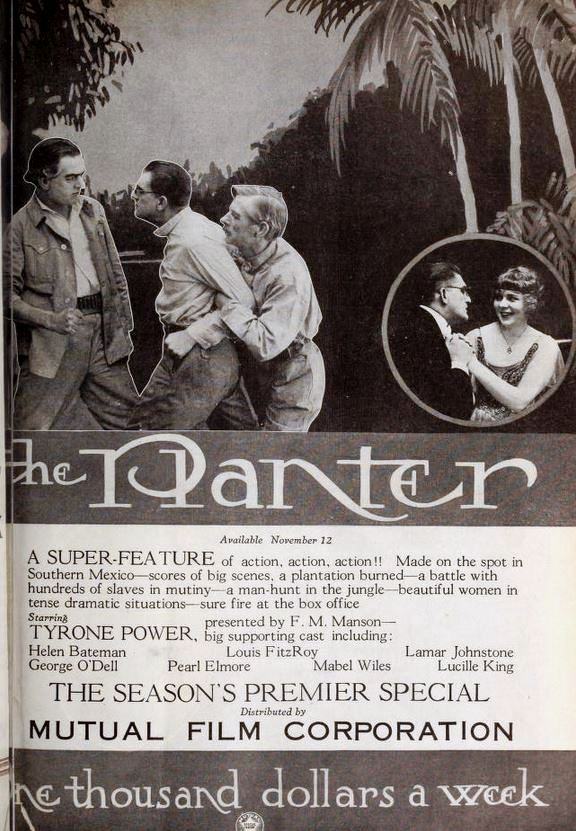
Johnstone’s David begins with the droopy eyelids of a poet who’s misplaced his stanza; by final reel those eyes have hardened to obsidian. The transformation is registered not in histrionic gestures but in how he occupies space—shoulders squared to horizon, gait syncopated to the drum of responsibility. Encinas radiates moral intelligence without succumbing to virginal stereotype; watch how she hesitates before accepting David’s proposal, fingers worrying the hem of her skirt as if testing fabric for authenticity. Nicholson gives Hertzer the exhausted gravitas of a man who’s read every line of King Leopold’s Soliloquy and taken it as investment advice. Even bit players—Pearl Elmore’s mute slave child clutching a broken doll, George O’Dell’s drunken overseer serenading a corpse—breathe with Dickensian particularity.
Restoration notes reveal the original 1917 tinting strategy: amber for New England interiors (the color of old money), viridian for plantation exteriors (the hue of mildewed ambition), crimson for flogging sequences (obvious), and cobalt for night scenes lit only by fever. These colors aren’t decorative; they constitute the film’s moral palette. When David rescues Consuela from the burning hut, the frame flickers between cobalt and crimson—night’s indifference colliding with human cruelty—until the final amber flashback of the Massachusetts parlor, now impossibly distant.
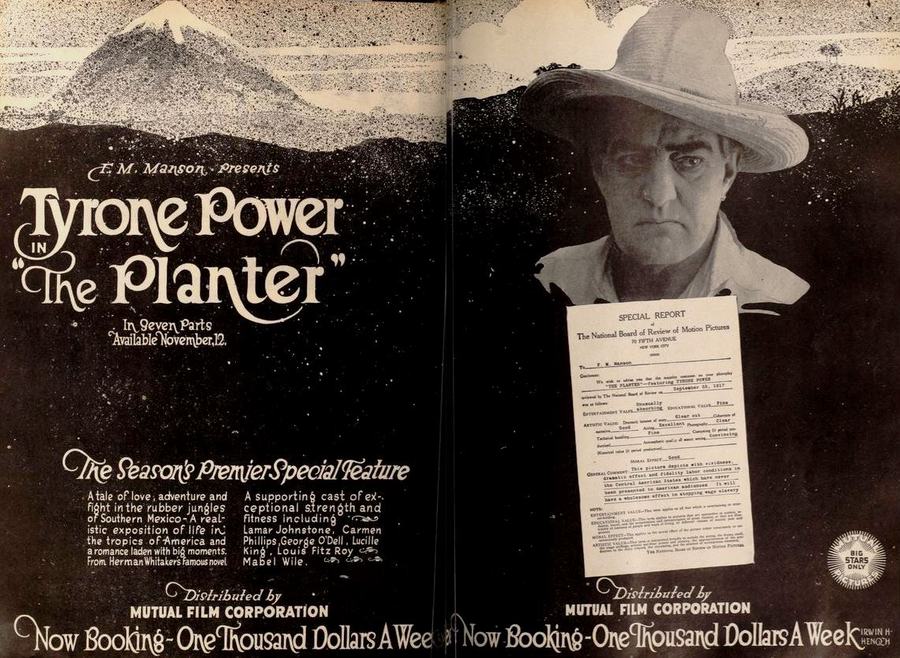
Though no original score survives, the 2018 Library of Congress restoration commissioned Carlos Garibay to reconstruct period-appropriate motifs. Garibay unearthed cues from La Perla (1916) and interpolated Yaqui percussion recorded on location in Sonora. The result—performed live at MoMA—transforms the screening into séance: wooden flutes duet with stroh violin while timpani mimic the heartbeat Hertzer claims not to possess. If you ever get the chance to witness this, arrive early; the pre-show lecture alone justifies the subway fare.
Critics seeking lineage might triangulate between Way Outback’s penal-colony sadism and A Soldier’s Oath’s redemption arc, yet The Planter anticipates Aguirre’s megalomania and Embrace of the Serpent’s post-colonial reckoning. Its DNA even slithers into Doctor Nicholson’s gem-trafficking intrigue. The difference is Whitaker’s refusal to locate grace outside history; miracles here are strictly transactional—paid for in blood or rubber.
Legal limbo—Universal’s 1917 corporate shell dissolved into a mosaic of hedge-fund IP—keeps the picture off streaming platforms. The only extant 35mm elements rest in the Library of Congress Packard Campus, where archivists battle vinegar syndrome one frame at a time. A DCP circulates among repertory festivals; catch it at Pordenone or San Francisco Silent Film Festival if you can. Bootlegs exist, digitized from a 1993 VHS struck for classroom use, but the gamma is crushed and the tints lost to monochrome muck. Hold out for the restored edition; some experiences deserve to be seen without the pixel fog of copyright neglect.
We live in an age where billionaires float stock in Martian colonies that exist only in render farms. The Planter reminds us that every bubble—tulip, sub-prime, crypto—needs a frontier where accountability evaporates faster than sweat. The film’s rubber never drips; its true yield is moral clarity. When David tells the dying Hertzer that Consuela is his daughter, the line lands like a verdict on centuries of extraction: you cannot own what you refuse to love. That the moment arrives in a silent film only amplifies its scream. Listen closely and you’ll hear the echo in every modern boardroom where the ledgers still bleed.
Go find this film—before the jungle reclaims even the memory of its footprints.
IMDb 7.2
1928
Community
Log in to comment.