DbcultAccessing Vault...
6.6/10
Senior Film Conservator
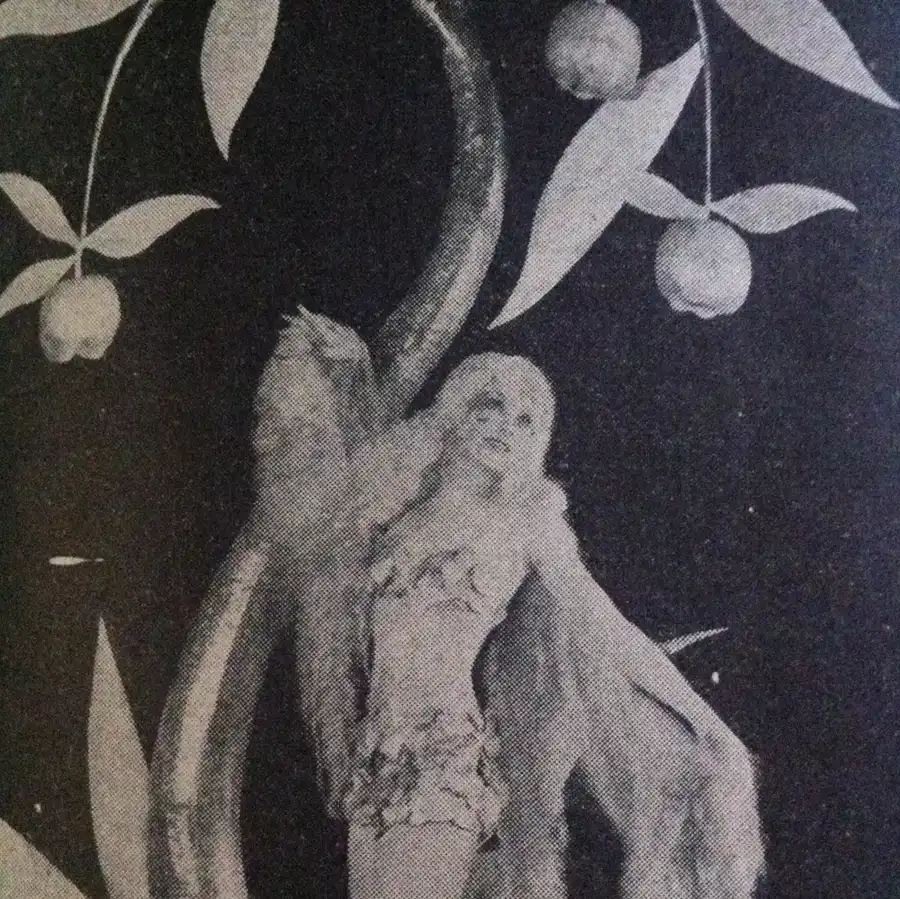
A definitive 6.6/10 rating for a film that redefined the boundaries of cult cinema. The Angel of Broadway remains a cornerstone of transgressive art.
Is The Angel of Broadway worth watching today? Short answer: yes, but with significant caveats. This film is an essential watch for silent film enthusiasts and those curious about pre-Code morality, yet it will likely frustrate viewers accustomed to modern narrative pacing and unambiguous character arcs.
It demands patience, offering a fascinating glimpse into a transitional period of cinema and societal values. This is a film for those who appreciate the nuances of silent acting and the raw, unpolished edge of early dramatic storytelling, but it is not for audiences seeking a fast-paced, easily digestible narrative or clear-cut heroes and villains.
This film works because of Leatrice Joy’s magnetic, layered performance, its surprisingly bold exploration of hypocrisy and genuine faith for its era, and its keen, if sometimes heavy-handed, societal commentary on the allure and emptiness of the entertainment world. It fails because of its occasionally languid pacing, some underdeveloped supporting characters who lean into caricature, and plot contrivances that feel dated to a modern eye. You should watch it if you appreciate the artistry of silent era acting, are intrigued by early cinematic social critiques, and enjoy stories that delve into moral ambiguity rather than offering simple answers.
Victor Schertzinger’s The Angel of Broadway, released in 1927, steps onto the cinematic stage with a premise that, even nearly a century later, still carries a provocative edge. At its core is Babe Scott, portrayed with remarkable depth by Leatrice Joy, a cabaret dancer whose professional ethos is built on shocking her audience. Her latest brainstorm? To burlesque a Salvation Army girl. This isn't just a gimmick; it's a window into the era's fascination with—and often cynical view of—religious and moral institutions.
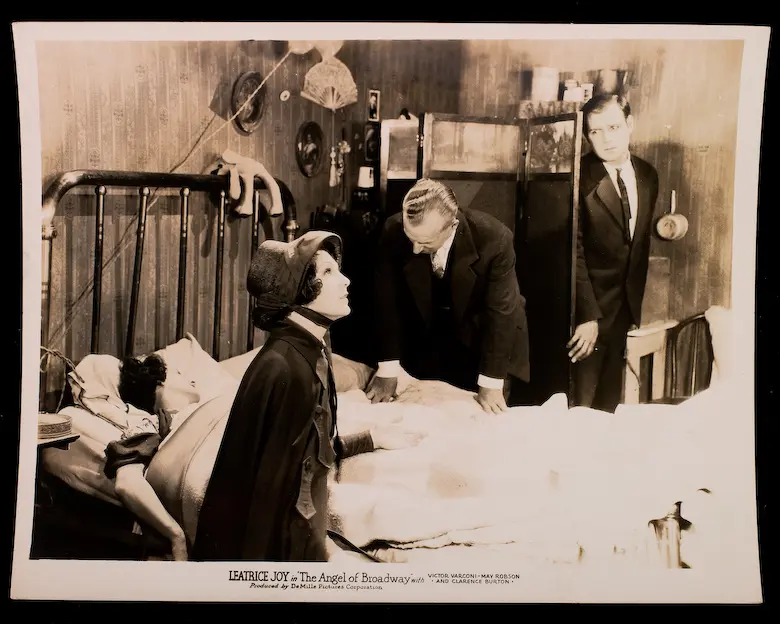
The film’s initial setup is its most potent asset. It establishes Babe not as inherently malicious, but as a product of her environment, constantly seeking novelty in a world that thrives on sensation. Her decision to attend mission meetings on the East Side for 'atmosphere' is a brilliant narrative device. It immediately creates a stark juxtaposition between the glitzy, morally fluid world of the cabaret and the earnest, often desperate, sincerity of the mission. This contrast is not merely visual; it’s thematic, highlighting the film’s central conflict between genuine belief and performative piety.
For its time, this was a remarkably daring concept. To satirize a religious organization, even indirectly, speaks to a pre-Code era that was pushing boundaries, testing the limits of acceptable on-screen content. It’s a subtle rebellion against the moralizing cinema that would soon follow, making it a valuable historical artifact for understanding Hollywood’s evolving relationship with social commentary.
Without Leatrice Joy, The Angel of Broadway would likely fade into obscurity as a curious, but ultimately forgettable, silent drama. It is her performance that elevates the material, injecting Babe Scott with a compelling blend of cynicism, vulnerability, and a nascent moral awakening. Joy doesn't just play a character; she inhabits a complex individual grappling with the superficiality of her world and the unexpected pull of something more profound.
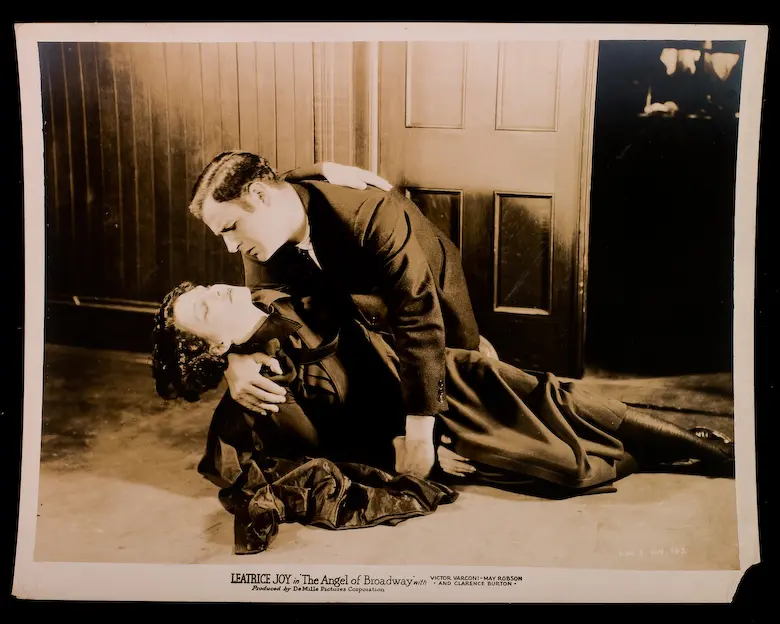
Joy’s ability to convey complex emotions through facial expressions and body language, without the aid of dialogue, is a testament to the power of silent acting. Consider the scenes at the mission: initially, her expressions are a mix of detached observation and thinly veiled mockery. Yet, as she listens to the testimonies, particularly the earnestness of Jerry Wilson (Victor Varconi), a subtle shift occurs. Her eyes, once sharp with judgment, soften, revealing a flicker of curiosity, perhaps even longing. This isn't a sudden conversion, but a gradual, believable cracking of her hardened exterior.
Her stage performance as the burlesquing Salvation Army girl is another masterclass. Joy manages to be both comical and poignant, capturing the absurdity of the act while hinting at the deeper impact her 'research' has had on her. It’s not a simple parody; there's an underlying discomfort, a dissonance that Joy brilliantly communicates. Compared to the more overtly melodramatic performances seen in films like The Show from the same year, Joy's portrayal feels remarkably nuanced and modern in its restraint.
Thematically, The Angel of Broadway delves into the enduring conflict between appearance and reality, and the often-blurry lines between genuine faith and performative piety. Babe’s initial intent to mock the Salvation Army is undercut by her exposure to authentic goodness, embodied by Jerry Wilson. He is the moral compass in a story otherwise populated by opportunists and cynics. Their interactions highlight the film’s central question: where does true value lie?
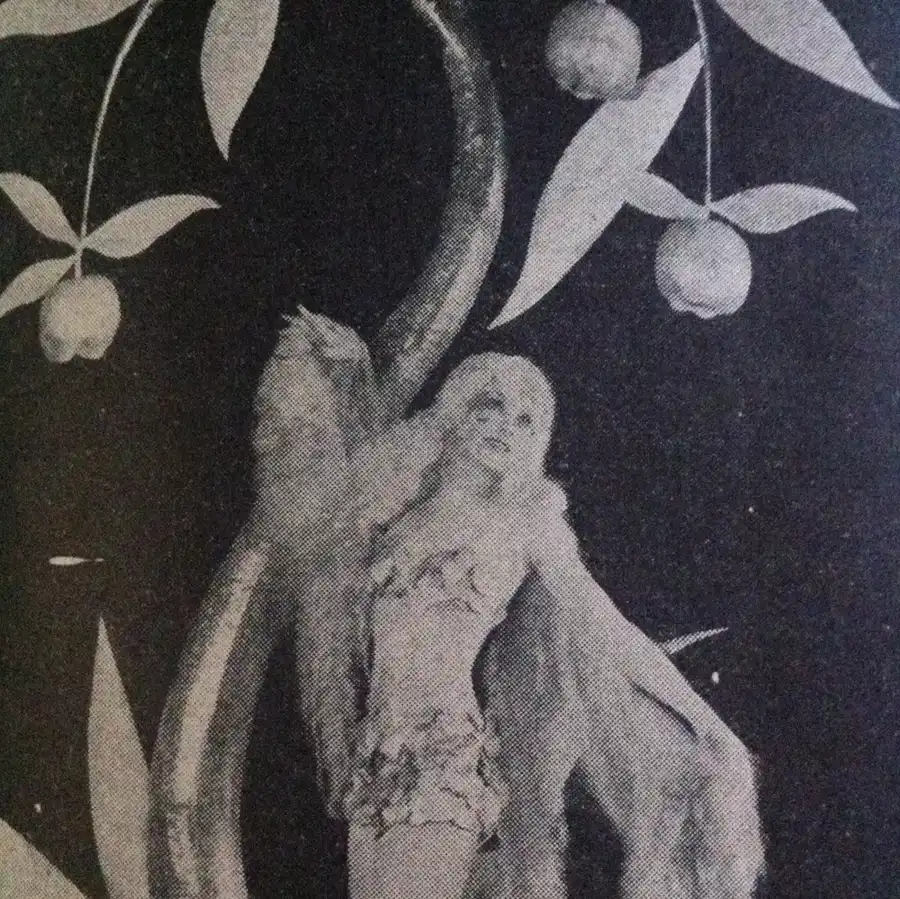
The film is also a potent critique of the entertainment industry’s underbelly. The glamour of the cabaret is stripped away to reveal a world rife with deceit and exploitation. The character of Lonnie, Babe’s lover and colleague, serves as the primary antagonist in this regard. His betrayal—stealing her money and making advances on Big Bertha—is not just a personal slight, but a broader commentary on the predatory nature that could exist beneath the glittering facade of show business. This stark contrast between the mission’s integrity and the duplicity of the cabaret is perhaps the film’s most powerful statement.
It’s a surprisingly complex moral landscape for a silent film. While it doesn't shy away from melodrama, particularly in Lonnie’s villainy, it resists simple judgments. The audience is invited to consider the nuances of Babe’s journey, rather than simply condemn her initial cynicism. The film subtly suggests that the 'performance' of faith can be as compelling, and sometimes as hollow, as the performance on a cabaret stage. This unconventional observation adds a layer of intellectual intrigue to what could have been a straightforward redemption arc.
Victor Schertzinger’s direction in The Angel of Broadway is competent, if not groundbreaking. He demonstrates a clear understanding of visual storytelling, using effective framing to emphasize character isolation or connection. The pacing, while occasionally problematic, generally serves the narrative arc of Babe’s gradual awakening. Intertitles are used judiciously, providing necessary exposition without overwhelming the visual narrative, a skill not always present in silent films of the era.
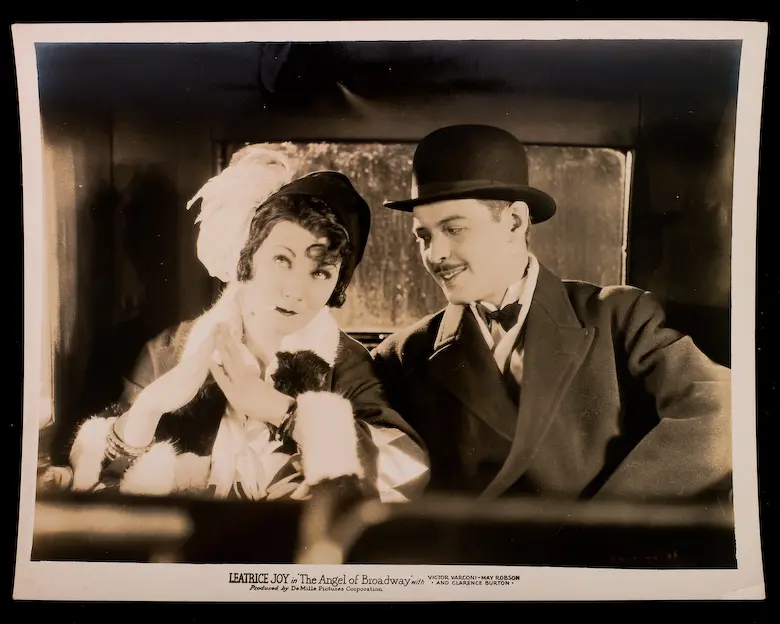
The cinematography, while not reaching the poetic heights of a F.W. Murnau or the gritty realism of a Josef von Sternberg, effectively differentiates the film’s two primary settings. The cabaret scenes are often bathed in a slightly softer, more diffused light, emphasizing the artificiality and allure of the stage. In contrast, the mission scenes and the grittier East Side exteriors utilize harsher, more naturalistic lighting, grounding them in a sense of raw reality. One particular sequence, where Babe first enters the mission, stands out. The camera lingers on her hesitant steps, the stark lighting illuminating her initial discomfort against the backdrop of fervent attendees. It's a simple shot, but it speaks volumes about her internal conflict.
There's a raw energy to some of the club sequences, particularly those featuring Kusell's Dancing Debutantes, which provides a genuine sense of the era's entertainment. Schertzinger manages to capture both the razzle-dazzle and the underlying seediness, painting a comprehensive picture of Babe's professional world. While not overtly experimental, the visual language is clear, purposeful, and largely successful in supporting the film's thematic intentions.
Yes, The Angel of Broadway is worth watching today for several key reasons. Its historical significance as a pre-Code film exploring complex moral themes is undeniable. Leatrice Joy’s performance is a masterclass in silent acting, offering a nuanced and compelling character study.
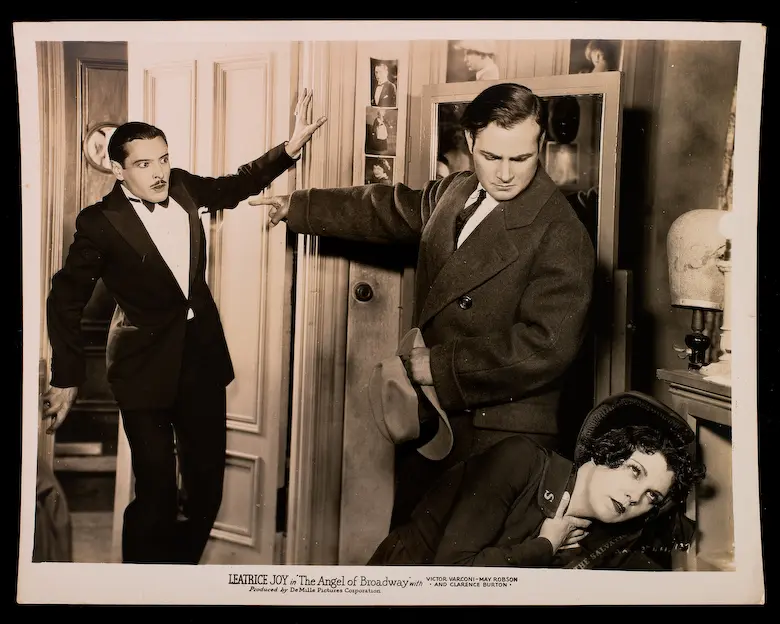
However, it is not a film for everyone. If you struggle with the pacing of silent cinema or prefer narratives with modern sensibilities, you might find it a challenging watch. It demands a certain level of engagement and an appreciation for the cinematic language of a bygone era. For those willing to invest, it offers a unique window into a specific cultural moment.
The themes of authenticity, disillusionment, and the search for meaning remain timeless. While the setting and some of the narrative devices are dated, the core human drama resonates. It’s a film that sparks discussion, rather than just passively entertaining.
Despite its strengths, The Angel of Broadway is not without its flaws, most notably concerning its pacing. There are moments, particularly in the middle act, where the narrative feels like it meanders, lingering on scenes that could have been tightened or trimmed. The initial setup of Babe's cynical pursuit of material is strong, but the subsequent exploration of her internal conflict sometimes loses momentum, relying too heavily on intertitles to convey emotional shifts that could have been achieved more subtly through Joy's performance.
The character of Jerry Wilson, while essential as a moral counterpoint, is somewhat underdeveloped. His honesty is admirable, but he rarely transcends the archetype of the 'good man,' making his interactions with Babe feel less dynamic than they could have been. Similarly, characters like Big Bertha often border on caricature, serving more as plot devices than fully realized individuals. This can pull the viewer out of the more nuanced emotional journey of Babe Scott.
While the film’s melodramatic elements are typical of the era, some of Lonnie’s actions feel overtly theatrical, pushing the boundaries of believability even within the context of silent drama. The swiftness and severity of his betrayal, while serving its purpose in shocking Babe, lacks a gradual build-up that could have made it more impactful. It works. But it’s flawed.
The Angel of Broadway is a fascinating, if imperfect, relic from an exciting period of cinematic transition. While often overlooked in discussions of silent film, it deserves reconsideration, primarily for Leatrice Joy’s extraordinary central performance. She imbues Babe Scott with a raw, relatable humanity that transcends the limitations of its era.
This isn't a flawless film. Its pacing can be uneven, and some of its dramatic flourishes feel undeniably dated. However, its willingness to tackle complex moral questions, its sharp social commentary, and its compelling lead make it more than just a historical curiosity. It’s a film that speaks to the enduring search for authenticity in a world often defined by performance.
For those with an appreciation for silent cinema and a critical eye for historical context, The Angel of Broadway offers genuine rewards. It serves as a stark reminder that even nearly a century ago, filmmakers were exploring themes that continue to resonate today. It’s a bold, human story. And it’s worth your time.
IMDb 5.9
1919
Community
Log in to comment.