DbcultAccessing Vault...
Cult Review
Senior Film Conservator
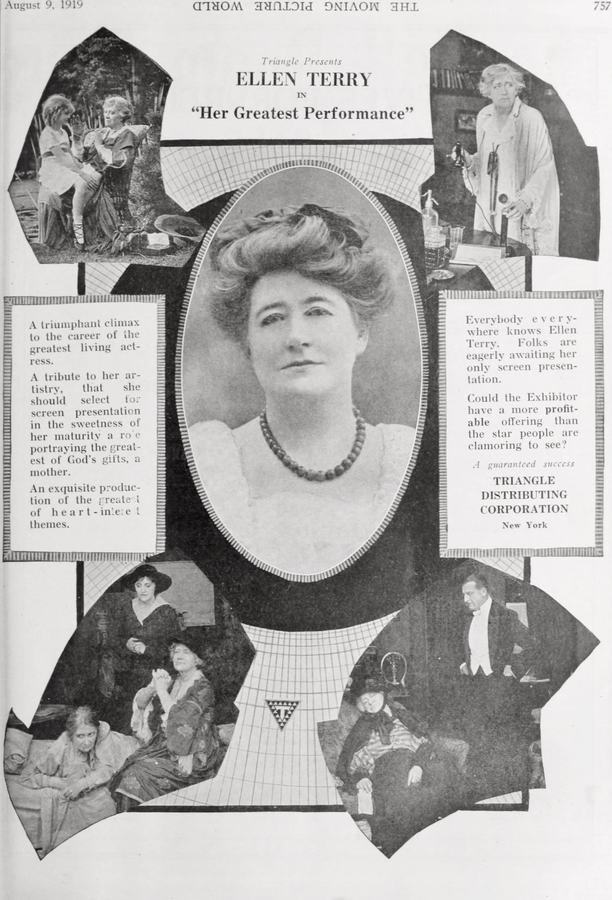
In the annals of cinematic history, certain films resonate not just through their narrative prowess but through the sheer audacity of their premise. 'Her Greatest Performance,' a work penned by the ingenious duo Enid Lorimer and Benedict James, stands as a testament to this very notion. It's a film that eschews the conventional detective procedural for a deeply personal, psychologically charged quest for justice, anchored by a performance that, even in its fictional context, feels monumental. The genius lies in its central conceit: a retired actress, a doyenne of the stage, uses her very craft, her profound understanding of human emotion and theatrical manipulation, to unmask a murderer and save her son. This isn't just a story; it's a meticulously crafted dramatic experiment, a testament to the enduring power of the stage even when transplanted into the most intimate and dangerous of domestic settings.
At the heart of this compelling drama is E. Vivian Reynolds, whose portrayal of the matriarchal figure is nothing short of mesmerizing. Reynolds imbues her character with a quiet strength, a simmering resolve that belies the seemingly frail exterior of a woman of a certain age. Her transformation from celebrated actress to unassuming dresser is a masterclass in subtlety. We see her not merely donning a costume but shedding an identity, adopting a new persona with a precision honed over decades on the boards. The weight of her son's wrongful accusation, the crushing burden of a mother's helplessness, is palpable in every nuanced glance, every carefully modulated gesture. It’s a performance that speaks volumes without needing grand pronouncements, relying instead on the intricate tapestry of silent communication and emotional depth. Reynolds doesn't just play a character; she inhabits a spirit of unwavering devotion, making her every move, every calculated risk, utterly believable. This isn't the bombastic heroism of a conventional protagonist; it's the quiet, almost terrifying, determination of a woman pushed to her absolute limits.
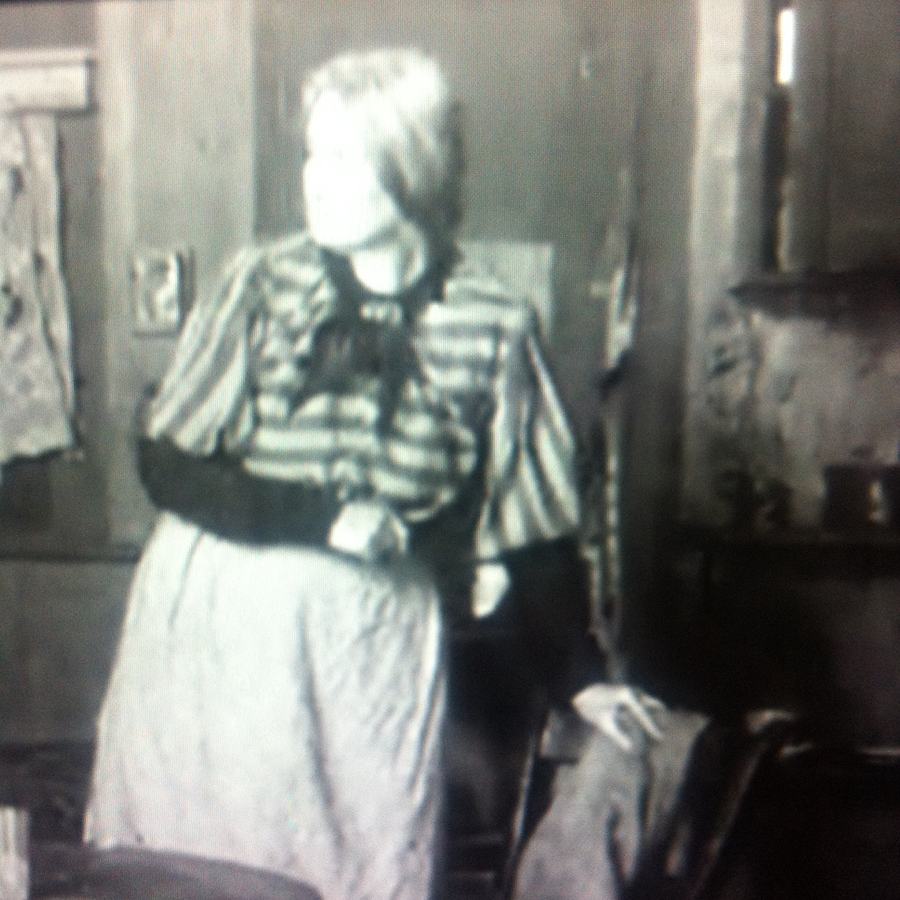
While Reynolds commands the screen, the supporting cast forms a vital ecosystem of suspicion, fear, and revelation. Marjorie Hume, as the likely target of Reynolds' psychological warfare, delivers a performance that oscillates between an unsettling normalcy and flashes of profound unease. Her gradual unraveling, the subtle shifts in her demeanor as Reynolds' manufactured 'ghosts' begin to haunt her, is chillingly effective. Fred Rains and James Lindsay, often portraying figures of authority or societal pillars, here contribute to the film's pervasive sense of unease, their presence adding layers to the mystery, blurring the lines of who can truly be trusted. Edith Craig and Gladys Mason, in their respective roles, provide glimpses into the domestic machinery, inadvertently becoming witnesses or foils to the grand deception unfolding around them. Harry Lofting and Barbara Hannay contribute to the narrative's texture, each adding a brushstroke to the canvas of a household fraught with unspoken tensions. Nelson Ramsey, Joan Morgan, and Dennis Neilson-Terry round out this formidable ensemble, each character serving as a piece in the elaborate puzzle Reynolds is attempting to solve. Even the legendary Ellen Terry, though perhaps in a more symbolic or cameo capacity, lends an aura of theatrical grandeur, subtly reminding us of the rich stage heritage from which Reynolds' character draws her formidable power. The collective performances create a claustrophobic atmosphere, a pressure cooker where the truth is slowly, painfully, brought to a boil.
Lorimer and James's screenplay is a marvel of intricate plotting, designed to keep the audience on the edge of their seats, constantly questioning the authenticity of every interaction. The narrative doesn't simply present a mystery to be solved; it immerses us in the process of its unearthing, seen through the eyes of a protagonist who is herself an architect of illusion. The tension builds not through jump scares or overt threats, but through the slow, methodical erosion of the murderer's composure. The retired actress, in her humble guise, employs classic theatrical techniques – misdirection, dramatic pauses, carefully planted suggestions – to create an environment where the culprit's own guilt becomes their tormentor. It’s a brilliant inversion of the typical detective story, where the 'investigator' doesn't seek clues but rather constructs a psychological trap, using the very tools of performance that once brought her fame. The film’s pacing is deliberate, allowing the psychological pressure to mount incrementally, making the eventual confession not a sudden revelation but an inevitable, cathartic release. This approach to suspense distinguishes it from more action-oriented thrillers like Bullets and Brown Eyes, preferring the slow burn of internal conflict to external spectacle.
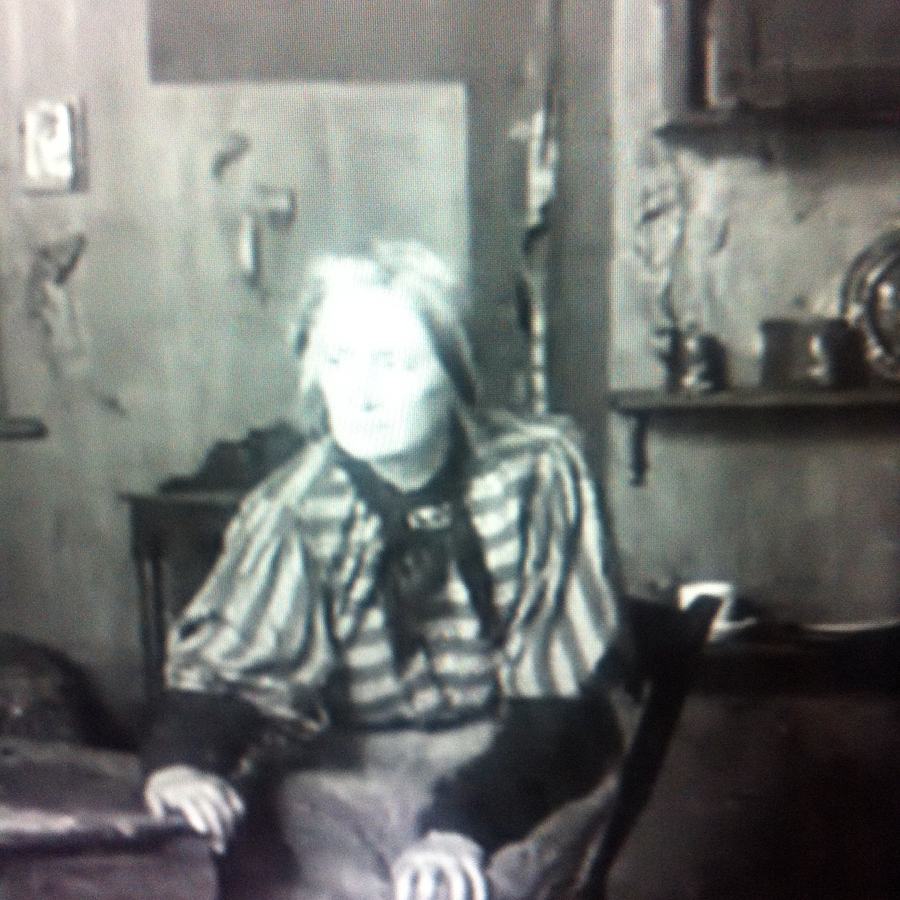
'Her Greatest Performance' delves deeply into several resonant themes. Foremost among them is the unyielding power of maternal love. The lengths to which Reynolds' character goes, the risks she undertakes, are all born from an primal instinct to protect her offspring. This isn't merely about clearing a name; it's about restoring a life, reclaiming innocence from the clutches of injustice. This theme echoes the profound sacrifices seen in narratives like Les Misérables, Part 1: Jean Valjean, where personal suffering is endured for the sake of another's salvation. Secondly, the film brilliantly explores the nature of performance itself. What does it mean to act? Is it merely mimicry, or is it a profound understanding of human nature, a capacity to embody and manipulate emotion? Reynolds' character demonstrates that the stage is not confined to a theater; it can be any space where human interaction unfolds, where perception can be shaped and reality bent to a purpose. Her 'greatest performance' is not for applause but for absolution. This exploration of identity and role-playing, while distinct in its context, carries a certain resonance with the complex character studies found in films such as Anfisa, where characters navigate treacherous personal landscapes through carefully constructed facades.
The film also grapples with the elusive concept of justice. In a system that has failed her son, the protagonist takes matters into her own hands, becoming judge, jury, and executioner of a psychological torment designed to extract the truth. This vigilante justice, while morally ambiguous, is presented as a necessary evil, a desperate measure when conventional avenues have proven futile. It challenges the audience to consider the boundaries of right and wrong, and whether the ends can justify the means when a life hangs in the balance. The tension between societal law and personal morality forms a compelling undercurrent, making the film more than just a thriller but a philosophical inquiry into the nature of retribution and redemption.
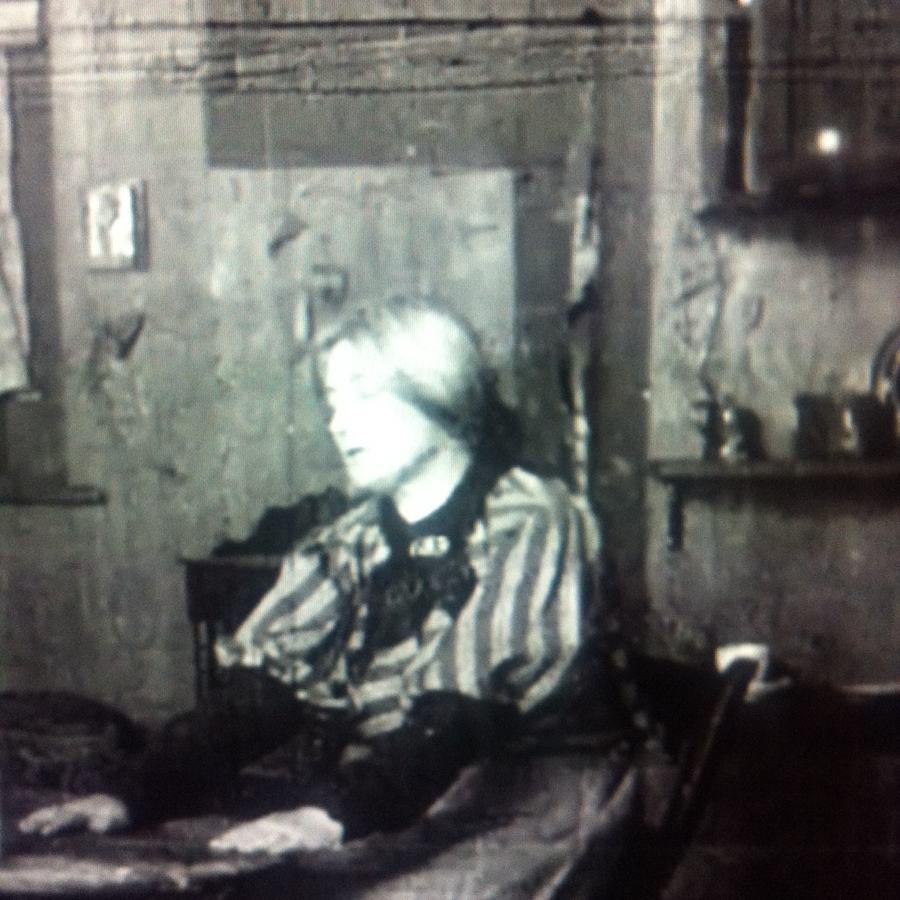
While details of the specific directorial choices might be lost to the mists of time for some older films, 'Her Greatest Performance' undoubtedly relied on astute visual storytelling to amplify its psychological intensity. The use of close-ups to capture Reynolds' subtle expressions and Hume's increasing agitation would have been crucial. The setting, likely a stately but confined domestic space, would have contributed to the film's suffocating atmosphere, mirroring the trap being laid. The implied staging within the murderer's home, the 'ghosts' conjured by the actress, would have been realized through clever editing and perhaps nascent special effects, designed to disorient and terrify the guilty party. One can imagine chiaroscuro lighting employed to heighten the drama, casting long, menacing shadows that reflect the darkness lurking within the human psyche. The film’s ability to conjure such an intense mood with the technological limitations of its era is a testament to the power of creative ingenuity.
In an era where many films focused on more straightforward narratives, 'Her Greatest Performance' carved out a niche for its sophisticated psychological approach. It stands as a precursor to later thrillers that explore the fragility of the human mind and the lengths to which individuals will go for truth. Its influence, though perhaps subtle, can be felt in subsequent works that prioritize character-driven suspense over overt action. While not as overtly adventurous as The Flying Torpedo, or as grand in scale as Cetatea Neamtului, its impact resonates deeply within the genre of psychological drama. The film's enduring appeal lies in its timeless themes: the agony of false accusation, the burning desire for vindication, and the extraordinary measures a mother will undertake to protect her child. It reminds us that sometimes, the most profound and impactful performances happen not on a grand stage, but in the quiet, desperate corners of life, where the stakes are immeasurable and the audience is but one terrified soul.
The writers, Enid Lorimer and Benedict James, deserve immense credit for crafting a narrative that is both profoundly moving and intellectually stimulating. Their ability to weave together a compelling mystery with such deep emotional undercurrents is what elevates 'Her Greatest Performance' beyond mere genre fare. They understood the power of human vulnerability and the potent force of a mother's will. The film’s structure, building relentlessly towards that climactic confession, showcases a masterful understanding of dramatic tension. It's a testament to the fact that compelling storytelling doesn't always require elaborate special effects or sprawling landscapes; sometimes, all it takes is a powerful idea, a few well-drawn characters, and a suffocating sense of impending revelation. Much like the intricate web of deceit and consequence in The Crimson Stain Mystery, 'Her Greatest Performance' thrives on its meticulously constructed narrative, drawing the audience into its psychological maze. The film's capacity to evoke such strong emotions and provoke thought ensures its place as a significant, if perhaps understated, contribution to early cinema.
In conclusion, 'Her Greatest Performance' is far more than a simple murder mystery. It is a profound exploration of human nature, a thrilling study of psychological manipulation, and an unforgettable portrayal of a mother's unwavering love. E. Vivian Reynolds delivers a performance that transcends the confines of the screen, leaving an indelible mark on the viewer's psyche. The film stands as a powerful reminder that the greatest dramatic acts are often those performed not for fame, but for the most deeply personal and desperate of reasons. It’s a compelling argument for the enduring power of classic cinema to explore complex human emotions with nuance and devastating impact. For anyone seeking a film that challenges the mind and stirs the soul, 'Her Greatest Performance' remains an essential viewing, a masterclass in suspense and human drama, proving that true artistry can indeed be the ultimate weapon in the pursuit of truth.
IMDb 6.1
1934
Community
Log in to comment.