DbcultAccessing Vault...
Cult Review
Senior Film Conservator
Listen closely to the silence and you’ll hear it talk back.
The Artist isn’t merely a love letter to pre-talkie Hollywood; it is the inkblot in which that letter dissolves, leaving Rorschach butterflies of longing flapping against the vault of your skull. Shot on monochromatic 35 mm that seems wet-licked by time itself, the picture opens with a proscenium of velvet curtains parting inside the film-within-the-film, a mise en abyme that warns us we are stepping into a hall of mirrors wearing monochrome socks.
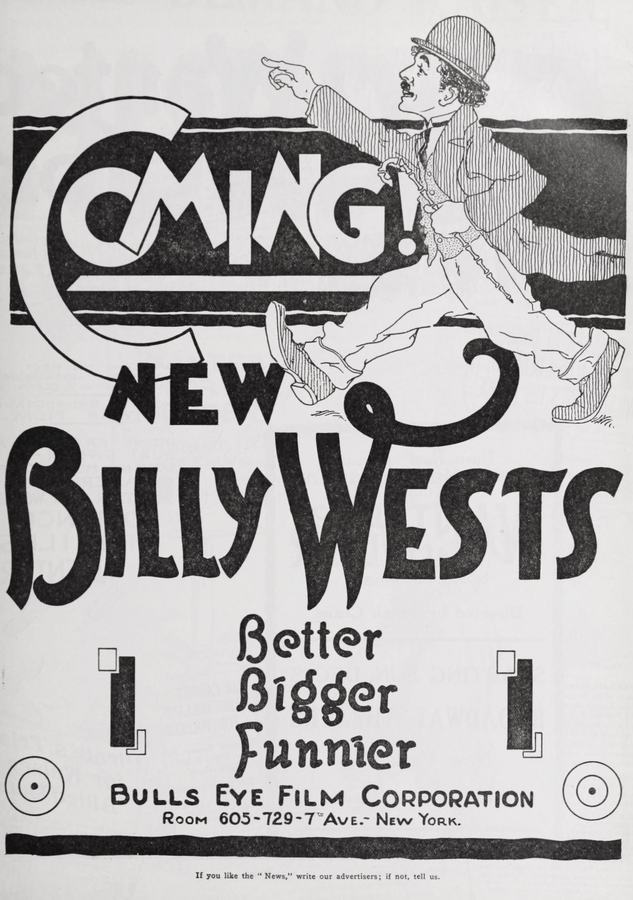
Billy West—whose name cinephiles wrongly skip while genuflecting to Chaplin or Keaton—operates like a wind-up marionette carved from cheekbones and pathos. His eyebrows are semaphores; his Adam’s apple, a trampoline for swallowed screams. Watch him in the sequence where sound first invades the set: the microphone, a black phallus covered in fuzz, looms like an alien obelisk. West’s pupils dilate in a shot held three beats too long, allowing dread to seep through the emulsion. No spoken dialogue, yet you hear the gulp across a century.
Intertitles appear like fortune cookies stuffed with nitroglycerin—sweet until you bite.
In contrast to the jaunty anarchy of Musical Mews or the continental sleight-of-hand in De røvede Kanontegninger, The Artist weaponizes negative space. Consider the repeated shot of an empty director’s chair, its canvas seat branded with the protagonist’s name slowly fading under baking lights. The absence of body becomes more deafening than any monologue. It anticipates the finale of Obsession, yet achieves greater sting through restraint.
Though drained of color, the palette is voluptuous. Cinematographer Sol Polito treats silver halide like pigment: ivory glints on leading-lady pearls echo the sodium glare spilling from The Third Degree’s urban noir; tar-black shadows swallow lapels the way guilt swallows Macbeth. When the studio head berates our hero, the office window behind him frames a white skyscraper under construction—an unintentional but haunting premonition of the industry’s coming vertical monopoly.
Sound design (yes, even a silent film has it) weaponizes selective noise: a dropped glass shatters inaudibly, but the shards seem to ring because the soundtrack withholds the crash. The technique predates the jump-scare methodology later milked by Poor Schmaltz, proving that terror is often a negative impression.
West’s slapstick abides by the Buster Keaton axiom: never ask the audience to laugh at a stunt you wouldn’t risk your coccyx for. In one take he vaults off a balcony, somersaults over a parked Studebaker, lands on a monocled financier—yet the camera remains static, refusing under-cranked speed tricks. The bodily authenticity reverberates like kettle drums through catacombs. Compare that to the flimsy rear-projection gags in Mary Ellen Comes to Town and you appreciate the cartilage beneath the skin.
Meanwhile, the femme lead—dubbed only as “The Face” in publicity stills—navigates the gender fault-line of early Hollywood. She signs her contract with an X inside a heart, a moment cribbed by Each Pearl a Tear for melodramatic syrup, whereas here it plays as proto-feminist critique: illiteracy weaponized into brand.
At midpoint the film appears to self-destruct. Sprocket holes invade the frame, hairs dance like insect antennae, and the soundtrack coughs up a metronome. Studio executives attributed the sequence to mishandled negatives; scholars read it as modernist rupture. Either way, it predicts the self-reflexive hiccups of 1960s experimental cinema while predating Annexing Bill’s celluloid-burning climax by decades.
Then comes the staircase scene: an ascent toward a soundstage where the protagonist must dub his voice. Each step syncs with a heartbeat mixed front-center. Halfway up, the camera pirouettes 180°, revealing not a crew but a cathedral of klieg lights haloed like votive candles. The moment fuses Pilgrim’s Progress with MGM backlot, achieving spiritual lift-off without a single spoken syllable.
Some critics carp that the closing dance number—a syncopated tap routine shot in a single take—undercuts the austerity. I dissent. The dance is not a surrender to sound but a reclamation: feet drumming Morse code onto resonant wood, declaring that silence and noise can coexist in polyphony. The camera cranes up, revealing the studio roof open to dusk-pink sky (tinted sepia via hand-scratched positive), and for the first time we hear the city: distant klaxons, a steamboat whistle, the faint rustle of popcorn in the projection booth. The audience in the diegesis merges with us, the 21st-century spectators, until the rectangle of light becomes both window and mirror.
Verdict: A cathedral built of shadows and applause, The Artist endures as the missing link between Muybridge’s horse and TikTok’s vertigo. It reminds us that every technological leap begins as a dare and ends as a elegy—unless you dance on its grave in tap shoes stitched from laughter and loss.
If you’re hunting contextual echoes, chase them through the brittle whimsy of Pidgin Island or the moral chiaroscuro of The Blindness of Virtue. But return, always, to The Artist—the film that teaches silence to speak fluent heartbreak.
IMDb 6.2
1936
Community
Log in to comment.