DbcultAccessing Vault...
Cult Review
Senior Film Conservator
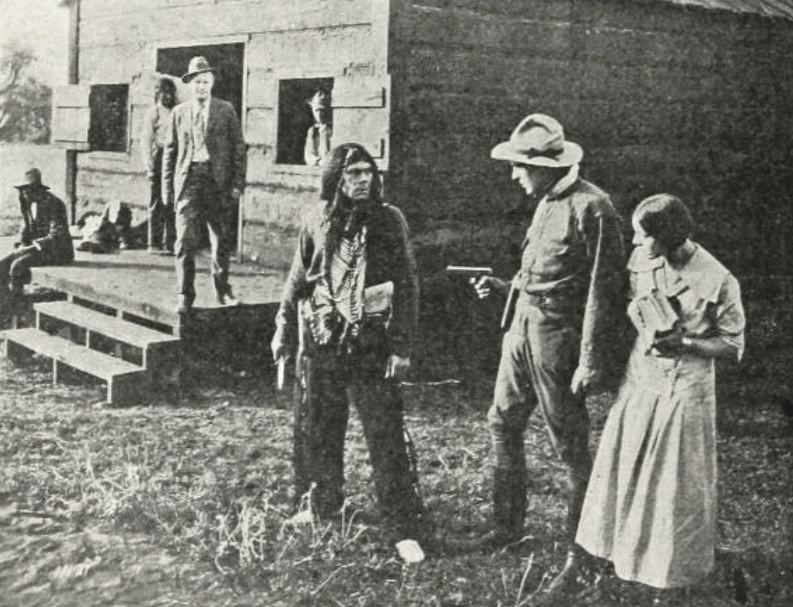
Stepping back into the early cinematic landscape, 'The Squaw Man's Son' emerges not merely as a silent film artifact, but as a vibrant, emotionally charged narrative that speaks to the perennial struggles of identity, justice, and the often-conflicting demands of the heart. This isn't just a story; it's a sweeping epic of a man caught between worlds, a testament to the era's storytelling prowess, even without spoken dialogue. The film, penned by Charles Maigne and Edwin Milton Royle, transcends its time, offering a rich tapestry of human experience, from the corridors of English aristocracy to the rugged, often exploited, heartland of Native American territories. It’s a drama that asks profound questions about honor, sacrifice, and what it truly means to belong.
At the core of this compelling drama is Hal, portrayed with a compelling blend of gravitas and vulnerability by Donald Bowles. Hal’s journey begins in England, where he is tethered to a life of inherited privilege and a marriage to Edith, a union that, even in its quietude, hints at underlying fissures. Yet, the call of his heritage, the unspoken pull of his Indian mother's land, proves irresistible. This initial departure isn't merely a geographical shift; it's a profound spiritual migration, an attempt to reconcile the disparate halves of his identity. He seeks not escape, but integration, a path to understanding the roots that run deeper than any aristocratic lineage. His decision to leave his wife and estate is a bold declaration, a rejection of superficiality in pursuit of authenticity. This struggle for identity, a common thread in human experience, is rendered with potent visual storytelling, inviting audiences to ponder their own sense of belonging. The quiet turmoil in Bowles’s expressive eyes communicates volumes where words are absent, painting a portrait of a man wrestling with the very essence of his being.
Upon his return to the American West, Hal is immediately thrust into a heated conflict that elevates the film beyond a mere personal drama. He finds himself a staunch advocate for the rights of indigenous communities, whose land is coveted by the rapacious asphalt trust. Standing as the primary antagonist is David Ladd, the reservation agent, whose outwardly official demeanor masks a venal connivance with the trust. Clarence Geldert imbues Ladd with a chilling blend of bureaucratic authority and underhanded malice, making him a truly detestable figure. This segment of the narrative resonates with a stark realism, reflecting the historical injustices perpetrated against Native American populations. Hal's unwavering commitment to justice, his readiness to challenge systemic corruption, positions him as a heroic figure, not merely for his personal quest, but for his profound moral compass. The film, in its depiction of this struggle, touches upon themes explored in other dramas of the era, where the common person battles powerful, unseen forces. While not as overtly political as, say, Public Opinion, 'The Squaw Man's Son' uses its narrative to highlight the often-ignored plight of marginalized communities, making a powerful, if silent, statement against exploitation. The visual language of the era, with its reliance on stark contrasts and exaggerated gestures, effectively conveys the moral chasm between Hal and Ladd.
Amidst the legal battles and cultural clashes, Hal's heart finds an unexpected, profound connection with Wah-na-gi, a Carlisle graduate portrayed with graceful strength by Anita King. Wah-na-gi is no tragic stereotype; she is an educated, empowered woman, committed to her community through her work at the agency school. Their burgeoning love story is depicted with a tender earnestness, a beacon of hope in a challenging world. However, the shadow of Hal's existing marriage to Edith looms large. His unwavering commitment to honor, even in the face of his heart's deepest desires, becomes his greatest burden. He cannot conceal his marital status from Wah-na-gi, a testament to his innate integrity, but also a source of immense anguish. This love triangle, fraught with moral complexity, forms the emotional core of the film. It's a classic cinematic dilemma, where personal happiness is pitted against societal expectations and individual codes of conduct. The silent film medium excels in conveying such internal conflicts through nuanced facial expressions and body language, making the audience feel every pang of Hal’s impossible choice. The depth of Wah-na-gi's character, her intelligence and commitment, elevates her beyond a mere romantic interest, making her eventual despair all the more poignant.
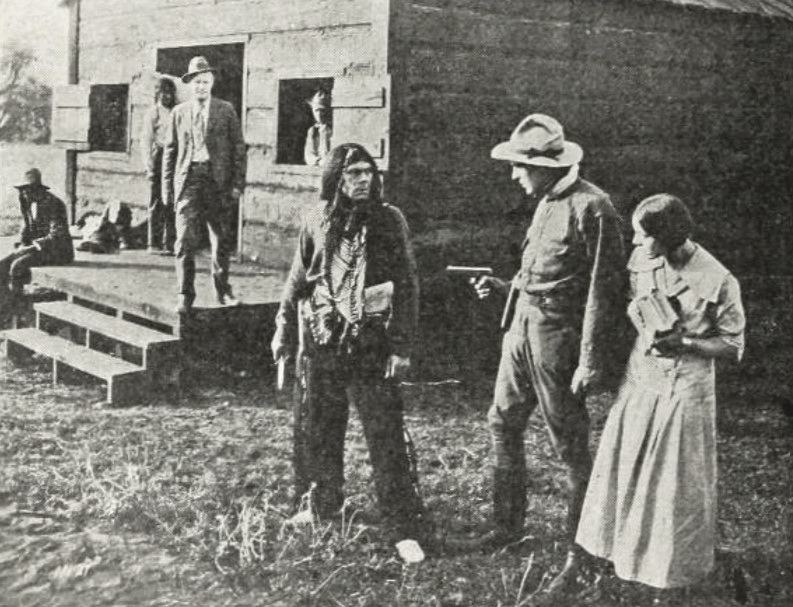
The death of his father necessitates Hal's return to England, where he assumes the title of Lord Effington. This transition, from the open expanses of the American West to the restrictive confines of aristocratic British society, underscores his dual identity. Here, he discovers Edith's affections have shifted to Lord Yester, and she desires a divorce. Initially, this news offers a glimmer of hope, a potential release from his marital bonds that would free him to pursue a life with Wah-na-gi. Mabel Van Buren, as Edith, portrays a woman of fragility and desperation, far from a villainous figure. The narrative takes a darker turn with the revelation of Edith's crippling morphine addiction. The family physician's grim prognosis – that Hal's presence might be her only salvation – forces him into an agonizing decision. His honor, once a source of personal pride, now becomes a cruel tether, binding him to a dying woman out of a sense of duty, even as his heart yearns for another. This tragic subplot adds layers of complexity, exploring themes of addiction and the often-unseen suffering within privileged circles. It’s a stark reminder that affliction knows no social boundaries, and Hal's sacrifice speaks volumes about his character. The film doesn't paint Edith as simply a barrier to Hal's happiness, but as a deeply troubled individual deserving of compassion, complicating the audience's emotional alignment.
Returning to America, still bound by his promise to Edith, Hal is forced to deliver the crushing news to Wah-na-gi that he cannot leave his wife. The scene, undoubtedly rendered with profound visual anguish, pushes Wah-na-gi to the brink of despair. Convinced that her love is an impossible dream, she retreats into the unforgiving snow, intent on ending her life by the grave of Hal’s mother. This act of profound desperation, a silent scream of a broken heart, is a testament to the film's melodramatic power. Just as hope seems to vanish, a message arrives – Edith has succumbed to her morphine addiction. The timing is both tragic and dramatically perfect. Freed from his impossible vow, Hal embarks on a desperate, heart-pounding race through the snow, a literal and metaphorical journey to reclaim his future and save the woman he loves. The climax, with Hal battling the elements to reach Wah-na-gi before it's too late, is a classic cinematic trope, yet it's imbued with a raw emotional intensity that transcends cliché. When he finally overtakes her, his plea for her hand in marriage is not just a proposal, but a promise of a new beginning forged in the crucible of shared suffering and enduring love. The visual poetry of the vast, snowy landscape against the urgent human drama would have been particularly striking in the silent era, amplifying the stakes and the emotional resonance of the final moments. This kind of dramatic tension and last-minute rescue can be seen in other high-stakes dramas of the period, albeit with different contexts, such as the climactic sequences in The Pursuing Vengeance or the moral quandaries faced in The Three Godfathers, where characters are pushed to their absolute limits.
'The Squaw Man's Son' is more than a romantic melodrama; it's a rich exploration of complex themes that remain relevant today. The clash between cultures – the rigid expectations of English aristocracy versus the spiritual freedom and community ties of Native American life – is central. Hal's struggle to navigate these worlds speaks to the universal quest for identity in a globalized society. The film also boldly tackles issues of social justice, highlighting the exploitation of indigenous lands and the corruption of those in power. David Ladd's character serves as a stark reminder of how greed can pervert authority. Furthermore, the portrayal of Edith's morphine addiction, while perhaps melodramatic by modern standards, was a significant depiction of a serious social issue of the time, offering a glimpse into the hidden suffering within society. The themes of duty versus desire, honor versus personal happiness, are timeless, forcing characters and audience alike to confront difficult moral choices. The narrative, with its focus on a cross-cultural romance, foreshadows the complexities explored in later films like An International Marriage, though 'The Squaw Man's Son' imbues its story with a deeper sense of tragic sacrifice and cultural responsibility. The film’s ability to weave together personal drama with broader societal commentary is a testament to the sophisticated storytelling present in early cinema.
The success of 'The Squaw Man's Son' owes much to its dedicated cast. Donald Bowles’s portrayal of Hal is pivotal, his expressive face conveying a kaleidoscope of emotions – longing, duty, despair, and ultimately, joy. Anita King as Wah-na-gi crafts a character of dignity and resilience, making her eventual breakdown all the more impactful. Mabel Van Buren brings a nuanced vulnerability to Edith, ensuring she is seen as a tragic figure rather than a mere obstacle. Supporting roles by Clarence Geldert as the villainous Ladd, Frank Lanning, Raymond Hatton, Ernest Joy, Wallace Reid, Dorothy Davenport, and Lucien Littlefield all contribute to the film’s rich dramatic texture. These actors, working within the constraints and expressive opportunities of silent cinema, mastered the art of conveying complex inner lives through gesture, posture, and facial expression. Their performances are a masterclass in the craft of silent acting, demonstrating how powerfully a story could be told without a single spoken word. The collaborative vision of writers Charles Maigne and Edwin Milton Royle, who crafted such a detailed and emotionally resonant plot, provided a robust framework upon which these performances could truly shine. Their ability to intertwine personal anguish with societal critique showcases a keen understanding of narrative depth, which was quite advanced for the period. The film's enduring appeal lies in this potent combination of a compelling script and evocative performances, making it a valuable piece in the cinematic canon.
In conclusion, 'The Squaw Man's Son' stands as a powerful example of early American cinema's capacity for intricate storytelling and profound emotional depth. It's a film that resonates with timeless themes of identity, justice, and the enduring power of love, even against insurmountable odds. Its legacy is not just in its historical place but in its continued ability to stir the soul and provoke thought, reminding us that the human heart's journey is a universal one, regardless of the era or the medium through which it is told.
IMDb —
1923
Community
Log in to comment.