DbcultAccessing Vault...
6/10
Senior Film Conservator
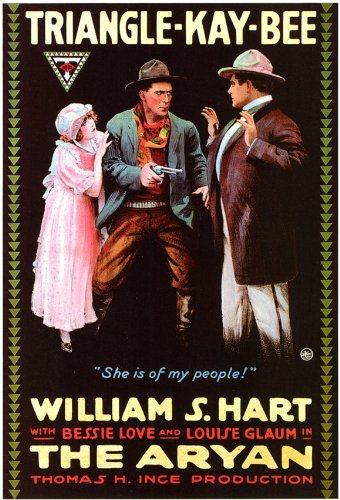
A definitive 6/10 rating for a film that redefined the boundaries of cult cinema. The Aryan remains a cornerstone of transgressive art.
In the annals of silent cinema, particularly within the rugged terrain of the early Western, William S. Hart carved a niche unlike any other. His persona, often that of the stoic, morally conflicted outlaw, resonated deeply with audiences, embodying a complex masculinity that transcended simple heroics. The Aryan, a 1916 cinematic odyssey penned by the prolific C. Gardner Sullivan, stands as a quintessential example of Hart's unique artistry, presenting a narrative arc as vast and unforgiving as the desert landscapes it portrays. This isn't merely a tale of cowboys and dusty towns; it's a visceral exploration of human depravity, the corrosive power of betrayal, and the faint, flickering embers of redemption found in the most unexpected places.
The film plunges us into the world of Denton, a man whose identity soon morphs into the more commonly referenced Steve, a prospector whose years of back-breaking labor in the desolate mines have finally yielded a substantial fortune. He rides into Yellow Ridge, a frontier town pulsating with the avarice of its denizens, his money-belt a beacon for the unscrupulous. The initial attempts by the local gamblers to separate him from his newfound wealth prove futile, his resolve seemingly unyielding. Yet, the frontier, much like the human heart, harbors its own insidious temptations. Enter Trixie, portrayed with a mesmerizing blend of allure and cunning by Louise Glaum, a figure whose very presence is designed to unravel the most steadfast of men. Glaum’s performance here is a masterclass in silent film villainy, her every glance and gesture laden with manipulative intent, drawing parallels to other femme fatales of the era, though perhaps with a more overt, predatory edge than seen in, say, a character from Temptation.
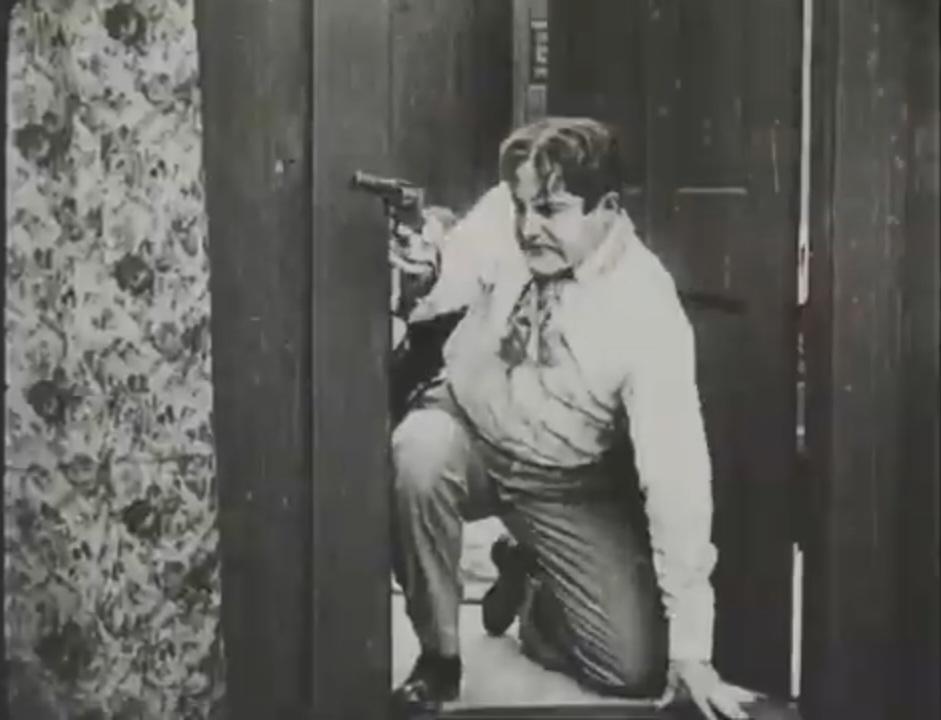
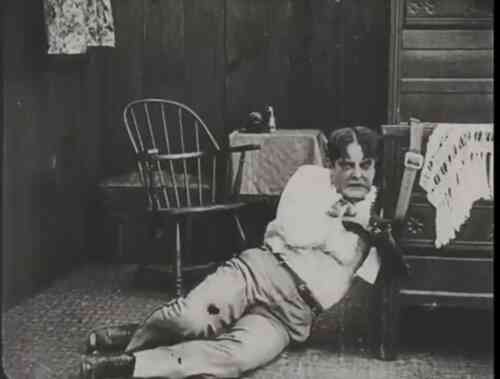
Steve, blinded by Trixie's charms, is lured to the roulette table, his gaze fixed intently on the spinning wheel, oblivious to the deeper machinations at play. A telegram arrives, a harbinger of ill tidings, yet Trixie, with a chilling mendacity, distorts its message, assuring him of good news while concealing the devastating truth of his mother's critical illness. This act of calculated deception sets in motion a chain of events that will irrevocably alter Steve's trajectory. The morning light reveals an empty money-belt, his fortune vanished, and the discovery of the original telegram shatters his illusions. The truth—his mother’s death, confirmed by the telegraph operator—ignites a furious, all-consuming rage within him. Hart, in these moments, is a force of nature, his silent portrayal of anguish and fury a testament to his acting prowess. He doesn't just shoot up the town; he obliterates it with his fury, a primal scream against a universe that has conspired to strip him bare.
The subsequent abduction of Trixie, slung limp across his horse, is not an act of passion but one of profound, misogynistic vengeance. Steve’s heart, once perhaps capable of warmth, has been calcified by betrayal and grief. He retreats to a desolate, unnamed outpost, transforming Trixie into his personal slave, a living monument to his hatred for all women. His new domain becomes a haven for the dregs of society, a community where only the morally bankrupt find acceptance, mirroring the bleak, uncompromising world often explored in films like Beating Back, where characters are pushed to the fringes. This stark shift in Steve's character, from a hardworking prospector to a tyrannical misanthrope, is meticulously crafted by Hart, showcasing his range beyond the typical Western hero. The film doesn't shy away from depicting the ugliness of this transformation, challenging the audience to confront the darkness that can consume a broken man.
The arrival of a pack train of Mississippi farmers, their journey across the arid desert fraught with peril, serves as the narrative’s pivotal turning point. These are not hardened frontiersmen but displaced families, their fertile valleys traded for the elusive promise of gold, now facing imminent demise from thirst and exhaustion. Their leaders, desperate, plead with Steve for aid, but his heart remains a stone fortress. His declaration that the "white race may expect nothing from him" is a chilling pronouncement of his complete disengagement from humanity, a stark rejection of communal empathy. This moment underscores the profound alienation Steve experiences, a self-imposed exile from the very concept of shared suffering. The despondent leaders return to their wailing women and children, their hope extinguished.
Yet, within this desperate throng, a flicker of unwavering light emerges in the form of Mary Jane, a waif portrayed with luminous sincerity by Enid Bennett. Uncowed by the grim tales of Steve's cruelty, she embodies an innocence so profound, a fearlessness so pure, that it dares to challenge the very foundations of his hardened worldview. By night, she ventures alone to Steve's forbidding lair, her small figure a stark contrast to the imposing, hate-filled man. Her plea is not just for water; it is a plea for humanity itself. Steve, initially viewing her as merely another victim to share Trixie's wretched fate, finds himself disarmed. Bennett's performance is quiet yet powerful, her childlike earnestness piercing through Hart's formidable facade. The subtle shift in Hart’s expression, the hesitant pause, speaks volumes, revealing a momentary crack in the armor of his misanthropy. This delicate interplay between the hardened outlaw and the innocent child is a trope that Hart would revisit in various forms, a testament to its dramatic potency.
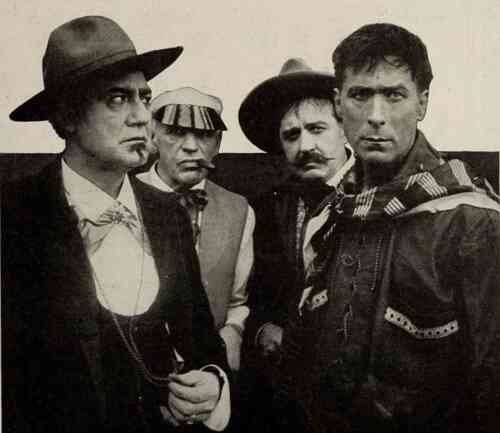
While Steve grapples with this unprecedented internal conflict, his men, true to their despicable nature, descend upon the farmers' train, carrying off the women. The threat of bloodshed looms large, a tangible tension that permeates the screen. This external crisis amplifies the internal struggle within Steve, forcing him to confront the consequences of his reign of hatred. The fate of the innocent farmers, and indeed his own soul, hangs precariously in the balance. It is in this crucible of impending violence that Mary Jane's influence proves most potent.
In a moment of profound transformation, Steve yields. He makes a monumental sacrifice, trading the safety and lives of the imperiled farmers for his rich mine. This act of relinquishment is not merely a transaction of wealth; it is a spiritual rebirth. He bestows his accumulated fortune upon his erstwhile followers, severing his ties to the very material possessions that had fueled his initial rage and subsequent tyranny. Then, in an almost messianic gesture, he personally guides the strangers out of the unforgiving desert, leading them towards safety and a new beginning. This redemptive arc is a hallmark of Hart’s best work, often seen in films where a character, through self-sacrifice, finds a path back from moral desolation, echoing the transformative journeys in films like The Love Tyrant or even the stark moral choices presented in Prestuplenie i nakazanie (Crime and Punishment), albeit in a dramatically different setting.
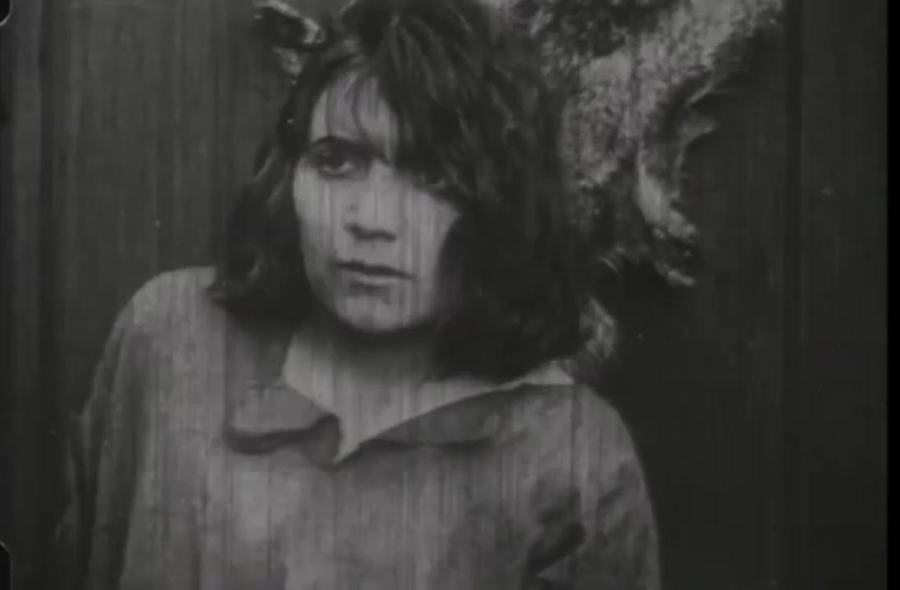
The supporting cast, while often overshadowed by Hart’s towering presence, contributes significantly to the film's texture. Gertrude Claire, J. Barney Sherry, Jean Hersholt, Ernest Swallow, Charles K. French, Bessie Love, Herschel Mayall, and John Gilbert, though some in smaller roles, flesh out the brutal world of Yellow Ridge and Steve's subsequent desolate camp. Louise Glaum, as Trixie, truly shines, crafting a character whose betrayal is so utterly convincing it fuels Steve's entire descent. Her performance is a testament to the power of silent acting, where every flicker of an eye, every curl of a lip, communicates volumes. Enid Bennett, on the other hand, provides the necessary counterpoint, her portrayal of Mary Jane radiating a purity that feels genuinely redemptive, not saccharine. The contrast between Glaum's cynical manipulation and Bennett's innocent faith forms the emotional core of the film's second half.
From a technical standpoint, The Aryan showcases the burgeoning sophistication of silent film storytelling. The use of vast desert landscapes is not merely decorative; it functions as a visual metaphor for Steve's internal barrenness and the formidable obstacles faced by the farmers. The cinematography, while perhaps not as overtly experimental as some European contemporaries, effectively conveys the stark realities of frontier life and the emotional intensity of the narrative. C. Gardner Sullivan's screenplay, while adhering to certain genre conventions, manages to imbue the plot with considerable psychological depth, particularly in its exploration of vengeance and forgiveness. Sullivan was a master of crafting narratives that allowed Hart to explore his complex anti-hero persona, and The Aryan is a prime example of their fruitful collaboration.
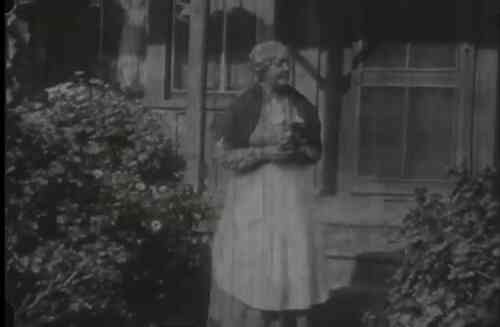
One cannot discuss The Aryan without acknowledging the broader context of Hart's career and the Western genre itself. Hart was instrumental in elevating the Western from mere spectacle to a vehicle for moral and psychological drama. His characters were rarely unambiguous heroes; they were flawed, often tormented men who grappled with their own demons. This film, with its exploration of racial prejudice (as implied by Steve's initial rejection of the "white race") and ultimate humanitarian act, pushes beyond simple good-versus-evil dichotomies, inviting a more nuanced understanding of human nature. While the film's title itself, and certain elements of its initial premise, might raise eyebrows in a contemporary context, its ultimate message leans towards universal compassion and the rejection of hatred, a transformation facilitated by the unwavering innocence of a child. It’s a powerful narrative about finding one's moral compass again, even after having strayed far into the wilderness of despair.
The film’s pacing, a crucial element in silent cinema, is expertly handled, building tension through Steve's descent into villainy and then slowly unwinding it through the redemptive influence of Mary Jane. The climactic standoff, though largely emotional rather than purely physical, is charged with dramatic weight. The audience is kept on edge, wondering if Steve truly can escape the prison of his own making. Hart’s ability to convey such internal turmoil with minimal intertitles is remarkable, relying heavily on his expressive face and body language. This film, like others of the period such as On Dangerous Paths, demonstrates how silent cinema could communicate complex moral quandaries without uttering a single word.
In conclusion, The Aryan stands as a compelling, if sometimes stark, testament to the enduring power of silent film. It is a work that showcases William S. Hart at the zenith of his dramatic capabilities, supported by a strong cast and a robust screenplay. The journey of Steve, from a betrayed prospector consumed by hate to a man redeemed by an innocent's courage, remains a powerful narrative. It reminds us that even in the most desolate of human hearts, a seed of compassion can still take root and blossom, leading to an unexpected, profound transformation. This film isn't just a historical artifact; it's a timeless exploration of the human condition, an unvarnished look at the depths of despair and the heights of self-sacrifice, firmly cementing its place as a significant work in the early Western genre. Its themes of moral reckoning, the seduction of vengeance, and the ultimate triumph of empathy continue to resonate, inviting modern audiences to appreciate the nuanced storytelling of a bygone era. The sheer emotional heft Hart brings to the role of Steve ensures that this particular journey of an outlaw, who finds his humanity again in the most desperate circumstances, remains etched in the cinematic memory.
A true classic, deserving of its place in the pantheon of silent Westerns.
IMDb 8.4
1917
Community
Log in to comment.