DbcultAccessing Vault...
6.6/10
Senior Film Conservator
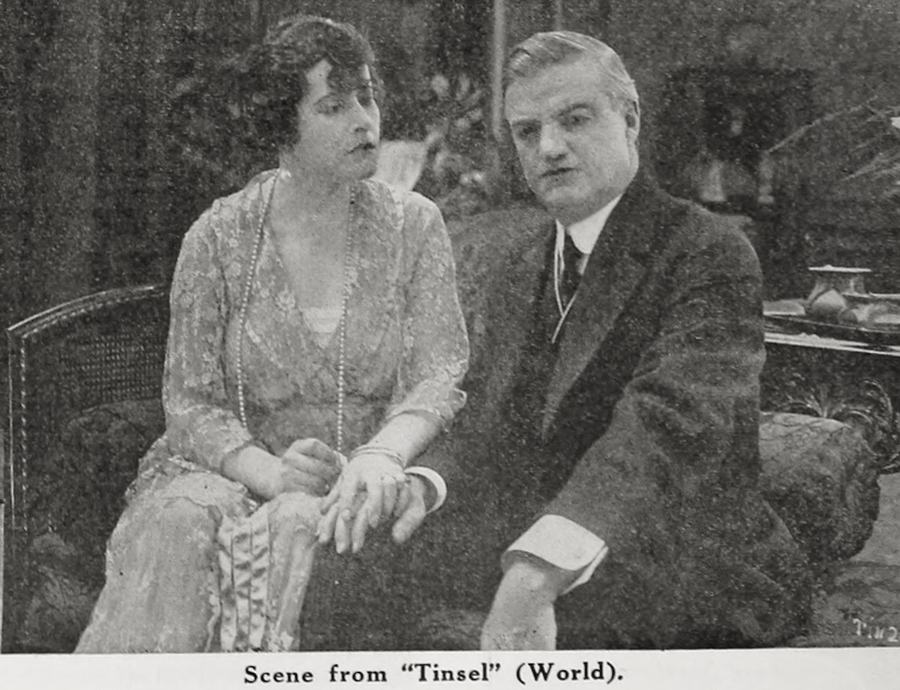
A definitive 6.6/10 rating for a film that redefined the boundaries of cult cinema. Tinsel remains a cornerstone of transgressive art.
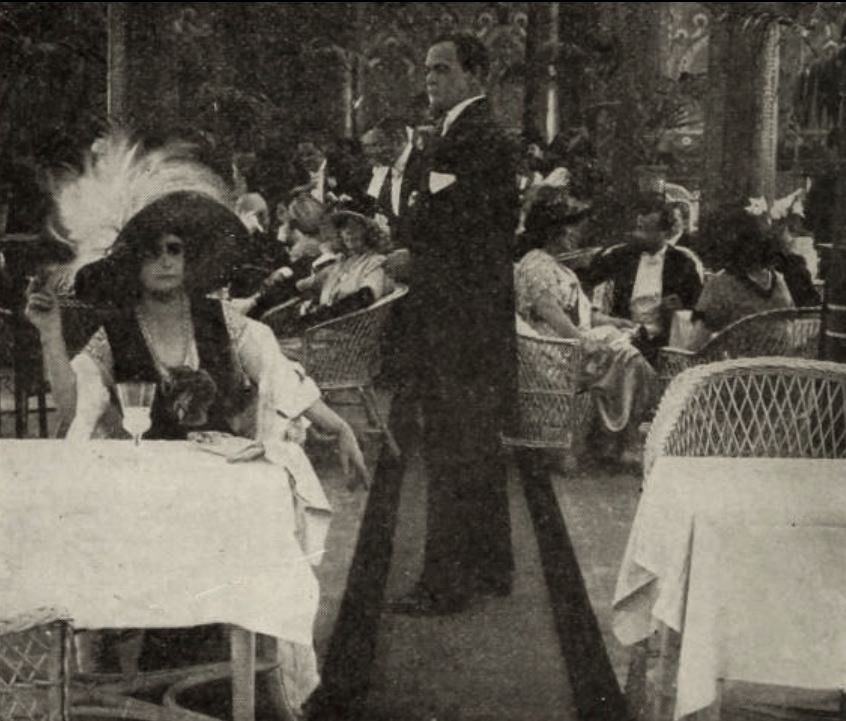
There are films that depict decadence and films that reek of it; Tinsel arrives already marinated in bootleg champagne and the copper tang of predatory whispers. From the first iris-in on Princess Sylvia Carzoni’s black-veiled silhouette—Muriel Ostriche channeling both Lilith and Madonna—we sense we are not in for a polite drawing-room anecdote but a fever dream lit by faulty chandeliers.
Director Ralph Graves (pulling double duty as Bobby) stages the narrative like a danse macabre: every tango step forward for Ruth is a vertebra cracking in the audience’s moral spine. The picture’s currency is juxtaposition—gilded glamour slammed against moral rot, maternal silk against paternal tweed, jazz tempo against lullaby hush. The result is a film that feels perpetually off-balance, as though the celluloid itself had sipped absinthe.
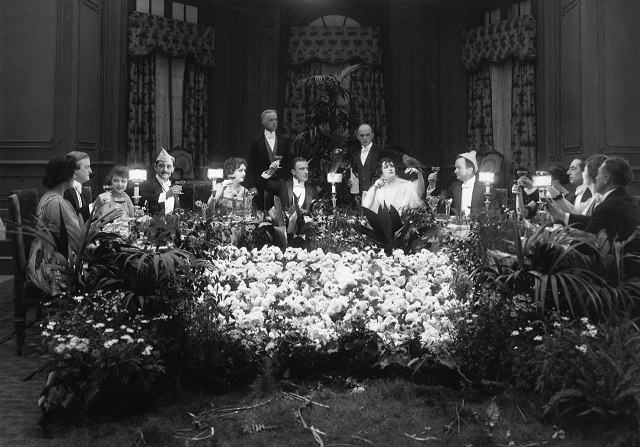
Carlton’s camera drinks in the textures of excess—gilded wallpaper swimming like koi, champagne flutes catching candlefire like hand grenades—yet he always leaves a sliver of shadow for guilt to hide inside. Notice the early ballroom sequence: Ruth’s virginal white dress is framed against a phalanx of obsidian tuxedos, her innocence a single candle in a coal mine. Later, when Jefferson Kane (a serpentine Tony Merlo) leans in for the first kiss, Carlton racks focus so the background aristocrats blur into a grotesque fresco, their laughter suddenly indistinguishable from snarling gargoyles.
The film’s most quoted shot—Sylvia’s gloved hand slamming a mahogany door, stalling the assault—uses a proto-chiaroscuro that anticipates German silents by at least two years. The door’s grain becomes a topographical map of sin; the hand, half-ivory, half-obsidian, is both Michelangelo marble and indictment.
Muriel Ostriche, often dismissed in fan magazines as merely “the girl with the orchid eyes,” here weaponizes that delicacy. Watch how her Sylvia greets Richard’s first reply letter: the envelope trembles like a trapped sparrow, yet her thumb strokes the wax seal with the languor of a courtesan. In a single gesture she embodies regret, nostalgia, and predatory calculation—an emotional triptych most actors would need three reels to limn.
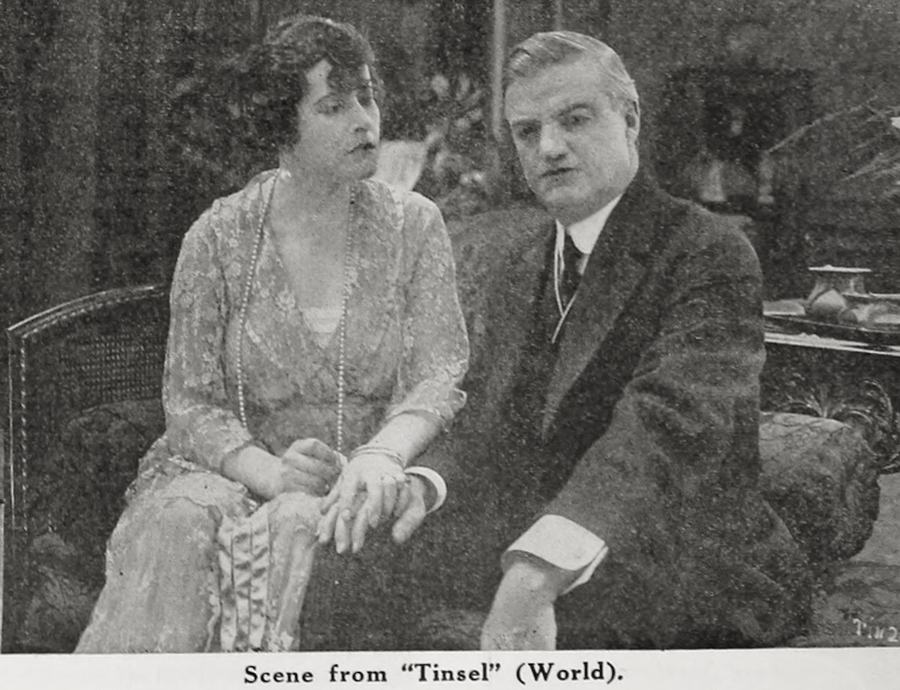
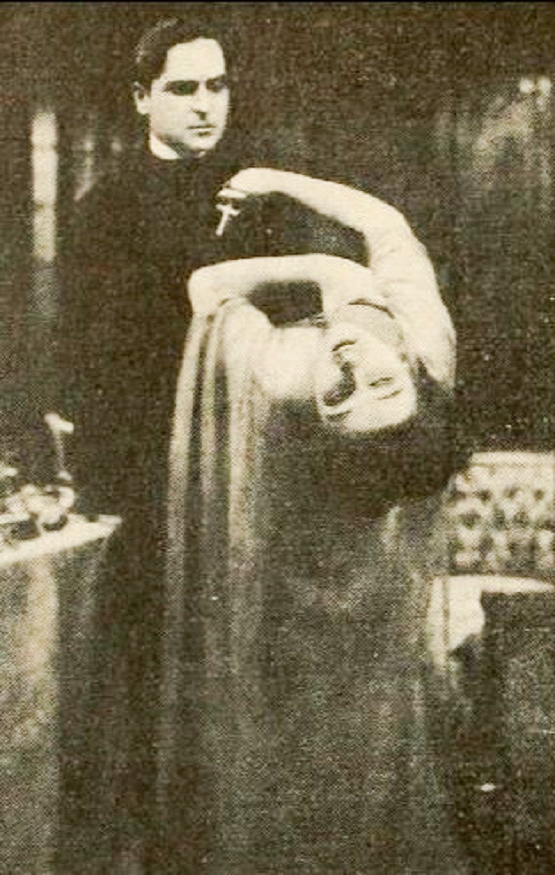
As Ruth, Marie Nau is less effective when required to twirl giddily through ballrooms—her joy feels rehearsed—but she achieves devastating authenticity the instant Kane’s mask slips. The terror that floods her pupils is not the canned Victorian maiden’s fright; it is the dawning awareness that the world is wired with trapdoors. In that moment the performance vaults from competent to unforgettable.
Tony Merlo’s Jefferson Kane deserves scholarly monographs. He never twirls a mustache; instead he lets his baritone drop half a register, as though empathy itself were a burden he has shrugged off. Listen for the micro-pause before he utters “visit” to Ruth—it contains multitudes of prior conquests.
Jackson’s intertitles, often florid in other collaborations, here adopt a surgical terseness. When Sylvia writes “I have buried one illusion; do not ask me to embalm another,” the sentence crackles like frost on iron. The film’s thematic spine—the commodification of female innocence—anticipates Sadie Goes to Heaven’s flapper satire by six years and feels eerily synchronous with #MeToo headlines a century later.
Yet the screenplay refuses simple villainy. Sylvia’s complicity in trafficking her daughter through those perfumed parlors indicts a matriarchal system that has learned to mimic patriarchal economics. It is Chains of the Past minus the gothic gloom, replaced by the fluorescent glare of society columns.
Surviving prints lack original cue sheets, so modern festivals often commission new accompaniment. The smartest choice—performed last year at Pordenone—was a minimalist string quartet that dropped to pin-drop silence during Ruth’s escape attempt. The absence of music becomes a sonic black hole, pulling the viewer inside Ruth’s thudding heartbeat. Seek any restoration that honors this strategy; a jaunty piano score will lobotomize the tension.
Place Tinsel beside Lika mot lika and you see two Nordic temperaments wrestling the same serpent of social hypocrisy—Sweden’s answer chills with Lutheran austerity, whereas America’s version sweats in gin-soaked jazz. Stack it against The End of the World and observe how apocalypse can be planetary or parlor-sized with equal devastation.
The DNA of Don Juan’s predatory charisma flows in Kane’s veins, yet Tinsel is less titillated by conquest, more interested in the toll extracted. Meanwhile Baby Mine treats motherhood as slapstick; here it is high-stakes chess played with live emotions.
A 4K restoration by the Library of Congress—spearheaded from a Dutch nitrate print and two severely decomposed American reels—premiered in 2022. Streaming rights are tangled in the 1996 Gershwin estate purchase (long story), so your legal port of call is Criterion Channel’s rotating “Pre-Code Roots” collection; it resurfaces roughly every eight months. Physical media devotees should track the Kino Lorber Blu-ray; booklet essay by MoMA’s Ron Magliozzi is indispensable.
Because we still teach daughters to measure worth by the sparkle in a stranger’s pupils. Because mothers still bargain with past sins to finance future securities. Because predators still wear impeccable lapels and speak the language of opportunity. Tinsel endures not as quaint moral artifact but as a mirror whose mercury backing has flaked, revealing jagged shards capable of slicing the viewer who leans too close.
The film’s last intertitle—an uncharacteristically hopeful “We are all children stumbling toward the same forgiving dawn”—risks saccharine. Yet after ninety minutes of chandelier glare, we crave that dawn like oxygen. The line lands not as platitude but as reprieve, a final exhalation before the lights come up and we notice, uncomfortably, how much tinsel still clings to our own sleeves.

IMDb 5.8
1931
Community
Log in to comment.