DbcultAccessing Vault...
5.7/10
Senior Film Conservator
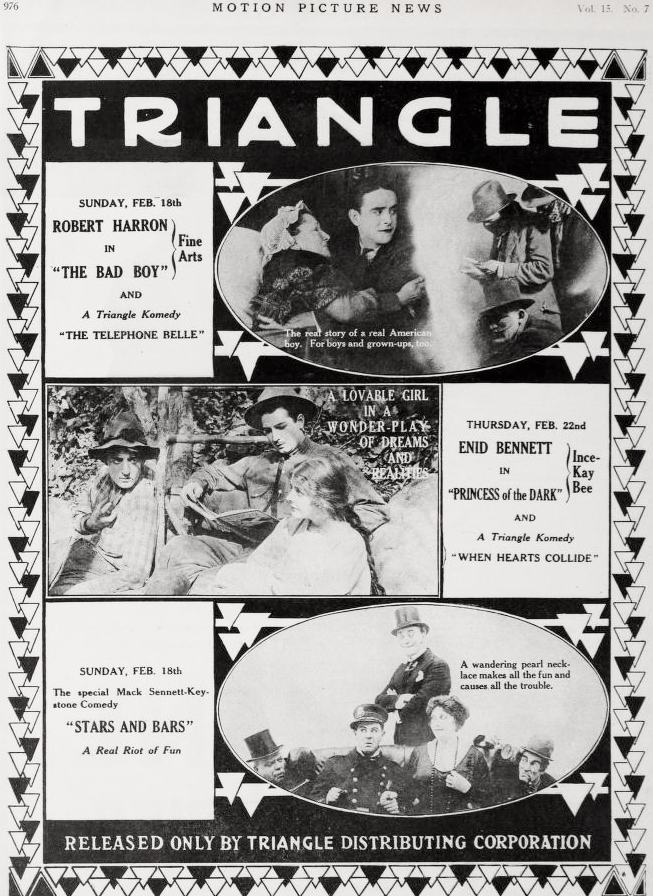
A definitive 5.7/10 rating for a film that redefined the boundaries of cult cinema. The Bad Boy remains a cornerstone of transgressive art.
A nickelodeon flicker ignites, and suddenly 1917 feels less like a calendar page and more like a bruise—purple with possibility, yellow with fear.
The Bad Boy isn’t merely an artifact exhumed from the celluloid catacombs; it is an adolescent nerve laid bare beneath the klieg lights of early Hollywood. Chester Withey and Frank E. Woods, scripting for the Triangle–Fine Arts machine, distilled small-town Puritan dread into a morality tale that jitters like a hand-cranked zoetrope. Yet within its eleven-reel modesty lies a startling sophistication: the film understands that rebellion is not the opposite of conformity but its echo, a hall-of-mirrors anxiety about inheritance—of property, of faith, of masculine identity.
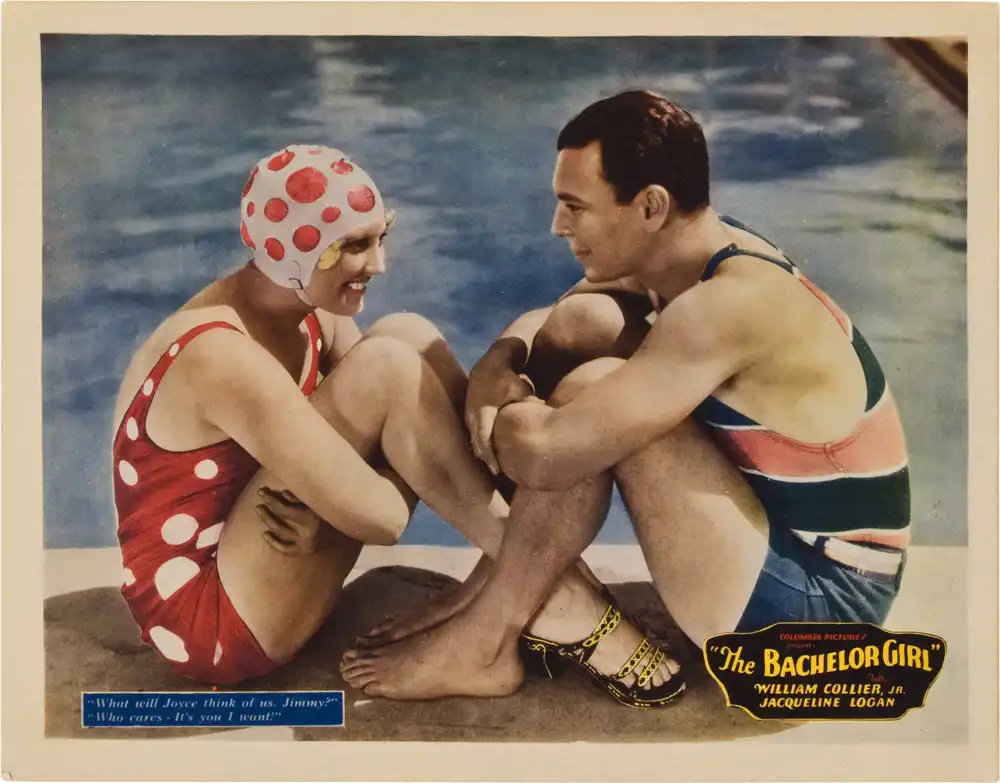
Richard Cummings, a performer whose freckled swagger anticipates Jackie Coogan by half a decade, plays Jim with the kinetic restlessness of someone who has already intuited that the 20th century will belong to the young. Watch the swim sequence: the camera, probably a Bell & Howell 2709 fixed at water level, captures Jim’s daredevil plunge as a smear of ivory against obsidian ripples—an image that foreshadows his later immersion into criminal darkness. The reservoir becomes both baptismal font and mirror, reflecting a nation uneasy about its own coming-of-age.
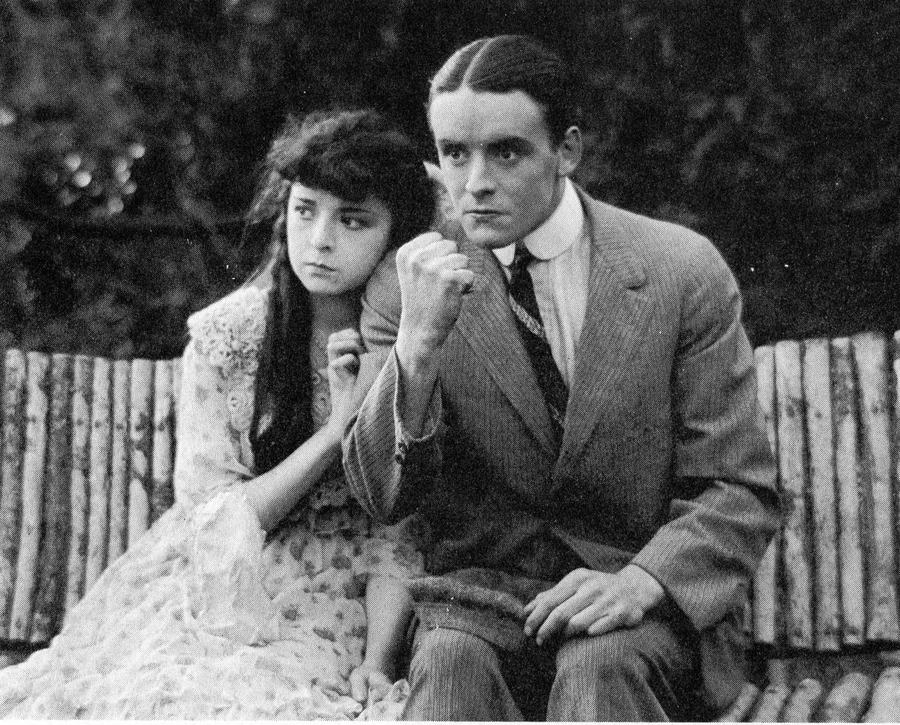
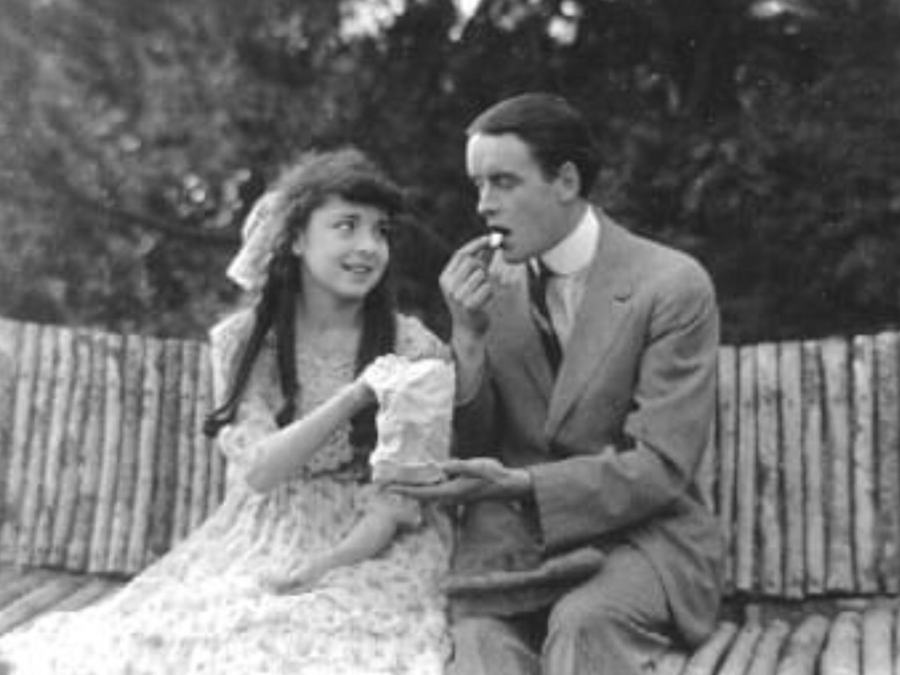
Meanwhile, Robert Harron’s Clarence is the proto-ingenue: elbows akimbo, heart on gingham sleeve. Harron, who would soon become Griffith’s go-to everyman, infuses the role with a stammering decency that makes Mary’s eventual pivot toward Jim feel less like caprice and more like Darwinian inevitability. Mary, essayed by a doe-eyed Colleen Moore in her screen infancy, radiates flapper-before-its-time insouciance; her glance at Jim carries the same metallic tang as the first sip of Coke from a green bottle—effervescent, addictive, slightly dangerous.
Then there is Ruth, the visiting niece, a narrative comet who streaks across the film’s first act and vanishes, leaving only the vapor trail of her accusation: “You’re stuck on Mary.” Carmel Myers, all of sixteen, delivers the line with a world-weariness that belies her years, and in that instant the movie acknowledges the transactional cruelty of adolescent courtship—how desire is weaponized, how reputation is minted and debased like so much copper coin.
The Slouchy Seven operate less like a criminal syndicate and more like a pagan chorus, chanting their loyalty through slingshots and chalk graffiti. Their initiation of Clarence—an ordeal involving a greased pole and a live chicken—plays like a Commedia dell’arte sketch compressed through the blunt mechanics of a Pathé camera crank. Yet beneath the slapstick lurks a ritual older than cinema: the hazing that transforms outsider into initiate, vulnerability into belonging. When the gang later mobilizes to thwart the bank robbery, their bicycles clattering down Main Street like a cavalry of iron horses, we glimpse the moment when juvenile delinquency mutates into civic virtue—an alchemy that Depression-era audiences would crave even more desperately.
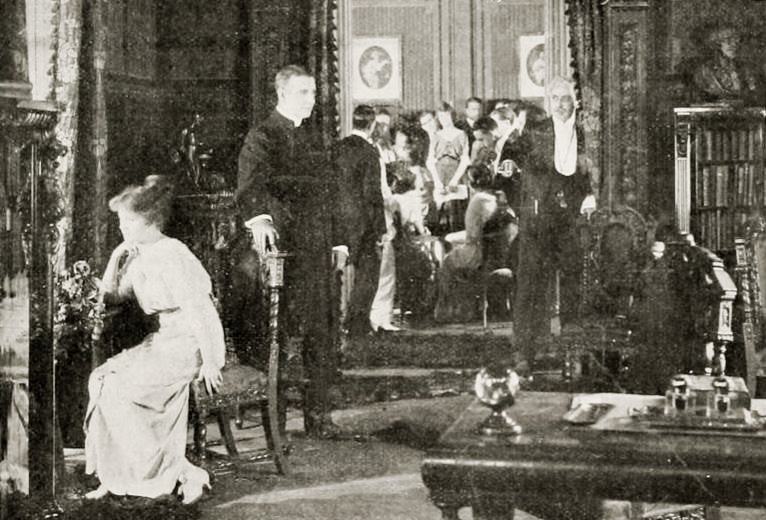
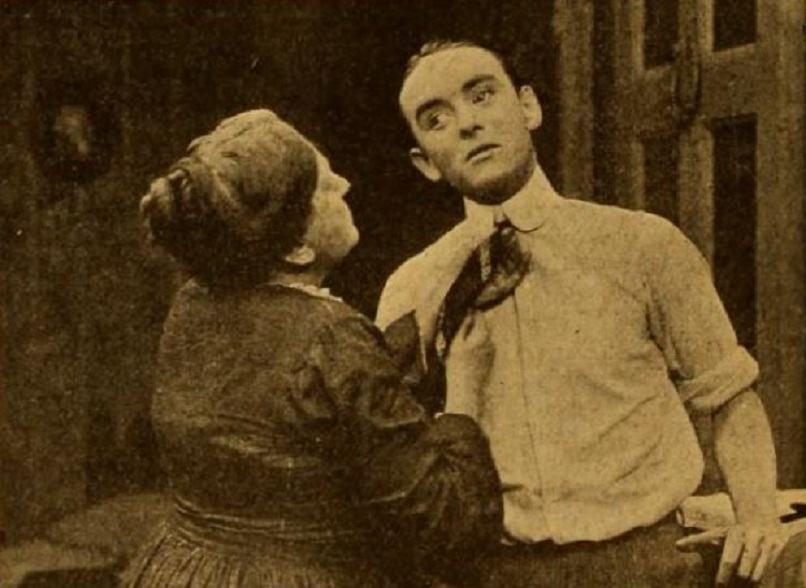
Observe, too, the film’s spatial politics: the father’s parlor, crammed with horsehair furniture and glowering daguerreotypes, is a panopticon of parental surveillance; the railroad yard, by contrast, is a liminal wasteland where tramps and entrepreneurs alike barter in smoke and shadow. Jim’s oscillation between these zones literalizes the American adolescent’s double bind—caught between the pieties of home and the seductions of the road. When the tramps strong-arm him into bank infiltration, their faces half-lit by the freight-car’s slats, the chiaroscuro recalls George Bellows’s Ashcan paintings: bodies stacked like cordwood, destinies negotiable for the price of a cigarette.
In 1917 the bank was still the cathedral of small-town America, its vault a Holy of Holies. To rob it is not merely larceny but iconoclasm; thus Jim’s complicity, however coerced, carries the whiff of patricide. The screenplay engineers his redemption with Old Testament symmetry: the loot, spirited away in a woodpile, literalizes the proverb about hiding light under a bushel—only here the light is filthy lucre, and the bushel is split pine meant for winter stoves. When Jim confesses to his father—Vice-President of the ruined institution—the scene unfolds in a single, static long take: two male silhouettes pinned against a fireplace whose embers pulse like a confession booth lamp. The father’s forgiveness arrives not via dialogue but through a gesture, his hand descending upon Jim’s shoulder with the weight of an entire economic system that has just learned to absolve its own failures.
Modern viewers, schooled on the psychologizing close-ups of post-Method cinema, may find the performances broad. Resist that reflex. In 1917 the body was the primary lexicon; faces were landscapes to be surveyed by the iris-in, not by the zoom. When Mildred Harris’s schoolmarm shrieks upon discovering a tack on her chair, her mouth forms a rictus that would make Edvard Munch blush, yet the exaggeration is ontologically honest: without the cushion of synchronized sound, volume had to be visual.
Surviving prints, held in the Library of Congress’s Paper Print Collection, exhibit a lineage of decay that paradoxically heightens authenticity: the emulsion crackles like drought-struck riverbed, the intertitles fox like antique parchment. One reel even reverses its tonal polarity—day scenes become crepuscular, night sequences acquire an ectoplasmic glow—turning the viewing experience into a séance. Cinematographer Billy Bitzer’s influence hovers in the backlighting that halos Jim’s hair, a pre-figuration of the angelic iconography Griffith would later lavish on Harron in Hearts of the World.
Compare the film’s denouement with that of Zatansteins Bande, where delinquency festers into nihilism. The Bad Boy opts for restoration: the final image of Jim carrying Mary’s schoolbooks is less romantic capitulation than social reintegration, a visual handshake between Progressivism and the nascent consumer culture that will soon baptize the Jazz Age. Yet the moment is tinged with irony: the very act of chauffeuring textbooks becomes a capitulation to the institutional corridors he once fled.
Why does this century-old curio still vibrate in the marrow? Because its anxieties are our own: helicopter parenting, economic precarity, the terror of failing those who trust us with their futures. Jim’s truancy prefigures the TikTok fugitive; the Slouchy Seven’s pranks echo the meme wars of Discord servers; the bank failure rhymes with the 2008 crash and the crypto convulsions of tomorrow. The film whispers that redemption is not a thunderclap but a slow leak of conscience, a dawning awareness that the most radical act may be to return home, look your progenitor in the eye, and speak the unsayable.
So seek it out—whether in a 16 mm university screening, a YouTube rip scanned at 2K, or a haunted dream after too much late-night caffeine. Let the flicker scour your retinas; let the piano accompaniment (preferably a somber rag that veers into dissonance) knead your nervous system. When the lights rise, you may find yourself staring at your own reflection in the black screen, searching for the child who once believed escape was possible, and the adult who knows that coming back is the braver stunt.
In the end, The Bad Boy offers neither moral absolutism nor easy catharsis. It offers instead the radical ambiguity of growth itself: a splintered woodpile, a dog’s loyal tailbeat, a girl’s sideways glance that might be love or might be pity—everything luminous, everything fleeting, everything true.
IMDb 5.3
1929
Community
Log in to comment.